Recovery has become a cornerstone of modern fitness, wellness, and performance optimization. Among the most effective tools are cold water immersion therapies—specifically cold plunge tubs and traditional ice baths. Both are used to reduce inflammation, accelerate muscle repair, improve circulation, and enhance mental resilience. But when it comes to choosing between a cold plunge tub and an at-home ice bath, which one actually delivers superior recovery results?
The answer isn’t as simple as “one is better.” It depends on consistency of use, temperature control, lifestyle integration, and long-term sustainability. This article breaks down the differences in design, function, cost, and physiological impact to help you determine the best option for your recovery goals.
How Cold Therapy Works: The Science Behind Recovery
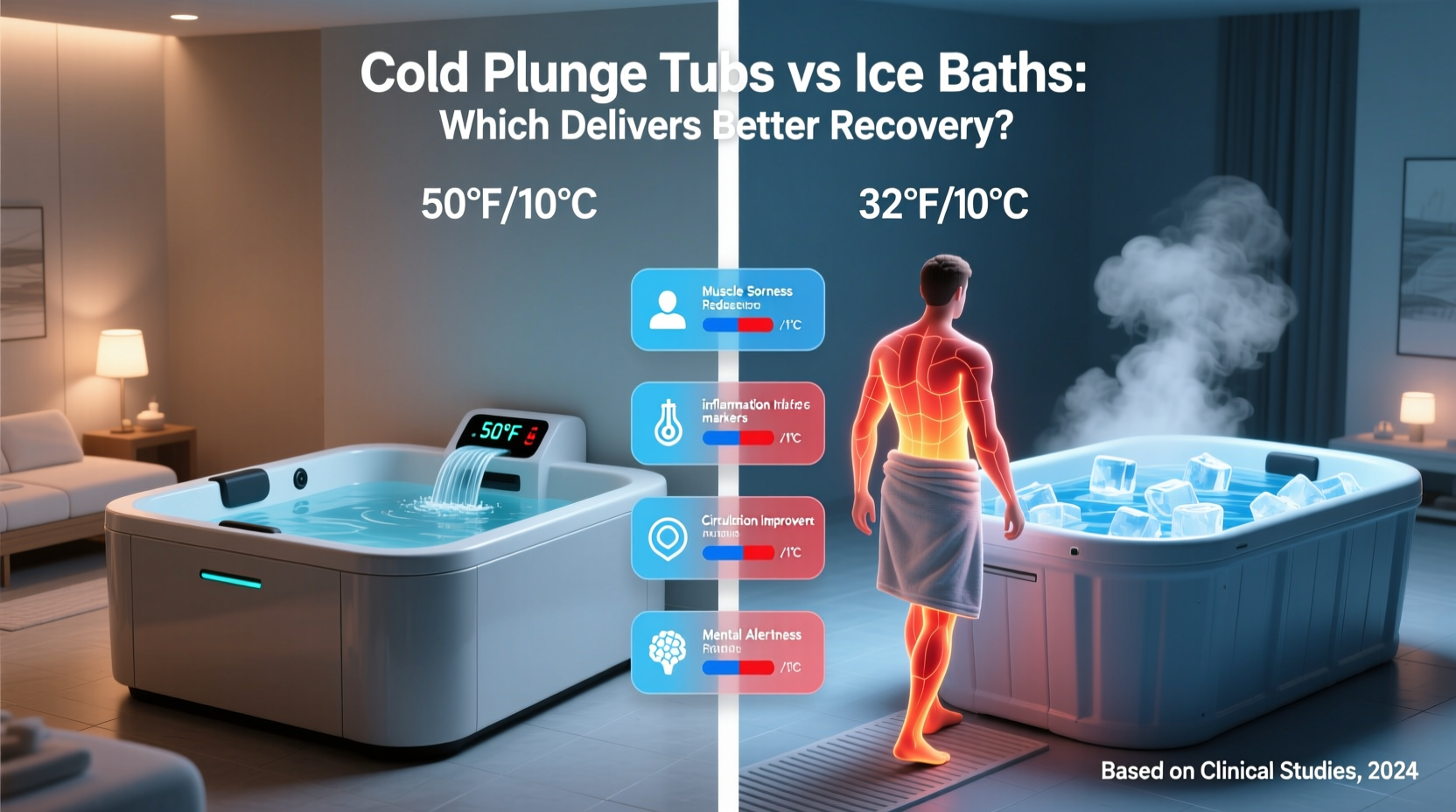
Cold therapy, also known as cryotherapy, works by triggering vasoconstriction—the narrowing of blood vessels—which reduces blood flow to inflamed tissues. This process helps flush out metabolic waste like lactic acid while minimizing swelling and cellular damage post-exercise. When you exit the cold, vasodilation occurs, flooding muscles with oxygen-rich blood that supports healing.
Studies show that cold immersion after intense training can reduce delayed onset muscle soreness (DOMS) by up to 20–30% and improve perceived recovery within 24–48 hours. A 2017 meta-analysis published in the British Journal of Sports Medicine concluded that cold water immersion significantly enhanced recovery compared to passive rest, particularly in athletes performing repeated bouts of high-intensity exercise.
“Cold immersion remains one of the most accessible and physiologically effective recovery modalities available today.” — Dr. Craig Liebenson, Rehabilitation Specialist
The ideal temperature range for effective recovery lies between 50°F and 59°F (10°C–15°C), with immersion durations typically lasting 10–15 minutes. Staying within this window maximizes benefits while minimizing risks such as hypothermia or nerve irritation.
Cold Plunge Tubs: Performance Engineering for Home Use
Cold plunge tubs are purpose-built units designed specifically for consistent cold immersion. Unlike standard bathtubs or repurposed containers, they come equipped with built-in chillers that actively cool and maintain water temperature. Most models allow digital control over settings, making them highly precise and convenient for daily use.
Modern cold plunge tubs often feature insulated walls, filtration systems, and compact footprints suitable for garages, basements, or outdoor patios. Brands like Ice Barrel, Plunge, and Origin offer plug-and-play solutions that reach target temperatures within hours and maintain them indefinitely with minimal user input.
Tip: Place your cold plunge tub on a level, shaded surface away from direct sunlight to reduce chiller workload and energy consumption.The biggest advantage of cold plunge tubs is reliability. Once set up, they require little maintenance beyond occasional cleaning and filter replacement. You don’t need to buy bags of ice weekly, mix water manually, or worry about fluctuating temperatures. For individuals serious about integrating cold therapy into their routine, this consistency translates directly into better long-term recovery outcomes.
Ice Baths at Home: The DIY Approach to Cold Immersion
An ice bath involves filling a container—often a large tub, kiddie pool, or modified bathtub—with cold water and adding ice until the desired temperature is reached. This method has been used for decades by athletes and trainers due to its simplicity and low upfront cost.
Creating an effective ice bath at home requires roughly 5–10 pounds of ice per gallon of water to drop the temperature into the therapeutic range. However, because there’s no active cooling system, the water gradually warms, especially in ambient temperatures above 70°F. This means immersion effectiveness diminishes over time unless more ice is added mid-session.
Additionally, sourcing and storing large quantities of ice can be inconvenient and expensive over time. At an average cost of $3–$5 per 10-pound bag, regular users may spend $50–$100 monthly just on ice. There’s also the labor involved: transporting heavy bags, waiting for melting, and draining messy meltwater afterward.
- No temperature regulation
- High recurring cost of ice
- Inconsistent experience day-to-day
- Bulky setup if using large containers
- Potential hygiene issues without filtration
Despite these drawbacks, many still prefer ice baths for their raw, unfiltered intensity. Some report a psychological benefit from the effort required—feeling they’ve “earned” the recovery through discomfort. However, from a physiological standpoint, inconsistency undermines optimal adaptation.
Direct Comparison: Cold Plunge Tubs vs Ice Baths
| Feature | Cold Plunge Tub | Ice Bath (DIY) |
|---|---|---|
| Initial Cost | $1,500–$4,000 | $20–$100 (container + initial ice) |
| Ongoing Cost | Electricity (~$10–$20/month) | Ice ($50–$100+/month) |
| Temperature Control | Digital thermostat; maintains exact temp | Manual; cools temporarily, then rises |
| Setup Time | Plug in and chill (hours to initial cool-down) | 30–60 mins per session (filling, icing, testing) |
| Maintenance | Monthly filter clean, occasional descaling | Drain after each use, scrub container |
| Hygiene | Filtration and UV options available | Depends on cleaning frequency; stagnant water risk |
| Lifespan | 5–10+ years with care | Limited by container durability |
| Recovery Consistency | High – repeatable conditions every time | Low – varies based on ice amount, room temp |
The data shows a clear trade-off: ice baths win on initial affordability but lose on long-term efficiency, consistency, and ease of use. Cold plunge tubs represent a higher investment but deliver clinical-grade precision that supports sustainable recovery habits.
Real-World Example: From Ice Bags to Full-Time Plunge Use
James R., a 34-year-old triathlete from Colorado, relied on DIY ice baths for two years using a stock tank in his garage. He’d spend $80 monthly on ice and another 45 minutes before each session preparing the bath. Despite discipline, he noticed inconsistent results—some days felt revitalizing, others left him shivering excessively with lingering soreness.
After upgrading to a mid-range cold plunge tub with a chiller, James reported immediate improvements. “I was shocked at how much easier it was to stay in for the full 12 minutes when the temperature wasn’t dropping. My morning stiffness decreased within a week. And not having to haul ice every other day? Game-changer.”
Within three months, his resting heart rate dropped by 6 BPM, and he recorded faster race times across sprint distances. While correlation isn’t causation, James credits much of his progress to the ability to recover more predictably and frequently thanks to reliable cold exposure.
Step-by-Step Guide to Starting Your Home Cold Therapy Routine
Whether you choose a cold plunge tub or an ice bath, proper implementation matters. Follow this timeline to integrate cold immersion safely and effectively:
- Week 1: Acclimatization
Start with 3 sessions at 55°F (13°C) for 5 minutes. Focus on controlled breathing (e.g., box breathing: 4 seconds in, 4 hold, 4 out, 4 hold). - Week 2: Increase Duration
Extend to 8–10 minutes. Maintain same temperature. Monitor how your body responds the following day. - Week 3: Optimize Timing
Use cold immersion within 60 minutes post-workout for maximum anti-inflammatory effect. Avoid immediately before strength training. - Week 4: Establish Frequency
Aim for 4–5 sessions weekly. Track sleep quality, mood, and muscle soreness in a journal or app. - Ongoing: Adjust Based on Feedback
If feeling fatigued or overly stiff, reduce frequency. If recovering well, consider lowering temperature slightly (but never below 50°F / 10°C without supervision).
Checklist: Choosing the Right Option for You
Answer these questions to determine whether a cold plunge tub or ice bath fits your lifestyle:
- ✅ Do I plan to use cold therapy 3+ times per week?
- ✅ Am I willing to invest $1,500+ for long-term convenience?
- ✅ Is access to bulk ice difficult or expensive where I live?
- ✅ Do I value precise temperature control and hygiene?
- ✅ Do I have space for a dedicated recovery unit?
If you answered “yes” to most of these, a cold plunge tub is likely the better choice. If budget is tight and usage will be occasional, starting with an ice bath allows you to test the benefits before upgrading.
Frequently Asked Questions
Can I build my own cold plunge tub?
Yes, some people retrofit chest freezers or insulated containers with water pumps and thermostats. However, DIY builds often lack safety certifications, proper insulation, or filtration. Unless you’re technically skilled, purchasing a pre-engineered unit is safer and more reliable.
Is it safe to do cold plunges every day?
For healthy adults, daily cold plunges of 10–15 minutes at 50–59°F are generally safe. However, chronic daily use may blunt certain training adaptations, particularly hypertrophy gains. Many experts recommend limiting full-body immersion to 3–5 times per week, especially during strength-building phases.
Do cold plunge tubs use a lot of electricity?
Most units consume between 500–1,200 watts when actively cooling. Once stabilized, they cycle on intermittently, averaging around 5–8 kWh per day depending on ambient temperature. In moderate climates, monthly electric costs range from $10–$20.
Conclusion: Prioritize Consistency Over Convenience Alone
When comparing cold plunge tubs and ice baths at home, the verdict leans strongly toward cold plunge tubs for delivering better recovery results—but only if they support consistent use. Superior temperature control, reduced labor, and improved hygiene create an environment where recovery becomes repeatable, measurable, and integrated into daily life.
That said, the best cold therapy tool is the one you’ll actually use. For beginners or budget-conscious users, an ice bath can serve as a valid entry point. But as your commitment grows, investing in a dedicated cold plunge tub pays dividends in both physical recovery and mental discipline.
Recovery isn’t just about surviving the cold—it’s about harnessing it strategically. Choose the method that aligns with your goals, schedule, and willingness to prioritize long-term health. The difference isn’t found in a single plunge, but in the cumulative effect of showing up, again and again, ready to adapt and grow stronger.
💬 Have experience with both methods? Share your insights below—your story could help someone make their next recovery decision with confidence.








