
Selecting the right van for a camper conversion is one of the most critical decisions in building your mobile home. The foundation you choose will impact everything from fuel efficiency and maneuverability to interior space and long-term reliability. While it’s tempting to focus on aesthetics or dream layouts, the reality is that practicality and compatibility matter far more. By narrowing your choices using five essential criteria—size, budget, drivetrain, roof height, and mechanical condition—you can make a smarter, more sustainable decision. This guide breaks down each factor with real-world insights, expert perspectives, and a step-by-step approach to help you avoid costly mistakes and build a camper that truly fits your lifestyle.
1. Size: Matching Van Dimensions to Your Lifestyle
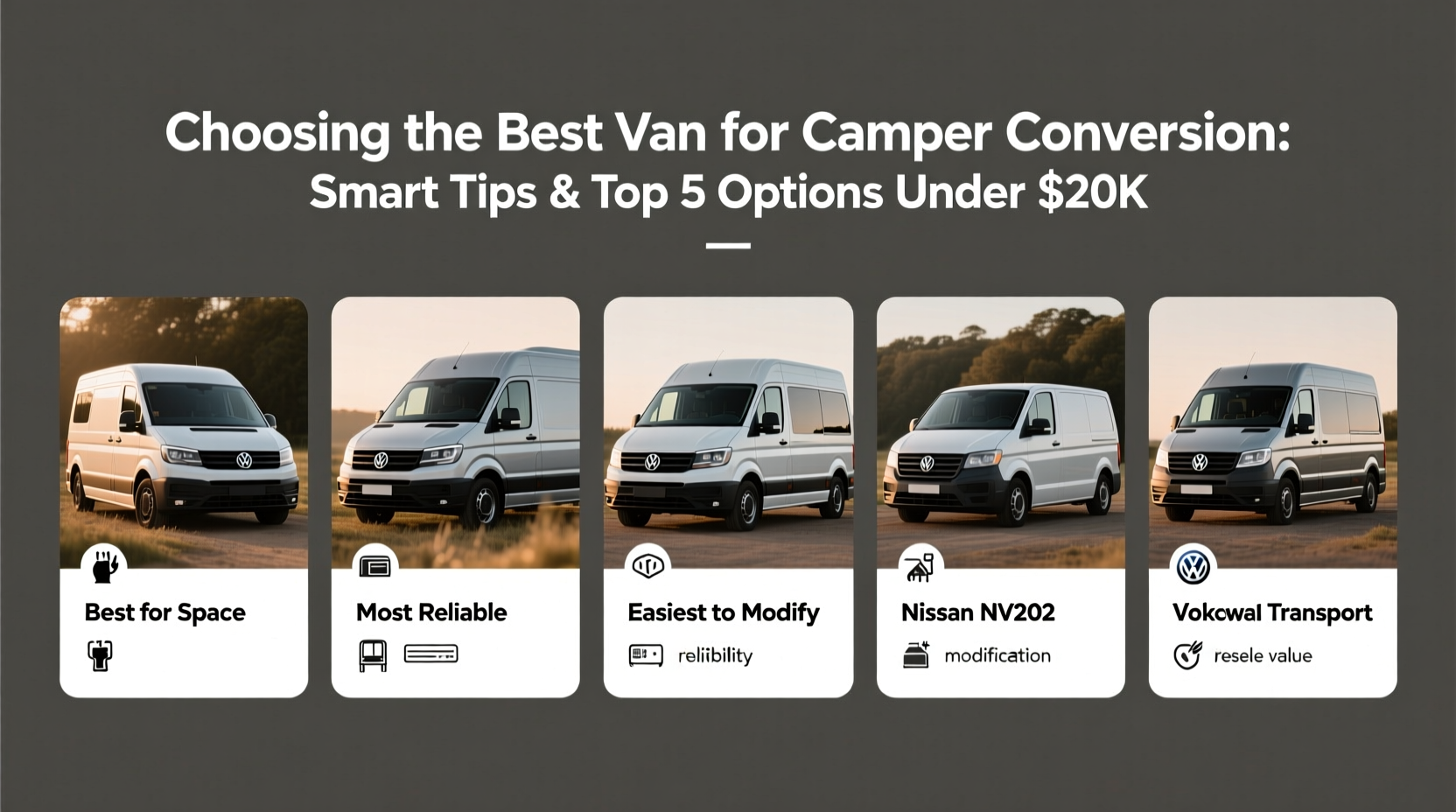
The size of your van determines how much living space you’ll have, how easily you can park and drive, and whether you can access narrow roads or low-clearance areas. Most camper conversions fall into three categories: compact, mid-size, and full-size vans. Compact vans like the Ford Transit Connect or Mercedes-Benz Citan are ideal for solo travelers or couples who prioritize agility over space. Mid-size models such as the Ford Transit 250 or Ram ProMaster 250 offer a balanced compromise between interior room and city-friendly handling. Full-size vans like the Ford Transit 350 or Mercedes Sprinter provide maximum headroom and sleeping capacity but require more skill to navigate in urban environments.
Tip: Measure your garage or driveway before choosing a van—some larger models won’t fit through standard doors.Consider not just current needs but future flexibility. If you plan to travel with pets, gear, or additional passengers, err on the side of slightly more space. However, keep in mind that larger vans consume more fuel and often come with higher insurance premiums.
2. Budget: Total Cost Beyond the Purchase Price
It’s easy to fixate on the sticker price of a used van, but the true cost includes maintenance, fuel, insurance, and conversion materials. A $15,000 van may seem like a bargain until you discover it needs $6,000 in engine repairs. Always factor in at least 20% of the purchase price for unexpected repairs or upgrades. Conversion costs vary widely depending on complexity—basic setups with DIY insulation, a bed platform, and portable stove might run $2,000–$4,000. Fully customized builds with solar, plumbing, and cabinetry can exceed $15,000.
| Van Model | Avg. Purchase Price | Estimated Conversion Cost | Fuel Economy (MPG) |
|---|---|---|---|
| Ford Transit Connect | $12,000–$18,000 | $2,000–$5,000 | 24–28 |
| Ram ProMaster 250 | $15,000–$22,000 | $4,000–$8,000 | 17–21 |
| Ford Transit 350 | $18,000–$28,000 | $6,000–$12,000 | 14–18 |
| Mercedes Sprinter | $20,000–$35,000 | $8,000–$15,000 | 15–19 |
Used Sprinters, while popular, often carry premium prices due to brand reputation—even if they have similar specs to other models. For budget-conscious builders, the Ram ProMaster offers front-wheel drive and a wide, flat interior floor at a lower entry point than the Sprinter.
“Many first-time converters underestimate total ownership costs. It’s not just about buying the van—it’s about sustaining it.” — Daniel Reyes, Mobile Living Consultant & Vanlife Educator
3. Drivetrain and Handling: Front-Wheel vs Rear-Wheel Drive
The drivetrain affects traction, turning radius, and interior layout. The Ram ProMaster and Nissan NV use front-wheel drive, which means no rear differential hump and a completely flat floor—ideal for designing kitchens, showers, or furniture that spans the width. In contrast, rear-wheel-drive vans like the Ford Transit and Mercedes Sprinter have a central driveshaft tunnel that limits cabinet placement and reduces usable floor space.
However, rear-wheel drive typically offers better towing capacity and snow traction, especially when paired with available all-wheel-drive systems (like the Sprinter 4x4). If you plan to explore mountainous or off-grid regions, all-wheel drive becomes a valuable asset, though it increases both initial cost and fuel consumption.
Tip: Test drive multiple van types. The ProMaster’s car-like steering feels intuitive in cities, while the Transit’s longer wheelbase offers stability on highways.4. Roof Height and Interior Usability
Interior comfort hinges largely on headroom. Vans come in low, medium, and high roof configurations. Low roofs (under 8 feet) limit standing space; medium roofs allow partial standing; high roofs (9+ feet) enable full upright movement—critical for long-term livability. When comparing models, note that overall height impacts garage clearance and parking restrictions. A high-roof Sprinter can reach over 11 feet, making it incompatible with many self-storage units or underground lots.
The shape of the roof also matters. The ProMaster has a tall, boxy profile that maximizes vertical space near the walls, while the Transit features a rounded ceiling that reduces shoulder room. This subtle difference influences bed placement, shelving, and even airflow during ventilation.
Mini Case Study: Sarah’s Urban-Focused Build
Sarah, a digital nomad based in Portland, prioritized maneuverability and fuel efficiency over spaciousness. She chose a medium-roof Ford Transit Connect with only 58 inches of interior width. Though tight, she optimized every inch: fold-down table, overhead storage, and a Murphy-style bed. Her van fits in standard parking spots and achieves 26 MPG—crucial for her cross-country freelance work. “I gave up walk-around space,” she says, “but gained the ability to park anywhere in the city and save on gas.” Her build cost under $6,000, proving that thoughtful design can overcome size limitations.
5. Mechanical Condition and Long-Term Reliability
No amount of interior glamour compensates for a failing engine or transmission. Before purchasing any used van, obtain a comprehensive inspection from a mechanic familiar with commercial vehicles. Key areas to assess include:
- Engine health (check for smoke, oil leaks, or error codes)
- Transmission smoothness (especially automatics under load)
- Electrical system integrity (battery age, alternator output)
- Suspension wear (bouncing, uneven tire tread)
- Rust or water damage (common in floor pans and wheel wells)
Diesel engines, common in Sprinters and Transits, offer better torque and longevity but require more complex maintenance. Gasoline engines are simpler and cheaper to repair but less efficient over time. High-mileage vans aren’t automatically bad—many diesel vans exceed 300,000 miles with proper care—but neglect is a red flag.
Step-by-Step Guide: Choosing Your Van in 5 Stages
- Define your priorities: List must-haves (e.g., standing height, four-season capability) and deal-breakers (e.g., no diesel, max $20k).
- Research models: Compare dimensions, fuel economy, and common issues for top contenders.
- Set a realistic budget: Include purchase price, repairs, insurance, and conversion materials.
- Inspect shortlisted vans: Get mechanic reports, check VIN history, and test drive under varied conditions.
- Start planning the layout: Use floor plans to visualize space usage before committing.
FAQ
Can I convert a cargo van myself without professional help?
Yes, many people complete DIY conversions using online tutorials and basic tools. Start with insulation, sealing, and structural elements before moving to electrical and plumbing. Patience and research are key.
Which van holds its value best after conversion?
The Mercedes Sprinter generally retains the highest resale value, followed by the Ford Transit. However, over-customization can reduce appeal to buyers unfamiliar with niche setups.
Is front-wheel drive safe in snowy conditions?
Front-wheel drive performs well in light to moderate snow, especially with proper tires. For heavy mountain winters, consider adding AWD or carrying chains. The ProMaster’s low center of gravity improves stability compared to taller RWD vans.
Final Checklist Before Buying
- ✅ Measured garage and route clearances
- ✅ Verified title status and accident history
- ✅ Completed pre-purchase inspection
- ✅ Researched parts availability and repair costs
- ✅ Confirmed fuel type and local service options
- ✅ Drafted a rough interior layout based on van dimensions
Conclusion
Choosing the best van for camper conversion isn’t about chasing trends or opting for the biggest model. It’s about aligning your vehicle with your actual needs, budget, and intended adventures. Whether you’re navigating city streets or exploring remote trails, the right van becomes an extension of your life—not a limitation. By focusing on these five core factors, you lay a durable, intelligent foundation for a conversion that lasts for years. Don’t rush the decision. Research thoroughly, inspect carefully, and design intentionally. Your future self will thank you when you’re sipping coffee in a functional, reliable, and thoughtfully built home on wheels.
💬 Ready to start your van search? Share your top model choice and why in the comments below—we’d love to hear your vision!








