Selecting the right golf ball can be as impactful as choosing a new driver or wedge. For players focused on consistency, durability, and performance, Srixon has emerged as a top-tier brand offering scientifically engineered balls that cater to a wide range of swing speeds and playing styles. Unlike generic options, Srixon golf balls are designed with advanced core technology, urethane covers, and low compression to enhance feel and distance without sacrificing longevity. Understanding which model aligns with your game ensures you're not just playing well today—but improving over time.
Understanding Srixon’s Golf Ball Technology
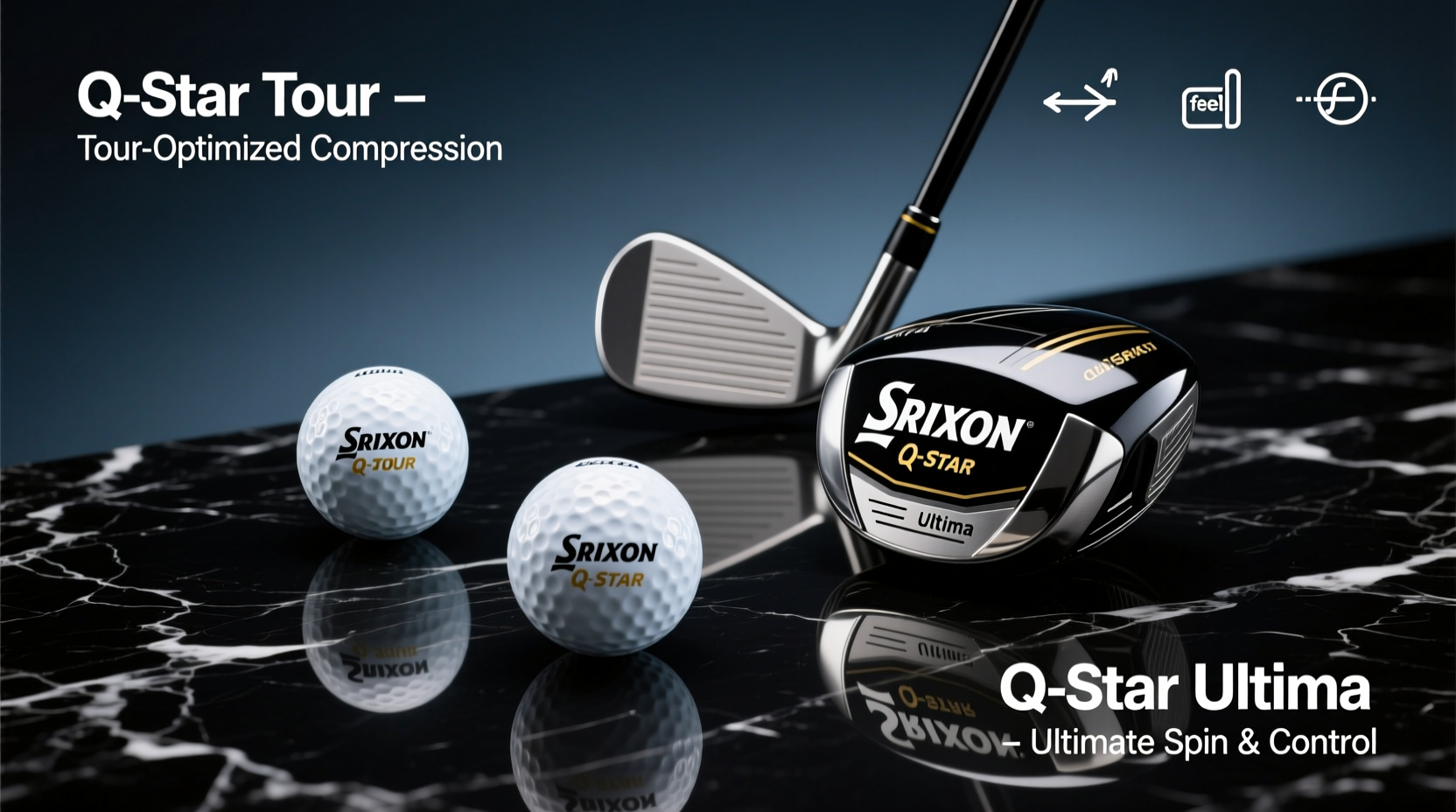
Srixon differentiates itself through proprietary engineering, particularly in core construction and cover materials. The brand uses its patented “FastLayer Core” technology, which features a gradient transition from soft inner layers to a firm outer edge. This design promotes faster ball speeds across a broader area of the clubface while maintaining a soft feel at impact. Additionally, many of their premium models use a urethane elastomer cover, known for superior spin control on approach shots and around the green.
Their focus on durability stems from both material selection and structural integrity. Urethane covers, while softer than ionomer, are surprisingly resilient when properly formulated. Srixon’s Spin Skin with Seams—a thin coating applied to the cover—enhances grip between the ball and clubface grooves, increasing friction and backspin without compromising resilience.
“Srixon’s multi-layer construction allows them to balance softness and speed in ways that used to only be possible in much more expensive niche brands.” — Dr. Alan Pierce, Sports Materials Engineer, MIT
Matching Ball Performance to Your Swing Speed
Your swing speed is one of the most critical factors in selecting the right golf ball. A mismatch can lead to excessive spin, reduced distance, or poor energy transfer. Srixon offers solutions across three primary categories: low, mid, and high swing speeds.
- Low swing speed (below 85 mph): Players benefit from lower compression balls like the Srixon Soft Feel or Q-Star. These generate higher launch angles and reduce sidespin, helping achieve greater carry and straighter flight.
- Mid swing speed (85–100 mph): The Q-Star Tour or Z-Series models provide an ideal blend of distance, feel, and moderate spin. They’re engineered to maximize efficiency without requiring elite-level power.
- High swing speed (above 100 mph): Advanced players should consider the Z-Star or Z-Star XV. These balls feature higher compression cores and urethane covers optimized for aggressive downswings, delivering maximum greenside control and aerodynamic stability.
Comparing Key Srixon Models: Features and Best Use Cases
| Model | Compression | Cover Material | Spin Level | Best For |
|---|---|---|---|---|
| Srixon Soft Feel | 60 | Ionomer (3-piece) | Low | Beginners, seniors, slow swingers |
| Srixon Q-Star | 70 | Ionomer (3-piece) | Medium-Low | Mid-handicappers seeking value |
| Srixon Q-Star Tour | 75 | Urethane (3-piece) | Medium-High | Better players wanting tour-level feel |
| Srixon Z-Star | 90 | Urethane (4-piece) | High | Low-handicap players, fast swingers |
| Srixon Z-Star XV | 105 | Urethane + Spin Skin | Very High | Tour-level control, max spin & wind resistance |
This comparison highlights how Srixon tailors each model not just by price point, but by functional design. While the Soft Feel prioritizes affordability and ease of use, the Z-Star XV is built for precision under pressure—ideal for players who frequently attack tucked pins or play in windy conditions.
Real-World Example: How One Golfer Improved His Scoring
Take Mark T., a 12-handicap golfer from Raleigh, NC. For years, he used a popular budget two-piece ball because it traveled far off the tee. However, he struggled with inconsistency on short irons and chipping, often seeing his ball skid past greens or fail to hold tight pin positions.
After testing several Srixon models at a local fitting event, he switched to the Q-Star Tour. Within three rounds, he noticed immediate improvements: his 9-iron carried more predictably, he gained 8 yards of controlled backspin on partial wedges, and his overall putting confidence rose due to consistent roll. Over the next six weeks, his average score dropped by 4.3 strokes—primarily due to better proximity control and fewer three-putts.
Mark didn’t change his swing or equipment; he simply upgraded to a ball that responded better to his inputs. His experience underscores the importance of matching ball construction to actual course demands—not just marketing claims.
Step-by-Step Guide to Choosing Your Ideal Srixon Ball
- Determine your swing speed using a launch monitor or GPS rangefinder with shot-tracking capabilities.
- Evaluate your current weaknesses: Are you losing distance? Struggling with spin? Inconsistent off-center hits?
- Test two Srixon models within your swing speed range—one slightly softer and one firmer—to compare feel and flight.
- Focus on short-game performance during testing. Hit pitch shots, chips, and bunker shots to assess spin and feedback.
- Track results over three rounds, noting changes in dispersion, stopping power, and confidence.
- Make a decision based on total performance, not just price or appearance.
Checklist: Selecting the Right Srixon Golf Ball
- ✅ Know your average driver swing speed
- ✅ Identify your primary game weakness (distance, control, feel, spin)
- ✅ Choose between ionomer (durable, affordable) vs. urethane (responsive, premium)
- ✅ Consider compression level relative to your tempo and strength
- ✅ Test at least one model with a urethane cover if shooting under 90
- ✅ Evaluate performance on full shots and finesse plays
- ✅ Assess durability after 9–18 holes of regular play
Frequently Asked Questions
Are Srixon golf balls durable enough for frequent play?
Absolutely. Srixon’s urethane-covered models, including the Z-Star line, are treated with a cut-resistant coating and have passed rigorous lab tests simulating hundreds of iron strikes. Many amateur players report getting 12–15 holes of consistent performance before visible scuffing occurs—comparable to leading competitors.
Can high-handicap players benefit from a Z-Star ball?
Yes, but selectively. If you have a high swing speed and want maximum feedback to improve your strike quality, the Z-Star can help. However, if you struggle with inconsistent contact, a lower-compression ball like the Q-Star may offer more forgiveness and better overall distance.
Is the extra cost of a urethane-covered ball worth it?
For most players averaging less than 95 strokes per round, yes. The enhanced spin separation between clubs, improved short-game responsiveness, and more predictable trajectory pay dividends in scoring opportunities. Think of it as investing in precision rather than just power.
Final Thoughts: Make the Smart Choice for Long-Term Gains
Choosing the Srixon best golf ball for your game isn’t about chasing the most expensive model or following tour trends blindly. It’s about alignment—matching your physical capabilities, skill level, and course strategy with a ball engineered to amplify your strengths and minimize weaknesses. Whether you're a weekend player looking for more consistency or a competitive amateur aiming to shave strokes, Srixon offers a scientifically backed solution that combines durability with performance readiness.
🚀 Ready to upgrade your bag? Try a sleeve of Srixon Q-Star Tour or Z-Star this weekend and experience the difference a purpose-built ball can make. Share your results with fellow golfers—you might just inspire someone else to make the switch.








