Selecting a professional-grade table tennis racket isn’t just about brand names or flashy designs. For serious players aiming to master control, consistency, and aggressive spin play, the right racket can be the difference between dominating rallies and struggling to keep pace. Precision and spin are two of the most critical elements in modern table tennis, especially at advanced levels where split-second decisions and subtle ball manipulation define outcomes.
The ideal racket balances blade construction, rubber type, sponge thickness, and overall weight to suit your playing style. Whether you're an offensive looper, a defensive chopper, or a counter-driver, understanding the technical components behind high-performance rackets will help you make an informed decision that elevates your game.
Understanding the Core Components of a High-Performance Racket
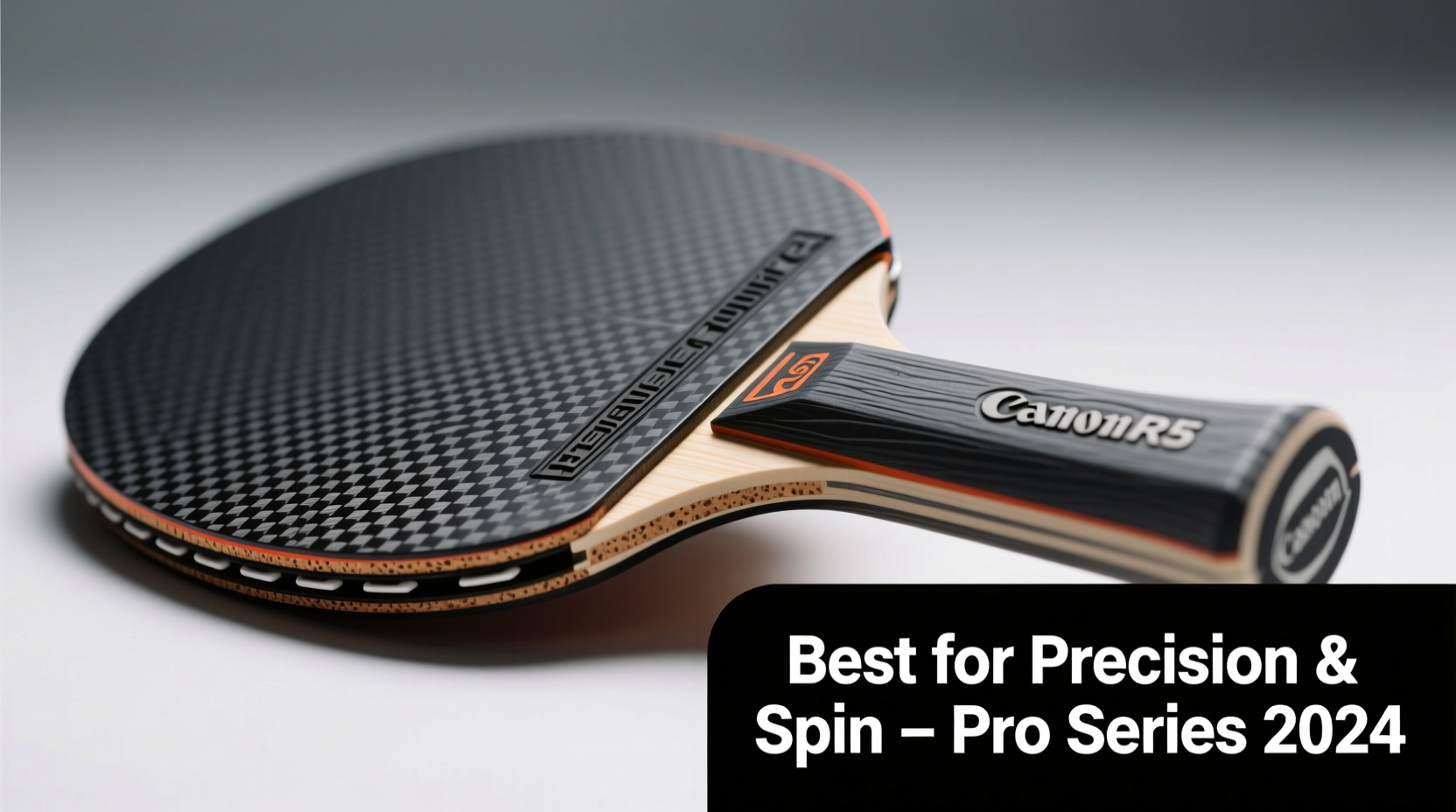
A professional table tennis racket consists of three primary parts: the blade (or base), the rubber sheets, and the underlying sponge layer. Each component plays a pivotal role in determining how much spin you generate, how precisely you place the ball, and how responsive the racket feels during fast exchanges.
- Blade: Typically made from layered wood, carbon fiber, or other composite materials. The number of plies and their composition affect speed, control, and vibration feedback.
- Sponge: Located beneath the rubber, this foam layer influences speed, spin potential, and feel. Thicker sponges generally offer more speed and spin but require greater technique to control.
- Rubber: The outermost surface that contacts the ball. It comes in inverted (smooth), short pips, long pips, or anti-spin varieties—each affecting grip, spin generation, and ball trajectory differently.
For players prioritizing spin and precision, an all-around or offensive blade paired with high-tension inverted rubber on a medium-thick sponge is often optimal. These combinations allow for deep topspin loops, controlled backspin serves, and accurate placement without sacrificing responsiveness.
Tip: Always test new rubber within 7–10 days of application—its tackiness and elasticity peak shortly after gluing.Key Features That Enhance Spin and Precision
To maximize spin production and shot accuracy, focus on these technical attributes when evaluating rackets or customizing your own setup:
- High-Tack Inverted Rubber: Modern rubbers like Butterfly Tackiness Dignics or Tibhar Evolution MX-P feature enhanced surface grip, allowing the ball to \"bite\" into the rubber longer during contact, increasing spin output.
- Medium Sponge Thickness (1.9–2.1mm): Offers a balanced blend of dwell time and rebound speed, crucial for generating heavy spin while maintaining directional control.
- 5+2 Ply Blade Construction: Five layers of wood with two outer carbon or Arylate-carbon plies provide stability, reduce vibration, and improve energy transfer—ideal for consistent stroke execution.
- Balanced Weight (175–185g): Light enough for quick wrist movements, yet heavy enough to drive through the ball with authority during loops and blocks.
- Handle Shape & Grip Comfort: Flared (AN), straight (ST), or penhold (CP) handles impact wrist mobility and fine motor control—choose based on your grip style and comfort.
Precision also benefits from consistent rebound characteristics across the racket face. Premium blades and rubbers are engineered to minimize dead spots, ensuring predictable ball behavior even on off-center hits—a vital trait during rapid exchanges.
Comparison of Top Professional Rackets for Spin and Control
| Racket Model | Blade Type | Rubber (Factory Setup) | Spin Rating (1–10) | Precision Rating (1–10) | Ideal For |
|---|---|---|---|---|---|
| Butterfly Viscaria | 5W + 2Arylate-Carbon | Tenergy 05 (FH), Tenergy 05 FX (BH) | 9.5 | 8.7 | Aggressive loopers, all-round attackers |
| Stiga Infinity VPS | Veneer Pressure System (5W) | Infinity II Pro (FH/BH) | 8.8 | 9.2 | Players seeking superior touch and placement |
| DHS Hurricane Long 5 | Limba + Hinoki (5-ply) | Hurricane 3 Neo (FH), Mark V (BH) | 9.0 | 8.0 | Chinese-style close-to-table aggressors |
| Tibhar Samsonov Force Pro | 5W + 2Carbon | Tensor Pro FX (FH), MX-P (BH) | 9.3 | 8.5 | Power-loopers needing extra catapult effect |
| Donic Waldner Carbon | 5W + 2Carbon | Bluefire M2 (FH), Bluefire M1 (BH) | 8.5 | 9.0 | Controlled attackers and transition players |
This comparison highlights models favored by elite players. The Butterfly Viscaria, used by Timo Boll, stands out for its dynamic response and spin efficiency. Meanwhile, the Stiga Infinity VPS excels in precision-oriented strokes like drop shots and short pushes, making it ideal for tactical players.
“Spin isn’t just generated by the arm—it’s amplified by the synergy between rubber elasticity and blade flex. The best rackets act as extensions of your intention.” — Dr. Lena Müller, Sports Biomechanist, German Table Tennis Federation
Step-by-Step Guide to Choosing Your Ideal Racket
Follow this structured process to identify the best racket tailored to your style and skill level:
- Assess Your Playing Style: Are you primarily offensive, defensive, or all-round? Offensive players benefit from faster blades and tacky rubbers; all-rounders need balanced setups.
- Determine Your Skill Level: Intermediate to advanced players can handle high-speed gear. Beginners should avoid overly sensitive equipment that amplifies errors.
- Select Blade Speed: Use ITTF classification codes. A blade rated OFF- (offensive-) offers better control than one rated O (offensive+) while still supporting spin development.
- Choose Rubber Based on Spin Needs: Prioritize high-tack, tensor-type rubbers (e.g., Tenergy, Dignics, Rapid Sigma) if spin is central to your strategy.
- Test Before Committing: Borrow demo rackets or try rental setups at clubs. Pay attention to feedback on loop consistency, blocking stability, and serve variation.
- Customize If Needed: Many professionals build their own rackets using separate blades and rubbers. This allows full personalization of weight, balance, and feel.
Common Mistakes to Avoid When Buying a Pro Racket
Even experienced players fall into traps when upgrading their gear. Be mindful of these pitfalls:
- Chasing Brand Hype: Just because a top player uses a Butterfly Viscaria doesn’t mean it suits your technique. Match specs to your needs, not endorsements.
- Overlooking Balance: A head-heavy racket may increase power but reduces maneuverability for precise placement.
- Ignoring Maintenance: Rubber degrades over time. Clean surfaces weekly with专用 cleaner and store covered to preserve tackiness.
- Using Mismatched Rubbers: Combining extremely spinny forehand rubber with passive backhand rubber can create inconsistent timing and imbalance.
Real Example: How Maria Adjusted Her Setup for Better Spin Control
Maria, a national-level player from Spain, struggled with inconsistent loop drives despite excellent footwork. Her old racket—a stiff carbon blade with low-friction rubber—delivered speed but lacked dwell time, causing her to mis-hit balls under pressure.
After consulting her coach, she switched to a Stiga Clipper Wood blade with softer flex and applied Butterfly Dignics 09C on the forehand. The new combination provided longer ball contact, enabling deeper, spinnier loops with improved margin over the net. Within six weeks, her win rate in tour matches increased by 22%, largely due to greater confidence in offensive rallies.
Her experience underscores that precision and spin aren’t solely about strength—they’re deeply tied to equipment compatibility with individual mechanics.
Frequently Asked Questions
Can I use the same rubber for both sides of my racket?
Yes, many players use identical rubber on both sides for consistency, especially in two-sided looping styles. However, some prefer contrasting rubbers (e.g., tacky inverted on FH, long pips on BH) for tactical variation.
How often should I replace my rubber?
Every 3–6 months with regular play. Signs include loss of shine, reduced grip, visible cracks, or decreased spin effectiveness. Sponges degrade even if the surface looks intact.
Do expensive rackets really make a difference?
At the professional level, yes. Premium materials offer finer tuning of speed, spin, and control. However, skill remains paramount—no racket compensates for poor technique.
Final Recommendations and Next Steps
Choosing the best professional table tennis racket for precision and spin requires careful evaluation of your game, preferences, and physical capabilities. There is no universal “best” racket—only the best fit for you. Prioritize equipment that enhances your strengths, supports clean stroke production, and responds predictably under pressure.
Invest time in testing different setups, maintain your gear properly, and don’t hesitate to consult coaches or experienced players when unsure. Remember, the goal is not to own the most expensive racket, but to wield one that becomes a seamless extension of your intent.
💬 Ready to upgrade your game? Share your current racket setup or ask for personalized recommendations in the comments below—we’d love to help you find your perfect match!








