
For those managing blood sugar, following plant-based diets, or optimizing athletic performance, understanding the carbohydrate content of staple legumes is essential. Lentils and beans—cornerstones of global cuisines—are celebrated for their protein and fiber, but their carbohydrate profiles vary significantly by type, preparation, and serving size. While both are complex carbohydrates, differences in digestible carbs, resistant starch, and fiber composition influence how they affect energy levels, satiety, and metabolic health. This detailed comparison breaks down the carb content of common lentils and beans, explains their nutritional implications, and offers practical guidance for incorporating them into balanced meals.
Definition & Overview: What Are Lentils and Beans?
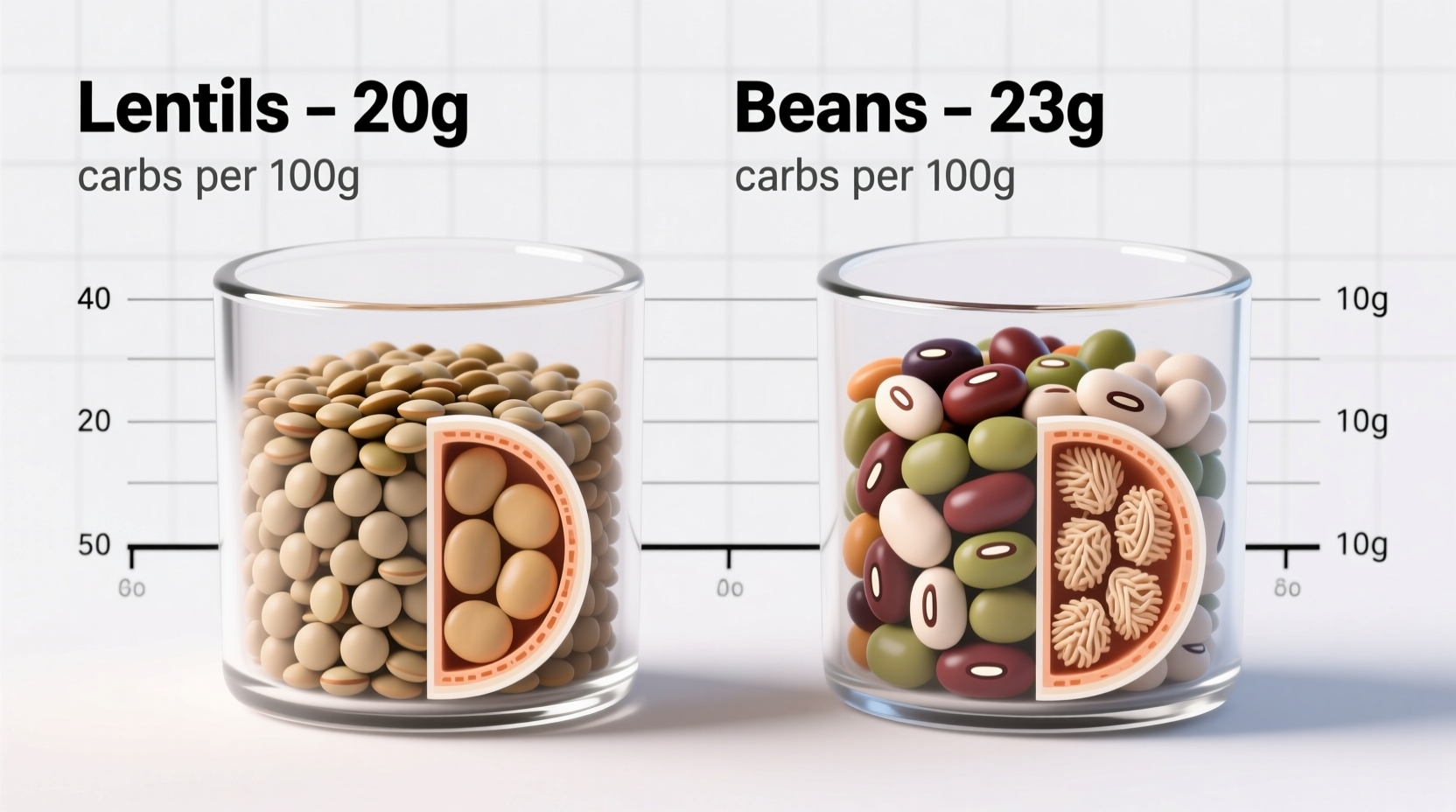
Lentils (Lens culinaris) and beans (primarily from the Phaseolus and Vigna genera) are edible seeds from the legume family, Fabaceae. Both are harvested for their dried seeds and have been dietary staples for thousands of years across Asia, Africa, the Mediterranean, and the Americas. They are classified as pulses—dry, edible seeds of leguminous plants—and are valued for their high nutrient density, affordability, and sustainability.
Lentils are lens-shaped, small, and cook relatively quickly without pre-soaking. Common varieties include brown, green, red, yellow, and black (beluga). Beans encompass a broader category, including black beans, kidney beans, pinto beans, navy beans, chickpeas (garbanzo beans), and lima beans. Unlike lentils, most dried beans require soaking and longer cooking times to ensure digestibility and safety.
From a nutritional standpoint, both provide complex carbohydrates, plant-based protein, dietary fiber, B vitamins (especially folate), iron, magnesium, and potassium. However, their carbohydrate composition—total carbs, net digestible carbs, fiber types, and glycemic response—differs meaningfully, affecting how they perform in different dietary contexts.
Key Characteristics: Carbohydrate Composition at a Glance
The primary distinction between lentils and beans lies in their carbohydrate structure: the ratio of starches, sugars, and fiber. All values below are based on 1 cup (approximately 198g) of cooked, unsalted legumes unless otherwise specified.
| Legume Type | Total Carbohydrates (g) | Dietary Fiber (g) | Sugars (g) | Net Carbs (g) | Glycemic Index (GI) |
|---|---|---|---|---|---|
| Brown Lentils | 39.9 | 15.6 | 3.8 | 24.3 | 32 |
| Green Lentils | 38.7 | 15.2 | 3.6 | 23.5 | 30 |
| Red Lentils | 39.8 | 15.4 | 3.9 | 24.4 | 26 |
| Black Lentils (Beluga) | 37.6 | 16.0 | 3.5 | 21.6 | 30 |
| Chickpeas (Garbanzo) | 44.9 | 12.5 | 7.7 | 32.4 | 28–42 |
| Black Beans | 40.8 | 15.0 | 1.0 | 25.8 | 30 |
| Pinto Beans | 44.8 | 15.4 | 2.0 | 29.4 | 39 |
| Kidney Beans | 40.2 | 13.6 | 1.3 | 26.6 | 24 |
| Navy Beans | 47.0 | 19.1 | 1.5 | 27.9 | 35 |
| Lima Beans | 39.4 | 13.2 | 2.6 | 26.2 | 32 |
Key observations:
- Net carbs are calculated as total carbohydrates minus fiber. Higher fiber means lower net carbs and reduced glycemic impact.
- Fiber content varies widely; navy beans lead with nearly 19g per cup, while chickpeas are lowest among these at 12.5g.
- Sugar content is generally low, though chickpeas contain almost 8g of natural sugars, contributing to their slightly sweeter taste.
- Glycemic Index (GI) values are all in the low to moderate range (under 55), making them suitable for blood sugar management when consumed in appropriate portions.
Practical Usage: How to Use Lentils and Beans Based on Carb Profile
Understanding carbohydrate composition allows for strategic use in meal planning. The goal is not to eliminate carbs but to select legumes that align with metabolic goals—whether that’s sustained energy, weight management, or insulin control.
For Blood Sugar Management
Low-GI legumes like red lentils (GI 26), kidney beans (GI 24), and green lentils (GI 30) are ideal for individuals with prediabetes, type 2 diabetes, or insulin resistance. Their slow glucose release prevents spikes and supports stable energy. Combine them with non-starchy vegetables and healthy fats—such as olive oil, avocado, or nuts—to further reduce glycemic load.
“Pairing legumes with vinegar or acidic dressings can lower post-meal glucose even more. A study in the Journal of the American College of Nutrition found that adding vinaigrette to a lentil salad reduced glycemic response by up to 35%.”
For High-Energy Diets (Athletes, Active Individuals)
Beans with higher total carbohydrates—like navy beans (47g per cup) and pinto beans (44.8g)—provide substantial complex carbs for glycogen replenishment. These are excellent post-workout when paired with a lean protein source such as grilled chicken or tofu. For endurance athletes, a bowl of pinto beans with brown rice and salsa delivers over 80g of complex carbohydrates in one meal.
For Low-Carb or Ketogenic Adaptations
While most legumes exceed strict ketogenic limits (typically under 20–25g net carbs/day), smaller servings of black lentils (21.6g net carbs per cup) or green lentils (23.5g) can be incorporated cautiously. Reduce portion size to ½ cup and pair with high-fat ingredients—cheese, sour cream, or guacamole—to balance macronutrients. Alternatively, focus on mature green peas (not technically a dry pulse), which offer fewer net carbs per serving.
Pro Tip: Cooling cooked lentils and beans after preparation increases their resistant starch content by up to 50%, reducing digestible carbs and enhancing gut health. Use chilled lentils in salads or reheat gently—avoid high heat, which degrades resistant starch.
Culinary Pairing Guidelines
- Red lentils: Break down easily; ideal for soups, dals, and purees. Pair with turmeric, cumin, and coconut milk for flavor synergy.
- Black beans: Hold shape well; perfect for tacos, grain bowls, and burritos. Complement with lime, cilantro, and smoked paprika.
- Chickpeas: Versatile for roasting, mashing (hummus), or baking into flour-based products. High sugar content gives them a nutty-sweet profile.
- Navy beans: Creamy texture; classic in baked beans and minestrone. Absorb flavors well, especially tomato and herbs.
Variants & Types: Choosing the Right Legume for Your Needs
Each lentil and bean variety offers unique culinary and nutritional benefits. Selection should consider not only carbohydrate content but also texture, cooking time, and intended dish.
Lentil Varieties
- Brown Lentils: Most common, mild earthy flavor, hold shape moderately. Best for stews and side dishes. Moderate fiber, standard cooking time (~20 minutes).
- Green Lentils: Firmer texture, peppery note. Ideal for salads. Slightly lower net carbs than brown.
- Red & Yellow Lentils: Sweet, soft, quick-cooking. Often split and skinned, so they lose structure. Excellent for thickening sauces or infant food.
- Black (Beluga) Lentils: Highest fiber and lowest net carbs among lentils. Shiny, caviar-like appearance. Great for gourmet salads.
Bean Varieties
- Chickpeas: Dense, starchy, mildly sweet. Require long cooking if dried. Canned versions are convenient but rinse to reduce sodium.
- Black Beans: Earthy, slightly metallic. Rich in anthocyanins (antioxidants). Consistently low GI and sugar content.
- Pinto Beans: Speckled when raw, turn solid when cooked. Higher net carbs due to lower fiber-to-starch ratio. Traditional in refried beans.
- Navy Beans: Small, white, very high in soluble fiber. Excellent for digestive health and cholesterol reduction.
- Lima Beans: Buttery texture, mild sweetness. Lower fiber, moderate GI. Can be used in succotash or casseroles.
Comparison with Similar Ingredients
Consumers often confuse lentils, beans, peas, and soy products. Understanding distinctions ensures accurate nutrition tracking and recipe success.
| Ingredient | Carb Type | Total Carbs (per cup, cooked) | Key Difference |
|---|---|---|---|
| Lentils | Dry pulse | 37–40g | No soaking needed, faster cook time, higher fiber density than most beans |
| Common Beans | Dry pulse | 40–47g | Require soaking, firmer texture, variable fiber and GI |
| Green Peas (fresh/frozen) | Vegetable/pulse hybrid | 25g | Lower in carbs, higher in vitamin C, not typically dried |
| Soybeans (edamame) | Oilseed | 14g | Higher in fat and complete protein, much lower in digestible carbs |
| Peanuts | Legume, but nutritionally a nut | 24g | High in fat, not used as a carbohydrate staple |
Note: Soybeans and peanuts are botanically legumes but differ nutritionally from pulses. Edamame has only 14g of carbs per cup and is rich in healthy fats, making it function more like a protein-fat food than a carbohydrate source.
Practical Tips & FAQs
Q1: Do canned beans have the same carb content as cooked dried beans?
A1: Generally yes, but check labels. Some canned varieties add sugars or syrups (e.g., baked beans). Rinsing canned beans reduces sodium by up to 40% and may slightly lower surface sugars, but doesn’t alter starch or fiber content significantly.
Q2: How does cooking method affect carbohydrate availability?
A2: Boiling preserves most fiber and starch. Pressure cooking (e.g., Instant Pot) reduces cooking time and may increase digestibility but can slightly lower resistant starch. Frying or breading legumes (e.g., falafel) adds refined carbs and fats, increasing net carb load.
Q3: Are sprouted lentils and beans lower in carbs?
A3: Not significantly in total carbs, but sprouting converts some starch into simpler sugars and increases enzyme activity, improving digestibility. Sprouted legumes may have slightly higher net carbs but improved nutrient absorption.
Q4: Can I eat lentils and beans on a low-FODMAP diet?
A4: In limited quantities. According to Monash University guidelines, ½ cup of canned, well-rinsed lentils or chickpeas is considered low-FODMAP. Avoid large servings, as oligosaccharides (a type of fiber) can cause bloating in sensitive individuals.
Q5: How should I store cooked lentils and beans?
A5: Cool within two hours and refrigerate in airtight containers for up to 5 days. Freeze for up to 6 months. Freezing increases resistant starch upon thawing and reheating, enhancing gut health benefits.
Storage Checklist:
– Label containers with date
– Portion into 1-cup servings for easy use
– Add a splash of cooking liquid to prevent drying
– Store dried legumes in cool, dark places for up to 1 year
Q6: Which has fewer carbs—lentils or beans?
A6: On average, lentils edge out beans slightly in lower net carbs and higher fiber. Black lentils (21.6g net carbs) are the lowest, while navy beans (27.9g) are among the highest. However, red lentils and kidney beans are nearly identical in net carb content. The difference is often negligible in real-world servings.
Summary & Key Takeaways
Lentils and beans are both nutritious sources of complex carbohydrates, but subtle differences in fiber, net carbs, and glycemic impact make certain varieties better suited to specific dietary goals. Lentils generally offer higher fiber and slightly lower net carbs, with black and green types being optimal for low-glycemic eating. Beans like navy and pinto provide more total carbohydrates, making them valuable for active individuals needing sustained energy.
Regardless of type, legumes contribute to long-term health through improved gut microbiota, blood sugar regulation, and heart health. Their resistant starch content supports colon health, while soluble fiber helps manage cholesterol. Practical strategies—cooling after cooking, pairing with acids, and controlling portion sizes—enhance their metabolic benefits.
Ultimately, the best choice depends on your nutritional objectives and culinary context. Rotate varieties to maximize phytonutrient diversity and digestive tolerance. Whether simmered into a dal, folded into a burrito, or tossed into a grain-free salad, lentils and beans remain indispensable tools for building flavorful, health-supportive meals.
Explore your pantry with purpose: match legume type to your metabolic needs, and let nutrition guide your next meal.









