Potatoes are one of the most widely consumed staple foods across the globe, yet they remain a source of confusion—particularly when it comes to their carbohydrate content. Are they healthy? How do different varieties compare? Does cooking method affect their carb profile? For anyone managing blood sugar, following a low-carb diet, or simply seeking balanced nutrition, understanding the real story behind potato carbohydrates is essential. This guide breaks down the science, culinary implications, and practical applications of potato carbs with precision and clarity.
Definition & Overview
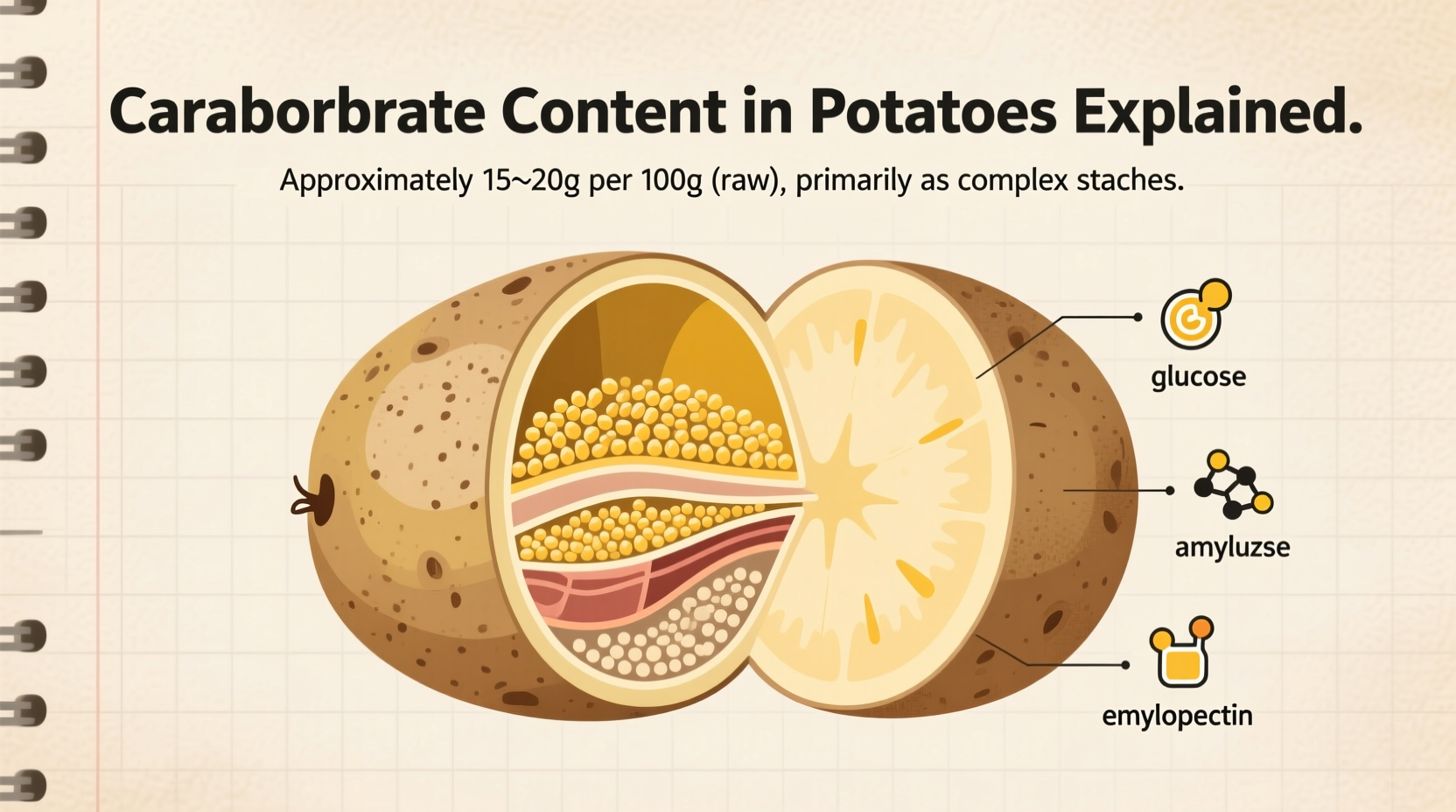
The potato (Solanum tuberosum) is a starchy tuber native to the Andes Mountains of South America, domesticated over 7,000 years ago. Today, it ranks as the world’s fourth-largest food crop after rice, wheat, and maize. Botanically a vegetable, the potato functions culinarily as a complex carbohydrate source, providing energy, fiber, vitamins, and minerals.
Despite misconceptions, not all carbohydrates are created equal. The potato contains primarily complex carbohydrates in the form of starch, along with smaller amounts of simple sugars like glucose and sucrose. These carbohydrates are stored in granules within the cells of the tuber, making them digestible but also subject to changes during cooking and cooling.
From a nutritional standpoint, potatoes are naturally fat-free, low in sodium (when unseasoned), and rich in potassium, vitamin C, and B6. Their reputation as a “high-carb” food is accurate—but context matters. The total carbohydrate load, glycemic response, and net digestible carbs vary significantly by variety, preparation, and serving size.
Key Characteristics of Potato Carbohydrates
- Primary Carb Type: Starch (amylose and amylopectin), with trace amounts of free sugars
- Fiber Content: 2–4% of fresh weight; mostly insoluble with some resistant starch
- Glycemic Index (GI): Ranges from medium to high depending on type and cooking method (typically 65–110)
- Digestibility: High when hot and freshly cooked; reduced when cooled due to retrograded resistant starch formation
- Culinary Function: Thickening agent, energy-dense base, texture modifier (crispy exterior, fluffy interior)
- Shelf Life Impact: Carbohydrate composition shifts over time—starch converts to sugar during cold storage, affecting flavor and browning
Tip: Cooling cooked potatoes increases resistant starch by up to 50%, lowering net digestible carbs and moderating blood sugar response. This makes potato salad a smarter choice than mashed for metabolic health.
Carbohydrate Breakdown by Common Potato Varieties
Different potato cultivars contain varying ratios of amylose to amylopectin—a key factor in both texture and digestion rate. Amylose-rich potatoes tend to be firmer and lower on the glycemic scale, while waxy or high-amylopectin types break down quickly into glucose.
| Variety | Total Carbs (g) | Dietary Fiber (g) | Net Carbs (g) | Glycemic Index (Approx.) | Best Uses |
|---|---|---|---|---|---|
| Russet | 17.5 | 2.1 | 15.4 | 85–110 | Baked, mashed, French fries |
| Yukon Gold | 16.8 | 2.0 | 14.8 | 70–80 | Roasted, boiled, gratins |
| Red Bliss | 15.3 | 2.2 | 13.1 | 65–75 | Salads, steamed dishes |
| Fingerling | 15.0 | 2.3 | 12.7 | 60–70 | Roasting, sautéing |
| Sweet Potato | 20.1 | 3.0 | 17.1 | 44–94 | Baking, mashing, roasting |
Note: Sweet potatoes are botanically unrelated to white potatoes but often compared. While higher in total carbs and natural sugars, they generally have a lower GI due to higher fiber and more slowly digested starch.
How Cooking Affects Carbohydrate Availability
The way you prepare potatoes dramatically alters their carbohydrate behavior in the body. Heat gelatinizes starch, making it more accessible to digestive enzymes. However, subsequent cooling allows some starch to re-crystallize into resistant forms that resist digestion—effectively reducing net carbohydrate absorption.
Boiling
Retains structure well, especially in waxy potatoes. Minimal fat addition keeps calorie count low. Water-soluble nutrients like vitamin C leach slightly into cooking water unless salted or covered. Cooling boiled potatoes increases resistant starch by 20–50%.
Baking
Concentrates flavor and raises GI significantly. Russets can reach a GI over 100 when served hot. The dry heat fully gelatinizes starch, maximizing glucose release. Pairing with vinegar or acidic ingredients post-bake can reduce glycemic impact.
Frying
Adds fat and calories but creates a crispy barrier that may slow starch digestion slightly. Deep-fried potatoes (e.g., chips) undergo Maillard browning, which generates acrylamide—a compound formed from sugars and asparagine under high heat. Net carbs remain high, though satiety increases due to fat content.
Steaming
Preserves nutrients better than boiling and minimizes nutrient loss. Results in a firmer texture and moderate GI. Ideal for retaining fiber integrity and minimizing oxidation.
Cooling & Reheating
One of the most impactful practices for metabolic health: cooling cooked potatoes for at least 24 hours increases resistant starch content. Reheating does not eliminate this benefit entirely—up to 40% of the resistant starch remains intact, lowering insulin response by 25–30% compared to freshly cooked equivalents.
“The transformation of starch during cooling turns an otherwise high-GI food into a functional prebiotic. That’s culinary alchemy with real health benefits.” — Dr. Elena Torres, Food Scientist, University of Guelph
Practical Usage in Home and Professional Kitchens
Understanding potato carbohydrates empowers smarter menu planning and ingredient selection. Whether feeding a family or designing restaurant dishes, the goal isn’t elimination—it’s intelligent integration.
Home Cooking Applications
- Meal Prep Strategy: Cook a batch of red or fingerling potatoes, cool overnight, and use in grain-free salads with olive oil, lemon juice, herbs, and vegetables. Net carbs drop while satiety and gut health improve.
- Family-Friendly Swaps: Replace half the rice in a bowl with diced roasted Yukon Golds. The creamy texture mimics grains while adding potassium and vitamin C.
- Kid-Approved Options: Bake small sweet potatoes and top with cinnamon and a touch of nut butter. Natural sweetness satisfies cravings without refined sugar.
Professional Culinary Techniques
- Texture Layering: Chefs combine potato types—using waxy for structural integrity in stews and fluffy russets for purees—to balance mouthfeel and viscosity.
- Starch Utilization: In sauces and soups, chefs often use potato starch (extracted from tubers) as a clean-label thickener. It’s neutral in flavor, gluten-free, and more stable than cornstarch under refrigeration.
- Glycemic Management Menus: Upscale wellness-focused restaurants serve chilled new potato salads with Dijon vinaigrette, leveraging resistant starch for clients monitoring insulin levels.
Pairing Suggestions for Balanced Nutrition
To mitigate rapid blood sugar spikes, pair potatoes with components that slow gastric emptying and modulate insulin response:
- Fat: Extra virgin olive oil, avocado, grass-fed butter—delays glucose absorption.
- Acidity: Apple cider vinegar, lemon juice, fermented pickles—lowers meal glycemic load by up to 35%.
- Protein: Grilled salmon, eggs, legumes—increases satiety and reduces overall carb-to-protein ratio.
- Fiber-Rich Veggies: Kale, broccoli, Brussels sprouts—add volume without significant carbs.
Actionable Tip: Toss cooled boiled potatoes with vinegar-based dressing and let sit for 30 minutes before serving. This further reduces glycemic impact through acid-starch interaction.
Variants and Forms: Beyond the Whole Tuber
Potatoes appear in multiple processed and refined forms, each with distinct carbohydrate profiles and culinary roles.
| Form | Processing Level | Net Carbs (per 100g) | Key Notes |
|---|---|---|---|
| Whole Fresh | Minimal | 13–17 g | Highest nutrient density; choose firm, unblemished skins |
| Dehydrated Flakes | High | 85–90 g | Lose fiber and vitamins; reconstituted versions lack texture integrity |
| Potato Starch | Refined | 90–95 g | Gluten-free thickener; zero fiber; purely amylopectin/amylose mix |
| Potato Flour | Processed | 80–85 g | Made from whole dried potatoes; includes fiber and protein; used in gluten-free baking |
| Pre-Cooked Frozen | Moderate to High | 15–20 g | Often par-cooked in oil; check labels for added sugars and preservatives |
For health-conscious cooking, prioritize whole, fresh potatoes. Use starch only when needed for texture; avoid dehydrated flakes for daily consumption due to nutrient depletion.
Comparison with Similar Staple Carbohydrates
Potatoes are often grouped with other starchy foods, but their nutritional footprint differs meaningfully.
| Food | Total Carbs (g) | Fiber (g) | Net Carbs (g) | Glycemic Index | Notable Differences |
|---|---|---|---|---|---|
| Potato (Russet) | 17.5 | 2.1 | 15.4 | 85+ | Higher potassium, vitamin C; no phytates |
| White Rice | 28.7 | 0.4 | 28.3 | 73 | Lower fiber, fewer micronutrients; contains phytic acid |
| Brown Rice | 26.0 | 1.8 | 24.2 | 68 | More fiber, but anti-nutrients require soaking |
| Quinoa | 21.3 | 2.8 | 18.5 | 53 | Complete protein; saponins must be rinsed off |
| Oats (Rolled) | 12.0 | 1.7 | 10.3 | 55 | High in beta-glucan; viscous fiber slows digestion |
While potatoes deliver more rapidly available glucose than oats or quinoa, they outperform refined grains in micronutrient content. Unlike many grains, they’re naturally gluten-free and free of enzyme inhibitors when properly cooked.
Practical Tips & FAQs
Are potatoes suitable for a low-carb diet?
Standard low-carb diets (under 50g/day) limit potato portions. However, small servings (½ cup diced) of cooled waxy potatoes can fit strategically. For keto diets (<20g carbs), even modest portions exceed limits unless highly restricted.
Do sweet potatoes have fewer carbs than white potatoes?
No—sweet potatoes typically contain more total carbohydrates and sugars. However, their higher fiber and slower digestion often result in a lower glycemic response, especially when boiled.
Can I reduce the carb impact of potatoes?
Yes. Strategies include:
- Cooling after cooking to increase resistant starch
- Pairing with vinegar or citrus
- Adding healthy fats and proteins
- Choosing lower-GI varieties like red or fingerling potatoes
Does peeling affect carbohydrate content?
Peeling removes about 10–15% of total fiber and some polyphenols concentrated just beneath the skin. It has minimal effect on total starch but reduces overall nutrient density. For maximum benefit, scrub and cook with skins on.
How should I store potatoes to preserve quality?
Keep in a cool, dark, well-ventilated place (not refrigerated). Temperatures below 40°F convert starch to sugar, causing undesirable sweetness and excessive browning when cooked. Never store near onions—they emit gases that accelerate sprouting.
Are colored potatoes healthier?
Purple and blue potatoes contain anthocyanins—potent antioxidants linked to improved vascular and cognitive health. They also demonstrate slightly lower glycemic responses in clinical studies, likely due to polyphenol interference with starch-digesting enzymes.
Storage Hack: Place an apple in your potato bin. Ethylene gas from the apple inhibits sprouting, extending shelf life by weeks.
Summary & Key Takeaways
Potatoes are not inherently unhealthy due to their carbohydrate content. Rather, they are a nutrient-dense, versatile food whose metabolic impact depends on variety, preparation, and pairing. Understanding the nuances of potato carbs transforms them from dietary villains into strategic tools for energy, gut health, and culinary creativity.
- Potatoes are primarily composed of complex starch, with moderate fiber and negligible fat.
- Net digestible carbs decrease significantly when cooked and cooled, thanks to resistant starch formation.
- Waxy and colored varieties (red, purple, fingerling) offer lower glycemic impact than russets.
- Cooling, acidulation, and fat pairing reduce glycemic load effectively.
- Avoid deep processing—opt for whole tubers over flakes or flours for optimal nutrition.
- Potatoes surpass many grains in potassium, vitamin C, and bioavailability.
Used wisely, potatoes can support balanced diets across diverse lifestyles—from athletic performance to diabetes management. The key lies not in avoidance, but in intelligent application.
Next time you plan a meal, consider how a cooled potato salad or roasted fingerlings might offer both flavor and function. Reimagine the humble spud—not as a carb overload, but as a dynamic ingredient rooted in science and tradition.









