Being unable to urinate—also known as urinary retention—is a condition that can range from mildly uncomfortable to life-threatening if left untreated. While occasional difficulty starting urination might not be alarming, persistent or complete inability to empty the bladder requires prompt attention. This article explores the underlying causes, symptoms, immediate actions, and long-term management strategies for urinary retention.
Understanding Urinary Retention: Acute vs. Chronic
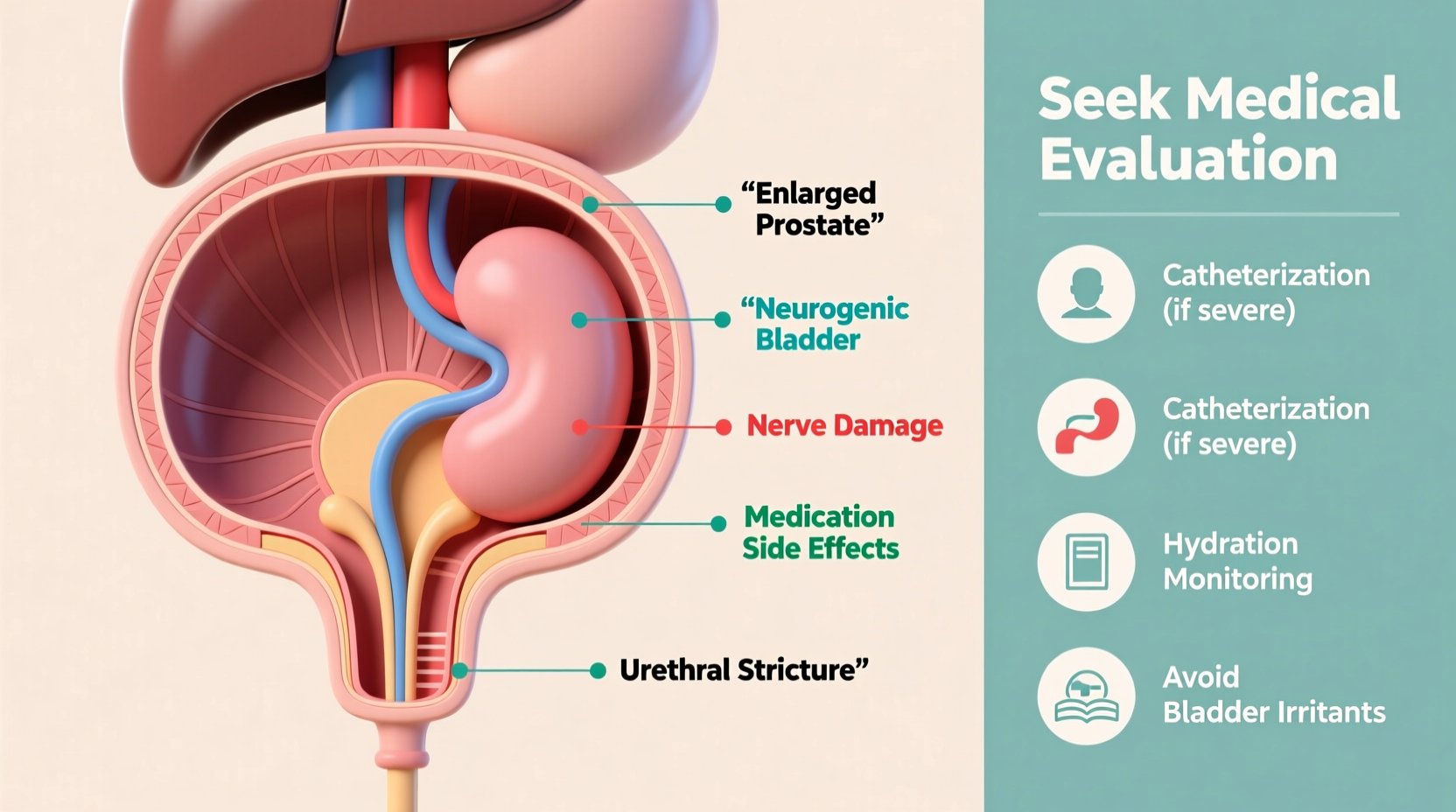
Urinary retention occurs when the bladder fails to empty completely or at all. It is categorized into two types:
- Acute urinary retention – Sudden and painful inability to urinate. This is a medical emergency requiring immediate treatment.
- Chronic urinary retention – A gradual condition where the bladder doesn’t fully empty over time. Symptoms may be subtle but can lead to complications like infections or kidney damage.
Symptoms of acute retention include severe lower abdominal pain, urgency with no output, and restlessness. Chronic cases may present with frequent urination, weak stream, or a constant feeling of fullness in the bladder.
“Acute urinary retention is one of the most common urological emergencies. Delaying treatment can result in bladder rupture or kidney failure.” — Dr. Alan Reyes, Urologist, Massachusetts General Hospital
Common Causes of Inability to Pee
Several physiological, neurological, and lifestyle-related factors can interfere with normal bladder function. The most frequent causes include:
1. Prostate Enlargement (Benign Prostatic Hyperplasia)
In men over 50, an enlarged prostate is the leading cause of urinary retention. The prostate surrounds the urethra, and when it grows, it can compress the urinary passage, making it difficult or impossible to urinate.
2. Medications
Certain drugs interfere with nerve signals to the bladder or increase resistance in the urinary tract. These include:
- Antihistamines
- Decongestants (e.g., pseudoephedrine)
- Antidepressants (especially tricyclics)
- Antipsychotics
- Opioid painkillers
3. Neurological Disorders
Conditions affecting the nervous system can disrupt communication between the brain and bladder. Examples include:
- Multiple sclerosis
- Spinal cord injuries
- Parkinson’s disease
- Diabetes (causing nerve damage)
4. Urinary Tract Obstructions
Blockages anywhere along the urinary tract can prevent urine flow. Causes include:
- Bladder stones
- Urethral strictures (narrowing due to scar tissue)
- Tumors in the bladder, prostate, or pelvic region
5. Post-Surgical or Anesthetic Effects
After surgery—especially involving the pelvis, spine, or under general anesthesia—temporary urinary retention is common. Anesthesia can suppress nerve activity, and post-op pain medications may further impair bladder control.
Tip: If you're scheduled for surgery, discuss urinary risks with your anesthesiologist, especially if you have a history of prostate issues.What to Do If You Can't Pee: Immediate Steps
If you’re experiencing sudden inability to urinate accompanied by pain or bloating, act quickly. Here’s a step-by-step guide:
- Stay calm – Anxiety can worsen muscle tension, including in the pelvic floor, which may block urine flow.
- Try relaxation techniques – Sit comfortably, take deep breaths, and focus on relaxing your pelvic muscles.
- Use running water or warm stimuli – Turn on a faucet or place a warm towel over the lower abdomen. The sound and warmth may trigger the urge to void via conditioned reflex.
- Change positions – Try standing up if you were sitting, or squatting over the toilet. Some positions improve urethral alignment.
- Avoid caffeine and alcohol – These can irritate the bladder without helping empty it.
- Seek emergency care if no relief within 4–6 hours – Prolonged retention can stretch the bladder beyond safe limits.
Medical Treatments and Interventions
When self-help measures fail, medical intervention is necessary. Treatment depends on whether the retention is acute or chronic.
For Acute Retention
The primary treatment is catheterization:
- Foley catheter: Inserted through the urethra to drain the bladder immediately.
- Suprapubic catheter: Placed directly into the bladder through the abdomen if urethral access is blocked.
After drainage, doctors will investigate the underlying cause with tests such as:
- Ultrasound of the bladder and kidneys
- Urinalysis and culture
- Prostate-specific antigen (PSA) test
- Urodynamic studies (to assess bladder pressure and function)
For Chronic Retention
Long-term management may involve:
- Medications like alpha-blockers (e.g., tamsulosin) to relax prostate and bladder neck muscles.
- Intermittent self-catheterization if nerve damage prevents proper emptying.
- Surgery (e.g., TURP – transurethral resection of the prostate) for obstructive prostate enlargement.
| Cause | Treatment Options | Time to Relief |
|---|---|---|
| Enlarged Prostate | Alpha-blockers, 5-alpha reductase inhibitors, TURP | Days to weeks (medication), immediate (surgery) |
| Medication-induced | Discontinuation or substitution of drug | Hours to days after stopping |
| Neurogenic Bladder | Catheterization, neuromodulation, botox injections | Ongoing management required |
| Urethral Stricture | Dilation, stents, or surgical repair | Immediate to several weeks |
Real-Life Scenario: When Ignoring Symptoms Led to Crisis
John, a 62-year-old man with a known enlarged prostate, started noticing he had to strain to urinate and often felt incomplete emptying. He dismissed it as “part of aging.” One evening, after taking cold medicine containing pseudoephedrine, he suddenly couldn’t urinate at all. After six hours of worsening pain, he went to the ER.
Doctors found his bladder held over 1,200 mL of urine (normal capacity is 400–600 mL). He was catheterized and later diagnosed with medication-exacerbated retention due to BPH. John required a week of catheter use and eventually underwent a TURP procedure. His case highlights how seemingly minor symptoms can escalate quickly when combined with risk factors.
Prevention and Long-Term Management Checklist
To reduce the risk of urinary retention, especially if you’re at higher risk due to age, gender, or medical history, follow this checklist:
- ✅ Review all medications with your doctor for urinary side effects.
- ✅ Limit decongestants and antihistamines unless absolutely necessary.
- ✅ Stay hydrated—but avoid excessive fluid intake before bedtime.
- ✅ Practice double voiding: After urinating, wait a moment, then try again to ensure full emptying.
- ✅ Monitor prostate health with regular checkups if you’re over 50.
- ✅ Seek early evaluation for any changes in urinary stream or frequency.
Frequently Asked Questions
Can dehydration cause urinary retention?
No—dehydration reduces urine production but doesn’t typically cause retention. However, severely low fluid intake can concentrate urine and irritate the bladder, mimicking retention symptoms. True retention involves the inability to pass urine despite a full bladder.
Is urinary retention dangerous?
Yes, especially in acute cases. A distended bladder can back up pressure into the kidneys, causing hydronephrosis and potential kidney damage. Infection risk also increases due to stagnant urine. Immediate treatment is critical.
Can women experience urinary retention?
Yes, though less commonly than men. Causes in women include pelvic organ prolapse, nerve damage from childbirth, spinal conditions, or post-surgical complications. Urethral narrowing or psychological factors can also contribute.
Conclusion: Don’t Wait Until It’s Too Late
Being unable to pee is not something to ignore or “push through.” Whether due to medication, prostate issues, or neurological conditions, timely recognition and action can prevent serious complications. Listen to your body. If you feel persistent difficulty urinating, consult a healthcare provider before it becomes an emergency. For those with recurring symptoms, proactive management can restore comfort and protect long-term urinary health.
💬 Have you or someone you know experienced urinary retention? Share your story or questions in the comments—your insight could help others recognize warning signs sooner.