The Oregon Coast stretches over 360 miles of rugged cliffs, windswept beaches, dense coastal forests, and unpredictable weather. Camping here isn’t just about setting up a tent—it’s an immersion in raw natural beauty that demands thoughtful preparation. From sudden fog rolls to chilly nights and damp mornings, your gear can make or break the trip. Choosing the right equipment ensures comfort, safety, and a deeper connection with one of the most dynamic landscapes in the Pacific Northwest.
Understanding the Oregon Coast Environment
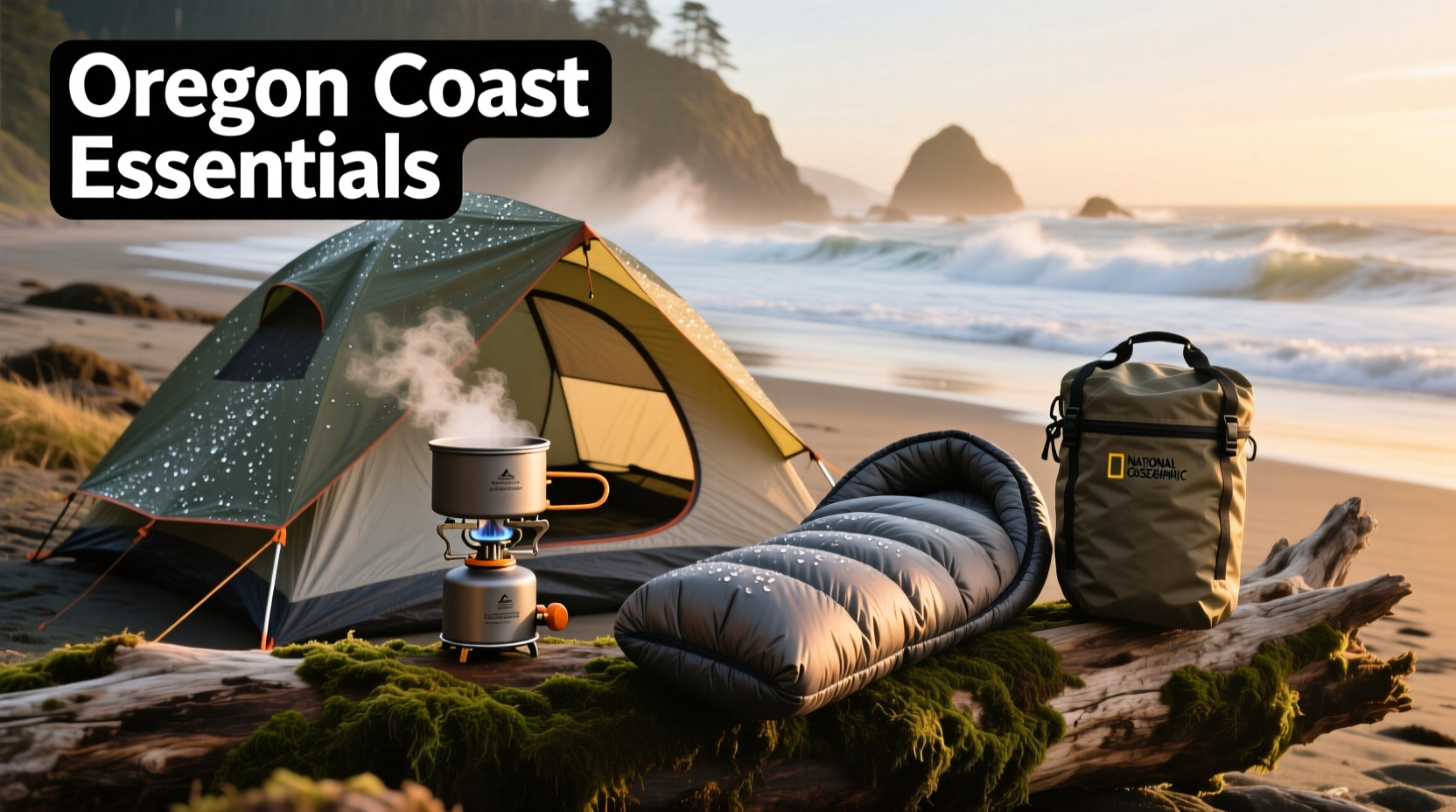
Camping along the Oregon Coast means contending with microclimates. One moment you’re basking in golden sunlight on Cannon Beach, and the next you’re pulling out a rain jacket as fog sweeps in from the Pacific. Coastal temperatures rarely exceed 70°F (21°C) even in summer, and nighttime lows can dip into the 40s (4–9°C). Persistent moisture, salt spray, and strong coastal winds are common. These conditions require gear built for breathability, durability, and quick drying.
Most campers choose between established state parks like Cape Lookout or Nehalem Bay, dispersed beach camping (where permitted), or forested sites near Tillamook or Gold Beach. Each setting presents unique challenges: sandy soils affect tent anchoring, high humidity impacts sleep systems, and limited shelter calls for wind-resistant setups.
Tip: Always check tide schedules before setting up camp on the beach—some areas become inaccessible at high tide.Essential Gear Categories and Top Picks
Selecting gear isn’t about buying the most expensive items but choosing the right tools for this specific environment. Below are critical categories with tested recommendations suited for Oregon’s coastal conditions.
Shelter: Tents That Stand Up to Wind and Damp
A four-season or all-weather tent is ideal. Look for double-wall construction, robust poles, and full-coverage rainflies. Freestanding dome tents offer stability in gusty conditions.
- Recommended: MSR Hubba Hubba NX 2 – Lightweight, excellent ventilation, and proven performance in coastal drizzle.
- Budget Pick: Coleman Sundome Dome – Affordable and reliable for short trips if staked securely.
- Durability Choice: Hilleberg Nallo 2 – Premium investment with unmatched storm resistance.
Sleep System: Staying Warm When It’s Damp
Moisture saps warmth quickly. A sleeping bag alone won’t cut it. Layer smartly with a quality sleeping pad (R-value ≥3.0) and a vapor-barrier liner if using down insulation.
| Gear Type | Top Pick | Why It Works |
|---|---|---|
| Sleeping Bag | Marmot Trestles 15 (Synthetic) | Synthetic insulation retains warmth when wet—critical on the coast. |
| Sleeping Pad | Therm-a-Rest NeoAir XLite | R-value of 4.5; compact and highly insulating against cold ground. |
| Pillow | NEMO Fillo Elite | Supportive, packable, and easy to wipe down after salty air exposure. |
Cooking and Food Storage
Open flames may be restricted seasonally due to fire risk. A compact backpacking stove is often the safest bet. Bring a windscreen and consider liquid fuel stoves (like the MSR WhisperLite) for reliability in wet conditions.
Wildlife—including raccoons and birds—can be aggressive around food. Use bear-proof containers even if bears are rare; they’re effective against smaller pests too.
“On the Oregon Coast, your food storage strategy matters as much as your tent. I’ve seen campsites trashed by gulls that smelled trail mix through zippers.” — Ranger Lisa Tran, Siuslaw National Forest
Layered Clothing Strategy for Variable Conditions
Dressing in moisture-wicking layers is non-negotiable. Cotton is a liability—it holds water and accelerates heat loss. Instead, build a system:
- Base Layer: Merino wool (e.g., Smartwool or Icebreaker) regulates temperature and resists odor.
- Mid Layer: Fleece jacket or lightweight insulated vest for core warmth.
- Outer Layer: Waterproof and breathable shell (e.g., Patagonia Torrentshell or Arc’teryx Beta LT).
Don’t forget accessories: waterproof gloves, a warm beanie, and quick-dry hiking socks (Woolrich or Darn Tough). Pack extra socks—you’ll likely get your feet wet crossing tidal zones or morning dew-covered trails.
Footwear: Grip, Drainage, and Protection
Hiking boots with ankle support and aggressive tread (e.g., Salomon X Ultra 4 or Oboz Sawtooth) work well on rocky headlands and muddy forest paths. For beach walking, consider amphibious shoes like Teva Hurricane XLT2—they drain water and handle sharp shells.
Tip: Rotate footwear during longer trips to let each pair dry fully and prevent blisters.Real-World Example: A Weekend at Cape Kiwanda
Last fall, a group of three campers set up near Pacific City’s dunes. They brought lightweight three-season tents but underestimated the wind. By midnight, two tents had partially collapsed due to poor anchoring. One camper used a foam pad and cotton sweatshirt as insulation and woke shivering at 3 a.m. The third, better prepared with a synthetic sleeping bag, closed-cell pad under her inflatable, and sandbagged tent corners, slept soundly.
Their takeaway? Coastal camping rewards redundancy. “We thought we were packing light,” said Alex Rivera, who led the trip. “But next time, I’m bringing a tarp fly even if the forecast says sunny. That mist creeps into everything.”
Step-by-Step: Preparing Your Gear Kit in 7 Days
Give yourself a week to assemble and test your setup. Follow this timeline to avoid last-minute scrambles:
- Day 7: Review checklist and inventory current gear. Identify gaps.
- Day 6: Purchase or rent missing items (e.g., stove, sleeping pad).
- Day 5: Charge power banks, inspect headlamps, and replace expired batteries.
- Day 4: Test your tent setup in the backyard. Confirm all stakes and poles are present.
- Day 3: Wash and pack clothing layers. Seal food in odor-proof bags.
- Day 2: Pre-cut firewood (if allowed), fill fuel canisters, print tide charts.
- Day 1: Pack vehicles early. Double-check permits and park reservations.
Do’s and Don’ts of Coastal Camping
| Do | Don't |
|---|---|
| Use sand anchors or bury stuff sacks to secure tents | Rely only on thin metal stakes in loose sand |
| Bring a footprint or tarp under your tent | Set up directly on wet sand without ground protection |
| Pack quick-dry towels and mesh laundry bags | Store damp gear in sealed plastic—mold grows fast |
| Check burn bans and fire regulations daily | Assume campfires are allowed year-round |
Frequently Asked Questions
Can I camp on the beach anywhere along the Oregon Coast?
No. While some beaches allow seasonal or dispersed camping (e.g., Oceanside, north of Lincoln City), many areas restrict overnight stays. Always verify with the Oregon Parks and Recreation Department or local ranger stations. Permits are required in certain zones.
Is a tarp necessary if I have a rainfly?
Yes. A standalone tarp adds an extra layer of protection from blowing mist and provides covered outdoor space during rain. Set it up between trees or use trekking poles to create a vestibule extension.
How do I keep my gear from getting salty and corroded?
Rinse metal components (zippers, buckles, tent poles) with fresh water after trips. Store gear in breathable cotton sacks, not sealed plastic. Wipe down tents before packing to remove salt residue.
Final Checklist Before You Go
- ✅ Valid camping permit or reservation
- ✅ All-weather tent with footprint and sand anchors
- ✅ Sleeping bag (synthetic recommended) + insulated pad (R-value ≥3.0)
- ✅ Moisture-wicking clothing layers (no cotton)
- ✅ Portable stove, fuel, and windscreen
- ✅ Bear-safe food container or hanging kit
- ✅ Headlamp with spare batteries
- ✅ First-aid kit, multi-tool, and emergency whistle
- ✅ Tide chart and local fire regulation update
- ✅ Reusable water bottles or filtration system (e.g., Sawyer Squeeze)
Conclusion
The Oregon Coast offers some of the most breathtaking camping in the West—but its beauty comes with responsibility and preparation. The right gear transforms potential discomfort into lasting memories: watching sunsets over Haystack Rock, waking to the crash of waves, or sharing stories under a sky thick with stars. By choosing durable, weather-smart equipment and respecting the coastal ecosystem, you position yourself not just to survive the elements, but to thrive within them.
🚀 Ready for your coastal adventure? Gather your gear, run through the checklist, and hit the road with confidence. Share your favorite Oregon Coast camping tip in the comments below!








