
Campervans have surged in popularity over the past decade, symbolizing freedom, adventure, and a minimalist lifestyle. Yet many aspiring travelers and outdoor enthusiasts are stunned by the steep price tags—often exceeding $100,000 for new models. Why are campervans so expensive, and more importantly, what realistic, budget-friendly alternatives exist? This article breaks down the economic, logistical, and market-driven factors behind high prices and offers practical, lower-cost solutions for those who want mobility without financial strain.
Why Campervans Cost So Much
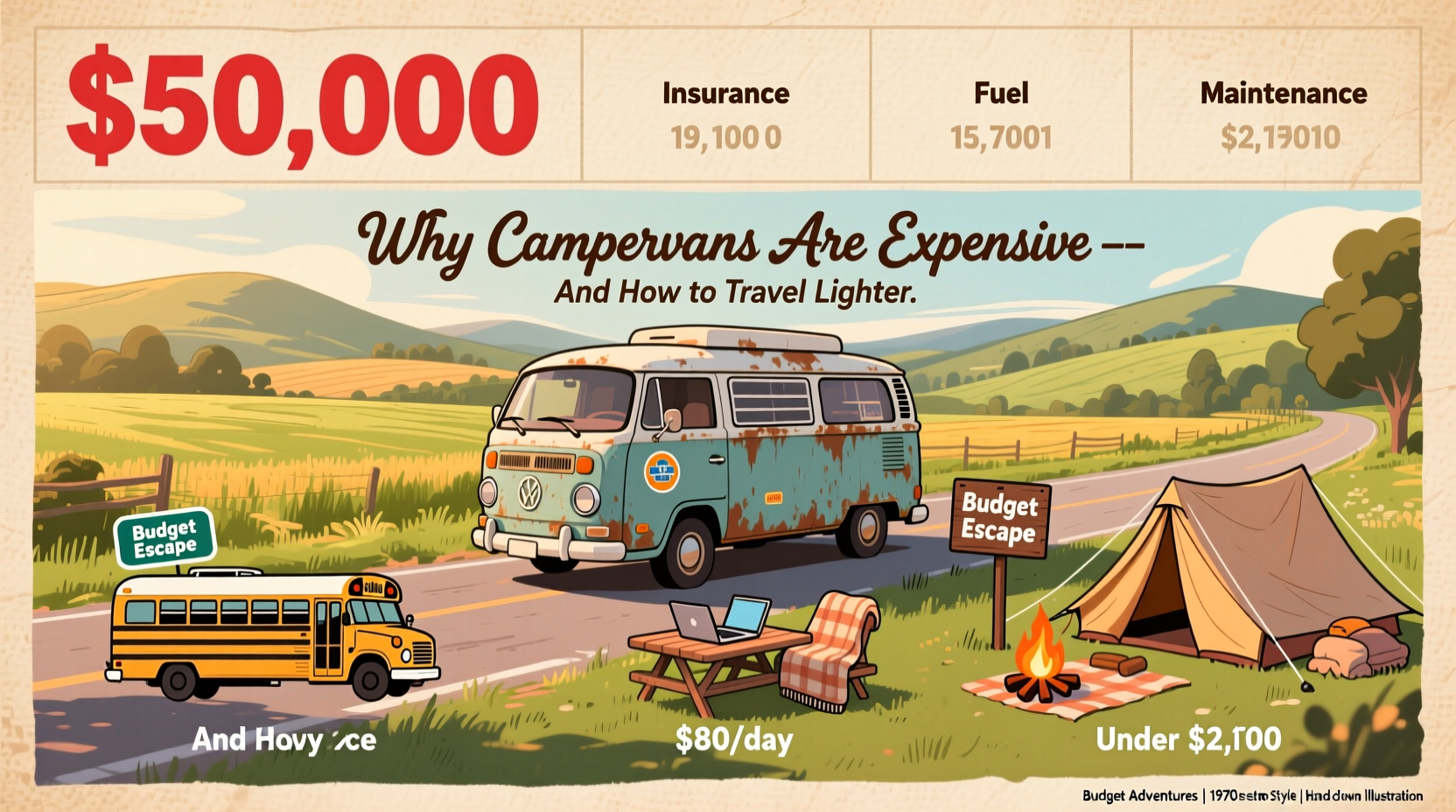
The base vehicle is just the beginning. A standard cargo van like a Mercedes-Benz Sprinter or Ram Promaster may start around $40,000, but once converted into a livable space with insulation, plumbing, electrical systems, kitchen units, and sleeping areas, the final cost skyrockets. Conversion labor alone can add $50,000 or more, especially when done by professional builders with premium materials.
Supply chain constraints have also played a role. The global semiconductor shortage and rising material costs (e.g., aluminum, lithium batteries) during and after the pandemic disrupted production timelines and inflated prices. Limited competition in the commercial van segment means manufacturers face little pressure to reduce margins.
“Custom conversions require skilled craftsmanship, specialized parts, and rigorous safety standards—each layer adds cost.” — Daniel Reeves, Vanlife Build Consultant
Demand has outpaced supply. The rise of remote work and social media-fueled wanderlust created a cultural shift toward mobile living. Platforms like YouTube and Instagram showcase luxurious, fully-equipped vans, driving consumer expectations—and prices—higher.
Tip: Used campervans often retain 70–80% of their value in the first three years—buying slightly older models can save tens of thousands.Hidden Costs Behind the Price Tag
Beyond build materials and labor, several hidden factors contribute to high pricing:
- Regulatory compliance: Certified conversions must meet safety, emissions, and sometimes even RV codes, increasing development time and testing expenses.
- Warranty and support: Reputable builders include service networks and multi-year warranties, which are factored into upfront pricing.
- Low-volume manufacturing: Unlike mass-market cars, most campervans are hand-built in small batches, eliminating economies of scale.
- Technology integration: Solar panels, lithium batteries, inverters, and smart climate control systems are now standard in mid-to-high-end models, each adding significant cost.
A single 100Ah lithium battery can cost $1,200, while a full solar setup (panels, charge controller, mounting hardware) may exceed $3,000. These aren’t luxuries—they’re necessities for off-grid functionality.
Budget-Friendly Alternatives to Expensive Campervans
You don’t need a six-figure investment to enjoy life on the road. Several practical, lower-cost options deliver similar freedom and comfort.
1. DIY Van Conversion
Converting a cargo van yourself is the most effective way to cut costs. By sourcing used vans and doing the work incrementally, total build costs can stay under $20,000—even as low as $10,000 with careful planning and secondhand materials.
Popular starter vans include:
| Van Model | Avg. Purchase Price | Recommended For |
|---|---|---|
| Ford Transit (used) | $12,000–$20,000 | Beginners, moderate builds |
| Ram Promaster City | $8,000–$15,000 | Compact solo travelers |
| Nissan NV200 | $6,000–$10,000 | Minimalist urban adventurers |
| Chevy Express | $7,000–$14,000 | Larger builds on a budget |
Online communities like VanLife Forum and Reddit’s r/VanLife offer free plans, troubleshooting advice, and vendor recommendations, reducing the learning curve.
2. Used or Older Models
Purchasing a lightly used camper van from 2015–2018 can save 30–50% compared to new. Many still have reliable mileage and functional systems. Focus on brands like Westfalia, Sportsmobile, or Pleasure-Way, known for durability.
Inspect thoroughly: check for water damage, rust, electrical issues, and propane system integrity. A pre-purchase inspection by a qualified mechanic is worth the $200–$300 fee.
3. Pop-Up Trailers and Teardrops
These compact towables offer campervan-like experiences at a fraction of the cost. A quality teardrop trailer ranges from $5,000–$12,000, while pop-up campers like the Timberleaf or Nest Outdoors run $15,000–$25,000.
They’re lightweight, aerodynamic, and easy to store. Pair one with a fuel-efficient SUV or truck, and you maintain flexibility without needing a full-sized van.
4. Car Camping with Modular Gear
For solo travelers or couples, a well-equipped car can function like a mini-campervan. Use roof tents ($800–$2,000), fold-out kitchens, portable power stations, and interior organization systems.
This approach keeps your daily driver functional while enabling spontaneous overnight trips. Total setup cost: under $4,000 if using existing gear.
Step-by-Step Guide to Building an Affordable Mobile Setup
- Define your needs: Will you live full-time or weekend trip? Solo or with family? This determines size and features.
- Set a realistic budget: Include vehicle, conversion materials, tools, and contingency (add 15% extra).
- Choose a donor van: Prioritize reliability, fuel efficiency, and headroom. Avoid vans with known transmission issues.
- Design layout: Sketch sleeping, storage, and optional kitchen/toilet zones. Use free tools like SketchUp or Floorplanner.
- Source materials: Buy insulation, plywood, and fixtures from salvage yards or online marketplaces.
- Build in phases: Start with insulation and flooring, then progress to walls, bed, and utilities.
- Test systems: Run electrical loads, test ventilation, and simulate off-grid use before long trips.
Real-World Example: Sarah’s $14,500 Ford Transit Build
Sarah, a freelance photographer from Colorado, wanted a mobile base for national park shoots. Instead of buying a $90,000 luxury van, she purchased a 2017 Ford Transit 150 with 85,000 miles for $16,000—then sold her old sedan to fund the project.
Over six months, she completed a simple but functional build: foam insulation, pine paneling, a fold-down table, rooftop solar (200W), and a Dometic CFX3 fridge. She sourced cabinets from a discarded office desk and used a repurposed marine battery. Total spend: $14,500 including tools.
“I didn’t need a shower or microwave,” she says. “I needed warmth, power for my gear, and a place to sleep after sunset shoots. This van does that perfectly.”
Checklist: Key Steps Before Buying or Building
- ✅ Assess how often you’ll travel and with whom
- ✅ Determine towing capacity if considering trailers
- ✅ Research local parking and overnight laws
- ✅ Test-drive multiple van models for comfort and visibility
- ✅ Get quotes for professional builds to benchmark DIY savings
- ✅ Budget for registration, insurance, and maintenance
- ✅ Join online forums for real-world feedback
Frequently Asked Questions
Can I live in a campervan full-time on a budget?
Yes, but it requires discipline. A DIY-converted van under $25,000, combined with boondocking, membership-based campgrounds (like Harvest Hosts), and part-time remote work, makes full-time van life financially viable.
Are there financing options for used campervans?
Traditional lenders are cautious about self-converted vans, but credit unions and specialty RV lenders may offer loans for factory-built or certified models. Some peer-to-peer lending platforms also cater to alternative vehicles.
How do I reduce ongoing costs?
Use public restrooms and showers instead of installing wet baths. Boondock instead of paying for hookups. Maintain your vehicle regularly to avoid major repairs. Cook simple meals to save on fuel and supplies.
Conclusion: Freedom Doesn’t Have to Be Expensive
The dream of hitting the open road shouldn’t be reserved for those with deep pockets. While modern campervans come with premium price tags driven by demand, complexity, and limited supply, affordable alternatives exist for every type of traveler. Whether you convert a used van, adopt modular car camping, or choose a compact trailer, the essence of van life—freedom, simplicity, and connection to nature—remains intact.
🚀 Ready to start your journey? Begin with a clear plan, research your options, and take your first step—whether it’s browsing used vans or sketching a layout. The road is waiting, no six-figure budget required.








