For generations, Campbell's Tomato Bisque Soup has stood as a pantry staple in American households—a symbol of comfort, convenience, and consistent flavor. Whether enjoyed straight from the can with a grilled cheese sandwich or used as a base for more complex dishes, its presence in home kitchens reflects both cultural tradition and culinary utility. More than just a canned soup, Campbell’s Tomato Bisque serves functional roles across cooking spectrums—from quick weeknight meals to professional kitchen shortcuts. This detailed analysis explores its composition, sensory profile, applications in cooking, available variants, and how it compares to alternatives, providing readers with authoritative insight into one of the most recognizable soups on supermarket shelves.
Definition & Overview
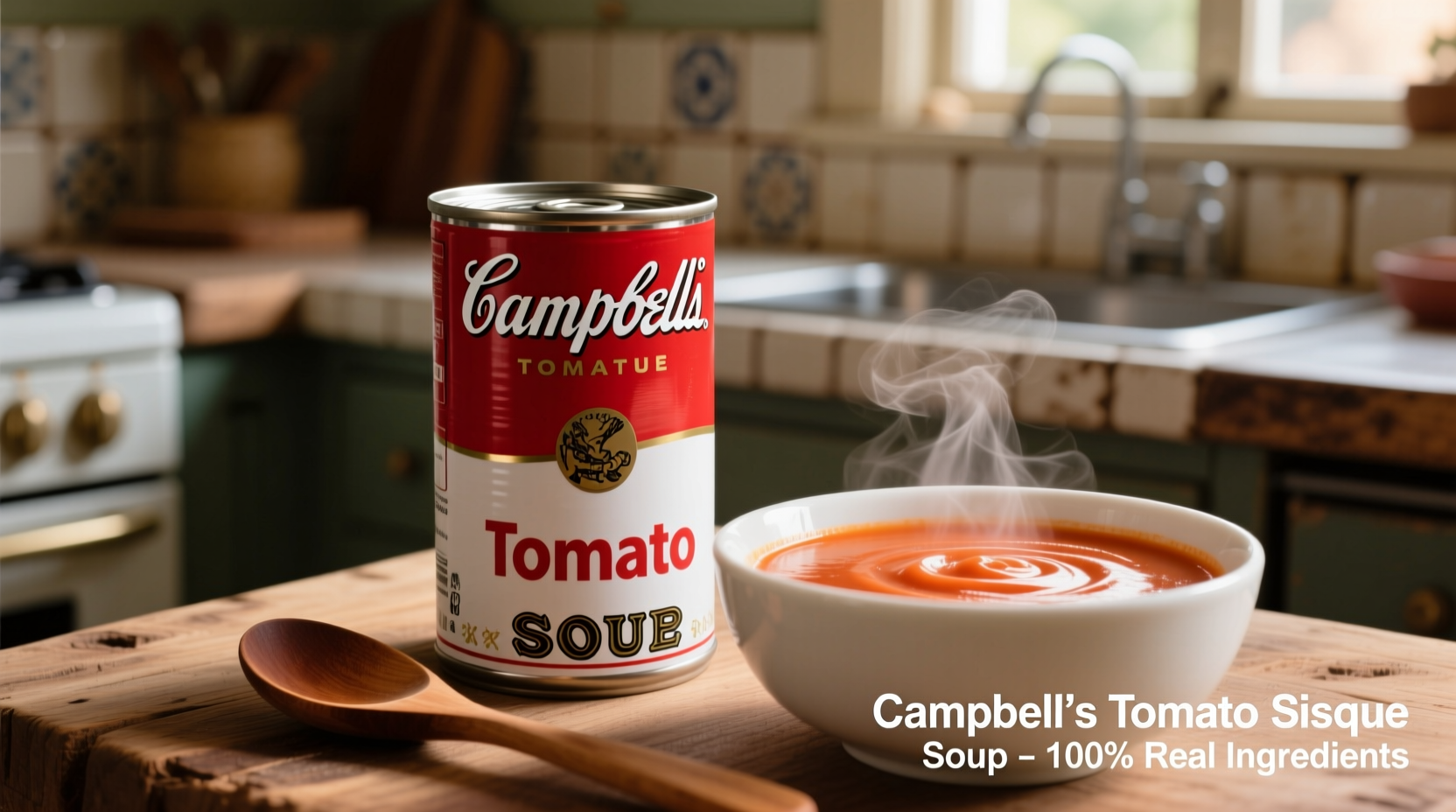
Campbell's Tomato Bisque Soup is a condensed, shelf-stable canned tomato-based soup produced by the Campbell Soup Company, first introduced in 1897. It is classified as a \"bisque\" in name only; unlike traditional French bisques—rich, creamy soups typically made from shellfish and thickened with rice or crustacean shells—Campbell’s version is a dairy-enriched tomato soup designed for home preparation by diluting with water or milk. The term “bisque” here functions more as a marketing descriptor implying creaminess rather than adherence to classical culinary technique.
The soup is built around tomato puree derived from concentrated tomatoes, enhanced with sugar, salt, modified food starch, and dairy components such as cream and butter. Its signature deep red color, smooth texture, and balanced sweet-tangy flavor distinguish it from plain tomato soup, though it remains less complex than slow-simmered artisanal versions. Despite its simplicity, Campbell’s Tomato Bisque plays a vital role in modern cooking due to its accessibility, long shelf life, and versatility as both a standalone dish and an ingredient in composite recipes.
Key Characteristics
| Attribute | Description |
|---|---|
| Flavor Profile | Balanced sweetness with mild acidity; subtle umami depth from tomato concentrate and dairy notes from cream and butter. |
| Aroma | Warm, cooked tomato scent with faint buttery richness and a hint of spice (notably celery seed). |
| Color & Texture | Vibrant brick-red hue; smooth, slightly viscous when reconstituted due to modified starch thickening. |
| Culinary Function | Base for sauces, soups, stews; standalone comfort food; binder in casseroles and dips. |
| Shelf Life (Unopened) | Typically 2–3 years when stored in a cool, dry place away from direct heat. |
| Dairy Content | Contains milk ingredients (cream, butter, sodium caseinate); not suitable for strict dairy-free diets. |
| Sodium Level | Relatively high—approximately 760 mg per serving (½ cup prepared), requiring consideration in sodium-sensitive diets. |
Practical Usage & Cooking Applications
Campbell's Tomato Bisque Soup excels not only as a ready-to-eat meal but also as a multifunctional ingredient in broader culinary contexts. When diluted with equal parts water or milk, one can yields about four servings of soup. Using milk instead of water enhances creaminess and mellows acidity, producing a richer mouthfeel that closely mimics homemade bisque.
In home cooking, the soup integrates seamlessly into time-saving strategies:
- Grilled Cheese Companion: Served warm alongside toasted cheese sandwiches, this pairing defines American comfort cuisine. The contrast of crispy bread and sharp cheddar against the smooth, warm soup creates a textural and thermal balance cherished across age groups.
- Sauce Base: Used as a foundation for pasta sauces, especially in rustic dishes like baked ziti or sausage-tomato skillets. One cup of reconstituted bisque replaces half a jar of marinara, adding body and richness without additional fat or reduction time.
- Casserole Binder: Mixed with ground meat, vegetables, and starches (such as tater tots or noodles), it acts as a flavorful binder in shepherd’s pie-style dishes or green bean casseroles where extra moisture and flavor are needed.
- Stew Enhancer: Added to lentil, bean, or vegetable stews, it boosts tomato intensity and adds natural thickening properties, reducing reliance on roux or cornstarch.
- Dip Modifier: Blended with sour cream, Parmesan, and herbs, it becomes a warm dip for breadsticks or roasted potatoes—ideal for casual entertaining.
Pro Tip: For improved depth, sauté fresh garlic and onions before stirring in the soup. Simmering for 5–7 minutes after dilution allows flavors to meld and reduces any metallic aftertaste sometimes associated with canned products. A splash of balsamic vinegar or Worcestershire sauce at the end brightens the profile significantly.
Professionally, chefs occasionally use condensed tomato bisque in back-of-house operations where consistency and speed matter—such as staff meals, catering bases, or children’s menus. While not standard in fine dining, its reliability makes it useful during high-volume service when scratch-made stocks aren't feasible.
Variants & Types
Campbell's offers several iterations of its Tomato Bisque Soup, tailored to different dietary preferences and market demands. Understanding these variations ensures appropriate selection based on nutritional goals and culinary needs.
- Classic Condensed Tomato Bisque: The original formulation—requires dilution with water or milk. Highest in sodium and contains dairy. Ideal for general use and recipe integration.
- Healthy Request (Lower Sodium) Version: Contains approximately 480 mg of sodium per serving—nearly 40% less than the classic. Uses alternative thickeners and flavor enhancers to maintain texture while reducing salt. Suitable for heart-conscious consumers.
- Chunky Tomato Bisque: Features visible pieces of tomato and vegetables, offering a more rustic texture. Less commonly found but valued for visual appeal in certain presentations.
- Organic Tomato Bisque (under Campbell’s Organic line): Made with certified organic tomatoes and dairy, free from synthetic preservatives and GMOs. Pricier but preferred by health-focused buyers.
- Ready-to-Eat Microwaveable Cups: Single-serve portions pre-diluted and packaged for convenience. Often contain stabilizers and gums to preserve texture during microwaving. Best for office lunches or travel.
| Variant | Serving Format | Dairy? | Sodium (per ½ cup prepared) | Best Use Case |
|---|---|---|---|---|
| Classic Condensed | Can (dilute) | Yes | 760 mg | Cooking, family meals |
| Healthy Request | Can (dilute) | Yes | 480 mg | Low-sodium diets |
| Organic | Can (dilute) | Yes | ~700 mg | Natural/organic eating |
| Ready-to-Eat Cup | Single-serve cup | Yes | Approx. 600 mg | On-the-go consumption |
Comparison with Similar Ingredients
Campbell’s Tomato Bisque is often confused with other tomato-based products, but key differences affect substitution potential and culinary outcomes.
| Product | Differences from Campbell’s Tomato Bisque | Substitution Feasibility |
|---|---|---|
| Regular Canned Tomato Soup | Less creamy, lower fat content, thinner texture. May lack butter/cream notes. | Moderate—can be enriched with dairy to mimic bisque. |
| Tomato Passata / Puree | Unseasoned, no added dairy or starch. More acidic and raw-tasting unless cooked. | Limited—requires seasoning, thickening, and enrichment to match bisque. |
| Homemade Tomato Bisque | Typically includes roasted tomatoes, fresh herbs, heavy cream, and onion/garlic base. Lower sodium, deeper flavor complexity. | Possible replacement, but changes dish character; homemade lacks shelf stability. |
| Marinara Sauce | Thicker, higher in herbs (oregano, basil), often contains garlic and olive oil. Not creamy. | Poor substitute—too robust and oily; alters intended texture and flavor balance. |
| V8 Juice (Tomato-Based) | Thin, cold beverage format; contains vegetable juice blend. No thickener or dairy. | Not recommended—lacks viscosity and richness essential to bisque function. |
“The genius of Campbell’s Tomato Bisque lies not in its sophistication, but in its functional predictability. In a world of variable ingredients, having a consistently flavored, shelf-stable tomato base saves time and reduces cognitive load in meal planning.” — Chef Elena Martinez, Culinary Instructor, Institute of Applied Gastronomy
Practical Tips & FAQs
Can I freeze Campbell’s Tomato Bisque Soup?
Freezing is not recommended for unopened cans due to expansion risks. Once opened and prepared, leftovers can be frozen for up to two months, though separation of dairy may occur. Reheat gently over low heat and whisk thoroughly to restore texture.
Is Campbell’s Tomato Bisque gluten-free?
Yes, all major variants—including Classic, Healthy Request, and Organic—are labeled gluten-free. They do not contain wheat, barley, rye, or derivatives. However, always verify current packaging for allergen statements, as formulations may change.
How can I reduce the sodium content?
Dilute with unsalted broth or water instead of the recommended ratio. Add potassium-rich ingredients like white beans or spinach to counterbalance electrolytes. Pair with low-sodium sides (e.g., steamed vegetables) to keep overall meal sodium in check.
What are common substitutions if I don’t have Campbell’s Tomato Bisque?
A close approximation: combine 1 cup tomato sauce, ¼ cup heavy cream, 1 tbsp butter, 1 tsp sugar, and ½ tsp salt. Simmer for 10 minutes. Adjust thickness with a cornstarch slurry if needed. For condensed equivalents, reduce liquid accordingly.
Why does my soup taste metallic?
This perception can stem from prolonged storage near heat sources, interaction with can lining, or oxidation. To mitigate, stir in a pinch of baking soda (neutralizes acidity) or add a small grated carrot during heating (natural sweetness offsets harshness).
Can I use almond milk or oat milk instead of dairy?
Yes, plant-based milks work well for dilution, especially barista blends fortified with oils and stabilizers. Avoid thin varieties that curdle under heat. Expect a slightly nuttier or grainier profile depending on the milk used.
Does it contain artificial preservatives?
The classic version uses citric acid and disodium phosphate primarily for pH control and emulsification—not long-term preservation. Shelf stability comes from thermal processing during canning. No parabens or sulfites are listed in the ingredient panel.
How does it compare nutritionally to homemade?
Per serving (½ cup prepared), Campbell’s provides about 100 calories, 4g fat, 14g carbohydrates, and 2g protein. Homemade versions using whole cream and fresh tomatoes tend to be higher in fat and calories but offer superior micronutrient density (lycopene, vitamin C). Campbell’s delivers convenience at the cost of some nutritional nuance.
Storage Tip: After opening, transfer unused portion to an airtight container and refrigerate immediately. Consume within 3–4 days. Never store opened soup in the can, as metal ions can leach into the food, affecting taste and safety.
Summary & Key Takeaways
Campbell's Tomato Bisque Soup remains a cornerstone of convenient American cooking—not because it rivals gourmet preparations, but because it reliably delivers flavor, texture, and functionality in a fraction of the time. Its defining traits—creamy consistency, balanced sweet-acid profile, and dairy enrichment—set it apart from basic tomato soups and make it uniquely suited for both direct consumption and culinary repurposing.
Understanding its variants allows informed choices based on health considerations, including reduced-sodium and organic options. While not a substitute for slow-cooked, herb-infused bisques, it serves admirably as a starting point for improvisation. With simple enhancements—sautéed aromatics, fresh herbs, acid adjustments—it transcends its processed origins and integrates into elevated dishes.
From school lunches to emergency pantry meals, from casserole binders to sauce extenders, Campbell’s Tomato Bisque continues to demonstrate enduring relevance. Its legacy is not merely nostalgic; it reflects a practical solution to real-world cooking constraints—affirming that even the simplest ingredients can play significant roles in daily nourishment.
Explore your next meal with intention: use Campbell’s Tomato Bisque not as an endpoint, but as a launchpad for creativity in the kitchen.









