In a world where personal style extends to every accessory we own, the humble phone case has become a canvas for self-expression. From rugged camo patterns to sleek designer logos, your choice of case says something about who you are—or at least how you want to be seen. But beneath the surface, a critical question lingers: when you choose a designer case over a tactical camo one, are you actually getting better protection, or just paying more for a brand name?
This isn’t just about aesthetics. It’s about value. With some designer cases costing upwards of $80—nearly ten times the price of a basic camo model—it’s worth asking whether that premium is justified by performance, materials, or innovation, or if it’s purely cosmetic.
The Rise of the Fashion-Forward Phone Case
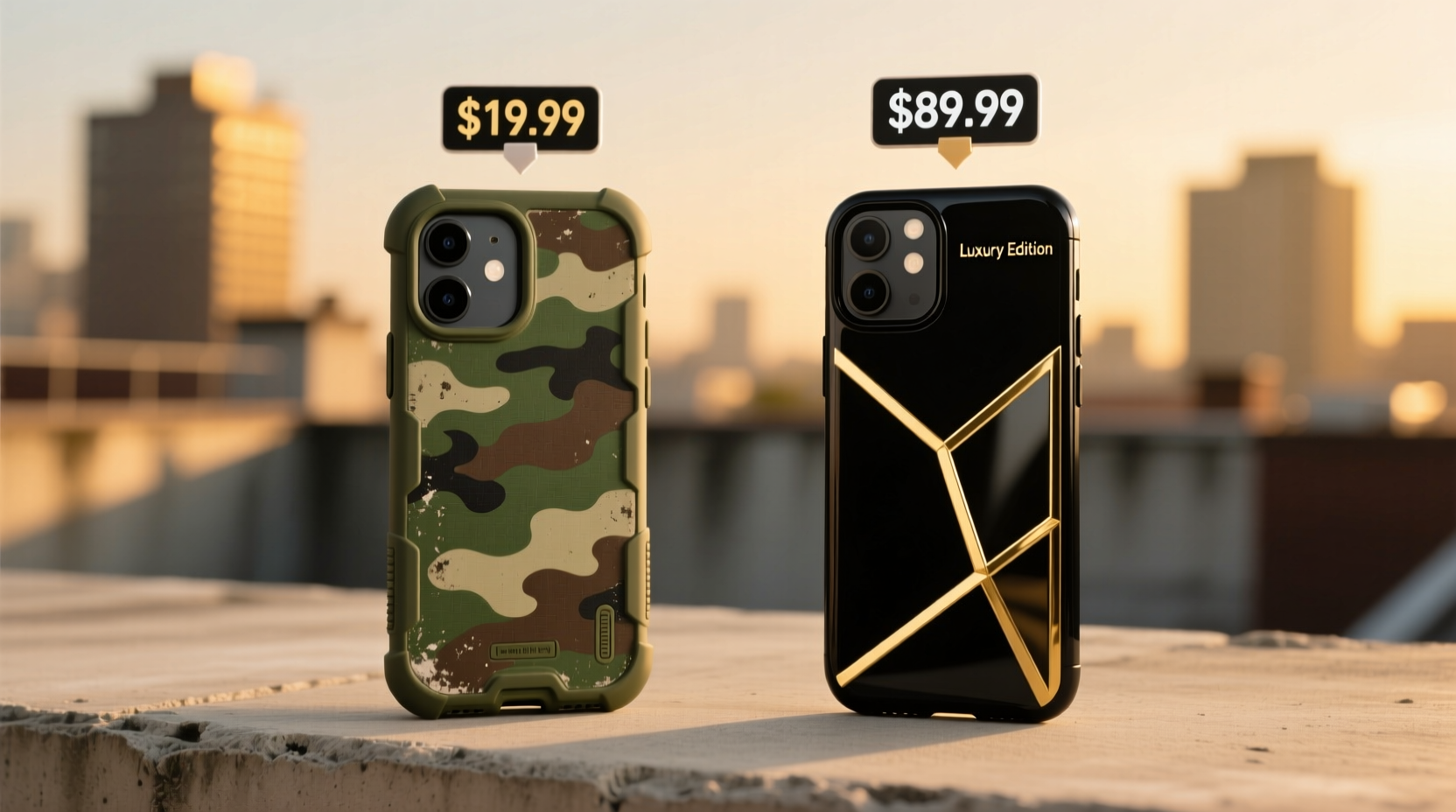
Phone cases have evolved from simple protective shells into fashion statements. Brands like Casetify, Bellroy, and even luxury labels such as Gucci and Louis Vuitton now offer high-end designs that blend craftsmanship with exclusivity. These cases often feature embossed logos, artisan finishes, and limited-edition collaborations.
Meanwhile, camo cases—typically associated with military-inspired gear—have carved out their niche in the functional market. They’re marketed toward outdoor enthusiasts, gamers, and those who prioritize durability over designer appeal. Made from TPU rubber, polycarbonate, or hybrid materials, they emphasize drop resistance, grip, and scratch protection.
The contrast couldn’t be starker: one side sells identity; the other sells resilience.
“Design can elevate utility, but not all design adds real-world function. Consumers need to separate branding from benefit.” — Jordan Lee, Product Analyst at Mobile Gear Review
Material & Build Quality: What You're Actually Paying For
To understand the gap between camo and designer cases, let’s examine what goes into them.
Designer cases often use softer-touch coatings, metallic accents, or leather finishes. While these feel premium in hand, they may compromise long-term durability. Some users report peeling paint, yellowing over time, or weakened edges after minor drops. In contrast, many camo cases use dual-layer construction: a shock-absorbent inner TPU layer and a rigid outer shell. This design is proven to reduce impact damage.
Independent lab tests show that both types can meet MIL-STD-810G standards (a military-grade drop test), but consistency varies. Designer brands may pass certification on flagship models, while budget camo cases sometimes skip formal testing altogether—though many still perform well in real-world conditions.
Tip: Check independent drop-test videos before buying. A stylish case isn’t worth it if it cracks after one fall.Price vs. Performance Comparison
| Feature | Camo Cases (Average) | Designer Cases (Average) |
|---|---|---|
| Price Range | $8–$25 | $40–$90+ |
| Materials | TPU, polycarbonate, rubber | Silicone, leather, plastic with coatings |
| Drop Protection | High (dual-layer common) | Variable (depends on brand/model) |
| Aesthetic Longevity | Moderate (pattern resists fading) | Low to Moderate (coatings wear off) |
| Brand Markup | Minimal | High (luxury tax applies) |
| Customization Options | Limited | Extensive (engraving, colors, art) |
The data suggests that while designer cases offer greater personalization and prestige, their core protective capabilities don’t consistently surpass those of well-made camo alternatives. The markup is largely tied to branding, distribution, and perceived status—not engineering superiority.
Real-World Example: Two Users, Two Choices
Consider two users: Maya and Derek.
Maya, a graphic designer, bought a $75 designer case with a minimalist marble pattern and gold trim. She loved how it matched her watch and wallet. After five months, the corners began chipping, and the finish wore off near the charging port. Despite light use, she replaced it due to cosmetic decline.
Derek, an EMT, chose a $14 digital camo case advertised as “military-grade.” He’s dropped his phone dozens of times—from ambulances, onto pavement, even in rain-soaked conditions. Eighteen months later, the case shows scuffs but no structural damage. His phone remains uncracked.
Both cases served their owners’ lifestyles—but only one delivered lasting value relative to cost.
When Design Adds Real Value
It’s not fair to dismiss all designer cases as overpriced vanity projects. Some genuinely innovate. For example:
- MagSafe-integrated wallets with secure attachment
- Eco-conscious materials like compostable bioplastics
- Modular designs allowing interchangeable backs
Brands like Pela and Nomad focus on sustainability and functional elegance, blending ethics with engineering. These cases justify higher prices through material science and environmental responsibility—not just logos.
However, many mainstream designer options lack such differentiation. If your primary concern is protection, a $20 camo case with reinforced corners and raised bezels around the screen might outperform a flashy $80 alternative in actual daily use.
Tip: Look beyond the label. Prioritize features like raised camera rings, non-slip texture, and precise cutouts over brand names.How to Choose Smartly: A Practical Checklist
Before purchasing any phone case, ask yourself the following:
- What’s my usage pattern? Do I frequently drop my phone or keep it in a bag?
- Do I need extra grip? Camo textures often provide better traction than smooth designer surfaces.
- Is wireless charging compatibility important? Thicker designer cases may interfere with signal strength.
- Am I willing to replace it annually? High-fashion cases may degrade faster due to delicate finishes.
- Does it protect the screen when face-down? Raised edges are essential regardless of style.
FAQ: Common Questions About Camo vs Designer Cases
Are camo phone cases only for men?
No. Camouflage patterns originated in military use but have become gender-neutral fashion elements. Many women choose camo cases for their bold, edgy aesthetic or outdoor utility.
Do designer cases offer better resale value for my phone?
Possibly. A pristine designer case might contribute to a cleaner overall impression when selling your device, but physical protection matters more. A cracked screen under a fancy case won’t impress buyers.
Can I get good protection and style without overspending?
Absolutely. Brands like Spigen, UAG, and OtterBox offer rugged designs with modern styling—some even include camo variants—that balance durability and aesthetics under $40.
Conclusion: Style Shouldn’t Come at the Cost of Substance
Choosing between a camo and a designer phone case ultimately comes down to priorities. If your goal is to project status, coordinate accessories, or support artistic collaborations, a designer case may be worth the investment. But if you value longevity, toughness, and practicality, you’re likely overpaying for image alone.
The truth is, most people don’t notice your phone case closely enough to appreciate the brand embroidery or subtle gradient. What matters more is whether it survives a fall from your pocket onto concrete. And in that department, function often beats fashion.
You don’t have to sacrifice style entirely—many camo and tactical-style cases now come in urban camouflage, digital迷彩, or stealth black with aggressive textures that look cool and work harder. The smartest choice isn’t about logo loyalty; it’s about aligning your purchase with how you actually live.
🚀 Ready to rethink your next phone case? Evaluate your real needs—not just your Instagram feed—and invest in protection that lasts longer than a trend.








