As outdoor activities increase with warmer weather, so does exposure to ultraviolet (UV) radiation. Choosing the right headwear isn’t just about style—it’s a critical factor in protecting your skin from sun damage, premature aging, and long-term risks like skin cancer. Two of the most popular sun-friendly hats are bucket hats and baseball caps. While both are widely worn, they differ significantly in how effectively they shield your face and surrounding areas from harmful rays.
This comparison dives into the structural design, material quality, UV coverage, and practical use cases of each hat type. Whether you're hiking, gardening, or spending a day at the beach, understanding these differences can help you make a smarter, safer decision for sun protection.
Design and Coverage: How Much Skin Do They Actually Shield?
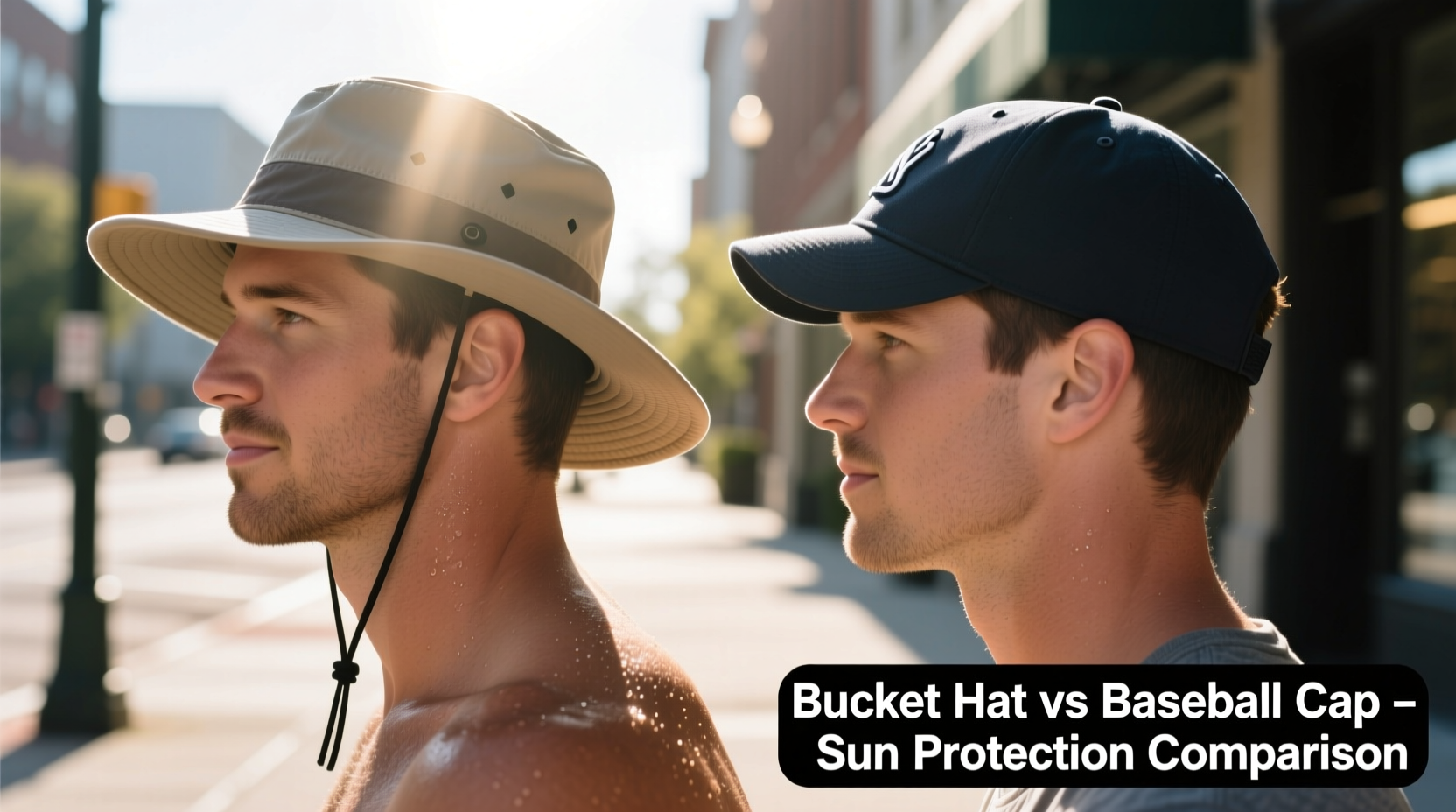
The primary difference between bucket hats and baseball caps lies in their shape and brim structure. This directly affects how much of your face, neck, and ears are protected from direct sunlight.
Baseball caps feature a stiff, curved front brim that extends forward, typically 2.5 to 3 inches. While effective at shading the forehead, nose, and upper cheeks, they leave the sides of the face, ears, and back of the neck completely exposed. This makes them ideal for sports where visibility and sweat management matter more than full UV coverage.
In contrast, bucket hats have a wide, downward-sloping brim—usually 3 to 4 inches all around—that encircles the entire head. This 360-degree design provides consistent shade across the temples, jawline, ears, and upper neck. The deeper crown also adds extra protection for the scalp and sides of the head, areas often overlooked but highly susceptible to sunburn.
Tip: For maximum facial protection, choose a hat with a brim of at least 3 inches that surrounds the entire head—not just the front.Material Matters: Fabric Type and UPF Ratings
Even the best-designed hat won't offer meaningful protection if made from low-quality or loosely woven fabric. Ultraviolet Protection Factor (UPF) is the standard used to measure how effectively a fabric blocks UV radiation. A UPF 50 rating means only 1/50th (2%) of UV rays penetrate the material.
Many modern bucket hats are constructed from tightly woven nylon, polyester, or cotton blends specifically engineered for sun protection. Brands like Coolibar, Columbia, and Sunday Afternoons often label their bucket hats with UPF 50+, making them excellent choices for extended outdoor exposure.
Baseball caps, on the other hand, are frequently made from cotton twill, mesh panels, or performance fabrics designed for breathability and moisture-wicking. While some athletic models now include UPF-rated materials, many traditional baseball caps—especially fashion-forward or vintage styles—lack certified UV protection. Mesh-backed caps, though ventilated, allow sunlight to pass through, increasing exposure to the ears and back of the head.
“Hats with high UPF ratings and broad, wraparound brims provide the most reliable defense against cumulative sun damage.” — Dr. Lena Patel, Dermatologist and Skin Cancer Prevention Advocate
Comparison Table: Key Features Side-by-Side
| Feature | Bucket Hat | Baseball Cap |
|---|---|---|
| Brim Width | 3–4 inches (full circle) | 2.5–3 inches (front only) |
| Coverage Area | Face, ears, neck, scalp | Forehead, nose, upper cheeks |
| UV Protection (Typical) | UPF 30–50+ (common) | UPF varies; often untested |
| Neck Protection | Yes, partial to full | No |
| Ventilation | Moderate (depends on fabric) | High (mesh panels common) |
| Foldability / Portability | Often packable | Rigid shape, less portable |
| Best For | Beach, hiking, fishing, gardening | Sports, casual wear, urban settings |
Real-World Use Case: A Day at the Beach
Consider Sarah, a landscape photographer who spends weekends capturing coastal scenes. Last summer, she wore her favorite baseball cap during a six-hour shoot near Laguna Beach. By afternoon, she noticed redness behind her ears and along her neck—areas not covered by the cap. She also developed a faint burn on her left cheek, exposed as the sun shifted westward.
The following weekend, she switched to a UPF 50+ bucket hat with a chin strap to prevent it from blowing off in the breeze. Despite similar sun intensity and duration, she experienced no sunburn. The wide brim consistently shaded her face from multiple angles, and the fabric blocked over 98% of UV rays. Even when sitting sideways to the sun, her jawline and ears remained protected.
This example illustrates a key limitation of baseball caps: they protect only what’s directly in front. As the sun moves or you turn your head, vulnerable areas become exposed. Bucket hats, with their omnidirectional brim, maintain consistent coverage regardless of orientation.
When Baseball Caps Fall Short—And What to Do About It
Baseball caps remain popular due to their sporty aesthetic and comfort during physical activity. However, their limited coverage creates significant blind spots in sun protection. The ears, in particular, are among the most commonly diagnosed sites for skin cancer due to frequent exposure and neglect.
To mitigate this risk, many dermatologists recommend pairing a baseball cap with additional protective measures:
- Apply broad-spectrum SPF 30+ sunscreen to ears, neck, and side of face every two hours.
- Wear UV-blocking sunglasses that wrap around the temples.
- Use a neck gaiter or lightweight scarf for added rear coverage.
- Seek shade during peak UV hours (10 a.m. to 4 p.m.).
Even with these additions, the overall protection level remains lower than what a single, well-designed bucket hat can provide. Layering defenses helps, but eliminating exposure at the source is always preferable.
Action Checklist: Choosing the Best Sun-Protective Hat
Use this checklist to evaluate any hat before purchasing or wearing it for sun safety:
- ✅ Look for a brim that extends at least 3 inches all around the head.
- ✅ Check the label for a UPF 30+ or UPF 50+ rating.
- ✅ Avoid hats with mesh panels or large ventilation holes if sun protection is the priority.
- ✅ Ensure the crown is deep enough to shade the scalp and sides of the face.
- ✅ Consider adjustable features like drawstrings or chin straps for windy conditions.
- ✅ Choose darker colors (navy, black, olive) when possible—they absorb more UV than light shades.
- ✅ Test the fit: it should sit comfortably without slipping or blocking peripheral vision.
Expert Recommendations and Medical Insights
Dermatological organizations, including the American Academy of Dermatology (AAD), consistently recommend wide-brimmed hats as part of a complete sun-safe routine. According to the AAD, “A hat with a 3-inch brim all around provides the most protection for your face, ears, and neck.”
Dr. Rajiv Gupta, a melanoma specialist at Boston Medical Center, emphasizes prevention through proactive gear choices: “We see patients regularly who assume a baseball cap is sufficient. But time and again, we find precancerous lesions on the rim of the ear or the back of the neck—areas those caps don’t cover. Switching to a bucket-style hat can reduce that risk dramatically.”
Additionally, studies published in the *Journal of the American Academy of Dermatology* show that individuals who wear broad-brimmed hats daily have up to 45% lower incidence of actinic keratosis—a common precursor to skin cancer—compared to those who wear no hat or only front-brimmed styles.
Frequently Asked Questions
Do bucket hats really protect better than baseball caps?
Yes. Bucket hats provide superior coverage due to their full-circumference brim, which shields the face, ears, and neck. Baseball caps only protect the front of the face and leave sensitive areas exposed. When combined with UPF-rated fabric, bucket hats offer significantly higher overall UV protection.
Can I wear a baseball cap if I apply sunscreen?
You can, but it’s less effective than wearing proper headwear. Sunscreen requires frequent reapplication and is often missed on tricky areas like the ears and hairline. A hat reduces the amount of skin needing sunscreen and provides continuous protection without maintenance.
Are there breathable bucket hats for hot weather?
Yes. Many modern bucket hats use lightweight, moisture-wicking, and quick-drying fabrics such as recycled polyester or nylon with laser-cut ventilation zones. Some even include internal sweatbands and airflow channels to enhance comfort in heat while maintaining UV protection.
Final Verdict: Which Hat Should You Reach For?
If your main goal is sun protection, the bucket hat is the clear winner. Its 360-degree brim, deeper crown, and availability in high-UPF materials make it the most effective option for shielding your face, ears, and neck from harmful UV exposure. It’s especially valuable for prolonged outdoor activities like gardening, fishing, hiking, or beach outings.
Baseball caps still have their place—particularly in athletic or casual settings where agility and ventilation are priorities. However, they should not be relied upon as primary sun protection. If you prefer the look and feel of a baseball cap, compensate with sunscreen, UV-blocking accessories, and shade whenever possible.
The bottom line: sun damage is cumulative and irreversible. Small choices today—like opting for a bucket hat over a baseball cap—can have lasting impacts on your skin health years down the line.
🚀 Take action today: Replace one of your regular hats with a UPF 50+ bucket hat and wear it during your next outdoor adventure. Your skin will thank you.








