
Oval faces are often described as the most versatile facial shape in fashion and styling circles. With balanced proportions—slightly longer than wide, with a gently tapered jawline—this face shape can pull off a wide range of accessories. Yet when it comes to choosing between two of the most popular sun-protective hats—the bucket hat and the baseball cap—subtle differences in structure, coverage, and aesthetic matter more than many realize. Beyond personal style, factors like UV protection, brim width, crown height, and how each hat interacts with your facial symmetry play key roles in determining which option not only looks best but performs best under the sun.
This guide breaks down the functional and stylistic distinctions between bucket hats and baseball caps, focusing specifically on how each complements an oval face. Whether you're spending weekends outdoors, traveling, or simply navigating daily life under strong sunlight, understanding these nuances helps you make smarter choices for both comfort and confidence.
The Anatomy of an Oval Face
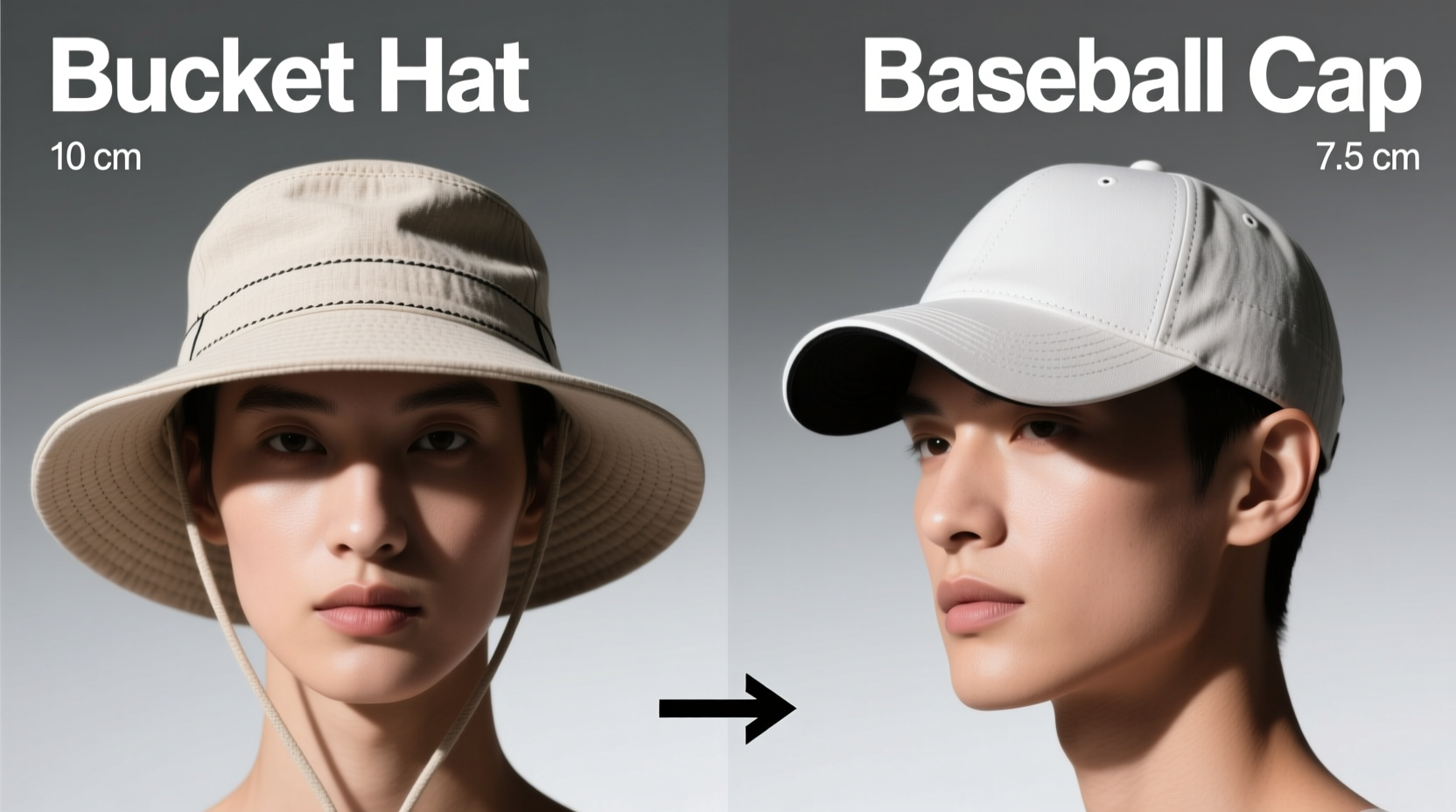
An oval face typically measures about one and a half times longer than its width, with the broadest point at the cheekbones. The forehead is slightly wider than the jawline, and the chin curves gently without sharp angles. This balanced proportion allows oval-faced individuals to experiment with various hairstyles, eyewear, and headwear. However, that versatility doesn’t mean all styles are equally flattering or functional.
When selecting a hat, the goal isn't just to shield from UV rays—it’s also to maintain facial harmony. A well-chosen hat should neither overpower nor diminish the natural balance of the face. For example, overly tall crowns may elongate the face too much, while narrow brims might fail to provide adequate sun coverage despite looking sleek.
“Facial shape influences how a hat frames your features. Even small adjustments in brim width or crown height can shift visual proportions significantly.” — Dr. Lena Torres, Dermatologist & Cosmetic Consultant
Bucket Hats: Coverage Meets Casual Cool
Originally designed for outdoor workers and fishermen, the modern bucket hat has evolved into a fashion staple. Typically made from cotton, nylon, or water-resistant fabrics, it features a wide, downward-sloping brim (usually 2.5 to 3.5 inches) and a soft, round crown. Many come with UPF-rated materials, making them excellent for prolonged sun exposure.
The bucket hat’s defining advantage lies in its **360-degree brim**, which provides consistent shade not only to the face but also to the ears, neck, and shoulders. This makes it particularly effective for activities like hiking, beach days, or gardening where the sun shifts throughout the day.
For oval faces, the bucket hat works exceptionally well because:
- Balances vertical length: The low-to-mid crown height avoids over-elongating the face.
- Frames the cheeks: The wide brim aligns with the cheekbones, emphasizing their natural prominence.
- Adds softness: The curved silhouette contrasts nicely with angular glasses or structured outfits.
Baseball Caps: Sporty Simplicity with Limitations
The baseball cap is iconic—functional, widely available, and deeply embedded in casual culture. It features a stiff, curved or flat bill at the front and a rounded crown that tapers toward the back. Most versions cover only the front and top of the head, leaving the ears and back of the neck exposed.
While convenient and easy to pack, baseball caps offer **limited sun protection** compared to broader alternatives. Studies by the Skin Cancer Foundation show that standard baseball caps block direct frontal UV but leave critical areas—like the ears and nape—vulnerable to burning.
For oval faces, the main concerns revolve around proportion and shading:
- Potential imbalance: The forward-projecting bill can create a shadow-heavy look, drawing attention downward and potentially unbalancing facial symmetry if worn too low.
- Crown height matters: High-profile caps add unnecessary vertical emphasis, making the face appear longer. Low-profile versions tend to sit more harmoniously.
- Style flexibility: Baseball caps excel in urban settings, sports environments, or layered streetwear looks—but fall short in full-day sun protection.
That said, modern adaptations like extended-back flaps (\"neck shades\") or vented mesh panels improve functionality without sacrificing breathability.
Comparative Breakdown: Bucket Hat vs Baseball Cap
| Feature | Bucket Hat | Baseball Cap |
|---|---|---|
| Sun Protection Area | Face, ears, neck, shoulders (360°) | Forehead, nose, upper cheeks (front-only) |
| Brim Width | 2.5–4 inches (wide, sloped) | 2–2.5 inches (flat, directional) |
| Crown Height | Low to mid (soft fabric) | Varies (low to high profile) |
| Fits Oval Face? | Excellent – enhances balance | Good – depends on profile and wear height |
| UPF Availability | Common (many UPF 50+ options) | Limited (mostly non-rated fabrics) |
| Versatility | Beach, travel, casual wear | Sports, urban wear, quick outings |
| Packability | High (folds easily) | Moderate (rigid brim resists folding) |
Choosing Based on Lifestyle and Sun Exposure
Your choice shouldn’t hinge solely on aesthetics. Consider how and where you spend time outdoors:
- Outdoor enthusiasts: Hikers, cyclists, or gardeners benefit more from bucket hats due to superior coverage and ventilation in UPF-treated models.
- Urban commuters: If you’re walking through city streets with intermittent sun, a sleek baseball cap may suffice—especially if paired with sunscreen on ears and neck.
- Travelers: Lightweight, foldable bucket hats are ideal for packing and adapting to tropical climates.
- Athletes: Baseball caps remain practical during team sports or gym sessions, though consider wearing them under a wider hat during rest periods in direct sun.
Mini Case Study: Sarah’s Beach Vacation Dilemma
Sarah, 32, with an oval face and fair skin, planned a week-long beach vacation in Bali. She packed both a navy baseball cap and a khaki UPF 50+ bucket hat. On the first day, she wore the baseball cap while lounging near the water. By afternoon, she noticed redness behind her ears and along her neck—areas left exposed. The next day, she switched to the bucket hat. Not only did she feel cooler thanks to the breathable fabric, but she also avoided any sunburn. More importantly, several locals complimented how “balanced” the hat looked with her face. “I never realized how much difference a few inches of brim could make,” she later shared in a follow-up interview. “The bucket hat didn’t just protect me—it made me feel more put together.”
Styling Tips for Oval Faces
Both hats can work well, but subtle styling choices enhance their effectiveness:
- Wear the brim at eyebrow level: Whether bucket or cap, position the brim so it aligns with your eyebrows. This ensures optimal visibility and even shading across the face.
- Avoid pushing the cap too far back: Especially with baseball caps, wearing them too high exposes more forehead and disrupts the face’s natural ratio.
- Match the hat’s color to your complexion: Neutral tones like olive, beige, or navy complement most skin undertones. Bold patterns work if they don’t clash with your usual palette.
- Consider hair integration: If you have long hair, let a few strands frame your face when wearing a bucket hat. With baseball caps, ponytails or half-up styles prevent bulkiness at the back.
- Adjust fit snugly but comfortably: A loose hat shifts in wind, reducing protection. Use adjustable straps or inserts to customize fit without compromising style.
Checklist: Picking the Right Sun Hat for Your Oval Face
- ✅ Measure your head circumference for proper sizing
- ✅ Prioritize UPF 30+ or higher for extended outdoor use
- ✅ Choose a brim width of at least 3 inches for full side and neck coverage
- ✅ Test the crown height—avoid anything that adds excessive vertical length
- ✅ Try both styles in natural light to assess facial balance
- ✅ Ensure the material is breathable (cotton, linen, moisture-wicking synthetics)
- ✅ Confirm ease of storage if traveling frequently
FAQ
Can I wear a baseball cap if I have an oval face?
Yes, absolutely. Opt for a low-profile design with a moderate brim. Wear it centered on your head, not too high or too low, to preserve facial symmetry. Just remember to apply sunscreen to your ears and neck, as the cap won’t cover those areas.
Are bucket hats still in style in 2024?
Yes, bucket hats remain fashionable, especially in minimalist, coastal, and utility-inspired trends. Designers continue releasing new iterations in sustainable fabrics and earth-toned palettes. Their resurgence is driven not just by aesthetics but by growing awareness of sun safety.
Which hat offers better UV protection overall?
Bucket hats provide significantly better UV protection due to their wide, encircling brims and frequent use of UPF-rated materials. They shield the face, ears, and neck—key areas prone to sun damage and skin cancer. For serious sun avoidance, dermatologists consistently recommend broad-brimmed hats over caps.
Conclusion: Make Protection Part of Your Style
The debate between bucket hats and baseball caps isn’t just about fashion—it’s about function meeting form. For oval faces, both styles have merit, but the bucket hat emerges as the superior choice for comprehensive sun protection and balanced aesthetics. Its ability to frame the cheekbones, avoid facial elongation, and deliver 360-degree coverage makes it ideal for anyone prioritizing health without sacrificing style.
That said, personal preference and lifestyle matter. If your days involve fast-paced movement or team sports, a baseball cap might be more practical—just supplement it with sunscreen and reapply regularly. But for leisurely outdoor pursuits, travel, or sun-intensive environments, investing in a quality UPF-rated bucket hat is a smart, stylish decision.
💬 Ready to upgrade your sun game? Reassess your go-to hat based on actual protection and fit—not just habit. Share this guide with someone who still relies on a baseball cap for beach days, and start a conversation about smarter sun safety.








