The battle between the bucket hat and the baseball cap isn’t just about aesthetics—it’s a functional debate rooted in sun safety, comfort, and cultural relevance. As summer temperatures climb and UV awareness grows, men are reevaluating their go-to headwear. In 2025, the conversation has evolved beyond nostalgia or sport; it's now centered on practicality, sustainability, and how well each style aligns with modern lifestyles. Whether you're hiking coastal trails, attending outdoor festivals, or navigating city streets under midday sun, your hat does more than accessorize—it protects.
While both styles have loyal followings, new data from fashion forecasters, dermatologists, and consumer behavior analysts suggest a noticeable shift in preference. The bucket hat, once relegated to fishing trips and ’90s throwback outfits, is experiencing a high-fashion resurgence. Meanwhile, the baseball cap remains a staple of athletic and streetwear culture. But when it comes to sun protection—measured by UPF ratings, coverage area, breathability, and wearability across environments—one style is quietly gaining an edge.
Sun Protection Performance: Coverage That Matters
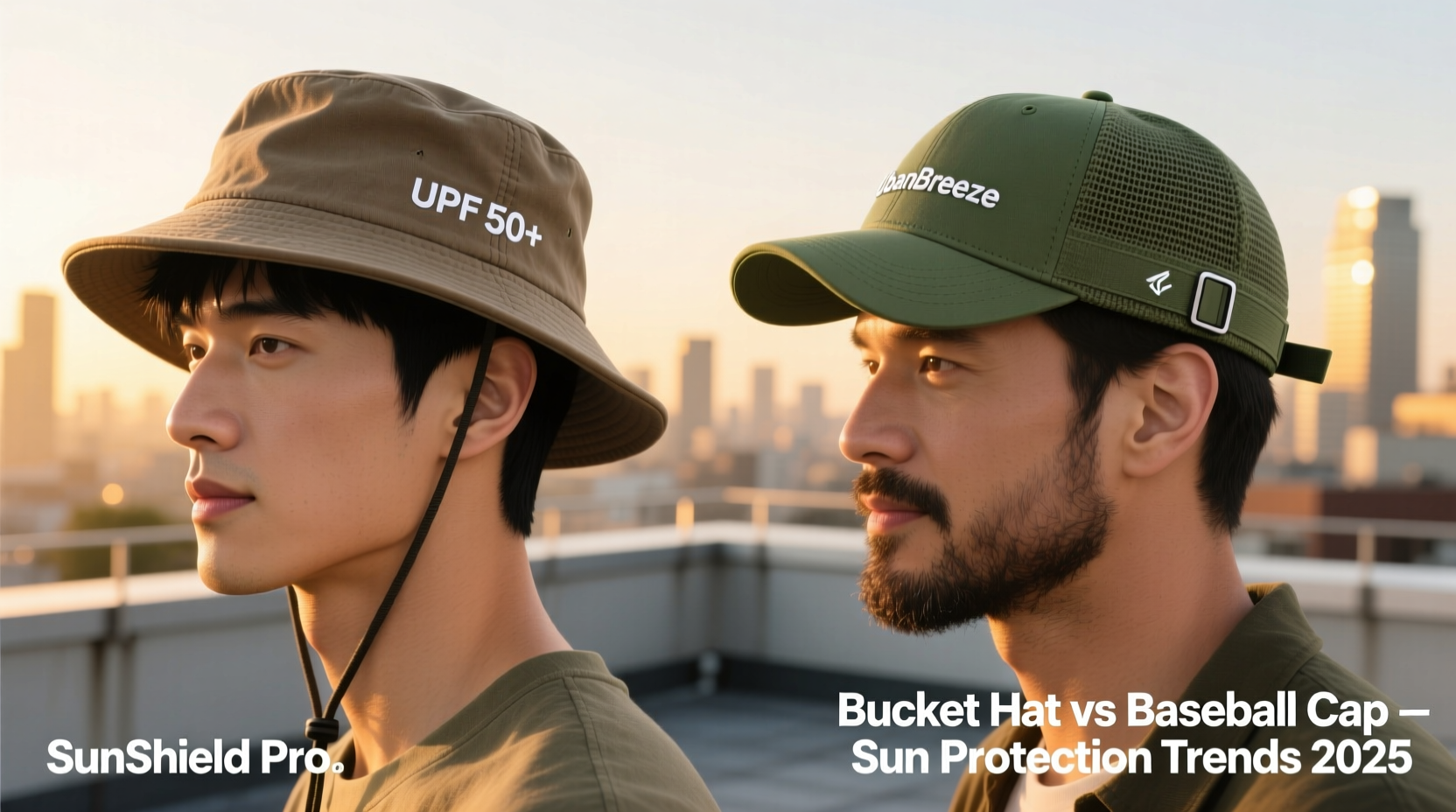
Sun protection isn't just about slapping on sunscreen. The Skin Cancer Foundation recommends wearing broad-spectrum hats that shield the face, neck, ears, and scalp—areas most vulnerable to UV damage. When comparing the bucket hat and baseball cap on these criteria, the differences become immediately apparent.
A standard baseball cap covers the forehead and top of the head but leaves the ears, back of the neck, and sides of the face exposed. This limited protection can result in uneven tanning or, worse, sunburn in high-exposure scenarios. In contrast, the bucket hat features a wide, downward-sloping brim (typically 3–4 inches) that encircles the entire head. This design provides significantly greater coverage, particularly for the nape of the neck—a common site for skin cancers due to frequent UV exposure.
Tip: For optimal sun protection, choose a hat with a UPF 50+ rating and a brim width of at least 3 inches.Dermatologists emphasize that consistent coverage reduces cumulative UV exposure, which is linked to premature aging and increased cancer risk. Dr. Lena Patel, a board-certified dermatologist based in Los Angeles, explains: “Many patients don’t realize how much UV radiation reaches them indirectly—from reflection off water, sand, or pavement. A wider brim acts as a physical barrier that blocks both direct and ambient rays.”
“We’re seeing more men adopt sun-smart habits, and headwear is a critical part of that equation.” — Dr. Lena Patel, Dermatologist
Fashion Trends in 2025: From Function to Runway
Fashion cycles are accelerating, and 2025 marks a turning point where utility and style converge. Bucket hats, once associated with rural workwear or hip-hop fashion, have been reimagined by luxury labels like Prada, Maison Margiela, and Stone Island. These brands are releasing structured, water-resistant versions in technical fabrics such as recycled nylon and ripstop polyester—materials designed for durability and performance.
Simultaneously, streetwear giants like Supreme, Stüssy, and Palace continue to dominate the baseball cap market with limited-edition drops and logo-heavy designs. However, trend analysts at WGSN note a subtle decline in baseball cap dominance among urban millennials and Gen Z consumers who prioritize versatility and eco-conscious choices.
In 2025, the bucket hat is no longer just a seasonal accessory. It’s being integrated into capsule wardrobes as a unisex, multi-environment piece. Designers are experimenting with packable silhouettes, moisture-wicking linings, and built-in ventilation grommets—features that appeal to travelers, cyclists, and outdoor enthusiasts.
Meanwhile, the baseball cap maintains its stronghold in sports arenas and casual daily wear. Yet, its association with team branding and fast-fashion collaborations has led some style-conscious men to view it as less adaptable outside specific contexts.
Material Innovation and Sustainability
One of the most significant shifts in men’s accessories this decade is the demand for sustainable materials. Consumers are increasingly asking: What is this made of? How was it produced? Can it be recycled?
Bucket hats lead in this category due to their compatibility with eco-friendly textiles. Many 2025 models are crafted from post-consumer recycled PET bottles, organic cotton canvas, or biodegradable hemp blends. Brands like Tentree and Patagonia offer bucket hats with carbon-neutral certifications and tree-planting initiatives tied to each purchase.
Baseball caps, traditionally made from wool blends or synthetic twills, are harder to recycle due to mixed materials (fabric, plastic stiffeners, metal snaps). While some companies like New Era have launched eco-conscious lines using recycled polyester, widespread adoption remains slow.
| Feature | Bucket Hat | Baseball Cap |
|---|---|---|
| Brim Width | 3–4 inches (full coverage) | 2–3 inches (front-focused) |
| Neck & Ear Protection | Excellent | Limited |
| UPF 50+ Availability | Widely available | Select models only |
| Sustainable Materials | Common (recycled, organic) | Growing, but limited |
| Packability | High (many foldable) | Low (retains shape) |
| Fashion Versatility (2025) | High (casual to elevated) | Moderate (sporty/streetwear) |
This table highlights why the bucket hat is emerging as the preferred option for men seeking both function and forward-thinking design. Its adaptability across settings—from beach outings to rooftop bars—makes it a smarter investment in a minimalist wardrobe.
Real-World Use Case: Alex’s Coastal Hiking Routine
Alex Rivera, a 32-year-old landscape photographer based in Portland, Maine, used to rely solely on baseball caps during his coastal hikes. He noticed recurring sunburn behind his ears and along his neck despite applying SPF 50 every two hours. After consulting a dermatologist, he switched to a UPF 50+ bucket hat made from quick-dry fabric.
“At first, I worried it would look too ‘outdoorsy,’” Alex admits. “But within a week, I realized how much more comfortable I was. No more adjusting the cap every time the wind shifted. My neck stayed shaded even when the sun was low in the sky.”
He also appreciated that the hat could be folded into his daypack when not in use. Over six months, he didn’t experience a single sunburn—and received multiple compliments on his style. “It’s funny,” he says. “I thought I was sacrificing fashion for function. Turns out, I upgraded both.”
Alex’s experience reflects a growing sentiment: protection doesn’t have to come at the expense of personal style. In fact, integrating smart sun-safe habits often enhances one’s overall aesthetic credibility.
How to Choose Based on Your Lifestyle
Not every man needs the same level of sun defense. Your ideal hat depends on daily activities, climate, and personal preferences. Here’s a step-by-step guide to help you decide:
- Assess your sun exposure frequency: Do you spend more than 30 minutes outdoors daily? If yes, prioritize maximum coverage.
- Evaluate your environment: Are you near water, snow, or sand? These surfaces reflect up to 80% of UV rays, increasing exposure risk—choose a bucket hat.
- Consider your activity type: For running or gym sessions, a lightweight baseball cap may suffice. For hiking, fishing, or cycling, opt for a bucket hat.
- Check fabric technology: Look for moisture-wicking, breathable materials with certified UPF ratings. Avoid cotton unless treated for UV resistance.
- Think long-term value: Invest in a durable, sustainable model rather than disposable fashion pieces.
Quick Checklist: Picking the Right Sun Hat
- ✅ Brim covers ears and neck
- ✅ Fabric has UPF 30 or higher (ideally 50+)
- ✅ Lightweight and breathable lining
- ✅ Adjustable fit for stability in wind
- ✅ Foldable or crushable (if travel-friendly needed)
- ✅ Neutral or versatile color for multiple outfits
FAQ: Common Questions About Men’s Sun Hats in 2025
Is a bucket hat suitable for formal or semi-formal settings?
While traditionally considered casual, modern bucket hats in neutral tones (charcoal, olive, navy) and premium materials (twill, waxed cotton) can complement relaxed smart-casual looks. They’re best avoided in formal business environments but work well for garden parties, brunches, or creative workplaces.
Can I wear a baseball cap for sun protection if I don’t like bucket hats?
Yes—but consider pairing it with additional protection. Use a neck gaiter, apply sunscreen behind the ears, and seek shade during peak UV hours (10 a.m.–4 p.m.). Some brands now offer baseball caps with extended rear flaps or built-in neck capes for enhanced coverage.
Are there any health guidelines for choosing sun-safe hats?
The American Academy of Dermatology recommends wide-brimmed hats (at least 3 inches) as the gold standard for UV protection. Hats labeled with UPF (Ultraviolet Protection Factor) provide measurable defense. UPF 50+ blocks over 98% of harmful rays.
Conclusion: Making the Smart Move in 2025
The choice between a bucket hat and a baseball cap in 2025 goes beyond fleeting trends. It reflects a deeper shift toward intentional living—where style serves substance, and self-care includes proactive sun safety. While the baseball cap retains cultural significance and athletic utility, the bucket hat is rising as the superior option for comprehensive UV defense, environmental responsibility, and everyday versatility.
Men who embrace this evolution aren’t just following fashion—they’re making informed decisions about health, sustainability, and personal image. Whether you’re exploring coastal cliffs, commuting through sunlit avenues, or simply enjoying a weekend barbecue, your hat should protect as much as it expresses.
💬 Ready to upgrade your sun protection game? Share your favorite hat brand or styling tip in the comments—help others find the perfect balance of safety and style.








