The summer of 2025 is shaping up to be a pivotal moment in headwear fashion. As outdoor lifestyles surge and sun-conscious dressing becomes non-negotiable, two iconic hats are battling for dominance: the bucket hat and the baseball cap. Once considered relics of past decades, both have undergone reinvention—driven by sustainability demands, celebrity influence, and functional innovation. But which one is truly leading the resurgence? The answer isn’t as simple as style preference; it’s about context, coverage, comfort, and cultural momentum.
While the baseball cap has long reigned supreme in casual American wardrobes, the bucket hat is staging a quiet but powerful revival. Fashion houses like Prada, Stüssy, and Nike are pushing oversized, technical-fabric bucket hats onto runways and social media feeds. Meanwhile, performance-driven caps with UPF-rated brims and moisture-wicking sweatbands are dominating athletic retail. To understand which trend is gaining real traction—and why—it helps to dissect their strengths, weaknesses, and evolving roles in modern life.
Design & Functional Differences
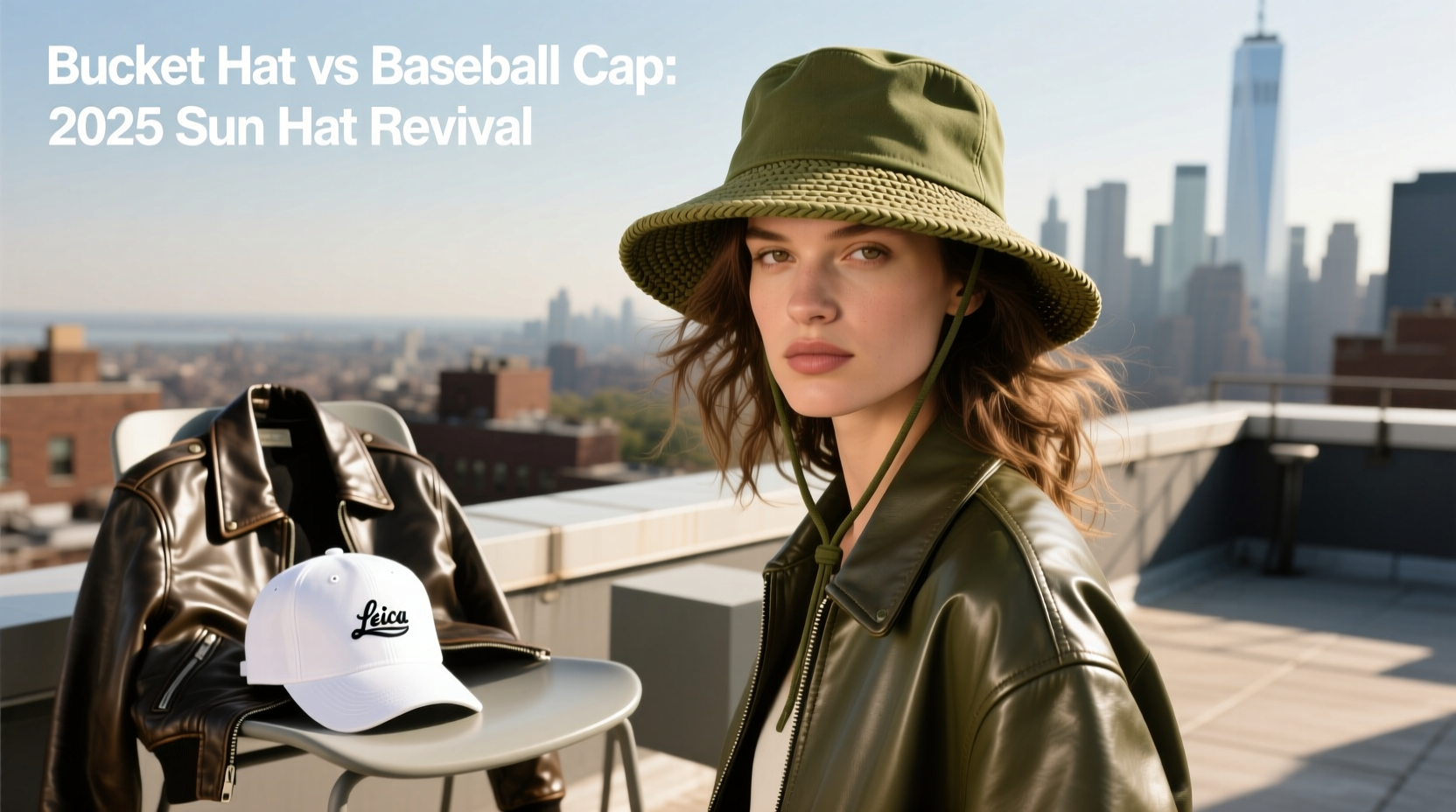
At first glance, both hats serve the same purpose: shade from the sun. But their structural design leads to vastly different experiences in wearability, protection, and versatility.
The **baseball cap** features a rigid front panel, curved or flat visor, and an adjustable strap or fitted back. It’s engineered primarily for forward-facing sun protection, ideal for driving, sports, or quick errands. However, its coverage stops at the forehead and nose. Ears, neck, and sides of the face remain exposed—critical vulnerabilities when considering long-term UV exposure.
In contrast, the **bucket hat** wraps fully around the head with a wide, downward-sloping brim (typically 2–3 inches). This offers 360-degree shading, shielding not only the face but also the ears, neck, and shoulders. Originally designed for fishermen and outdoor workers, the silhouette prioritizes utility over aesthetics—though today’s versions blur that line seamlessly.
Tip: For extended outdoor exposure—like hiking, beach days, or gardening—a bucket hat provides superior UV defense due to its full circumferential brim.Fabrics also differ significantly. Baseball caps are commonly made from cotton twill, polyester blends, or wool (in colder months), often with structured crowns. Bucket hats lean toward lightweight, packable materials: nylon, canvas, recycled PET, or even UPF-treated technical weaves. Many new models fold into pockets or clip onto bags, making them travel-friendly.
UV Protection Compared: What Science Says
Sun protection isn’t just about fashion—it’s dermatological necessity. According to the Skin Cancer Foundation, consistent use of broad-spectrum sun protection, including wide-brimmed hats, reduces the risk of skin cancer by up to 50%. But not all hats offer equal defense.
| Hat Type | UPF Rating (Typical) | Covered Areas | Best For |
|---|---|---|---|
| Baseball Cap | 5–15 (varies by fabric) | Forehead, nose, eyes | Short outdoor bursts, sports, urban commutes |
| Bucket Hat | 15–50+ (especially in treated fabrics) | Face, ears, neck, shoulders | All-day wear, high-exposure environments, sensitive skin |
A study published in *Photodermatology, Photoimmunology & Photomedicine* found that baseball caps leave 67% of the neck and 48% of the cheeks unprotected during midday sun. In contrast, a 3-inch brim bucket hat reduced UV exposure to those areas by over 80%. Dermatologists consistently recommend wide-brimmed options for this reason.
“Hats with at least a 3-inch brim all around provide meaningful protection against photoaging and skin cancers, especially on the neck and ears—areas we see increasing melanoma rates.” — Dr. Lena Torres, Board-Certified Dermatologist
This medical consensus is beginning to influence consumer behavior. Brands like Coolibar and Sunday Afternoons now market bucket hats specifically as “sun safety gear,” complete with certified UPF 50+ ratings and chin straps for windy conditions. Even mainstream labels such as Columbia and Patagonia integrate bucket silhouettes into their outdoor lines—not as fashion statements, but as functional essentials.
Fashion Cycles and Cultural Influence
Fashion trends don’t emerge in a vacuum. The resurgence of the bucket hat can be traced through three overlapping waves: streetwear revival, Gen Z nostalgia, and celebrity endorsement.
The early 2020s saw a nostalgic return to Y2K aesthetics—low-rise jeans, butterfly clips, and ironically styled accessories. Bucket hats, once associated with ‘90s rappers and festival-goers, were rebranded as ironic-cool. Artists like Billie Eilish, A$AP Rocky, and Rihanna were photographed repeatedly in bold-print or logo-emblazoned versions, turning them into status symbols.
By 2024, luxury fashion had caught on. Prada’s nylon bucket hats retailed for $650, while Jacquemus introduced miniature straw versions for resort collections. These weren’t costume pieces—they were integrated into high-end ensembles, signaling a shift from novelty to legitimacy.
Meanwhile, baseball caps have remained culturally stable but stagnant. They’re ubiquitous, yes—but rarely innovative. While brands experiment with mesh backs and embroidered logos, the core design hasn’t evolved meaningfully since the 1980s. Caps are deeply embedded in sports culture and brand loyalty (think Yankees, Jordan, or Nike Swoosh), but they lack the transformative potential of the bucket hat.
Tip: If you're building a capsule wardrobe for 2025, consider investing in a neutral-toned bucket hat (khaki, black, or olive) that pairs with both casual and elevated outfits.Real-World Use Case: A Week in the Life of Two Hats
To test real-world performance, consider Sarah, a 32-year-old landscape photographer based in Austin, Texas. She spends 20+ hours per week outdoors across varied settings.
- Monday – Urban Errands: Sarah wears her vintage Nike baseball cap. It’s low-profile, fits under sunglasses, and doesn’t interfere with her backpack. Ideal for short trips.
- Wednesday – Botanical Garden Shoot: Midday sun, reflective surfaces. She switches to a UPF 50+ bucket hat. By afternoon, her neck feels cool, and she notices no sunburn—unlike previous shoots with just a cap.
- Saturday – Music Festival: Crowded, hot, and sunny for eight hours. Her patterned cotton bucket hat becomes part of her outfit. It stays put in wind, packs easily when not needed, and draws compliments.
Over time, Sarah phases out her caps for anything beyond gym runs or quick drives. The bucket hat proves more adaptable, protective, and surprisingly stylish. Her experience mirrors broader shifts: functionality influencing fashion, not the other way around.
How to Choose the Right Hat for Your Lifestyle
Selecting between a bucket hat and a baseball cap should depend on your daily routine, environment, and priorities. Neither is universally better—but one may suit you far more.
Ask Yourself These Questions:
- Do I spend more than 30 minutes in direct sunlight regularly?
- Am I concerned about premature aging or sun damage?
- Do I value packability and versatility in accessories?
- Is my lifestyle active, outdoor-focused, or travel-heavy?
- Do I want a hat that transitions from day to night effortlessly?
If you answered “yes” to three or more, the bucket hat is likely the smarter choice for 2025 and beyond.
Checklist: Choosing Your 2025 Sun Hat
- ✅ Prioritize UPF 30+ if spending extended time outdoors
- ✅ Look for breathable, quick-dry fabrics (nylon, recycled polyester)
- ✅ Ensure a comfortable, adjustable fit (drawstring or inner band)
- ✅ Consider packability—can it fold without losing shape?
- ✅ Match color/pattern to your existing wardrobe (neutrals go further)
- ✅ Check for eco-credentials (recycled materials, ethical production)
What's Driving the 2025 Comeback?
The bucket hat’s rise isn’t just aesthetic—it’s aligned with larger societal movements:
- Sustainability: Many new bucket hats use recycled ocean plastics or biodegradable dyes. Their durability means fewer replacements.
- Health Awareness: With rising skin cancer rates, consumers seek functional solutions. Bucket hats deliver measurable protection.
- Gender Fluidity: Unlike baseball caps, which carry strong masculine associations, bucket hats are widely worn across genders and age groups.
- Travel Culture: Lightweight, crushable, and versatile, bucket hats appeal to digital nomads and minimalist packers.
Even traditional cap loyalists are adapting. Major sportswear brands now offer hybrid designs—caps with extended side flaps or detachable neck curtains—to mimic bucket-level coverage. Yet these often compromise comfort and style. The pure bucket form remains more elegant and effective.
FAQ: Common Questions About Sun Hats in 2025
Are bucket hats still considered trendy, or are they fading?
Far from fading, bucket hats are evolving beyond trend status into staple territory. While flashy prints may cycle out, minimalist, high-performance versions are being adopted as permanent wardrobe items—similar to how aviator sunglasses or trench coats endure.
Can I wear a bucket hat with formal or semi-formal outfits?
Yes—context matters. A structured linen or felt bucket hat in navy or beige pairs well with summer blazers, chinos, or midi dresses. Avoid loud graphics in professional settings, but don’t shy away from texture and cut.
Do baseball caps offer any advantages over bucket hats?
Absolutely. They’re better for high-motion activities like running or cycling where stability and airflow are key. They also pair naturally with athletic wear and require less adjustment. For brief sun exposure or indoor-outdoor transitions, they remain unmatched in convenience.
Final Verdict: Which Hat Is Making a Comeback in 2025?
The data, expert insight, and cultural signals point clearly: the **bucket hat** is the sun hat trend making a sustained comeback in 2025. It’s not merely nostalgic—it’s being re-engineered for modern needs. From dermatologist recommendations to runway validation and real-world usability, it outperforms the baseball cap in protection, adaptability, and long-term relevance.
That said, the baseball cap isn’t disappearing. It will remain a fixture in sports, branding, and fast-paced urban life. But for those seeking a single sun-safe accessory that bridges fashion, health, and practicality, the bucket hat is emerging as the definitive choice.
The comeback isn’t just about looks—it’s about intelligence. Consumers today demand more from their clothing: sustainability, function, and longevity. The bucket hat meets all three. As temperatures rise and sun awareness grows, its role will only expand.
Take Action This Summer
Don’t wait for a sunburn to reconsider your headwear. Evaluate your current hat collection. How much actual protection does it offer? Is it built to last, or is it a disposable fashion item?
This season, invest in one high-quality bucket hat made from durable, sun-protective fabric. Try it on weekend adventures, city strolls, or garden days. Notice the difference in comfort, coverage, and confidence. Share your experience online—help normalize smart sun care as part of everyday style.
💬 Which hat do you reach for most? Have you switched from cap to bucket? Share your story in the comments and help others make informed choices for sun-safe summers.








