
Choosing the right harness for your dog involves more than picking a color or design. With so many options on the market, one common dilemma pet owners face is whether to go with a decorative bowknot harness or stick with a simple, functional plain model. At first glance, the bowknot version may seem like a frivolous upgrade—cute, but unnecessary. But is there more to it than aesthetics? Let’s break down the real differences in safety, comfort, functionality, and value to determine if that bow is worth the extra dollars.
Understanding the Basics: What Defines Each Harness Type?
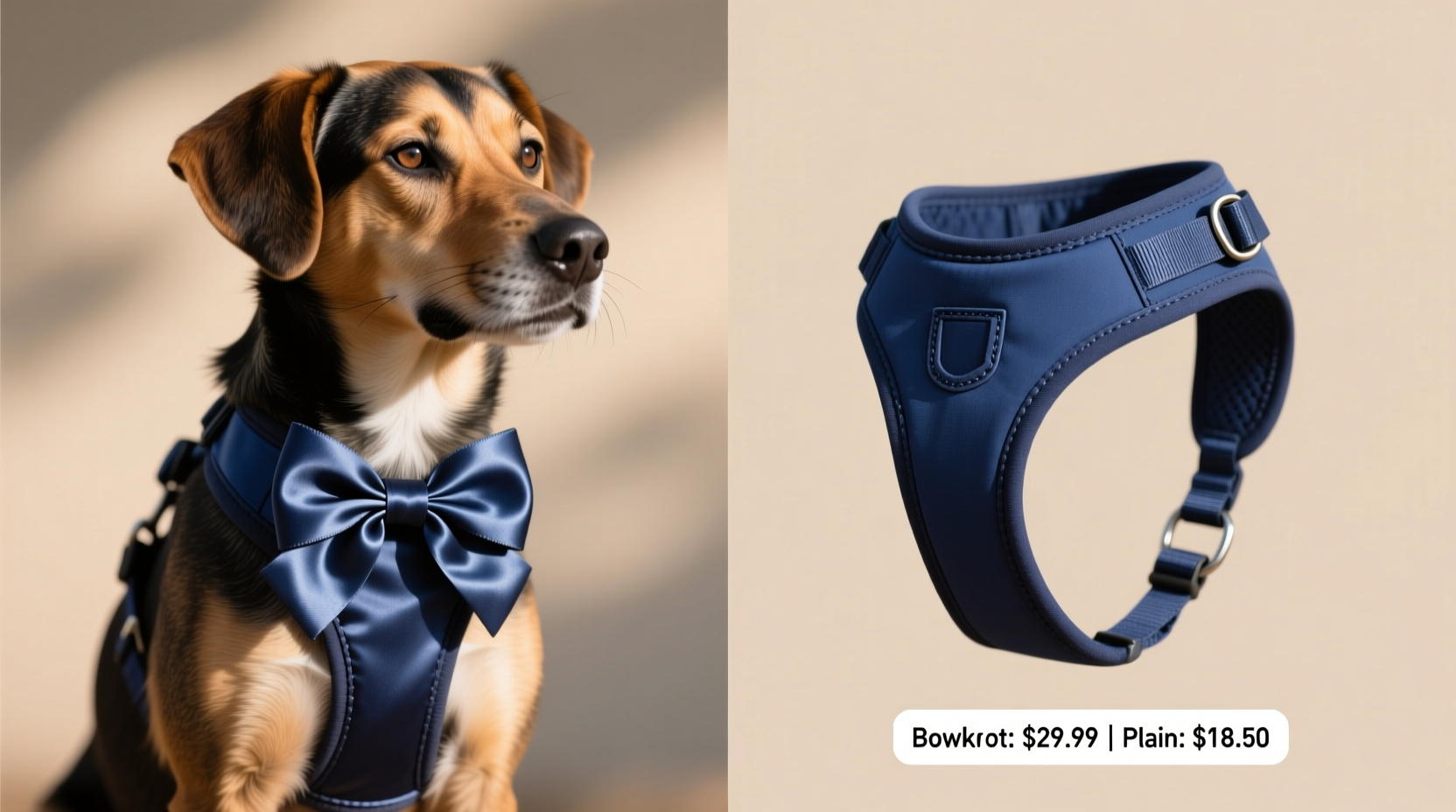
A plain dog harness is designed with utility in mind. It typically features clean lines, minimal stitching, and no embellishments. These harnesses prioritize fit, adjustability, and structural integrity. They are commonly made from durable nylon, polyester, or mesh, with padded straps and secure buckles.
In contrast, a bowknot harness includes a decorative fabric bow—usually attached at the back or shoulder area—that mimics the look of a ribbon. While functionally similar in structure, these harnesses often come in brighter colors, floral patterns, or pastel shades aimed at enhancing visual appeal. Some brands integrate the bow into the leash attachment point, while others make it purely ornamental.
The key question isn’t just about appearance—it’s whether that added decoration compromises performance or offers hidden benefits.
Functional Comparison: Safety, Fit, and Control
Safety should always be the top priority when selecting a dog harness. Both bowknot and plain harnesses can meet high safety standards—if they’re well-designed. However, the presence of a bow introduces variables that affect performance.
| Feature | Plain Harness | Bowknot Harness |
|---|---|---|
| Material Durability | High (reinforced stitching, abrasion-resistant) | Variable (some use lighter fabrics for bows) |
| Adjustability | Fully adjustable across chest, neck, girth | Often limited by bow placement |
| Leash Attachment | Rear or front clip, securely reinforced | Sometimes integrated into bow base (less stable) |
| Escape Risk | Low (secure buckles, snug fit) | Moderate (if bow interferes with strap tension) |
| Weight Distribution | Even across shoulders and chest | Potentially uneven if bow adds rear bulk |
While many bowknot harnesses perform adequately, the decorative element can interfere with structural balance. For example, if the bow is sewn over a critical seam or used as a leash anchor, it may weaken under sudden pulls. Additionally, dogs who wriggle or back out of gear might exploit slight fit inconsistencies caused by rigid bow bases.
“Any accessory attached to a harness must not compromise load-bearing zones. Form should never override function when safety is involved.” — Dr. Lena Patel, Veterinary Behaviorist & Pet Product Consultant
Comfort and Practicality: Does the Bow Affect Wearability?
Dogs don’t care about fashion—but they do react to discomfort. A poorly placed bow can rub against the dog’s neck or get caught on furniture, leashes, or crate bars. In multi-pet households, protruding fabric can even become a target during play, increasing the risk of accidental tearing or entanglement.
On the other hand, some higher-end bowknot harnesses use soft, flexible bows made from stretchable satin or elastic blends that lie flat and move with the dog. These models maintain comfort without sacrificing style. The padding, breathability, and weight distribution often match those of premium plain harnesses—especially in brands that cater to both function and flair.
Tip: If you choose a bowknot harness, ensure the bow is low-profile, securely stitched, and doesn’t sit near pressure points like the neck or spine.For dogs with sensitive skin or anxiety-related reactivity, simplicity often wins. Plain harnesses reduce sensory distractions and eliminate potential irritants. Active breeds like Border Collies or Australian Shepherds benefit from streamlined gear that won’t snag during agility training or outdoor exploration.
Real-World Example: Choosing for a Rescue Terrier Mix
Sarah adopted Milo, a 3-year-old Jack Russell terrier mix, from a local shelter. Eager to make him look adorable on neighborhood walks, she bought a pink polka-dot bowknot harness. Within two weeks, Milo started scratching his shoulders excessively. Upon inspection, Sarah noticed the bow’s stiff inner frame was pressing into his shoulder blades during pulls.
She switched to a plain black mesh harness with reflective strips and adjustable straps. Not only did Milo stop itching, but Sarah also found it easier to control him on busy sidewalks. The new harness distributed pressure evenly and didn’t shift during movement. “I thought I was doing something fun for him,” Sarah said. “But I realized I was prioritizing my aesthetic over his comfort.”
This case illustrates how even small design elements can have outsized impacts on daily usability—especially for energetic or small-breed dogs.
Cost Analysis: Is the Bow Worth the Premium?
Bowknot harnesses often retail for 20–50% more than comparable plain models, despite using similar base materials. This markup reflects branding, niche targeting (e.g., “pet fashion”), and perceived exclusivity. However, price doesn’t always correlate with quality.
Consider this breakdown:
- $12–$18: Basic plain harness – reliable for daily use, minimal padding.
- $18–$25: Mid-range plain harness – padded, reflective, adjustable.
- $22–$35: Bowknot harness – same build quality but with decorative element.
- $30+: Designer bowknot harness – branded, imported fabric, limited editions.
If the only difference is the bow, you’re paying primarily for appearance. That’s not inherently wrong—many pet owners enjoy expressing their dog’s personality through accessories. But if budget, durability, or performance is a concern, the added cost rarely delivers proportional returns.
When the Bow Makes Sense: Situational Benefits
There are scenarios where a bowknot harness adds genuine value beyond looks:
- Photography & Events: For pet photoshoots, birthday parties, or holiday outings, a stylish harness enhances visual storytelling.
- Identification Aid: A bright bow can help spot your dog quickly in crowded parks or dog-friendly cafes.
- Training Motivation: Some dogs respond positively to wearing “special” gear, associating it with positive experiences like walks or treats.
- Gifting: A bowknot harness is often seen as more gift-appropriate due to its polished presentation.
Still, even in these cases, it’s wise to keep a plain harness as the primary walking gear and reserve the bow version for occasional use.
Checklist: How to Choose the Right Harness for Your Dog
Checklist: Before buying any harness, ask:- Does it fit snugly without restricting movement?
- Are all stress points double-stitched?
- Can I adjust it around the neck and girth independently?
- Is the leash ring centered and metal-reinforced?
- Does the material breathe and resist odor buildup?
- If it has a bow, is it detachable or non-intrusive?
- Has my dog shown irritation with similar designs before?
Frequently Asked Questions
Can a bowknot harness cause injury?
Not directly, but if the bow creates pressure points, restricts motion, or detaches during use, it could lead to chafing, imbalance, or escape risks. Always inspect stitching and fit before regular use.
Are bowknot harnesses suitable for puppies?
Only if properly sized and lightweight. Puppies grow quickly, so investing in expensive decorative harnesses isn’t practical. Opt for adjustable plain harnesses during early development stages.
Do vets recommend bowknot harnesses?
Veterinarians prioritize safety and comfort over appearance. Most recommend simple, well-fitted harnesses—especially for dogs with tracheal issues or spinal sensitivities. Decorative elements are generally considered optional and secondary.
Final Verdict: Looks vs. Value
The bow on a dog harness is largely cosmetic. While some well-made bowknot models offer equal comfort and safety to plain versions, the price premium is usually driven by aesthetics, not performance. For everyday walks, training, or active lifestyles, a high-quality plain harness delivers better value, reliability, and long-term comfort.
That said, there’s nothing wrong with wanting your dog to look cute—especially for special occasions. The smart approach is to own both: a durable plain harness for daily use and a bowknot version for photos or events. This way, you balance practicality with personality without compromising safety or overspending.
💬 What does your dog wear on walks—a sleek functional harness or a stylish bowknot? Share your experience and help fellow pet owners make informed choices!








