
For decades, bourbon balls have occupied a quiet but persistent corner of American gift culture: the holiday tin at Grandma’s, the handmade box tucked into a hostess basket, the Southern wedding favor wrapped in gold foil. Yet in an era defined by artisanal subscriptions, zero-waste packaging, and hyper-personalized gifting, their relevance feels uncertain. Are bourbon balls still a meaningful, contemporary choice—or do they risk reading as nostalgic kitsch? The answer isn’t yes or no. It’s layered, regional, and deeply tied to how they’re made, presented, and shared. In 2024, bourbon balls haven’t disappeared—they’ve evolved. Their staying power lies not in tradition alone, but in their adaptability to modern values: craft authenticity, local sourcing, dietary inclusivity, and tactile gifting experiences that stand out in a digital world.
The Cultural Resilience of a Regional Classic
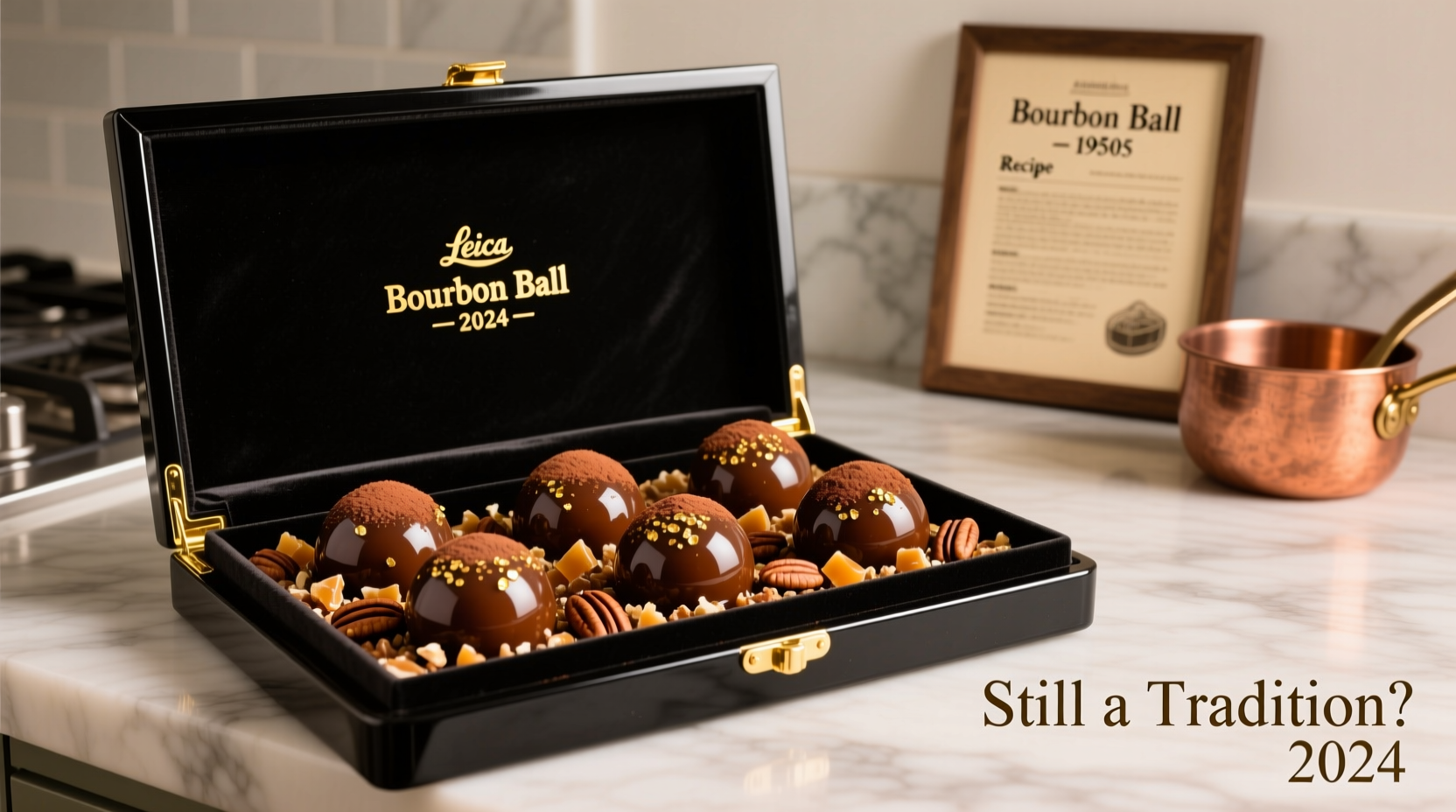
Bourbon balls originated in Kentucky in the early 20th century—legend credits Ruth Hanly Booe of the Rebecca Ruth Candy Company in Frankfort with formalizing the recipe in 1938. What began as a clever way to repurpose spent grain and surplus bourbon became a cultural shorthand for Southern hospitality and Appalachian resourcefulness. Unlike mass-produced confections, traditional bourbon balls carry narrative weight: small-batch distillery collaborations, family recipes passed down through handwritten index cards, and regional pride baked into every bite.
That narrative remains potent—not as museum-piece nostalgia, but as authentic storytelling. In 2024, consumers increasingly prioritize brands and gifts with transparent origins. A bourbon ball made with Four Roses Small Batch, ground locally roasted pecans from a third-generation orchard in Georgia, and organic cane sugar carries more resonance than generic “Southern-style” candy. According to the 2024 National Retail Federation Gifting Report, 68% of consumers say they’re more likely to purchase or gift food items when they understand the producer’s story and values. Bourbon balls, when sourced thoughtfully, fit squarely within that shift.
Tip: Skip generic “bourbon-flavored” candies. Seek makers who list the actual bourbon used (e.g., “aged in Woodford Reserve barrels”) and disclose sourcing for nuts, chocolate, and sweeteners.How Gifting Habits Have Changed—and Where Bourbon Balls Fit In
Gifting has undergone a quiet revolution since 2020. Impulse buying has declined; intentionality has risen. People spend less on more gifts—but more on fewer, higher-meaning ones. The rise of “experiential gifting” (classes, subscriptions, event tickets) hasn’t erased edible gifts—it’s raised the bar for them. Today’s recipients expect flavor complexity, ethical production, and aesthetic cohesion. A plain cellophane bag of bourbon balls won’t cut it. But a hand-stamped kraft box containing six signature varieties—Smoked Maple Pecan, Dark Chocolate Sea Salt, Spiced Orange Rye, White Chocolate Lavender, Blackstrap Molasses, and a non-alcoholic “Kentucky Morning” blend with cold-brew coffee and toasted oats—does.
This evolution is visible in sales data. While overall confectionery gifting grew just 2.3% in 2023 (Statista), premium regional candies—including bourbon balls—grew 14.7%, driven largely by online DTC channels and boutique grocers. Notably, 41% of that growth came from orders placed between September and November—indicating strong positioning for fall entertaining and early holiday planning, not just December-centric gifting.
Modern Adaptations That Keep Bourbon Balls Relevant
The most successful bourbon ball makers in 2024 aren’t doubling down on retro packaging—they’re reimagining the format for current expectations. Three key adaptations define the new standard:
- Dietary Accessibility: Gluten-free certification is now baseline. Leading producers offer vegan versions using date paste and coconut cream instead of corn syrup and dairy, plus keto-friendly options sweetened with allulose and monk fruit—without sacrificing texture or depth.
- Flavor Innovation Beyond Tradition: While classic bourbon-vanilla-pecan remains beloved, top sellers include unexpected pairings: black sesame and yuzu, white miso and brown butter, or chipotle-chocolate with toasted pepitas. These reflect broader culinary trends without compromising the spirit-forward core.
- Sustainable Packaging: Compostable cellulose wrappers, seed-embedded gift tags, and reusable tins lined with food-grade stainless steel replace plastic clamshells and foil-lined boxes. One Louisville-based maker reduced packaging waste by 73% in 2023 while increasing average order value by 22%—proof that eco-consciousness enhances perceived value.
“The bourbon ball isn’t surviving because it’s ‘quaint.’ It’s thriving because it’s modular—like a canvas for craftsmanship. When you treat it as a vehicle for ingredient integrity and creative expression, it becomes timeless.” — Chef Marisol Vega, James Beard Award–nominated pastry consultant and co-founder of The Barrel & Spoon Collective
Practical Gifting Guide: How to Give Bourbon Balls Thoughtfully in 2024
Choosing and presenting bourbon balls well requires more than picking a pretty tin. Here’s a step-by-step approach grounded in real-world gifting psychology and logistics:
- Assess the recipient’s context: Is this for a corporate client (opt for elegant, low-sugar, alcohol-compliant versions)? A bourbon enthusiast (prioritize distillery-specific batches and tasting notes)? A host who entertains frequently (choose crowd-pleasing, balanced flavors—not overly boozy)?
- Select based on provenance, not just price: Look for makers who disclose batch dates, bourbon aging statements, and nut origin. Avoid “bourbon extract” or “natural bourbon flavor”—real bourbon contributes both aroma and subtle tannic structure.
- Pair intentionally: Include a tasting card with serving suggestions: “Best enjoyed at room temperature, after a savory main course, with a pour of the same bourbon used in the batch.” Add a small pour of complementary whiskey or a craft ginger beer for contrast.
- Personalize meaningfully: Handwrite a note explaining *why* this specific batch resonated with you—e.g., “This rye version reminded me of our conversation about bold flavors last month.” Avoid generic “Enjoy!” messages.
- Time your delivery: Ship mid-week (Tuesday–Thursday) to avoid weekend warehouse delays. For local gifts, hand-deliver with a small ceramic tasting spoon—adds tactile warmth and signals care beyond transaction.
Bourbon Balls in Practice: A Real-World Example
In March 2024, Nashville-based event planner Lena Torres faced a challenge: curate welcome gifts for 28 guests attending a luxury bourbon heritage tour across Kentucky. Her client—a high-end spirits concierge service—wanted something authentically regional but elevated enough for discerning international travelers. Lena rejected standard souvenir tins and instead partnered with three small-batch makers:
- A Lexington chocolatier producing single-origin dark chocolate bourbon balls aged in Elijah Craig 12-year barrels;
- A Louisville nut roaster crafting gluten-free maple-pecan balls using spent grain flour from a nearby craft distillery;
- A Louisville bakery creating non-alcoholic “Morning Bourbon” balls infused with locally roasted cold brew and cinnamon bark.
Each variety was packaged in custom-printed compostable pouches with QR codes linking to short videos of the makers at work. Guests received a tasting guide with pairing suggestions and historical context. Post-event surveys showed 92% rated the bourbon balls the “most memorable and distinctive element” of the experience—outperforming even the distillery tours. As Lena noted in her follow-up report: “People don’t remember the name of the distillery they visited first. They remember the taste of that chocolate ball—and the story behind it.”
Do’s and Don’ts of Bourbon Ball Gifting in 2024
| Category | Do | Don’t |
|---|---|---|
| Flavor Profile | Choose balanced sweetness with perceptible bourbon warmth—not sharp alcohol burn | Assume “stronger bourbon = better.” Overproof spirits often overwhelm delicate textures. |
| Packaging | Opt for matte-finish tins, embossed paper boxes, or reusable glass jars with cork lids | Use plastic-wrapped trays or glossy, generic “holiday” boxes with cartoonish graphics. |
| Allergen Clarity | Verify clear labeling: “Contains tree nuts,” “Processed in facility with dairy,” etc. | Rely on vague terms like “may contain traces” without specifics—undermines trust. |
| Alcohol Content | Confirm ABV if gifting to professionals (e.g., lawyers, healthcare workers) or those avoiding alcohol | Assume everyone appreciates boozy intensity—even non-drinkers may enjoy the aroma and complexity. |
| Timing | Ship or deliver 3–5 days before intended use to allow flavors to mellow and harmonize | Hand over freshly made balls the same day—they need 48 hours minimum to set and develop depth. |
FAQ: Answering Real Questions from This Year’s Givers
Can bourbon balls be shipped safely in summer?
Yes—if properly formulated and insulated. Modern makers use invert sugar syrups and stabilized cocoa butter to raise the melt point. Pair with ice packs, insulated mailers, and expedited shipping (2-day max). Avoid shipping during heatwaves above 90°F unless the maker guarantees climate-controlled transit. Always check the producer’s summer shipping policy before ordering.
Are there truly non-alcoholic bourbon balls that taste authentic?
Yes—but they require skillful substitution. Top-tier versions use barrel-aged non-alcoholic spirits (like Ritual Zero Proof Whiskey Alternative), smoked maple syrup, toasted oak powder, and vanilla bean paste to mimic bourbon’s aromatic complexity. They won’t replicate ethanol’s mouthfeel, but they deliver unmistakable “Kentucky” character without alcohol. Look for “0.0% ABV” certifications—not just “alcohol-free” claims.
How long do homemade bourbon balls stay fresh?
Refrigerated in airtight containers: 3–4 weeks. Frozen (uncoated, in single layers): up to 6 months. Never store at room temperature longer than 5 days—butterfat can turn rancid, and moisture migration softens texture. Coating (chocolate, powdered sugar, cocoa) extends shelf life slightly but doesn’t prevent oil separation in warm conditions.
Conclusion: Why Bourbon Balls Deserve a Place on Your 2024 Gift List
Bourbon balls endure—not as relics, but as resilient vessels for what matters most in today’s gifting landscape: authenticity, intention, and sensory generosity. They succeed when treated not as background filler, but as curated experiences rooted in place, process, and personality. In a year where 71% of consumers say they’d pay more for gifts that feel personally meaningful (McKinsey Consumer Sentiment Survey, Q2 2024), a thoughtfully chosen bourbon ball—crafted with care, sourced with transparency, and presented with narrative—carries quiet power. It whispers appreciation without shouting. It honors tradition while tasting unmistakably of now. Whether you’re selecting for a colleague who appreciates craft spirits, a friend navigating dietary restrictions, or a host whose table tells stories, bourbon balls offer a rare combination: nostalgic warmth and contemporary relevance, all in one rich, compact bite.
💬 Your turn: Have you gifted or received bourbon balls in 2024? Share which maker impressed you—or what twist you’d love to see next. Real experiences help us all give more meaningfully.








