Integrating a yoga wheel into your practice can transform how you stretch, stabilize, and strengthen your body. Originally developed to support advanced backbends, the yoga wheel has evolved into a multifunctional tool that enhances flexibility, improves balance, and builds core stability. Whether you're a beginner exploring gentle spinal decompression or an experienced yogi deepening poses, choosing the right yoga wheel makes all the difference. This guide explores what sets top-tier yoga wheels apart, how to use them effectively, and which models deliver optimal results across stretching, balance, and core training.
Why a Yoga Wheel Enhances Your Practice
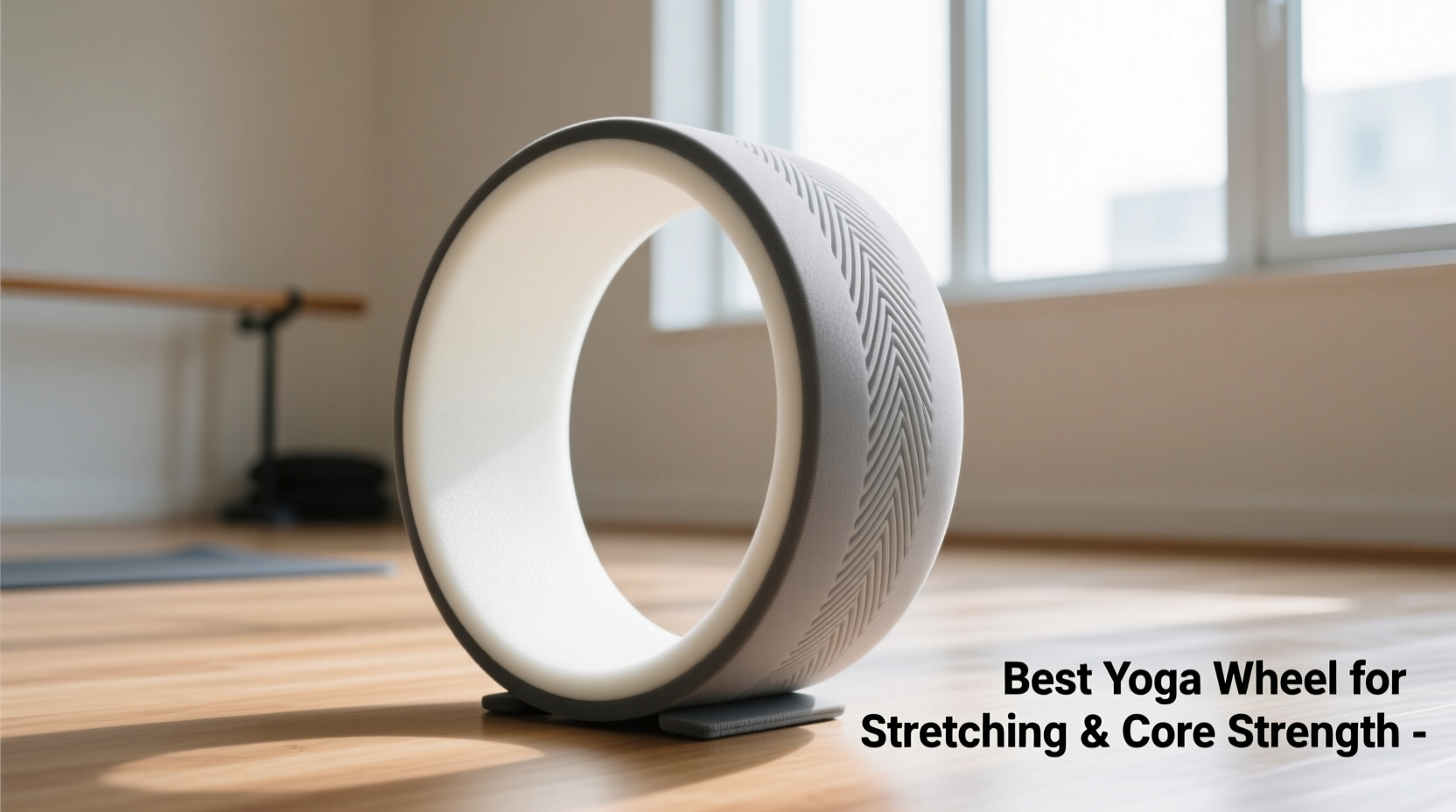
The yoga wheel acts as both a prop and a resistance tool. Its curved surface supports the spine during backbends, allowing deeper extension without strain. Beyond flexibility, it challenges proprioception—your body’s awareness in space—making it ideal for balance drills. When used dynamically, such as in plank roll-ins or supported handstands, it activates deep core muscles like the transverse abdominis and obliques.
Unlike traditional props like blocks or straps, the instability of the wheel introduces functional movement patterns. According to Dr. Lena Torres, a certified yoga therapist and kinesiology researcher, “The yoga wheel bridges rehabilitation and performance. It encourages neuromuscular coordination while safely expanding range of motion.” This dual benefit explains its growing popularity among athletes, physical therapists, and home practitioners alike.
“Using a yoga wheel isn’t just about going deeper into a pose—it’s about moving smarter. The feedback from the curve teaches alignment and control.” — Dr. Lena Torres, Yoga Therapist & Movement Specialist
Key Features of the Best Yoga Wheels
Not all yoga wheels are created equal. To maximize benefits for stretching, balance, and core work, consider these critical factors:
- Diameter: Most wheels range from 10” to 14”. A 12-inch wheel suits average-height users (5’4”–5’10”), offering enough space for full spinal contact. Taller individuals may prefer 14” for better support; shorter users might find 10” more manageable for balance drills.
- Material: High-density EVA foam provides firm yet forgiving support. Avoid soft foam wheels—they compress too much under weight, reducing effectiveness and increasing injury risk.
- Texture: A slightly ribbed or non-slip surface improves grip, especially during sweaty sessions. Smooth finishes may slide against mats or skin.
- Weight Capacity: Look for wheels rated for at least 300 lbs. Sturdier construction ensures longevity and safety during dynamic movements.
- Hollow vs. Solid Core: Hollow wheels are lighter and easier to transport but may flex under heavy load. Solid-core models offer greater rigidity for advanced core exercises.
Top 5 Yoga Wheels Compared
| Model | Diameter | Material | Weight Limit | Best For |
|---|---|---|---|---|
| Manduka Arcus Yoga Wheel | 12\" | Dense EVA foam, textured finish | 350 lbs | All-around use: stretching, balance, core |
| Gaiam Premium Yoga Wheel | 12\" | Medium-density foam, smooth surface | 250 lbs | Beginners, gentle stretching |
| YogaDesignLab Balance Wheel | 10\" | High-density cork-infused foam | 300 lbs | Balance training, compact storage |
| Alo Warrior Wheel | 14\" | Extra-firm EVA, grippy surface | 400 lbs | Tall users, advanced core work |
| Skillfully Simple Therapy Wheel | 12\" | Medical-grade foam, antimicrobial coating | 300 lbs | Rehabilitation, sensitive backs |
Based on performance across key categories, the Manduka Arcus stands out for balanced functionality. It offers excellent grip, structural integrity, and versatility—ideal for users seeking one wheel for multiple goals. The Alo Warrior excels in durability and size, making it a top pick for taller individuals or those incorporating intense core routines.
How to Use a Yoga Wheel for Stretching, Balance, and Core Strength
Maximizing the benefits of your yoga wheel requires intentional practice. Below is a step-by-step progression integrating all three goals over four weeks.
Week 1–2: Foundation & Flexibility
- Spinal Release (Stretching): Sit behind the wheel, place it at your mid-back, and slowly lower down until your head rests on the floor. Arms and legs extended. Hold 1–2 minutes.
- Chest Opener: Position the wheel vertically under your upper back, arms open wide. Breathe deeply for 90 seconds.
- Supported Bridge (Core Activation): Lie with the wheel under your sacrum. Lift hips slightly and engage glutes/core. Perform 10 slow lifts.
Week 3: Introduce Balance Challenges
- Wall-Assisted Handstand Prep: Place hands on the wheel near a wall, walk feet up. Feel the shift in balance. Hold 20–30 seconds.
- Single-Leg Roll-Outs: Kneel, place forearms on wheel, extend one leg back. Roll forward slightly, return. 8 reps per side.
Week 4: Dynamic Core Integration
- Plank-to-Wheel Roll-In: Start in forearm plank with elbows on wheel. Gently roll forward and back, resisting momentum. 3 sets of 10.
- Wheel-Assisted Boat Pose: Sit with wheel behind hips, lean back slightly, extend legs. Use wheel for micro-adjustments in balance. Hold 30 seconds.
Real-World Example: Recovering Mobility After Desk Work
Jess, a 34-year-old software developer, spent years battling tight shoulders and chronic lower back stiffness. After trying foam rollers and stretches with limited success, she incorporated a 12-inch Manduka yoga wheel into her daily routine. Starting with five-minute evening sessions focused on thoracic extension, she gradually added balance drills and core roll-ins. Within six weeks, Jess reported improved posture, reduced neck tension, and greater ease in yoga classes. “It’s like having a personal mobility coach,” she said. “I finally feel my spine moving the way it should.”
Essential Checklist Before Buying
Use this checklist to ensure you select the right yoga wheel for your needs:
- ✅ Diameter matches your height and intended use
- ✅ Made from high-density, non-compressible foam
- ✅ Has a non-slip or textured surface
- ✅ Supports at least 300 lbs
- ✅ Lightweight enough for easy handling (under 2.5 lbs)
- ✅ Easy to clean (wipeable surface)
- ✅ Comes with instructional guide or video access
Frequently Asked Questions
Can beginners use a yoga wheel safely?
Yes, provided they start with basic stretches and avoid aggressive backbends. Focus on passive poses like supported bridge or chest opener. Avoid unsupported inversions until balance and core strength improve.
How do I clean and maintain my yoga wheel?
Wipe with a damp cloth and mild soap after each use. Avoid soaking or leaving in direct sunlight, which can degrade foam. Store horizontally in a dry area to prevent warping.
Is a yoga wheel better than a foam roller?
They serve different purposes. Foam rollers are ideal for myofascial release along limbs and back. Yoga wheels specialize in spinal articulation, active stretching, and balance training. Many practitioners use both for complementary benefits.
Final Thoughts and Next Steps
The best yoga wheel for stretching, balance, and core strength combines thoughtful design with durable materials and user-friendly features. It’s not merely a prop but a gateway to greater body awareness, mobility, and functional fitness. Whether you’re undoing the effects of prolonged sitting, advancing your yoga practice, or building resilient core stability, the right wheel can accelerate your progress.
Start with a model that fits your body type and goals—Manduka and Alo lead in quality and versatility. Commit to consistent, mindful practice using the progression outlined here. Over time, you’ll notice improved posture, enhanced movement control, and a deeper connection between breath and motion.
💬 Ready to elevate your practice? Choose your ideal yoga wheel today and begin unlocking new levels of flexibility, balance, and core power—one roll at a time.








