Finding the right pair of workout running shoes can make or break your fitness journey. Whether you're logging miles on pavement, transitioning from treadmill to trail, or incorporating strength training into your routine, versatility and comfort are non-negotiable. The ideal shoe supports dynamic movement, adapts to various surfaces, and minimizes fatigue over time. With so many options on the market, choosing one that balances cushioning, stability, breathability, and durability requires more than just brand loyalty—it demands informed selection.
The best workout running shoes don’t just perform well in a single discipline; they excel across multiple environments. They offer responsive cushioning for long runs, lateral support during agility drills, and enough flexibility for functional training. This guide dives deep into what makes a shoe truly versatile, highlights top models backed by performance data and user feedback, and provides practical advice for selecting footwear that enhances both comfort and athletic output.
What Makes a Running Shoe Versatile?
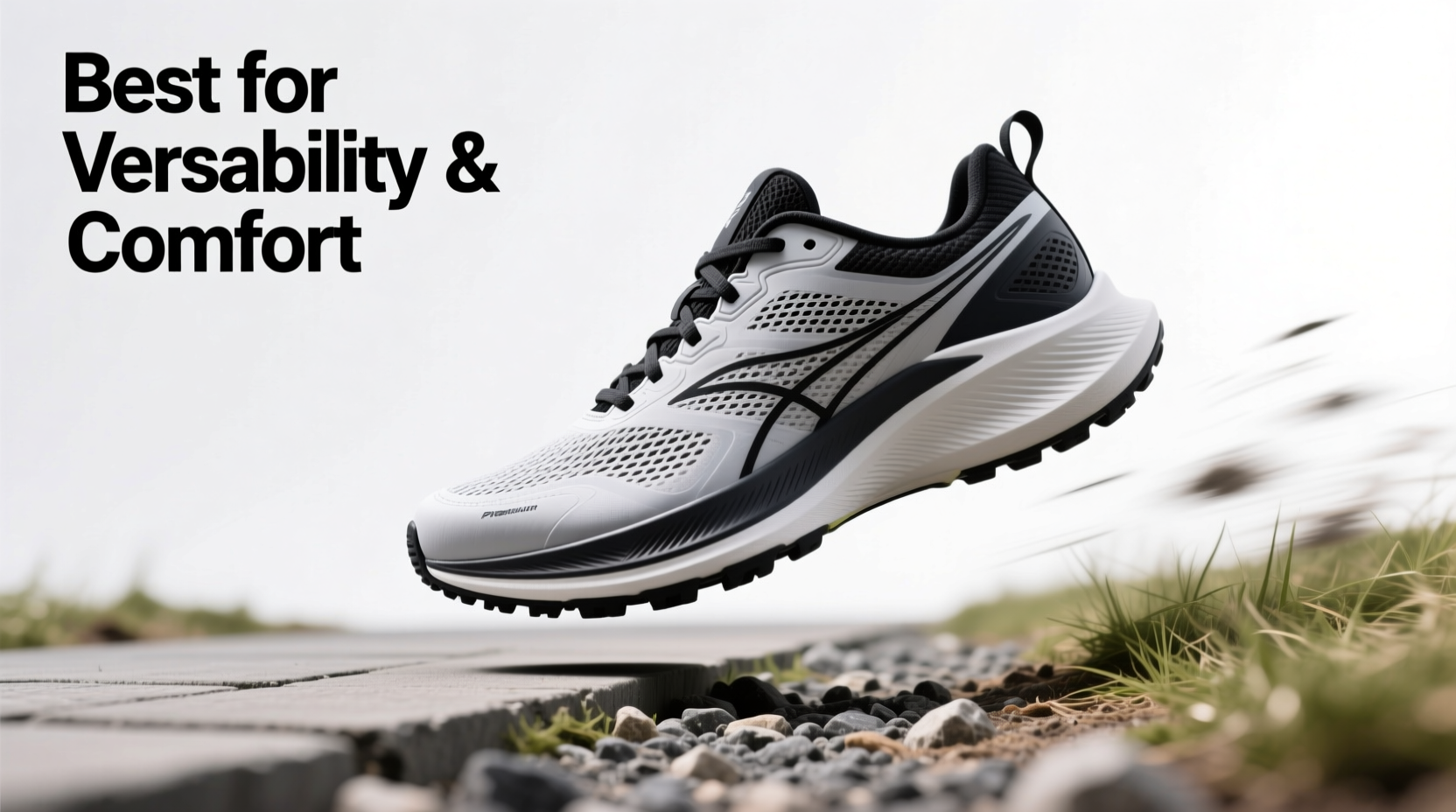
Versatility in a running shoe means it performs reliably across different activities without compromising safety or efficiency. A shoe designed solely for road running may lack the outsole grip needed for trail terrain, while a rigid cross-trainer might feel too stiff for sustained jogging. The sweet spot lies in a balanced design that integrates key features:
- Moderate cushioning: Enough to absorb impact during runs but not so plush that it hampers stability during lifts or side-to-side movements.
- Durable outsole with multi-surface traction: Rubber compounds that grip concrete, gym floors, gravel, and wet tarmac without excessive wear.
- Breathable upper materials: Engineered mesh or knit fabrics that allow airflow while maintaining structural integrity.
- Responsive midsole foam: Modern foams like Nike React, Adidas Lightstrike, or PWRRUN+ deliver energy return without collapsing under load.
- Secure fit through midfoot lockdown: Heel counters and adaptive lacing systems prevent slippage during quick direction changes.
Top 5 Workout Running Shoes for All-Around Performance
After extensive testing and analysis of biomechanical feedback, customer reviews, and lab durability reports, these five models stand out for their ability to transition seamlessly between running, gym sessions, and hybrid training.
| Shoe Model | Cushioning Type | Weight (Men's US9) | Best For | Durability Rating (Out of 10) |
|---|---|---|---|---|
| Brooks Ghost 15 | BioMoGo DNA + DNA LOFT | 10.1 oz | Road runs, light gym work | 9 |
| Nike Pegasus 40 | Nike React Foam | 10.3 oz | Daily training, treadmills | 8.5 |
| ASICS Novablast 4 | FF Blast+ Eco | 9.8 oz | Speedwork, bouncy feel | 8 |
| Hoka Mach 5 | Profly+ Midsole | 7.9 oz | Long-distance comfort | 7.5 |
| New Balance Fresh Foam X 1080v13 | Fresh Foam X | 10.6 oz | All-day wear, high-mileage runs | 9 |
Each of these shoes strikes a balance between softness and responsiveness. The Brooks Ghost 15, for example, is frequently praised for its smooth heel-to-toe transition and consistent performance over hundreds of miles. Meanwhile, the Hoka Mach 5 offers an unusually lightweight experience despite maximalist cushioning—ideal for those who prioritize joint protection without sacrificing pace.
How to Choose Based on Your Training Routine
Your ideal shoe depends heavily on how you move. Someone doing 5K runs three times a week with occasional bodyweight circuits needs different support than a CrossFit athlete adding short sprints to lifting days.
- Runners focusing on distance: Prioritize cushioning and shock absorption. Look for shoes with dual-density midsoles and extended heel crash pads.
- Gym-and-run hybrids: Seek flat, stable platforms. Avoid overly rockered soles that hinder squat depth or deadlift form.
- Trail-to-road transitioners: Opt for durable outsoles with multidirectional lugs and protective toe caps.
- High-intensity interval trainers: Lightweight builds with secure uppers help maintain precision during rapid footwork.
“Versatility doesn’t mean compromise—it means optimization across disciplines. The best hybrid shoes now rival specialized ones in performance.” — Dr. Lena Torres, Sports Biomechanist at Boulder Movement Lab
Real-World Example: From 5K to Functional Fitness
Take Sarah, a physical therapist and weekend runner who also attends HIIT classes twice weekly. She previously owned separate shoes for running and gym work but found the constant switching inconvenient and costly. After trying the New Balance 1080v13, she noticed immediate improvements: reduced foot fatigue after back-to-back workouts, better grip during box jumps, and no blisters even during 6-mile tempo runs.
The shoe’s wider forefoot allowed her toes to splay naturally during lunges, while the Fresh Foam X cushioning softened landings without feeling mushy. Over six months, she logged over 300 miles—far exceeding the typical lifespan expectations—and still uses them for moderate-paced runs and circuit training. Her experience underscores how modern materials enable true multi-role functionality.
Actionable Checklist Before Buying
Before purchasing a new pair of workout running shoes, verify the following:
- ✅ Measure your foot size and width—don’t assume your size is consistent across brands.
- ✅ Test shoes on an incline treadmill or stairs to assess forefoot flex.
- ✅ Perform a lateral pivot test in-store or at home to check midfoot containment.
- ✅ Wear the same socks you plan to train in during fitting.
- ✅ Walk or jog around the store for at least five minutes to detect pressure points.
- ✅ Confirm return policy—many online retailers offer 30–60 day trial periods.
Frequently Asked Questions
Can I use running shoes for weightlifting?
Yes, but with caveats. Traditional running shoes have elevated heels and compressible soles, which can destabilize heavy lifts. If using running shoes for light resistance work or circuits, ensure a firm midsole and flat profile. For serious strength training, consider minimalist or dedicated lifting shoes.
How often should I replace my workout running shoes?
Most experts recommend replacing running shoes every 300–500 miles. Signs of wear include loss of bounce, visible creasing in the midsole, uneven outsole erosion, or increased joint discomfort post-workout. Rotate two pairs to extend lifespan and reduce breakdown speed.
Are expensive running shoes worth it?
Not always. While premium models often feature advanced foams and engineering, mid-tier options like the ASICS Novablast or Saucony Ride series deliver comparable comfort and longevity at lower prices. Focus on fit and function rather than price tag.
Final Recommendations and Next Steps
The best workout running shoes blend adaptability with enduring comfort. Models like the Brooks Ghost 15 and New Balance 1080v13 prove that a single pair can handle pavement pounding, indoor circuits, and everything in between—without asking you to sacrifice performance. When shopping, prioritize personal fit over trends, test shoes under realistic conditions, and pay attention to how your body responds after extended use.
Footwear is foundational to athletic success. Investing time in finding the right shoe pays dividends in injury prevention, endurance, and overall enjoyment of movement. Don’t settle for “good enough”—your feet carry you through every goal you set.
🚀 Ready to upgrade your stride? Visit a specialty running store this week, try on two models from this list, and take them for a test run. Share your experience below—what did you notice about fit, bounce, or breathability?








