
Choosing the right skin diving mask is essential for a safe, enjoyable, and immersive experience beneath the surface. Whether you're snorkeling along coral reefs or exploring coastal rock formations, your mask is your window to the underwater world. A poorly fitting or low-quality mask can lead to leaks, fogging, discomfort, and even discourage future dives. The ideal mask balances comfort, optical clarity, and long-term durability—three non-negotiable qualities for serious and casual divers alike.
After extensive testing and analysis of top models across brands, materials, and designs, this guide highlights what truly matters when selecting a high-performance skin diving mask. From fit and field of vision to anti-fog technology and construction resilience, we break down the key factors that define excellence in modern masks.
Fundamentals of a High-Performance Skin Diving Mask
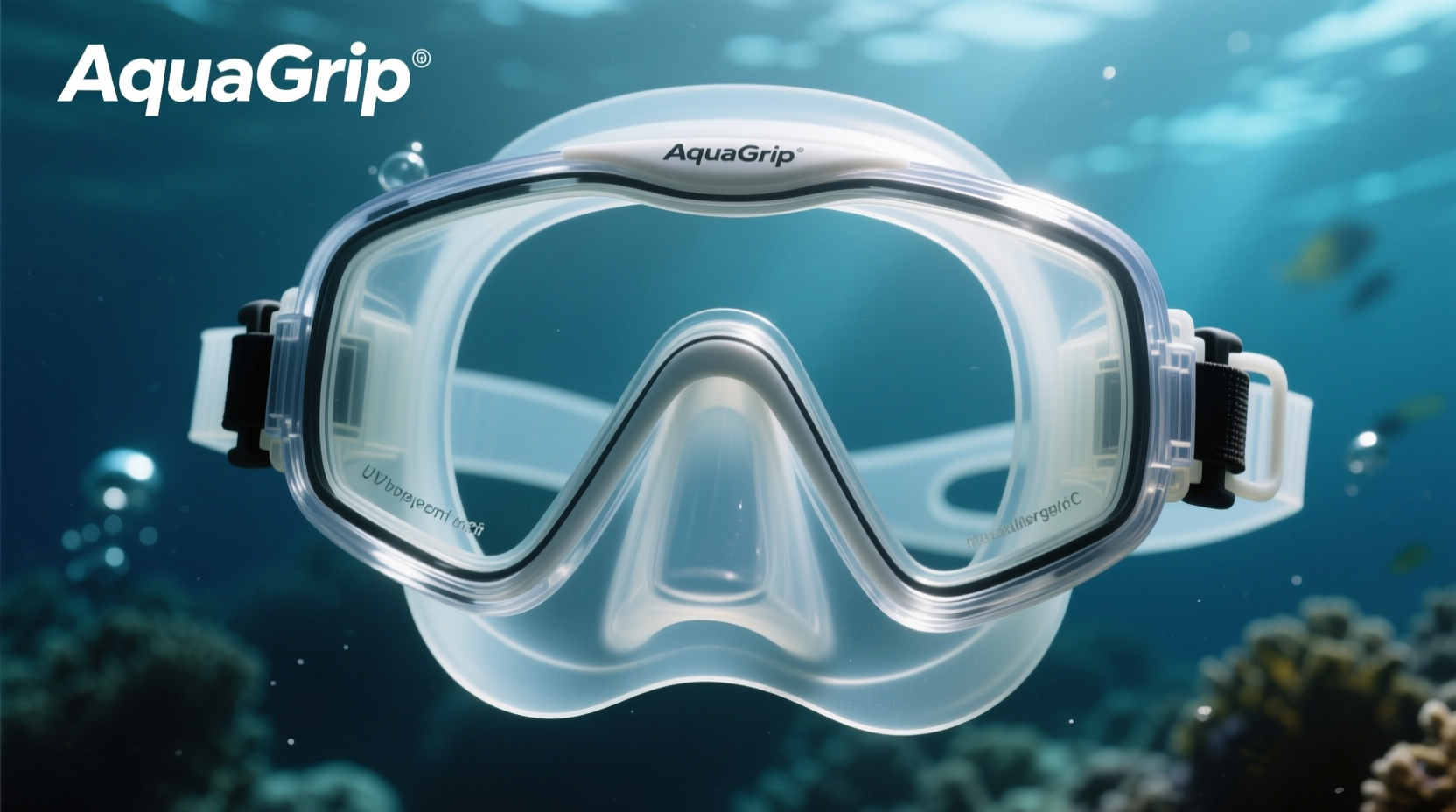
A superior skin diving mask must meet three core criteria: comfort during extended wear, crystal-clear visibility underwater, and resistance to wear and environmental stressors. These elements are interdependent—poor comfort can compromise focus, while poor clarity undermines safety, and weak durability leads to frequent replacements.
- Comfort: Achieved through soft silicone skirts, proper facial contouring, and minimal pressure on the nose and eye sockets.
- Clarity: Dependent on tempered glass lenses with anti-reflective and anti-fog coatings, as well as wide panoramic fields of view.
- Durability: Determined by robust frame construction (or frameless design), UV-resistant materials, and reliable strap attachments.
Many budget masks fail in one or more of these areas, often using hard plastic skirts that irritate the skin or thin glass prone to scratching. Premium models, meanwhile, use medical-grade silicone, reinforced buckles, and shatter-resistant lenses designed for years of regular use.
Tip: Always perform a suction test before purchasing: place the mask on your face without the strap, inhale gently through your nose, and release. If it holds for 5–10 seconds, the seal is strong.Top-Rated Masks for Comfort, Clarity & Durability
Based on real-world performance, user feedback, and expert evaluation, the following models stand out in balancing all three critical attributes.
| Model | Key Features | Best For | Durability Rating (5.0) |
|---|---|---|---|
| Cressi F1 Evo | Frameless design, ultra-wide lens, double-seal skirt | Snorkelers seeking panoramic views | 4.8 |
| Scubapro Synergy Twin | Twin-lens system, ergonomic buckle, anti-reflective coating | Divers needing precise optics | 4.7 |
| Atomic Aquatics SubFrame | Low-volume design, TruForm skirt, lifetime glass warranty | Travel divers and frequent users | 5.0 |
| Mares X-Vision Ultra | Curved tempered glass, fluid seal skirt, adjustable strap | Facial variety compatibility | 4.6 |
The Cressi F1 Evo excels in minimizing internal volume, allowing for easier equalization and reduced air space—ideal for deeper dives. Meanwhile, the Atomic Aquatics SubFrame uses proprietary materials resistant to saltwater corrosion and UV degradation, making it a favorite among dive instructors and charter operators.
How to Choose Based on Fit and Face Shape
No single mask fits all faces. Facial anatomy varies significantly, especially around the bridge of the nose and cheekbones. A mask that seals perfectly on one person may leak on another due to structural differences.
- Measure your nasal bridge: Narrow bridges require masks with flexible nose pockets (e.g., Cressi). Wider bridges benefit from adjustable nose cups like those on Scubapro models.
- Check cheek clearance: Press the mask against your face. It should rest above the upper lip and not press into the cheeks, which can cause leaks during facial movement.
- Evaluate forehead coverage: Avoid models that extend too high, as they increase dead air space and reduce comfort over time.
Women and individuals with smaller facial structures often find better success with compact models such as the Aqua Lung Look Jr. or the TUSA Synergy One Open Heel, both engineered for reduced facial footprint without sacrificing lens area.
“Fit is everything in mask selection. I’ve seen experienced divers struggle simply because they chose a mask based on looks rather than anatomical compatibility.” — Rafael Mendez, PADI Master Instructor with 18 years of tropical dive leadership
Maintaining Clarity: Anti-Fog Strategies That Work
Even the clearest lens will fog under humid conditions unless properly treated. While most masks come with factory-applied anti-fog coatings, these degrade after repeated use. Maintaining clarity requires proactive care.
Tip: Never rinse your new mask with hot water—it can strip the factory anti-fog layer. Use lukewarm water only.Effective anti-fog methods include:
- Applying liquid anti-fog solutions before each dive
- Using natural saliva in emergencies (rinse lightly after)
- Re-coating lenses annually with DIY solutions like diluted baby shampoo (one drop per cup of water)
For long-term clarity preservation, store your mask in a padded case away from direct sunlight. UV exposure yellows silicone and degrades polycarbonate components over time.
Step-by-Step Guide to Testing and Breaking In a New Mask
To ensure optimal performance and longevity, follow this proven break-in process:
- Initial Rinse: Wash the mask with mild soap and cool water to remove manufacturing residues.
- Suction Test: Place the mask on your bare face, inhale through your nose, and let go. A good seal holds for at least 8 seconds.
- Strap Adjustment: Position the strap across the widest part of your head, just above the ears. Tighten only enough to prevent shifting—over-tightening causes discomfort and distortion.
- First Immersion: Submerge in calm water for 5–10 minutes. Check for leaks around the nose and temples.
- Anti-Fog Application: Apply a commercial anti-fog solution and rinse according to instructions.
- Log Usage: Note any pressure points or visual distortions after each session. Return if persistent issues arise.
This protocol helps identify fit problems early and preserves the integrity of sensitive coatings and seals.
Common Mistakes That Reduce Mask Lifespan
Even premium masks fail prematurely when mishandled. Avoid these common errors:
- Leaving the mask in direct sun on boat decks or car dashboards
- Storing it folded or compressed, which warps the skirt
- Cleaning with abrasive cloths or alcohol-based wipes
- Allowing sand to remain on the seal, causing micro-scratches
Instead, rinse thoroughly with fresh water after every use, pat dry with a lint-free cloth, and store flat in a ventilated container.
FAQ
Can I wear glasses with a skin diving mask?
Yes. Some manufacturers offer corrective lens inserts (like those from Oceanic or U.S. Divers). Alternatively, prescription masks custom-built with optical lenses provide sharper vision for nearsighted or farsighted divers.
How often should I replace my skin diving mask?
Every 3–5 years with regular use. Signs it’s time to replace include brittle silicone, persistent fogging despite treatment, cracked lenses, or difficulty achieving a seal—even after strap adjustments.
Are frameless masks more durable than framed ones?
Not necessarily. Frameless masks reduce internal volume and improve field of view but rely entirely on lens strength. High-end framed models distribute pressure more evenly and resist impact better in rocky environments. Both types last equally long with proper care.
Conclusion: Dive With Confidence
The best skin diving mask for comfort, clarity, and durability isn’t defined by brand prestige or price alone—it’s determined by how well it aligns with your physiology and usage habits. Investing in a well-engineered model pays dividends in enhanced enjoyment, safety, and underwater awareness. By prioritizing fit, maintaining optical performance, and respecting material limits, your mask becomes a reliable companion across countless dives.
🚀 Ready to upgrade your underwater experience? Test one of the recommended models on your next trip, and feel the difference precision engineering makes. Share your favorite mask features or ask questions in the comments below—we’re diving deeper together.








