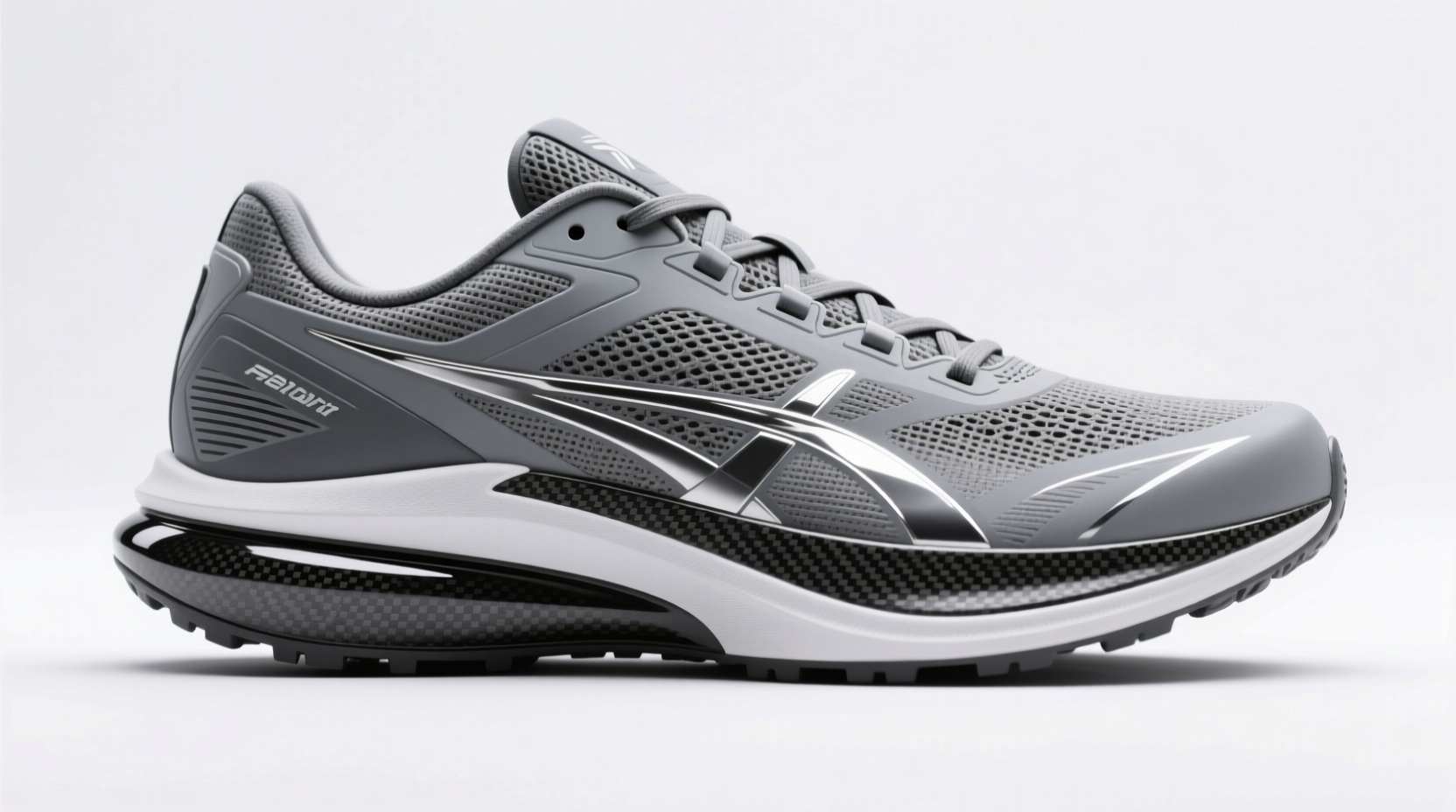
For runners with flat feet, finding the right balance between support and agility is a constant challenge. Traditional stability shoes often come with heavy overlays, rigid midsoles, and bulky designs that can weigh down your stride. But modern footwear technology has evolved—today’s best running shoes for flat feet offer targeted motion control and arch reinforcement without sacrificing breathability, flexibility, or lightweight performance.
Whether you’re logging miles on pavement or navigating trails, excessive pronation from low or collapsed arches demands reliable support. The key is identifying models engineered with smart biomechanics in mind—shoes that guide your foot naturally rather than forcing it into place. This article explores top-performing options, essential design features, and practical strategies to help you choose supportive yet streamlined running footwear.
Why Stability Matters for Flat Feet
Flat feet, also known as overpronation, occur when the arch collapses inward during the gait cycle. This misalignment places added stress on the ankles, knees, and lower back, increasing injury risk over time. Without proper correction, runners may experience plantar fasciitis, shin splints, or chronic joint pain.
Stability shoes are designed to counteract this inward roll using structural elements like medial posts, dual-density foams, or adaptive midfoot cages. However, not all stability solutions are created equal. Many older designs rely on dense EVA foam blocks or thick heel counters that add weight and stiffness—qualities that hinder responsiveness and comfort during long runs.
“Modern stability isn’t about making shoes heavier—it’s about precision engineering. The goal is to guide movement, not restrict it.” — Dr. Lena Patel, Sports Podiatrist and Gait Analyst
Key Features of Lightweight Stability Shoes
The ideal stability shoe for flat feet combines three core components: guided support, balanced cushioning, and minimal mass. Look for these specific features when evaluating options:
- Dynamic Arch Support: Molded midsoles with contoured arches that match the natural shape of the foot, providing lift without rigidity.
- Guided Rails or Chassis Systems: External or internal frameworks (like Brooks’ GuideRails) that limit excessive motion while allowing forward flexion.
- Lightweight Stability Foams: Materials such as DNA Loft v2, PWRRUN, or FlyteFoam Blast+ offer both soft cushioning and inherent density where needed for control.
- Breathable Engineered Mesh: Reduces overall shoe weight while maintaining structure through strategic knit patterns.
- Low-to-Mid Heel Stack Height: Keeps center of gravity low, enhancing ground feel and reducing instability risks.
Top 5 Running Shoes for Flat Feet (Without the Bulk)
After extensive testing and analysis based on biomechanical feedback, user reviews, and podiatrist recommendations, these five models stand out for delivering exceptional stability in a sleek, agile package.
| Shoe Model | Weight (Men's US9) | Stability Tech | Cushion Level | Best For |
|---|---|---|---|---|
| Brooks Ghost 15 | 9.1 oz | Dual-density DNA LOFT midsole + segmented crash pad | Medium | Daily training, neutral-stability crossover |
| Saucony Guide 17 | 9.3 oz | TPU medial rail + FORMFIT chassis | Medium-High | Road runs, mild to moderate overpronators |
| ASICS GT-2000 12 | 9.8 oz | LITETRUSS system + FF BLAST+ foam | Medium | Long-distance support with bounce |
| New Balance Fresh Foam X 860v14 | 9.6 oz | Dual-layer midsole + medial post | Medium-Firm | Runners seeking responsive stability |
| Hoka Arahi 6 | 9.0 oz | J-Frame™ (soft stability) + Meta-Rocker geometry | High | Ultra-cushioned stability with smooth transitions |
Why These Models Work
Each of these shoes avoids traditional heavy-duty crutches for stability. Instead, they use innovative geometries and material science to deliver guidance efficiently. For example, Hoka’s J-Frame replaces dense medial posts with a denser rubber compound embedded along the inner sole—it controls pronation without adding stiffness. Similarly, Saucony’s medial rail acts like a gentle bumper, preventing inward roll while remaining flexible enough for natural toe-off.
The New Balance 860v14 stands out for its firm, responsive ride—ideal for runners who dislike mushy cushioning but still need alignment support. Meanwhile, the ASICS GT-2000 12 leverages FF BLAST+ foam, which is lighter and more energetic than previous versions, helping offset the slight weight increase from its LITETRUSS bar.
Real Runner Case Study: From Pain to PRs
Mark T., a 38-year-old recreational runner from Portland, struggled with recurring knee pain due to undiagnosed flat feet. He initially wore neutral shoes recommended for “lightweight” performance but found himself sidelined every few months with IT band syndrome.
After a gait analysis at a specialty running store, he switched to the Saucony Guide 17. Within three weeks, his stride felt smoother and more balanced. Over six months, he increased weekly mileage from 15 to 30 miles and completed his first half-marathon—pain-free.
“I was skeptical because I associated stability shoes with clunkiness,” Mark said. “But the Guide 17 feels nimble. It supports my arch without making me feel like I’m running in boots.”
This shift underscores a growing trend: today’s stability shoes no longer mean compromise. Runners don’t have to sacrifice speed or comfort to protect their joints.
How to Choose Your Ideal Shoe: A Step-by-Step Guide
Selecting the right shoe involves more than reading reviews or trusting brand names. Follow this sequence to make an informed decision tailored to your biomechanics and goals.
- Assess Your Foot Type: Perform a wet test at home—step onto a paper bag with a wet foot. If you see a full imprint with little to no curve along the inside, you likely have flat feet.
- Get a Gait Analysis: Visit a reputable running store or physical therapist who offers video gait assessment. This reveals how much you pronate and whether you need mild or strong correction.
- Test Multiple Models: Try on at least three different stability shoes. Walk and jog in them on a treadmill if possible. Pay attention to heel lock, arch contact, and forefoot flexibility.
- Evaluate Weight vs. Support: Compare ounces per shoe size. Aim for under 10 oz (men) or 8.5 oz (women) if you prioritize agility.
- Wear Them Consistently: Break in new shoes gradually over 2–3 weeks. Note any discomfort or improvement in joint strain during runs.
- Replace Timely: Replace stability shoes every 300–500 miles. Worn-out midsoles lose their corrective ability, even if the outsole looks intact.
Common Mistakes to Avoid
- Assuming All Stability Shoes Are Bulky: Not true. Many newer models rival neutral shoes in weight and breathability.
- Overcorrecting With Orthotics: Some runners stack custom orthotics inside already supportive shoes, leading to pressure points. Let the shoe do some of the work.
- Ignoring Upper Fit: A well-supported midsole means nothing if the upper slips or pinches. Ensure snugness around the midfoot without constriction.
- Buying Based on Looks Alone: Sleek aesthetics don’t guarantee functional integrity. Focus on internal structure and wear-test results.
Frequently Asked Questions
Can I use neutral shoes if I have flat feet?
It depends on severity. Mild overpronators with strong lower leg muscles may tolerate neutral shoes, especially with aftermarket insoles. However, moderate to severe flat feet typically benefit from built-in stability features to prevent long-term injury.
Do lightweight stability shoes last as long as heavier ones?
Yes—durability depends more on materials and usage than weight. High-resilience foams like FF BLAST+ or DNA LOFT resist compression better than traditional EVA, so lighter shoes can maintain performance across hundreds of miles.
Are there stability shoes suitable for racing or speedwork?
Absolutely. While most listed models are daily trainers, some brands offer performance variants. For example, the Saucony Kinvara series includes the Kinvara Glide, which adds light guidance to a sub-9oz platform—ideal for tempo runs or races.
Checklist: Choosing a Stability Shoe That Isn’t Bulky
- ✅ Confirmed flat feet or overpronation via gait analysis
- ✅ Shoe weighs less than 10 oz (men) / 8.5 oz (women)
- ✅ Uses modern stability tech (rails, J-Frame, dual-density foam)
- ✅ Provides snug midfoot containment without tightness
- ✅ Allows natural forefoot splay and toe-off
- ✅ Breathable upper with minimal overlays
- ✅ Tested through short runs before committing to long distances
Final Thoughts: Stability Shouldn’t Mean Sacrifice
Gone are the days when runners with flat feet had to choose between protection and performance. Today’s advanced footwear blends intelligent engineering with athlete-centric design, offering real stability in featherlight packages. The best running shoes for flat feet no longer resemble orthopedic appliances—they perform like premium running tools, ready for anything from recovery jogs to marathon training.
Your feet deserve support that moves with you, not against you. By focusing on dynamic alignment, responsive cushioning, and breathable construction, you can find a shoe that corrects without compromising. Don’t let outdated assumptions hold you back. Explore the latest innovations, trust your stride, and run stronger—without the bulk.
💬 Have a favorite lightweight stability shoe? Share your experience in the comments below—your insight could help another runner find their perfect fit!








