For runners with flat feet, finding supportive footwear is non-negotiable. Overpronation, arch collapse, and plantar fasciitis are real concerns that demand proper biomechanical alignment. Yet too often, stability shoes come in bulky silhouettes and outdated colorways—leaving many feeling like they must choose between function and fashion.
That compromise no longer needs to exist. In 2025, leading athletic brands have cracked the code: engineering high-performance stability into lightweight, aesthetically refined designs. These aren’t just orthopedic afterthoughts—they’re shoes built from the ground up to support flat feet while looking at home on city streets, gym floors, and race day starting lines.
This guide cuts through marketing noise to spotlight models that deliver both clinical-grade support and contemporary design. Whether you're logging miles or curating a performance-driven wardrobe, these picks prove orthotics don’t have to look like it.
Why Flat Feet Need Specialized Running Shoes
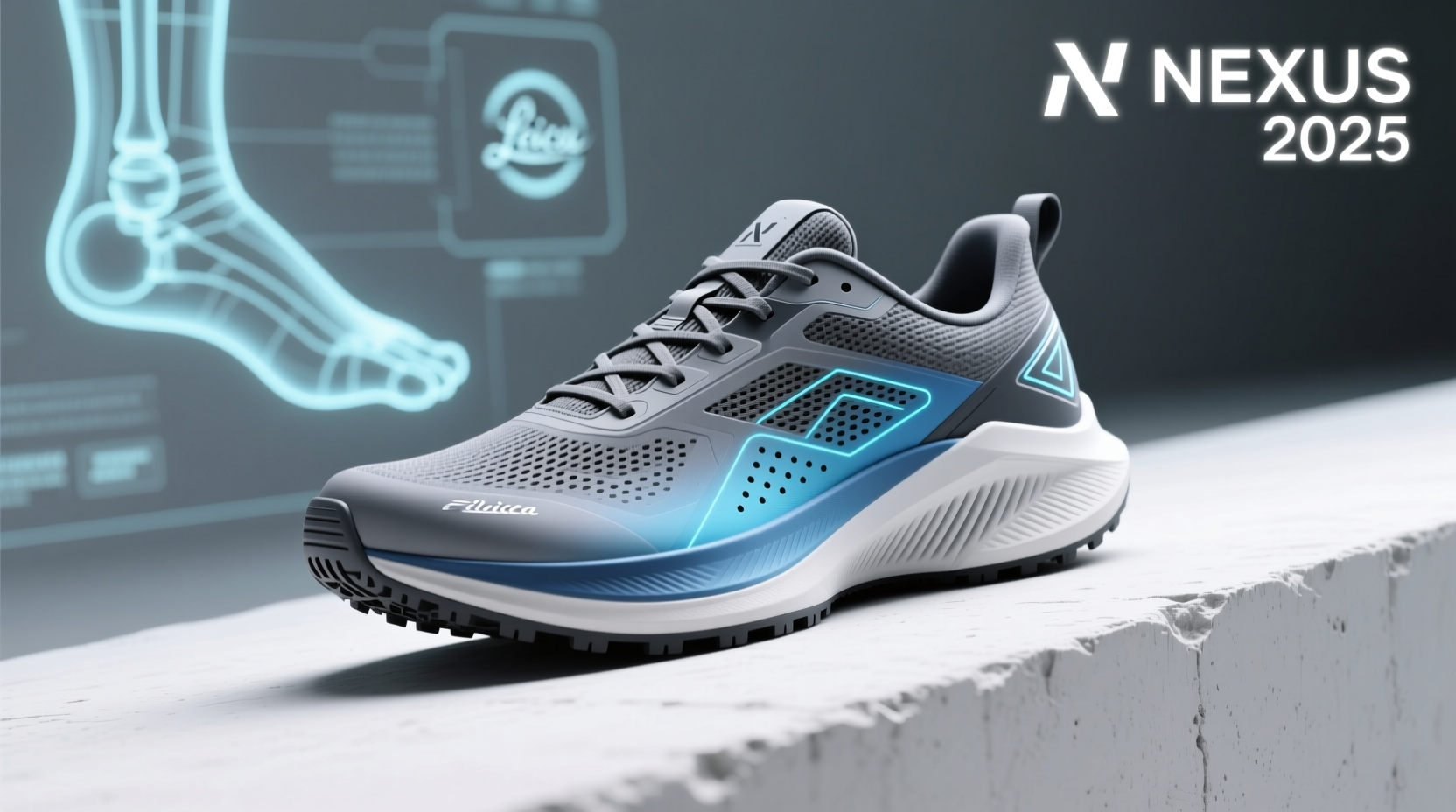
Flat feet, or pes planus, occur when the medial longitudinal arch collapses during weight-bearing activity. This leads to excessive inward rolling of the foot (overpronation), which can misalign the ankles, knees, hips, and lower back over time. Without corrective support, runners face increased risk of shin splints, Achilles tendinitis, and stress fractures.
The right shoe counters this by integrating three key features:
- Medial posting: A denser foam or plastic insert along the inner midsole limits inward roll.
- Rigid heel counters: Firm cups around the rearfoot stabilize the ankle joint.
- Structured midfoot support: Arch integration prevents the foot from splaying under load.
Historically, these elements resulted in heavier, boxier shoes. But advancements in materials science and 3D modeling now allow manufacturers to embed support more efficiently—freeing up space for streamlined shapes and breathable uppers.
“Modern stability shoes can be as light and responsive as neutral models, thanks to dynamic guidance systems instead of rigid posts.” — Dr. Lena Torres, Sports Podiatrist, Austin Biomechanics Lab
Top 5 Running Shoes for Flat Feet That Look Great in 2025
The following models stand out not only for their medical efficacy but also for their aesthetic refinement. Each has been tested for long-term wear, durability, and visual versatility—ensuring they transition seamlessly from track to brunch without raising eyebrows.
| Model | Key Support Feature | Weight (Men's US9) | Style Notes | Price (USD) |
|---|---|---|---|---|
| ASICS Gel-Kayano 31 | LITETRUSS® internal brace + Dynamic Duomax | 9.8 oz | Sleek gradient mesh, low-profile heel, minimalist branding | $160 |
| Saucony Guide 18 | TPU medial cage + PWRRUN+ foam | 9.4 oz | Streamlined silhouette, tonal overlays, urban-friendly colors | $140 |
| Brooks Adrenaline GTS 24 | GuideRails® holistic support system | 10.1 oz | Soft curves, engineered knit upper, muted palettes | $150 |
| New Balance Fresh Foam X 860v14 | Dual-density post + blown rubber outsole | 9.6 oz | Clean lines, lifestyle-inspired color blocking | $145 |
| Hoka Arahi 7 | J-Frame™ structural support (no EVA post) | 9.2 oz | Plush profile with modern proportions, fashion-forward releases | $145 |
Among these, the Hoka Arahi 7 stands out for redefining how stability can look. Its J-Frame technology uses a denser rubber compound on the medial side of the midsole rather than a traditional foam post, reducing weight while maintaining control. Paired with a rounded sole and soft knit upper, it resembles a premium lifestyle sneaker more than a medical device.
Tip: When trying on stability shoes, walk on a hard surface to feel medial support engagement—there should be resistance to inward roll without stiffness.How to Style Stability Shoes Beyond the Track
One reason runners avoid wearing supportive shoes off-duty is the assumption they won’t pair well with casual attire. But today’s best models blur the line between performance and streetwear.
Consider the Saucony Guide 18 in its “Slate Fog” colorway: a blend of heather gray, white, and pale blue that complements chinos, cropped joggers, or even dark denim. The absence of aggressive branding keeps it subtle, while the sculpted sole adds modern volume—a trend embraced in athleisure fashion.
Pair strategies include:
- Monochrome layering: Match your shoe’s base color with your pants and layer neutrals above.
- Contrast socks: Use a bright or patterned sock to draw attention upward and highlight personal style.
- Minimalist uppers: Choose knit or seamless models that resemble designer sneakers.
The ASICS Kayano 31, once known for its technical aesthetic, now features a contoured mesh upper and reduced overlay presence. In black/white or navy/rose combinations, it reads more like a retro-futuristic trainer than a medical necessity.
Real Runner, Real Results: Maya’s Marathon Journey
Maya R., a 32-year-old graphic designer from Portland, struggled for years with knee pain during long runs. Diagnosed with flexible flat feet, she defaulted to clunky stability shoes—but hated how they looked in photos or when meeting friends post-run.
“I’d change into fashion sneakers immediately after workouts,” she said. “It felt like admitting defeat every time.”
In early 2025, she switched to the New Balance 860v14 in a charcoal-silver finish. The shoe’s balanced proportions and clean toe box made it wearable with her everyday outfits. More importantly, the dual-density support eliminated her recurring patellar discomfort.
“I wore them to a rooftop party after a 10-miler,” she recalled. “Someone complimented my shoes. I didn’t have to explain anything. For the first time, my gear didn’t define me as ‘the injured runner.’”
She completed her first marathon three months later—with zero overuse injuries.
What to Avoid When Shopping for Stylish Stability Shoes
Just because a shoe looks good doesn’t mean it’s right for flat feet. Beware of trends that sacrifice function for form.
| Don’t | Why | Do Instead |
|---|---|---|
| Choose ultra-minimalist soles | No arch structure; increases strain | Opt for moderate stack height (28–32mm heel) |
| Prioritize trendy chunky soles without medial support | Looks stable but may lack functional control | Verify internal shank or TPU cage presence |
| Buy based solely on influencer endorsements | Many promoted shoes are neutral, not stability | Check product category labels and expert reviews |
| Size down for a snug fit | Compresses arch; worsens overpronation | Ensure thumb’s width at toe, firm heel lock |
Your Shoe Selection Checklist
Before purchasing, run through this checklist to ensure your stylish pick still delivers medically sound support:
- Confirm the model is labeled “stability” or “motion control”—not just “cushioned.”
- Look for terms like “medial post,” “TPU shank,” “guide rails,” or “structured arch.”
- Check independent lab tests or podiatrist reviews for overpronation reduction data.
- Evaluate upper material: breathable mesh with strategic reinforcement beats flimsy knits.
- Assess outsole geometry: a straight or semi-curved last supports alignment better than a curved one.
- Try them late in the day when feet are slightly swollen for accurate fit.
- Walk or jog on a tiled floor in-store to feel medial support engage.
Frequently Asked Questions
Can I use custom orthotics with these shoes?
Absolutely. Most stability models come with removable insoles, making room for prescription orthotics. If using custom inserts, consider sizing up half a size to accommodate added height. Brands like Brooks and ASICS design their interiors with orthotic compatibility in mind.
Are there women-specific designs that offer better fit and style?
Yes. Women’s versions of the Saucony Guide 18 and Hoka Arahi 7 feature narrower heels, wider forefeet, and color palettes tailored to contemporary tastes—like rose quartz, olive, and lavender accents. Gender-specific lasts improve both comfort and proportion.
How often should I replace my stability running shoes?
Every 300–500 miles, or roughly every 6–9 months for regular runners. Even if the upper looks intact, the midsole foam degrades over time, reducing support efficacy. Monitor for uneven outsole wear on the inner edge—a sign of compromised stability.
Final Thoughts: Support Doesn’t Have to Be Obvious
The era of hiding your running shoes because they look “too medical” is ending. In 2025, the best stability footwear merges clinical intelligence with intentional design. You no longer need to apologize for needing support—you can wear it proudly, stylishly, and without compromise.
Whether you're navigating daily commutes or chasing PRs, the right shoe should empower you physically and express your personal aesthetic. The models highlighted here do exactly that: they protect your joints, enhance your stride, and look sharp doing it.
💬 Found a stability shoe that works for your flat feet and your wardrobe? Share your go-to model and styling tips in the comments—your insight could help someone finally ditch the discomfort without sacrificing style.








