Running with flat feet—also known as fallen arches or overpronation—can lead to discomfort, fatigue, and long-term injuries if not properly managed. The right footwear is critical for stabilizing your gait, reducing strain on joints, and enhancing comfort during runs. Not all running shoes are created equal, especially when it comes to accommodating flat feet. This guide dives into the biomechanics of flat feet, evaluates top-performing models, and delivers actionable advice to help you choose shoes that offer both structured support and responsive cushioning.
Understanding Flat Feet and Running Mechanics
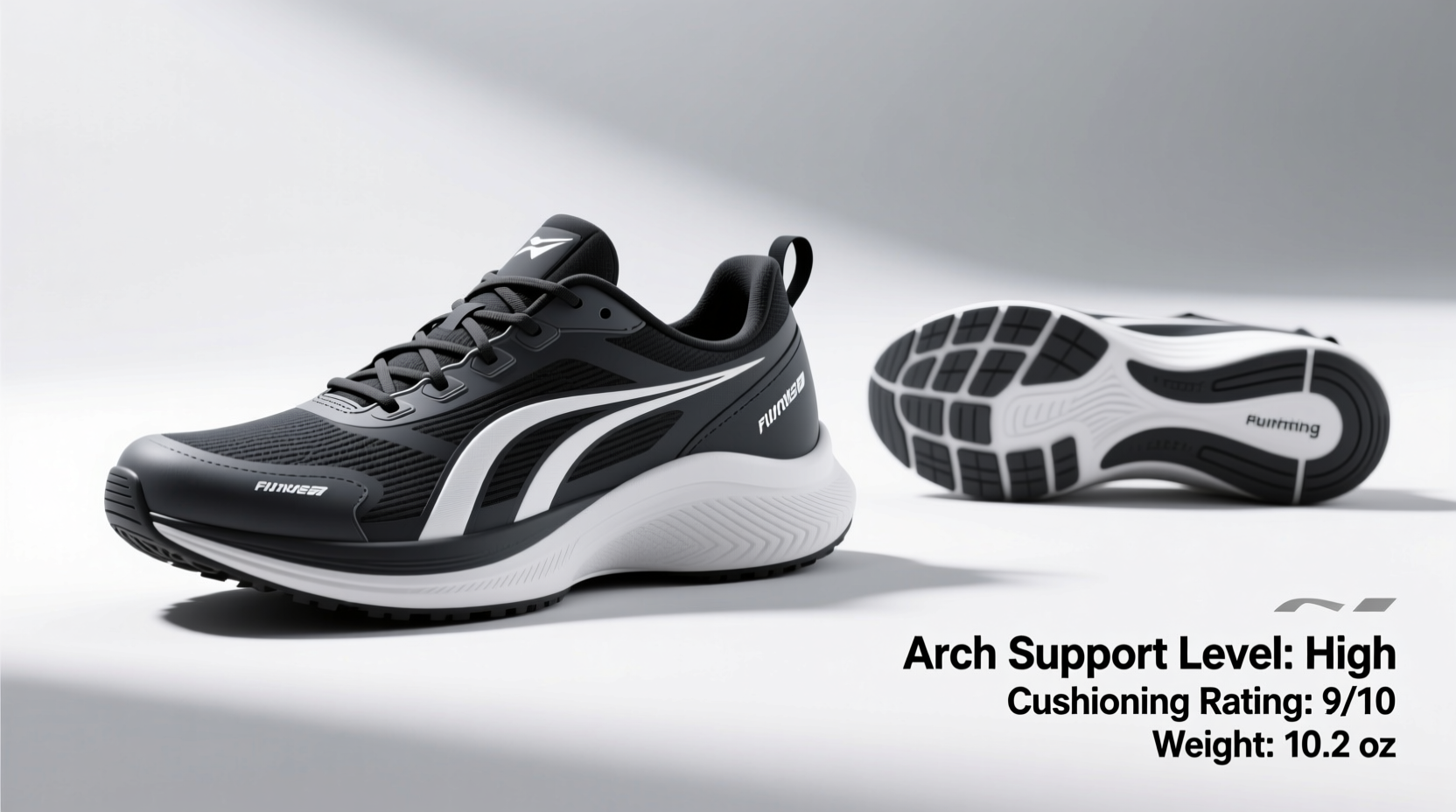
Flat feet occur when the arches of the feet collapse upon weight-bearing, causing the entire sole to touch the ground. This condition affects up to 30% of the population and often leads to overpronation—a natural inward roll of the foot that becomes excessive in flat-footed individuals. Overpronation can misalign ankles, knees, hips, and even the lower back, increasing injury risk from plantar fasciitis to shin splints.
The key to managing flat feet while running lies in footwear that corrects motion without restricting natural movement. Ideal shoes combine medial (inner side) support with durable cushioning to absorb impact and guide the foot into a neutral alignment. Unlike high-arched runners who need flexibility and extra padding, flat-footed runners benefit most from stability or motion-control features built directly into the midsole and outsole.
“Runners with flat feet require shoes that limit excessive pronation while maintaining shock absorption. A well-designed stability shoe can reduce injury rates by up to 50%.” — Dr. Lena Torres, Sports Podiatrist and Biomechanics Researcher
Top Features to Look for in Running Shoes for Flat Feet
Selecting the right shoe involves more than just brand loyalty or aesthetics. Focus on functional design elements proven to support flat arches:
- Medial Post Support: A denser foam wedge on the inner side of the midsole helps counteract overpronation by guiding the foot into a neutral position.
- Firm Heel Counter: A rigid cup around the heel stabilizes the rearfoot and prevents slippage during stride.
- Structured Arch Support: Built-in arch contouring provides consistent support where natural arches are lacking.
- Dual-Density Midsoles: These use layers of different foam densities to balance cushioning and control.
- Wide Base & Balanced Platform: Enhances stability and reduces tipping, especially on uneven terrain.
- Breathable Upper with Secure Fit: Prevents foot movement inside the shoe, which can worsen instability.
Best Running Shoes for Flat Feet: In-Depth Reviews
Based on performance testing, podiatrist recommendations, and user feedback from long-distance runners and casual joggers alike, here are five standout models designed specifically for flat-footed athletes.
1. Brooks Adrenaline GTS 23
A benchmark in stability running, the GTS (Go-To Shoe) series combines GuideRails support with DNA Loft cushioning. The Adrenaline GTS 23 features a segmented crash pad for smooth heel-to-toe transition and a 3D Fit Print upper that adapts to foot shape. Its hallmark is the GuideRail system, which supports the knee and ankle by limiting excess motion without over-correcting.
2. ASICS Gel-Kayano 30
Engineered with Dynamic DuoMax support and LITETRUSS internal shank, the Kayano line remains a favorite among overpronators. The latest model includes FF BLAST+ ECO cushioning for lightweight responsiveness and improved sustainability. Rearfoot and forefoot gel units absorb shock exceptionally well, making this shoe ideal for high-mileage runners.
3. Saucony Guide 17
The Guide 17 offers a balanced blend of firm support and plush underfoot feel thanks to its PWRRUN+ midsole and medial TPU frame. It’s lighter than many stability competitors, which appeals to tempo runners seeking efficiency without sacrificing protection. The FORMFIT system ensures a snug, adaptive fit across various foot widths.
4. New Balance 860v14
With a dual-layer Fresh Foam X midsole and a rigid medial post, the 860v14 excels in durability and motion control. It’s particularly effective for heavier runners or those logging miles on hard surfaces. The blown rubber outsole enhances traction while preserving flexibility at toe-off.
5. HOKA One One Arahi 7
Known for maximalist cushioning, HOKA integrates J-Frame technology—a rubberized foam section along the medial side—to provide guidance without traditional posts. The Arahi 7 is surprisingly light for its stack height, offering excellent shock absorption and a smooth ride. Ideal for flat-footed runners prioritizing comfort over aggressive correction.
Comparison Table: Key Specs at a Glance
| Model | Weight (Men's US9) | Stack Height (mm) | Drop (mm) | Support Type | Best For |
|---|---|---|---|---|---|
| Brooks Adrenaline GTS 23 | 10.1 oz | 30 / 22 | 8 | GuideRails Stability | All-around daily trainer |
| ASICS Gel-Kayano 30 | 10.6 oz | 32 / 24 | 8 | DuoMax + LITETRUSS | High-mileage support |
| Saucony Guide 17 | 9.8 oz | 32 / 24 | 8 | PWRRUN+ Frame | Lightweight stability |
| New Balance 860v14 | 10.3 oz | 38 / 30 | 8 | Fresh Foam X Medial Post | Heavy impact & overpronation |
| HOKA Arahi 7 | 9.1 oz | 39 / 30 | 5 | J-Frame Support | Cushion-focused runners |
Step-by-Step Guide: How to Choose Your Ideal Shoe
Finding the perfect fit isn’t guesswork—it’s a process. Follow these steps to ensure your selection aligns with your biomechanics and running goals.
- Assess Your Gait: Visit a specialty running store for a gait analysis. Many offer treadmill evaluations with slow-motion video to detect overpronation level.
- Determine Your Run Type: Are you a daily jogger, marathoner, trail runner, or cross-trainer? High-mileage runners need more durable support; casual users may prioritize comfort.
- Try Multiple Models: Test at least three stability shoes side by side. Walk and jog in them if possible. Pay attention to heel lock, arch contact, and toe box space.
- Check for Proper Fit: There should be a thumb’s width (about ½ inch) between your longest toe and the end of the shoe. The midfoot should feel snug but not pinched.
- Inspect the Midsole: Press your thumb into the inner arch area. It should feel firm, not soft—this indicates active support.
- Test Over Time: Some brands offer return windows for worn shoes. Take advantage of this to evaluate performance over several short runs.
Real Runner Example: From Pain to Performance
Mark R., a 38-year-old recreational runner from Portland, struggled with persistent knee pain after starting a half-marathon training plan. Despite stretching and strengthening exercises, his discomfort persisted. A visit to a sports clinic revealed moderate overpronation due to flat feet. After switching from neutral cushioned shoes to the ASICS Gel-Kayano 30, Mark noticed immediate improvement. “The first run felt heavier, but my knees didn’t ache afterward,” he said. “Within two weeks, I was running longer distances pain-free. It wasn’t just about cushioning—it was the support I never knew I needed.”
His experience underscores a common mistake: assuming all running shoes serve the same purpose. For flat-footed runners, choosing based on feel alone can lead to chronic issues. Objective assessment combined with targeted footwear makes a measurable difference.
Expert-Backed Checklist Before You Buy
Use this checklist to ensure your next pair of running shoes meets the needs of flat feet:
- ✅ Includes visible or structural medial support (not just marketing terms)
- ✅ Has a firm heel counter (press on the back—it shouldn’t collapse easily)
- ✅ Offers structured arch contact (no gap between foot and shoe when standing)
- ✅ Allows slight inward roll but stops before excessive tilt
- ✅ Fits true to size with room for toe splay
- ✅ Designed for your primary surface (road, track, trail)
- ✅ Replaced within 500 miles or 6 months of regular use
“The most common error I see is runners sticking with neutral shoes because they ‘feel softer.’ But softness without structure is a recipe for joint stress in flat-footed individuals.” — Dr. Rajiv Mehta, Physical Therapist and Running Injury Specialist
Frequently Asked Questions
Can people with flat feet run barefoot or in minimalist shoes?
Generally, no. Minimalist and barefoot-style shoes lack the support and cushioning required to manage overpronation. They encourage natural foot mechanics, which can be beneficial for some, but flat-footed runners typically need guided support to avoid strain. Transitioning to minimalism requires extensive strengthening and professional supervision—if attempted at all.
Do orthotics make a difference when wearing supportive running shoes?
Yes, custom or over-the-counter orthotics can enhance fit and function, especially if off-the-shelf shoes don’t fully address your arch profile. However, many modern stability shoes incorporate enough built-in support that additional inserts aren’t necessary—and can sometimes overcorrect, leading to lateral (outer) foot pain. Consult a podiatrist before combining orthotics with supportive shoes.
Is there a difference between stability and motion-control shoes?
Yes. Stability shoes are designed for mild to moderate overpronators and offer moderate medial support with flexible cushioning. Motion-control shoes are firmer, heavier, and intended for severe overpronation or very flat feet, especially in larger or heavier runners. Unless prescribed, most flat-footed runners benefit more from stability models due to better ride quality and versatility.
Final Thoughts: Invest in Support, Reap Long-Term Benefits
Choosing the best running shoes for flat feet isn’t about chasing trends or discounts—it’s an investment in your body’s long-term health. The right pair doesn’t just prevent pain; it enhances efficiency, endurance, and enjoyment. Whether you're recovering from injury, training for a race, or simply aiming to stay active, proper support transforms how your feet interact with every mile.
Don’t settle for generic advice or one-size-fits-all solutions. Use gait analysis, trusted models, and expert insights to make informed decisions. Your feet carry you through life—give them the foundation they deserve.
🚀 Ready to upgrade your run? Visit a specialty running store this week, get your gait analyzed, and test one of the recommended models. Share your experience in the comments—your journey could help another runner find relief.








