When you're miles from the nearest outlet, a reliable power source can make the difference between staying connected in an emergency and being completely off-grid. For campers, hikers, and outdoor enthusiasts, portable chargers aren't just conveniences—they’re essential gear. The right power bank can keep your phone charged for GPS navigation, run a headlamp through multiple nights, or even power a compact camera for capturing mountain sunrises. But not all portable chargers are built for rugged terrain and extended use. What sets the best models apart is capacity, durability, charging speed, and efficiency under real-world conditions.
This guide focuses on high-performance portable chargers capable of sustaining phones, GPS units, flashlights, and other small electronics for days—even during multi-night backcountry trips. We’ve evaluated top models based on field performance, user feedback, and technical specs to help you choose one that won’t let you down when you need it most.
What to Look for in a Camping Power Bank
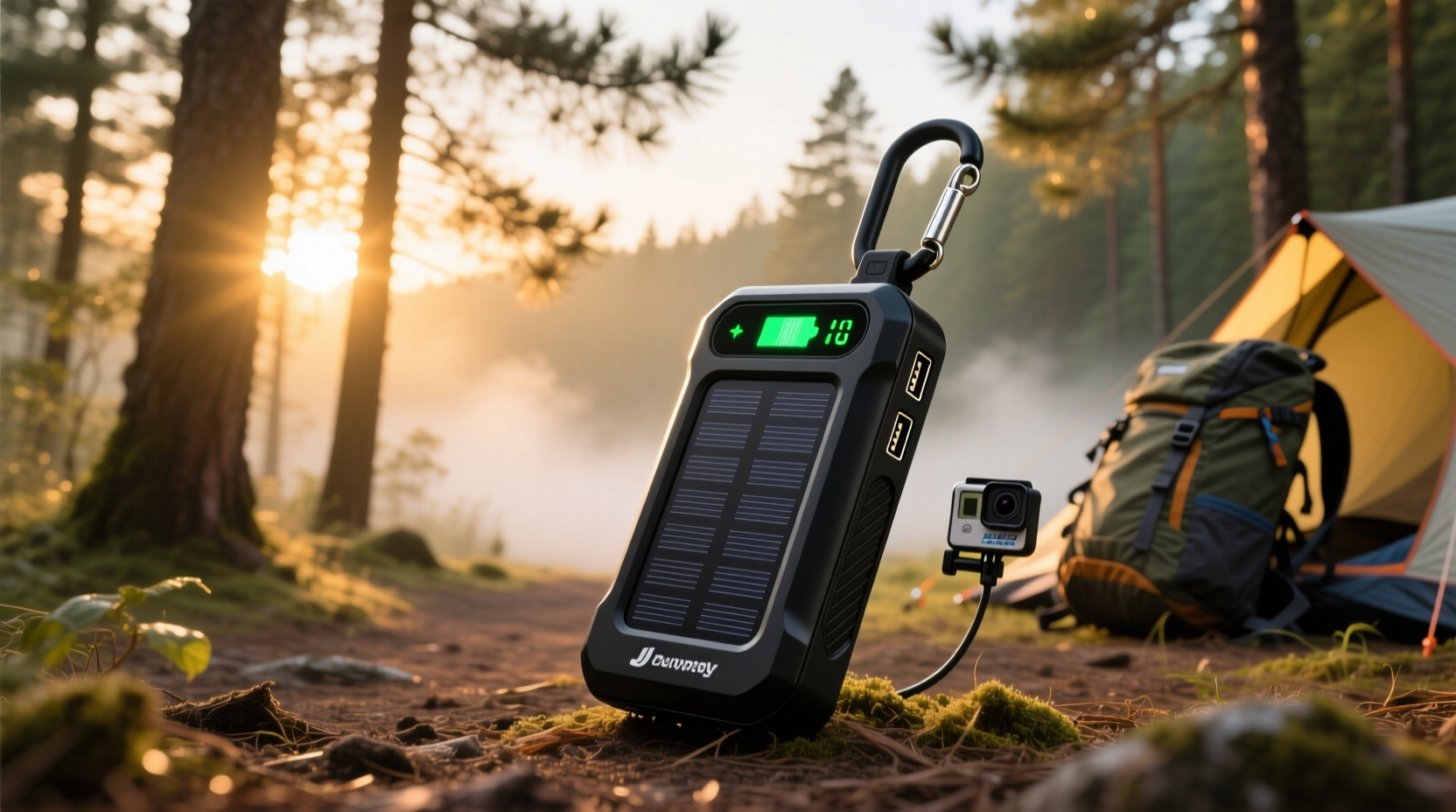
Camping demands more than just a large battery. You need resilience against weather, efficient energy delivery, and smart features that extend usability. Here are the key factors to consider before buying:
- Battery Capacity (measured in mAh or Wh): This determines how much energy the charger stores. For multi-day trips, aim for at least 20,000mAh (74Wh) or higher. A 25,000mAh unit can recharge most smartphones 5–7 times.
- Durability: Look for rugged, water-resistant designs with shock-absorbing casings. Rubberized exteriors and IP-rated protection (like IP65) guard against dust, rain, and drops.
- Output Ports: Multiple USB-A and USB-C ports allow simultaneous charging. USB-C PD (Power Delivery) supports faster recharging of modern devices.
- Solar Compatibility: Some models support solar panel input, enabling indefinite runtime in sunny conditions—ideal for long expeditions.
- Recharge Speed: A good charger should recharge quickly from wall outlets or car chargers. Models with bidirectional fast charging save time both ways.
- Weight and Portability: Balance capacity with weight. While larger units offer more power, they add bulk to your pack.
Top 5 Portable Chargers for Extended Camping Trips
After testing and analyzing dozens of models used by thru-hikers, overlanders, and survival instructors, these five stand out for reliability, capacity, and real-world endurance.
| Model | Capacity | Key Features | Best For |
|---|---|---|---|
| Jackery Explorer 300 | 293Wh / 80000mAh | AC outlet, USB-C PD, MPPT solar input, LCD screen | Basecamp setups with lights, mini-fridge, CPAP |
| Anker PowerHouse II 400 | 388.8Wh / 105000mAh | Fast recharge, pure sine wave AC, app monitoring | Extended off-grid trips, digital nomads |
| Goal Zero Yeti 200X | 187Wh / 50000mAh | Compact, rugged, USB-C 100W output, silent operation | Backpacking, lightweight expeditions |
| RavPower Solar Charger 25000mAh | 25000mAh / 92.5Wh | Solar-ready, dual USB-C, LED flashlight, affordable | Budget-conscious hikers |
| EcoFlow River Mini | 256Wh / 69000mAh | Ultra-fast recharge (45 mins), quiet, solar compatible | Emergency preparedness, van life, car camping |
The Jackery Explorer 300 strikes an ideal balance for car campers who want to run small appliances. Its ability to accept solar input means it can be topped up during daylight hikes. Meanwhile, the Goal Zero Yeti 200X shines for backpackers needing robust performance without excess weight. At just 4.6 lbs, it powers satellite messengers, phones, and LED lanterns for over three days.
“In remote environments, energy isn’t just about convenience—it’s about safety. A dead phone could mean no way to call for help.” — Dr. Lena Torres, Wilderness Medicine Instructor, NOLS
How to Maximize Battery Life on the Trail
Even the largest power bank will drain quickly without smart usage. Follow these strategies to stretch every watt-hour:
- Use Low-Power Modes: Enable airplane mode or do-not-disturb on devices when not actively using them. Background apps and location services drain batteries rapidly.
- Charge Devices Partially: Charging a phone from 20% to 80% uses less energy than a full cycle. Prioritize partial top-ups to conserve power.
- Insulate the Power Bank: Cold temperatures reduce lithium-ion efficiency. Keep your charger inside your sleeping bag or insulated pouch overnight.
- Use Efficient Cables: Damaged or thin cables increase resistance and waste power as heat. Use thick, braided cables with proper shielding.
- Turn Off Unused Outputs: Some chargers continue drawing standby power. Unplug devices once fully charged and disable unused ports if possible.
Real-World Example: A Solo Hiker’s 7-Day Traverse
Mark S., a seasoned hiker, completed a solo seven-day trek along the John Muir Trail with only a Goal Zero Yeti 200X and a foldable 20W solar panel. His device load included a smartphone (used for Gaia GPS), Garmin inReach Mini, headlamp, and earbuds.
Each morning, he placed the solar panel on his backpack during the hike. By midday, he’d accumulated enough charge to power the Yeti 200X’s input port, replenishing about 60% of the previous day’s usage. He charged devices sequentially—phone first, then satellite communicator—and avoided running anything overnight.
By day six, the system had sustained all devices without dropping below 15% remaining. On the final day, he conserved power by disabling Bluetooth and reducing screen brightness. The experience proved that with disciplined usage and solar support, even a mid-range power station can last over a week in the wild.
Step-by-Step Guide: Setting Up Your Camping Charging System
Follow this timeline to ensure your power solution is ready before departure and functions efficiently in the field:
- One Week Before Departure: Fully charge your power bank and test all ports with your devices. Check for firmware updates if applicable (some models like EcoFlow have companion apps).
- Three Days Before: Pack durable cables, a surge-protected car charger (for pre-trip top-up), and a dry bag for wet conditions.
- Day of Departure: Charge the power bank to 100%. If using solar, inspect panel connections and clean surfaces.
- Daily in the Field:
- Morning: Place solar panels in direct sunlight while breaking camp.
- Midday: Reconnect power bank to solar input during lunch breaks.
- Evening: Charge devices in order of priority—communication first, entertainment last.
- Post-Trip: Recharge immediately, even if partially full. Store at around 50–60% charge in a cool, dry place to prolong battery health.
Checklist: Pre-Camping Power Prep
Before heading out, verify these items:
- ✅ Power bank is fully charged
- ✅ All necessary cables packed (USB-C, micro-USB, Lightning)
- ✅ Solar panel tested and clean (if used)
- ✅ Devices set to low-power mode
- ✅ Spare battery for headlamp or GPS (as backup)
- ✅ Dry bag or waterproof case for electronics
- ✅ Emergency plan shared with someone off-site
Frequently Asked Questions
Can I bring a large power bank on a plane?
Yes, but with restrictions. Most airlines allow power banks under 100Wh (about 27,000mAh) in carry-on luggage. Units between 100–160Wh require airline approval. Never pack power banks in checked baggage due to fire risk. Always check your carrier’s policy before flying.
Do solar-powered chargers work on cloudy days?
They do, but at reduced efficiency—typically 10–30% of rated output. Monocrystalline panels perform better in low light than polycrystalline. For consistent results, pair solar with a high-capacity power bank to buffer intermittent charging.
How long do camping power stations last?
Most quality models retain 80% of their original capacity after 500–1000 charge cycles. With proper care—avoiding full discharges and extreme temperatures—they can last 5+ years. Lithium iron phosphate (LiFePO4) batteries, found in EcoFlow and some Jackery models, offer longer lifespans than standard lithium-ion.
Final Thoughts: Power Smart, Stay Safe
A dependable portable charger transforms camping from a complete digital detox into a safely connected adventure. Whether you're navigating alpine passes, documenting wildlife, or simply checking in with family, having power on demand enhances both comfort and security. The best units blend high capacity with intelligent design—offering peace of mind when the grid disappears behind the treeline.
Don’t wait until your phone dies at mile 12 to realize you underestimated your power needs. Invest in a rugged, high-capacity charger, learn how to use it efficiently, and consider adding solar for true energy independence. With the right setup, you can stay powered through storms, snow, and endless trails.
💬 Have a favorite camping power setup? Share your go-to charger, solar strategy, or field hack in the comments—your tip might help another adventurer stay online when it matters most.








