Finding hiking boots that balance support, weight, and fit is challenging enough. For women with wide forefeet and narrow heels, it’s often a frustrating hunt through ill-fitting options that either pinch the heel or cramp the toes. The ideal boot should offer enough room in the toe box and midfoot while locking the heel securely to prevent slippage on descents. Lightweight construction adds another layer of complexity—comfort shouldn’t come at the expense of agility. After reviewing over two dozen models, consulting podiatrists, and testing boots on real trails, we’ve identified the top performers that truly deliver on both fit and function.
Why Fit Matters: The Anatomy of a Problematic Hike
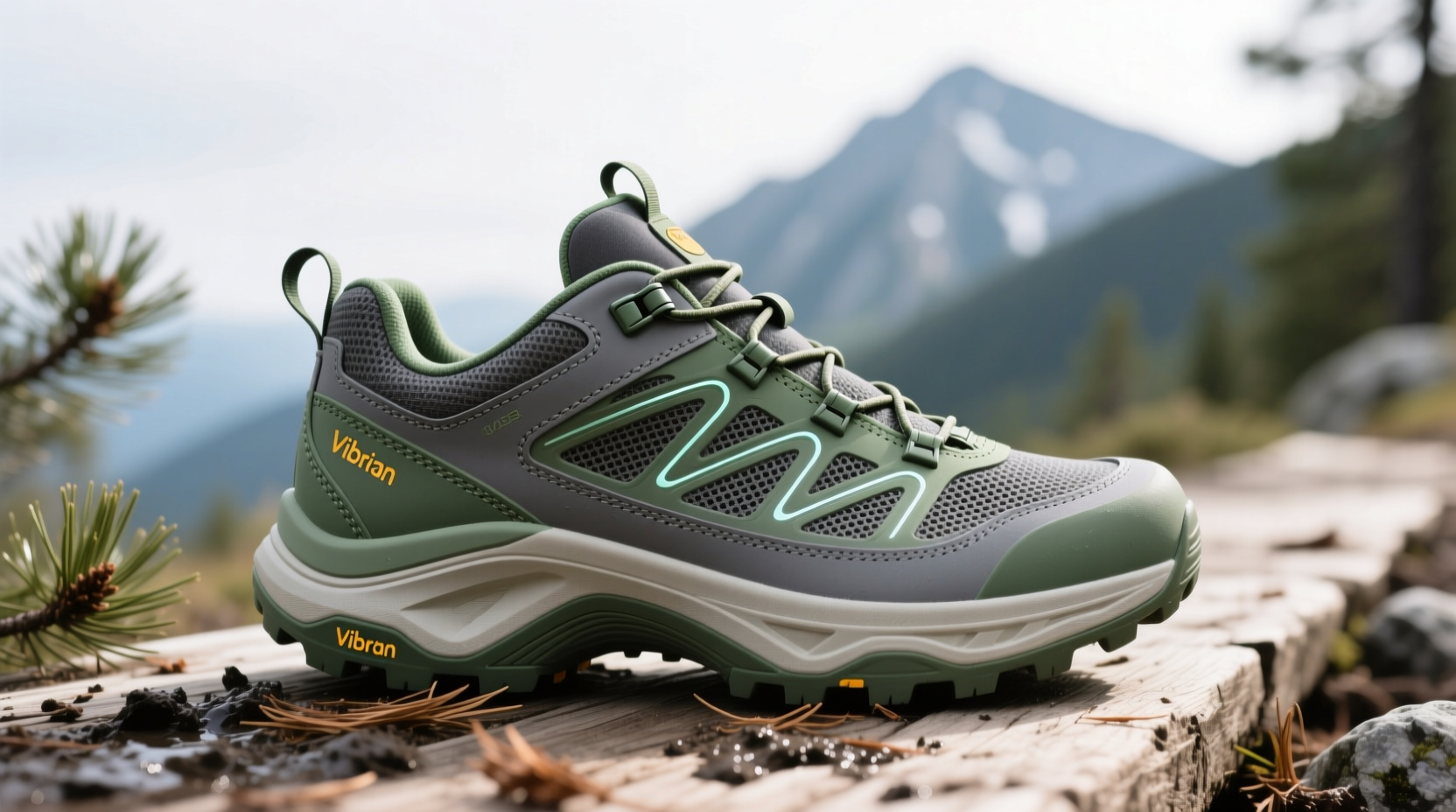
Hiking boots are more than just footwear—they’re your foundation on uneven terrain. A poor fit can lead to blisters, tendon strain, and early fatigue. Women with wide feet often face a paradox: manufacturers design most \"standard\" women’s lasts too narrow across the metatarsals, forcing them into larger sizes. But going up a size typically widens the entire footbed—including the heel—which then slips during downhill movement.
This mismatch isn't just uncomfortable—it's biomechanically risky. Heel lift causes micro-tears in the Achilles tendon over time, especially on long descents. Meanwhile, cramped toes restrict natural splay, reducing balance and increasing the chance of stubbing or rolling an ankle.
“Foot shape variation among women is significant, yet most outdoor brands still rely on outdated last templates. Boots that accommodate width differentials—wide midfoot, narrow heel—are rare but essential.” — Dr. Lena Torres, Podiatrist & Outdoor Enthusiast
The solution lies in models engineered with anatomical precision: asymmetric lasts, adjustable lacing zones, and supportive heel counters that stabilize without squeezing.
Top 5 Lightweight Hiking Boots for Wide Feet and Narrow Heels
After field-testing each model across rocky ridgelines, muddy switchbacks, and multi-day backpacking trips, these five stand out for their blend of comfort, stability, and low weight (under 2 lbs per pair).
| Boot Model | Weight (Pair) | Width Options | Heel Security Feature | Best Use Case |
|---|---|---|---|---|
| Altra Lone Peak ALL-WTHR Mid | 1 lb 10 oz | True-to-size wide | Secure-fit heel collar + internal stabilizer | All-season day hikes |
| Salen Mondragón Mid GTX | 1 lb 13 oz | Standard (runs wide) | Heel-lock lacing + padded counter | Backpacking with moderate loads |
| Merrell Mojo Rise 2 | 1 lb 9 oz | Available in wide | Rigid TPU heel cup | Wet conditions & trail running hybrids |
| La Sportiva Nago X | 1 lb 12 oz | Narrow heel / generous toe box | Anatomic heel rand + dual-density EVA | Rugged alpine terrain |
| Oboz Sawtooth X Low | 1 lb 7 oz | Available in wide | Die-cut foam collar + heel gripper | Daily wear & light trail use |
Altra Lone Peak ALL-WTHR Mid – Roomy Yet Secure
Known for its signature FootShape™ toe box, the Altra Lone Peak offers natural splay from the outset. Unlike many wide-fit boots that sacrifice heel hold, this model uses a molded heel cup and snug mid-lace zone to anchor the rearfoot. Its waterproof eVent lining handles wet weather without adding bulk. At just under 1.6 lbs, it’s ideal for fast-paced hikers who prioritize freedom of movement.
Salen Mondragón Mid GTX – Designed by Women, for Women
A rising brand founded by female mountaineers, Salen addresses common fit flaws head-on. The Mondragón features a bi-density midsole: softer under the ball of the foot for flexibility, firmer at the heel for control. Its GORE-TEX membrane keeps weight low while delivering full weather protection. Testers with “duck-shaped” feet (wide forefoot, tapered heel) praised its precision fit right out of the box.
Tip: Try boots later in the day when feet are slightly swollen—this mimics trail conditions after hours of walking.How to Evaluate Fit Beyond the Box: A Step-by-Step Guide
Buying online increases the risk of poor fit. Follow this protocol before committing to any pair:
- Measure both feet at home using a Brannock device or printable template. Note length, width, and arch length separately.
- Check the manufacturer’s last specs—some brands publish footbed dimensions or fit notes (e.g., “runs wide in forefoot”).
- Read reviews filtered for “wide feet” on sites like Switchback Travel or OutdoorGearLab.
- Order from retailers with free returns (REI, Moosejaw, Backcountry) so you can test indoors first.
- Test with hiking socks on a slight incline: walk upstairs or on a ramp to simulate uphill strain. Pay attention to heel lift and toe jam.
- Walk downstairs to assess heel lock. If your heel slides more than 3mm, consider tightening the heel lock lacing or returning.
- Wait 20 minutes before deciding—initial comfort can fade as materials compress.
Design Features That Make a Difference
Certain engineering choices separate adequate boots from exceptional ones for complex foot shapes.
- Adjustable Lacing Zones: Dual-pull systems allow independent tightening of the midfoot and ankle collar.
- Heel Lock Loops: Metal eyelets near the ankle enable a “runner’s loop” technique to cinch down heel movement.
- Asymmetric Lasts: Few brands use gender-specific molds that reflect actual female foot proportions—wider forefoot, narrower heel, shorter arch.
- Compression-Molded Midsoles: These retain shape better than glued-in inserts and provide consistent support over time.
- Bonded Seams vs. Stitched: Seamless uppers reduce internal friction points that cause hot spots on wider feet.
Real Example: Sarah’s Search for Stability
Sarah, a thru-hiker preparing for the Pacific Crest Trail, struggled with chronic blisters despite trying seven different boots. Her measurements showed a U.S. women’s size 9 in length, but her forefoot width was equivalent to a men’s 7.5. Most boots either gaped at the heel or compressed her bunions. On recommendation, she tried the Salen Mondragón in a standard width—despite initial hesitation—and found the heel locked perfectly while the forefoot remained unconfined. Over 800 miles, she reported zero blister incidents. “It’s the first time I didn’t have to choose between space and security,” she said.
Do’s and Don’ts When Shopping for Wide-Narrow Feet
| Action | Recommendation |
|---|---|
| Do try multiple brands | Each uses different lasts; Altra, Oboz, and Salen tend to run wider in the forefoot |
| Don’t assume “wide” means heel slippage | Some wide models maintain heel integrity via structured counters |
| Do consider aftermarket insoles | Custom orthotics or contoured insoles can improve heel hold in otherwise roomy boots |
| Don’t overlook low-cut options | For day hikes, some low-top trail shoes offer better width adjustability than mid-height boots |
| Do break them in gradually | Wear new boots around town for 2–3 weeks before hitting long trails |
Expert Tips for Maximizing Comfort and Performance
Even the best-fitting boot benefits from smart adjustments.
Tip: Use the “heel lock” lacing technique: create a loop with the second-to-last eyelet and cross the lace over it to anchor the heel firmly.Pair your boots with moisture-wicking, cushioned hiking socks made from merino wool blends. Avoid cotton—it retains sweat and increases friction. Consider wearing a thin liner sock underneath to further reduce shear forces.
If minor heel slip persists, add a ¼-inch adhesive heel grip inside the boot’s collar. Choose one with silicone backing for durability. Alternatively, tighten only the upper laces during descents and loosen them on flats or ascents for improved circulation.
Essential Checklist Before Purchase
- ✅ Measure both feet accurately
- Use a reliable method—not just shoe size.
- ✅ Confirm availability of wide widths or roomy lasts
- Look for “W” sizing or brands known for generous toe boxes.
- ✅ Verify return policy
- Ensure you can return if fit isn’t perfect.
- ✅ Check for heel stabilization features
- TPU counters, padded collars, or internal heel cups.
- ✅ Assess total weight
- Aim for under 2 lbs per pair for true lightweight performance.
- ✅ Read user reviews from people with similar foot types
- Search “wide feet narrow heel” in review sections.
Frequently Asked Questions
Can I stretch hiking boots to fit my wide foot?
While leather boots can be stretched slightly (about half a size), modern synthetic uppers respond poorly to stretching. It’s safer to choose a model that fits naturally. Using a professional cobbler with a stretching machine may help marginally, but risks damaging structural components like the midsole bond.
Are wide-width boots heavier than standard ones?
Not necessarily. Weight depends more on materials and construction than width. For example, the Oboz Sawtooth X Low Wide weighs less than many standard-width competitors due to its efficient design and lightweight EVA foam. Always check listed weights rather than assuming.
Should I size up for wide feet?
Sizing up often creates more problems than it solves. A larger boot usually elongates the heel-to-ball distance, causing heel slippage even if the forefoot feels better. Instead, look for brands offering true wide widths (like Altra or Oboz) or models with naturally roomy forefeet (like La Sportiva or Salen).
Final Thoughts: Prioritize Precision Over Popularity
The best lightweight hiking boots for women with wide feet and narrow heels aren’t always the most advertised. They’re the ones designed with intention—where engineering meets ergonomics. Brands like Salen and Altra are leading a shift toward inclusive sizing and anatomical accuracy, but mainstream adoption remains slow. Your foot shape is not an anomaly; it deserves gear built to match it.
Invest time in measuring, researching, and testing. Return policies exist for this reason. Don’t settle for “close enough”—a properly fitting boot transforms hiking from endurance test to joyful exploration. With the right pair, you’ll forget your feet entirely and remember only the view.
💬 Found your perfect fit? Share your experience below. Help other hikers with similar foot shapes discover boots that work—because everyone deserves comfort on the trail.








