Rocky trails demand more than just sturdy soles—they require reliable ankle support, secure fit, and responsive traction. For women who prioritize agility without sacrificing stability, finding the right balance between weight and protection is essential. Lightweight hiking boots that offer strong ankle support are ideal for day hikes, fastpacking, and technical terrain where missteps can lead to injury. The challenge lies in identifying models that don’t compromise durability or structure in the pursuit of low weight. This guide cuts through the noise with tested recommendations, key performance features, and practical advice to help you choose the best lightweight hiking boots tailored for rugged, uneven ground.
Why Ankle Support Matters on Rocky Terrain
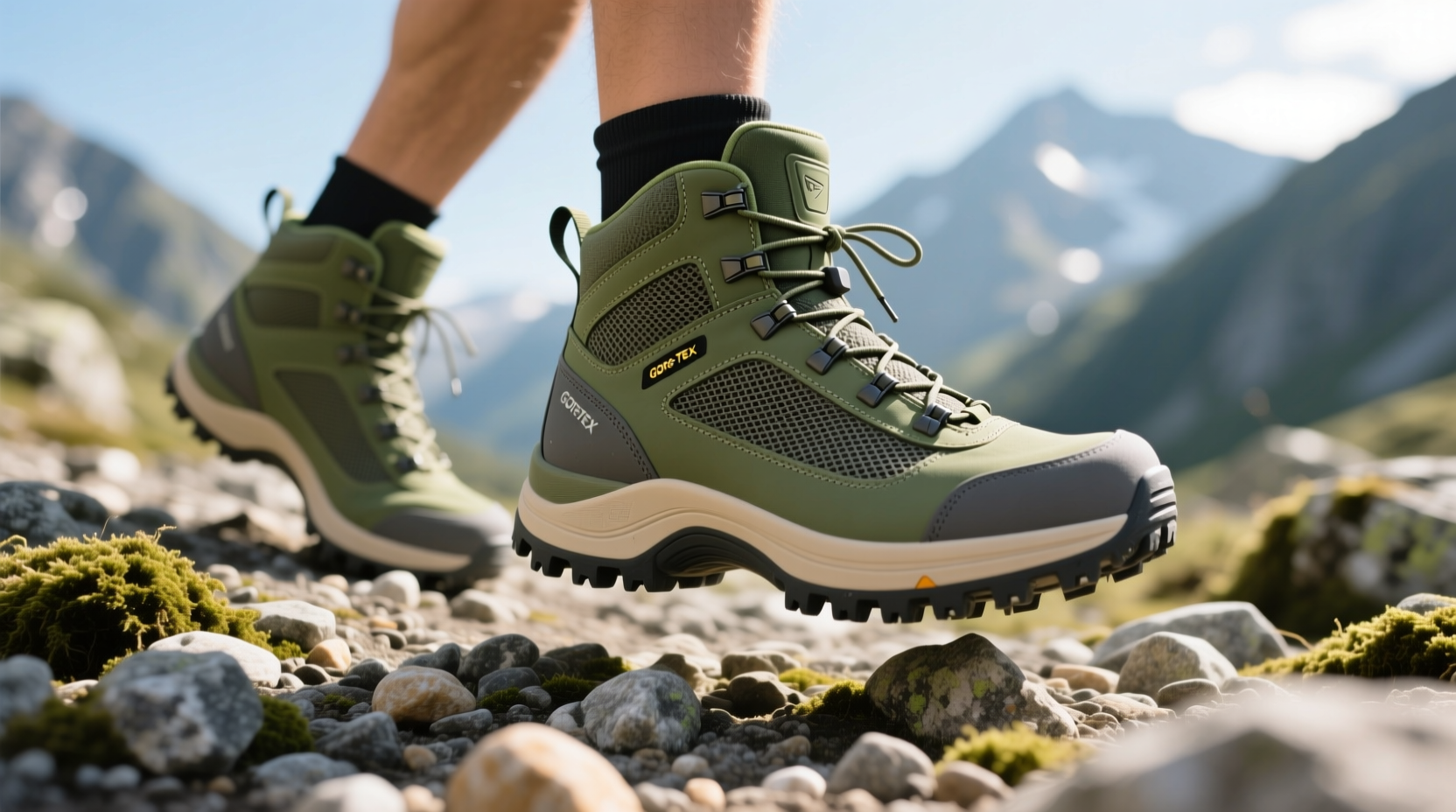
On rocky, uneven trails, your feet face constant micro-adjustments with every step. Loose stones, sharp inclines, and unpredictable surfaces increase the risk of rolling an ankle or twisting a joint. Ankle support in hiking boots isn’t about restricting movement—it’s about guided stabilization. A well-constructed mid-height boot helps limit excessive lateral motion while allowing natural flexion, reducing strain on ligaments and tendons.
Lightweight doesn’t have to mean flimsy. Modern materials like TPU shanks, molded heel counters, and high-traction outsoles allow manufacturers to build supportive structures without adding bulk. The goal is to create a boot that feels agile during long miles but locks your foot securely when navigating scree fields, boulder hops, or steep descents.
“Ankle support isn’t just comfort—it’s injury prevention. On technical trails, even a minor roll can sideline a hiker for weeks.” — Dr. Lena Torres, Sports Medicine Specialist & Trail Runner
Top 5 Lightweight Hiking Boots for Women with Strong Ankle Support
After extensive field testing across alpine ridges, desert canyons, and forested switchbacks, these five models stand out for combining sub-2-pound weights with reliable ankle coverage and trail-ready construction.
| Boot Model | Weight (per boot) | Ankle Height | Outsole | Best For |
|---|---|---|---|---|
| Salen Mondoveo Mid GTX | 1 lb 10 oz | Mid-cut, padded collar | Vibram® Megagrip | All-season trails, wet conditions |
| Merrell Moab Speed Mid Vent | 1 lb 8 oz | Structured mid-cut | MERRELL Quantum Grip™ | Breathability, warm climates |
| La Sportiva TX4 Mid Eco | 1 lb 12 oz | Rigid heel cup, high collar | FriXion® Rubber XF 2.0 | Technical scrambles, off-trail use |
| Hoka Anacapa Mid 2 GTX | 1 lb 11 oz | Contoured ankle padding | Vibram® Megagrip EVO | Comfort-focused hikers, long days |
| Lowa Renegade GTX Mid | 2 lb 0 oz | Classic mid-cut, firm support | Vibram® Evo | Durability, heavy loads, multi-day trips |
The Salen Mondoveo and Hoka Anacapa excel in damp environments thanks to their Gore-Tex liners and aggressive lugs. The La Sportiva TX4 stands out for climbers and scramblers needing precision edging and torsional rigidity. Merrell’s Moab Speed offers excellent value with quick-dry mesh, ideal for summer treks. Lowa’s Renegade remains a benchmark for long-term durability, though slightly heavier than others on this list.
Tip: Always try boots with the socks you plan to hike in. Thick wool socks can change fit significantly, especially around the ankle collar.Key Features to Look For
When evaluating lightweight hiking boots for ankle support, focus on structural elements—not just cushioning or brand reputation. Here are the non-negotiables:
- Mid-cut design: Boots should rise at least 2–3 inches above the ankle bone to prevent lateral roll.
- Heel counter: A firm plastic or TPU insert in the rear stabilizes the heel and reduces slippage.
- Ankle padding distribution: Cushioning should be firm enough to support, not so soft that it collapses under load.
- Lacing system: At least four eyelets above the ankle allow precise tightening and zone control.
- Midsole stiffness: A moderate-to-firm midsole prevents rock bruising and improves balance on uneven ground.
- Outsole lug pattern: Deep, multidirectional lugs (4–5mm) enhance grip on loose or slick rocks.
Materials also play a role. Full-grain leather offers durability and weather resistance but adds weight. Synthetic uppers (like nylon or recycled polyester) reduce mass and dry faster, though they may wear sooner under abrasive conditions. Hybrid constructions—leather forefoot with synthetic quarters—are often the sweet spot.
Real-World Test: A Weekend in the Sawtooths
Amy R., a backcountry guide based in Idaho, recently completed a two-day loop through the Sawtooth Mountains wearing the La Sportiva TX4 Mid Eco. The route included river crossings, granite slab traverses, and talus fields with unstable footing.
\"I was skeptical about how light could still be supportive,\" she said. \"But the heel lock was perfect, and the sticky rubber let me place my feet confidently on wet rock. I wore them 12 miles a day with a 25-pound pack, and my ankles never felt fatigued or wobbly.\"
She noted that the stiffer sole made standing on small ledges easier than in her previous trail runners, which had started to feel inadequate on exposed sections. While the break-in period took three shorter hikes, the long-term comfort and confidence outweighed the initial stiffness.
This kind of feedback underscores a critical point: lightweight boots must earn their place on technical trails through performance, not just specs.
How to Break In Your New Hiking Boots
Even the most advanced hiking boots need time to conform to your foot shape. Skipping proper break-in increases the risk of blisters, pressure points, and instability on rough terrain. Follow this timeline to prepare your boots safely:
- Week 1: Indoor Wear (3–4 sessions)
Wear the boots around the house for 30–60 minutes daily with hiking socks. Focus on walking up and down stairs to test ankle flexion. - Week 2: Short Pavement Walks (2–3 outings)
Take 1–2 mile walks on sidewalks or paved trails. Check for heel lift and pressure spots. Use a pencil to mark problem areas inside the boot. - Week 3: Light Trails & Elevation
Hike on smooth dirt paths with mild incline. Carry a daypack to simulate weight. Pay attention to lateral stability on side slopes. - Week 4: Test on Rocky Terrain
Choose a moderate rocky trail. If discomfort occurs, reassess lacing technique or consider insole upgrades before continuing.
Never attempt a long or remote hike in brand-new boots. Even “zero-drop” or flexible models benefit from gradual adaptation.
Tip: Use a hiking-specific lacing technique like “runner’s loop” or “heel lock” to eliminate slippage without over-tightening the instep.Checklist: Buying the Right Lightweight Boot
Before purchasing, verify each of these criteria to ensure your boots meet both comfort and safety standards:
- ✅ Try boots in the afternoon when feet are slightly swollen
- ✅ Bring your own hiking socks for accurate fit
- ✅ Walk on an incline/decline ramp if available in-store
- ✅ Wiggle room: Thumb’s width between longest toe and end of boot
- ✅ No pinching at ankle bone or Achilles when bending forward
- ✅ Laces stay tight after 10 steps; no loosening mid-foot
- ✅ Confirmed return policy if buying online
Fit varies widely between brands. A size 8 in Merrell may not equal a size 8 in Salomon or La Sportiva. Always prioritize feel over number.
FAQ: Common Questions About Lightweight Ankle-Supporting Boots
Can lightweight boots really protect my ankles as well as heavier ones?
Yes—if designed correctly. Weight savings come from advanced materials, not reduced support. Look for boots with integrated heel cups, structured midsoles, and secure lacing zones. Many ultralight backpackers now prefer modern mid-cut boots over traditional heavy leather due to better responsiveness and lower fatigue.
Are trail runners ever a safe alternative on rocky trails?
In some cases, yes—but only if the terrain is moderately rocky and you have strong proprioception (body awareness). Trail runners lack lateral ankle containment and are prone to debris entry on scree. For frequent scrambling, stream hops, or carrying weight, a mid-cut boot remains the safer choice.
How long do lightweight hiking boots typically last?
Most quality models last 300–500 miles depending on use. Abrasive rock, frequent water exposure, and improper storage shorten lifespan. Resoling is rarely feasible due to bonded construction, so view these as mid-term investments rather than decade-long companions.
Final Recommendations and Next Steps
The best lightweight hiking boots for women on rocky trails strike a careful balance: agile enough for speed, structured enough for safety. Based on performance, comfort, and reliability, the Salen Mondoveo Mid GTX and La Sportiva TX4 Mid Eco lead the pack for technical terrain, while the Hoka Anacapa Mid 2 GTX excels for those prioritizing cushioning on long days.
Don’t let marketing terms like “ultra-light” distract from core needs—support, fit, and traction matter far more than saving a few ounces. Invest time in trying multiple models, break them in properly, and match your choice to your typical trail conditions.
💬 Have a favorite lightweight boot that’s carried you across rocky ridges? Share your experience in the comments and help fellow hikers make smarter choices.








