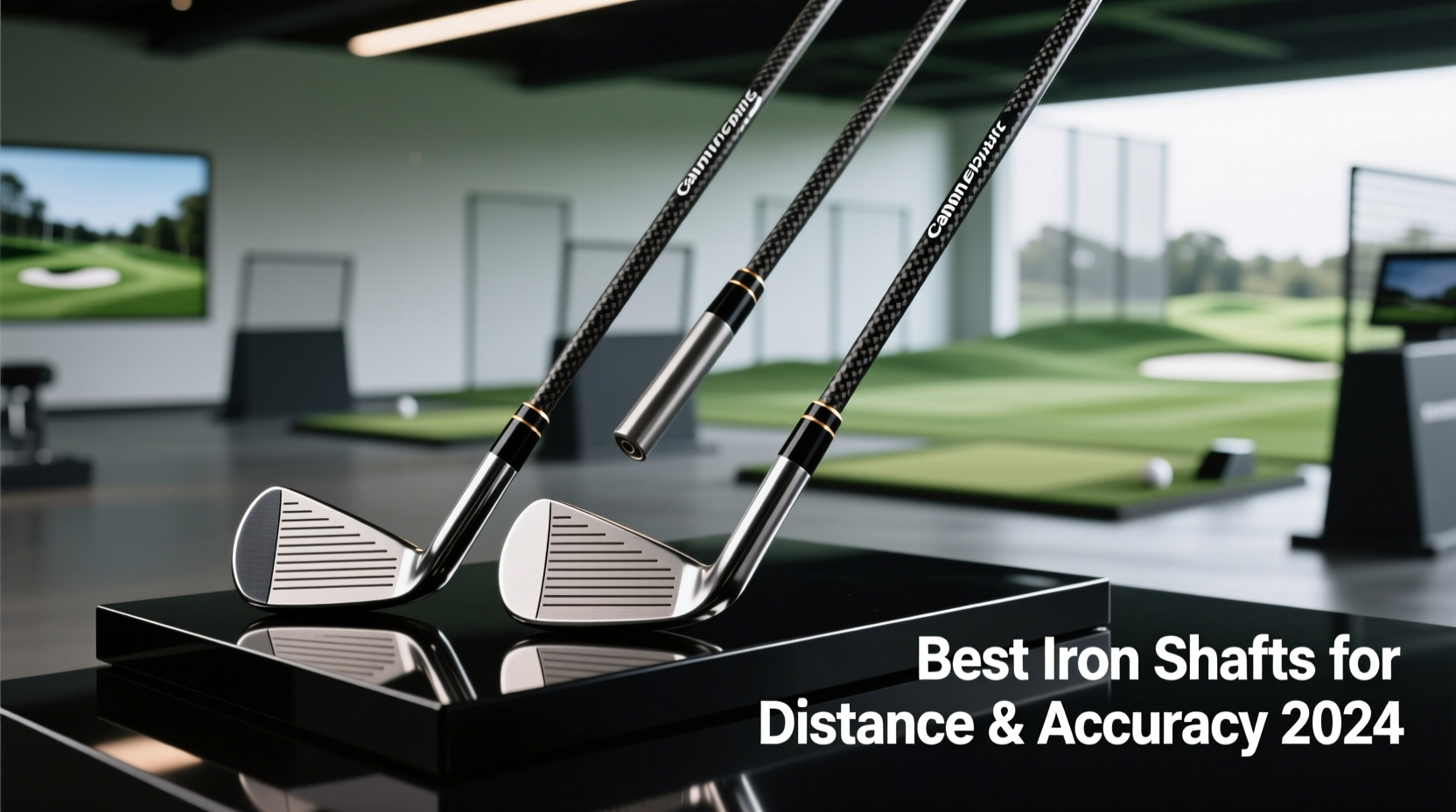
Selecting the right iron shafts is one of the most impactful decisions a golfer can make. Unlike clubheads, which get much of the attention, shafts are the engine behind ball flight—dictating launch angle, spin rate, trajectory, and feel. For players seeking both distance and accuracy without sacrificing durability, choosing the correct shaft goes beyond brand names or marketing claims. It requires understanding your swing dynamics, playing conditions, and long-term equipment goals.
Modern golf shaft technology has evolved dramatically, offering materials and designs that balance stiffness, weight, and responsiveness. Whether you're a low-handicapper chasing tighter dispersion or a mid-handicapper looking to gain consistent yardage, the right shaft can transform your iron game.
Understanding Shaft Performance: Distance vs. Accuracy
Distance and accuracy are not mutually exclusive, but they require different tuning in shaft selection. A shaft that’s too stiff may reduce spin and increase distance for fast swingers but rob others of control. Conversely, a flexible shaft might boost launch for slower swings but lead to inconsistency under pressure.
The key lies in matching three primary factors:
- Swing speed – Determines optimal shaft flex (L, A, R, S, X).
- Tempo and release point – Influences whether you need a tip-stiff or mid-flex profile.
- Ball flight preference – High launch with low spin favors certain profiles; penetrating trajectories suit others.
Durability plays a critical role as well. Premium steel and high-modulus graphite shafts resist wear from repeated impact and environmental exposure. Steel shafts generally last longer and maintain consistency over time, while modern graphite options now offer impressive resilience without sacrificing feel.
Tip: Get professionally fitted with a launch monitor to determine your ideal shaft flex, torque, and bend profile.Top Iron Shafts for Distance and Accuracy
Below is a curated list of leading iron shafts known for balancing power, precision, and longevity. These models have been tested by tour professionals and amateurs alike across various swing types.
| Shaft Model | Material | Flex Options | Key Benefit | Durability Rating |
|---|---|---|---|---|
| KBS Tour 125 | Steel | S, X | Precise control with mid-launch, low-spin profile | ★★★★★ |
| True Temper Dynamic Gold 105 | Steel | R, S, X | Consistent trajectory and exceptional feedback | ★★★★★ |
| Mitsubishi Tensei AV Raw Blue | Graphite | Regular, Stiff | High launch with reduced vibration for comfort | ★★★★☆ |
| Nippon NS Pro 950GH | Steel | Soft Regular to X | Smooth transition, excellent feel and workability | ★★★★★ |
| Project X HZRDUS Black | Graphite | S, X, TX | Aggressive players seeking high stability and velocity | ★★★★☆ |
Among these, KBS Tour 125 stands out for players wanting a blend of feedback and forgiveness. Its slightly heavier build promotes a downward strike, improving compression and consistency. Meanwhile, Mitsubishi Tensei shafts cater to those transitioning from steel to graphite who still demand shot-shaping capability.
“Shaft fitting isn’t about strength—it’s about timing and energy transfer. The best shaft amplifies your natural motion.” — Mike Schy, Master Clubmaker & PGA Professional
How to Choose Durable Golf Shafts: A Step-by-Step Guide
Selecting a shaft that lasts and performs requires more than reading reviews. Follow this proven process to make an informed decision.
- Assess Your Swing Metrics: Use a launch monitor to measure clubhead speed, angle of attack, and spin rate. Players above 90 mph typically benefit from stiffer shafts (S/X), while those below 80 mph often perform better with R or A flex.
- Evaluate Feel Preferences: Do you prefer soft, responsive feedback or firm, controlled rigidity? Steel offers crisper feedback; premium graphite reduces vibration without deadening sensation.
- Test Multiple Profiles: Try at least three shafts during a fitting session—ideally back-to-back with your current irons. Note differences in dispersion, sound, and ball flight shape.
- Consider Climate and Usage: If you play year-round in humid or coastal areas, stainless steel resists corrosion better than plated alloys. Graphite should be stored away from extreme heat to prevent resin breakdown.
- Review Warranty and Manufacturer Support: Brands like True Temper and Nippon offer extended quality guarantees. Look for shafts backed by service networks for future replacements or adjustments.
Real Example: Mid-Handicapper Gains Consistency
David, a 12-handicap golfer from North Carolina, struggled with inconsistent iron distances despite solid technique. His old R-flex steel shafts felt harsh on mishits, and he averaged only 5–6 greens in regulation per round. After a fitting session revealed his downswing was slightly early and aggressive, he switched to KBS Tour 90 X-flex shafts—lighter than standard but firmer in the tip section.
The change improved his contact quality immediately. Within two months, his average proximity to the pin decreased by 11 feet, and he gained confidence attacking pins. “I didn’t realize how much my shaft was fighting me,” David said. “Now my shots hold their line even in wind.”
Common Mistakes in Shaft Selection
Even experienced golfers fall into traps when upgrading shafts. Avoid these frequent errors:
- Choosing based on pro usage alone: Just because a tour player uses X100 shafts doesn’t mean they suit your tempo.
- Ignoring weight distribution: Lighter shafts don’t automatically increase speed—they can disrupt balance if mismatched to head weight.
- Overlooking shaft age: Steel shafts degrade subtly over years through micro-fatigue. Replace after 5+ years of regular use.
- Skipping custom length adjustments: Installing new shafts without checking lie angles leads to directional issues.
Frequently Asked Questions
Can graphite shafts be as durable as steel?
Yes, modern multi-material construction and high-modulus fibers allow top-tier graphite shafts to withstand thousands of strikes. However, they remain more sensitive to improper storage (e.g., hot trunks) and accidental impacts compared to steel.
Do softer shafts increase distance?
Only if matched correctly to your swing. A softer shaft can help late-release players store and return energy efficiently, increasing clubhead speed. But for early releasers, it may cause premature unloading and loss of control.
How often should I re-evaluate my shafts?
Every 3–5 years, especially if your swing speed or style has changed. Physical fitness improvements, aging, or injury recovery can alter your ideal shaft specs significantly.
Checklist: Selecting Your Ideal Iron Shaft
- ✅ Measure swing speed and launch characteristics
- ✅ Determine preferred ball flight (high/low, draw/fade)
- ✅ Identify dominant miss pattern (push, pull, thin, fat)
- ✅ Decide material preference (steel for durability, graphite for comfort)
- ✅ Schedule a professional fitting with data analysis
- ✅ Test at least two alternatives before committing
- ✅ Confirm shaft length, lie, and grip compatibility
- ✅ Set reminder for next evaluation in 3–5 years
Final Thoughts: Invest in Precision, Gain Confidence
The best iron shafts for distance and accuracy aren’t defined by price tags or popularity—they’re defined by fit. When you pair a durable, well-matched shaft with your natural swing rhythm, every iron becomes predictable. You stop guessing yardages and start trusting your numbers.
Durability ensures that trust lasts season after season. Whether you choose the timeless reliability of steel or the advanced engineering of modern graphite, the goal remains the same: consistent energy transfer, repeatable ball flight, and longer equipment life.
💬 Ready to optimize your iron performance? Book a fitting today, test the top shafts, and experience what true consistency feels like. Share your results or questions below—we’d love to hear how your game improves!








