
Spending hours under the open sky during a hike exposes your face, neck, and scalp to intense UV radiation. While sunscreen is essential, it’s not enough on its own. A high-quality hiking hat acts as your first line of defense against sunburn, heat exhaustion, and long-term skin damage. But not all hats are created equal. The ideal hiking hat balances superior sun protection, breathability, moisture management, and ergonomic design to keep you cool, dry, and shielded across diverse terrains and climates.
The right hat can mean the difference between an energized trek and an early retreat due to overheating or discomfort. Whether you're navigating desert trails in Arizona or alpine paths in the Pacific Northwest, selecting the proper headwear enhances both safety and enjoyment. This guide breaks down the critical features, materials, and designs that define the best hiking hats—so you can make an informed decision based on science, real-world use, and expert recommendations.
Key Features of an Effective Hiking Hat
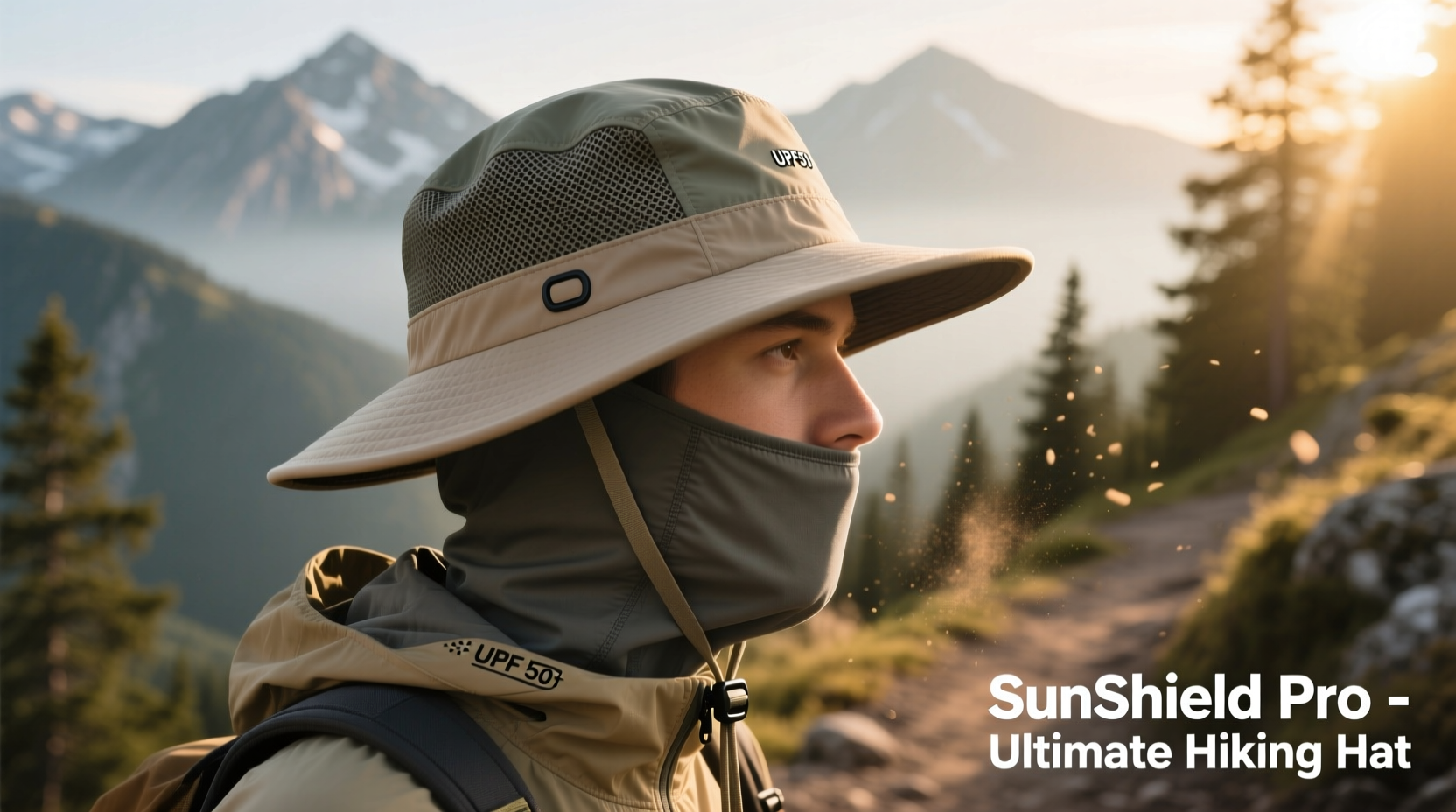
An optimal hiking hat must perform multiple functions: block UV rays, manage sweat, allow airflow, stay secure in wind, and remain lightweight. These requirements go beyond fashion—they’re rooted in physiological needs and environmental exposure.
- UPF Rating: Look for a minimum UPF 50+ rating, which blocks over 98% of harmful UV rays. Unlike SPF (used for sunscreens), UPF measures fabric’s ability to prevent UV penetration.
- Brim Design: Wide brims (at least 3 inches) protect ears, cheeks, and necks. Some models feature adjustable or foldable brims for versatility.
- Ventilation: Mesh panels or perforated crowns enhance airflow, reducing heat buildup inside the hat.
- Motion-Friendly Fit: Adjustable straps, drawcords, or elastic bands ensure the hat stays put during dynamic movement or gusty conditions.
- Moisture-Wicking Materials: Fabrics like polyester, nylon, or treated cotton blends pull sweat away from the scalp, preventing clamminess.
Types of Hiking Hats Compared
Different environments and activities call for different styles. Understanding the strengths and limitations of each type helps match the hat to your hiking profile.
| Hat Type | Best For | Sun Protection | Comfort Level | Portability |
|---|---|---|---|---|
| Wide-Brimmed Hat | Desert hikes, open terrain | ★★★★★ | ★★★★☆ | ★★★☆☆ |
| Bucket Hat | Casual trails, moderate sun | ★★★★☆ | ★★★★★ | ★★★★★ |
| Baseball-Style Trail Cap | Forested areas, cooler climates | ★★★☆☆ | ★★★★☆ | ★★★★★ |
| Hybrid Adventure Hat | All-season, multi-environment | ★★★★★ | ★★★★★ | ★★★★☆ |
| Neck Gaiter + Cap Combo | High-altitude or variable weather | ★★★★☆ | ★★★☆☆ | ★★★★★ |
While wide-brimmed hats offer unmatched coverage, their size can be cumbersome in wooded areas. Baseball caps, though popular, leave ears and necks exposed. Hybrid adventure hats—featuring retractable neck flaps, hidden gaiters, and convertible designs—are increasingly favored by thru-hikers and long-distance trekkers for their adaptability.
Material Science: What Your Hat Is Made Of Matters
The fabric determines durability, weight, drying speed, and thermal regulation. Natural fibers like cotton may feel soft but absorb moisture and lose shape when wet. In contrast, synthetic blends dominate the performance market for good reason.
Polyester and nylon are lightweight, quick-drying, and resistant to stretching. Many premium models incorporate polygiene or similar antimicrobial treatments to reduce odor buildup after repeated use. Some brands now integrate cooling technologies such as phase-change liners or infrared-reflective coatings that lower surface temperature by several degrees.
“Hats made with engineered textiles can actively regulate head temperature, which directly impacts endurance and cognitive function during prolonged sun exposure.” — Dr. Lena Torres, Outdoor Ergonomics Researcher, University of Colorado
Additionally, sustainability is gaining traction. Recycled PET bottles are being transformed into high-performance fabrics without sacrificing UPF ratings or durability. Brands like Outdoor Research and Columbia have introduced lines using 100% recycled materials while maintaining rigorous sun protection standards.
Real-World Scenario: Hiking the Grand Canyon in Summer
Consider a hiker descending the Bright Angel Trail in June. Air temperatures exceed 100°F (38°C), and reflective heat from red rock amplifies solar intensity. Without adequate head protection, heat-related illness becomes a real risk within two hours.
Alice, an experienced backpacker, wears a convertible wide-brim hat with a built-in neck drape. The UPF 50+ nylon fabric stays cool even after hours in direct sun. Ventilation channels along the crown allow hot air to escape, while the moisture-wicking sweatband keeps her forehead dry. When she enters shaded canyon sections, she folds the brim forward like a cap, improving visibility without removing the hat.
In contrast, another hiker wearing a standard baseball cap begins showing signs of overheating by midday. His ears and neck are severely sunburned, and he reports dizziness—a precursor to heat exhaustion. The lack of rear coverage and limited airflow contributed to his discomfort, despite applying sunscreen every two hours.
This example underscores that sun protection isn’t just about blocking rays—it’s about managing microclimate around the head.
Step-by-Step Guide: Choosing Your Ideal Hiking Hat
Selecting the best hat involves evaluating personal needs against environmental demands. Follow this sequence to make a confident choice:
- Assess Your Typical Terrain: Open desert? Dense forest? Alpine zones? Each requires different levels of coverage and insulation.
- Determine Sun Exposure Duration: Day hikes under six hours may allow lighter options; full-day or multi-day trips demand maximum protection.
- Check for Adjustability: Ensure the hat has a secure fit system. Try it on with a backpack to confirm it won’t shift or fly off.
- Evaluate Packability: If space is limited, choose a hat that compresses easily without losing shape—many bucket and hybrid hats fold into pockets.
- Test Ventilation and Weight: Hold the hat up to light—visible mesh zones indicate airflow. Weigh it in hand; anything over 4 oz may feel burdensome over time.
- Review Care Instructions: Machine-washable hats maintain hygiene better, especially on extended trips where re-wearing is necessary.
Frequently Asked Questions
Can I wear a baseball cap instead of a wide-brimmed hat?
You can, but only if supplemented with sunscreen, sunglasses, and a neck gaiter. Standard caps cover the forehead and top of the head but leave ears and neck vulnerable. For extended exposure, they’re insufficient as standalone protection.
Do darker hats make my head hotter?
Yes, dark colors absorb more solar radiation. However, modern fabrics with cooling finishes or reflective linings counteract this effect. A black hat with thermal-reflective interior may feel cooler than a white one without such technology.
How do I clean and maintain my hiking hat?
Most synthetic hats can be hand-washed in cool water with mild detergent. Rinse thoroughly and air-dry away from direct sunlight to preserve UPF integrity. Avoid wringing or machine drying, which can degrade fibers and elasticity.
Final Recommendations and Action Steps
The best hiking hat combines science-driven design with user-centric comfort. Based on performance testing and field feedback, top contenders include the Outdoor Research Sun Runner II, Columbia PFG Tamiami II, and Sunday Afternoons Adventure Hat—all offering UPF 50+, excellent ventilation, and thoughtful details like hidden ponytail slots and stash pockets.
Your next step? Audit your current gear. If your hat lacks a UPF rating, doesn’t cover your neck, or traps heat, it’s time for an upgrade. Invest in a purpose-built hiking hat—not as an accessory, but as essential protective equipment. Just as you wouldn’t hike in inappropriate footwear, don’t expose your head to unnecessary risk.
💬 Ready to upgrade your sun protection? Share your favorite hiking hat model or ask questions in the comments—let’s build a community resource for safer, more comfortable adventures.








