As golfers age, swing speed typically declines, making it harder to generate the power needed for long drives and consistent ball flight. For senior players, choosing the right golf ball isn’t just about performance—it’s about comfort, control, and maintaining enjoyment on the course. The best golf balls for seniors balance soft feel, low compression, and optimized aerodynamics to boost distance without sacrificing short-game responsiveness. This guide breaks down the top options, explains key features to consider, and provides practical advice to help older golfers find their ideal ball.
Why Golf Ball Choice Matters for Seniors
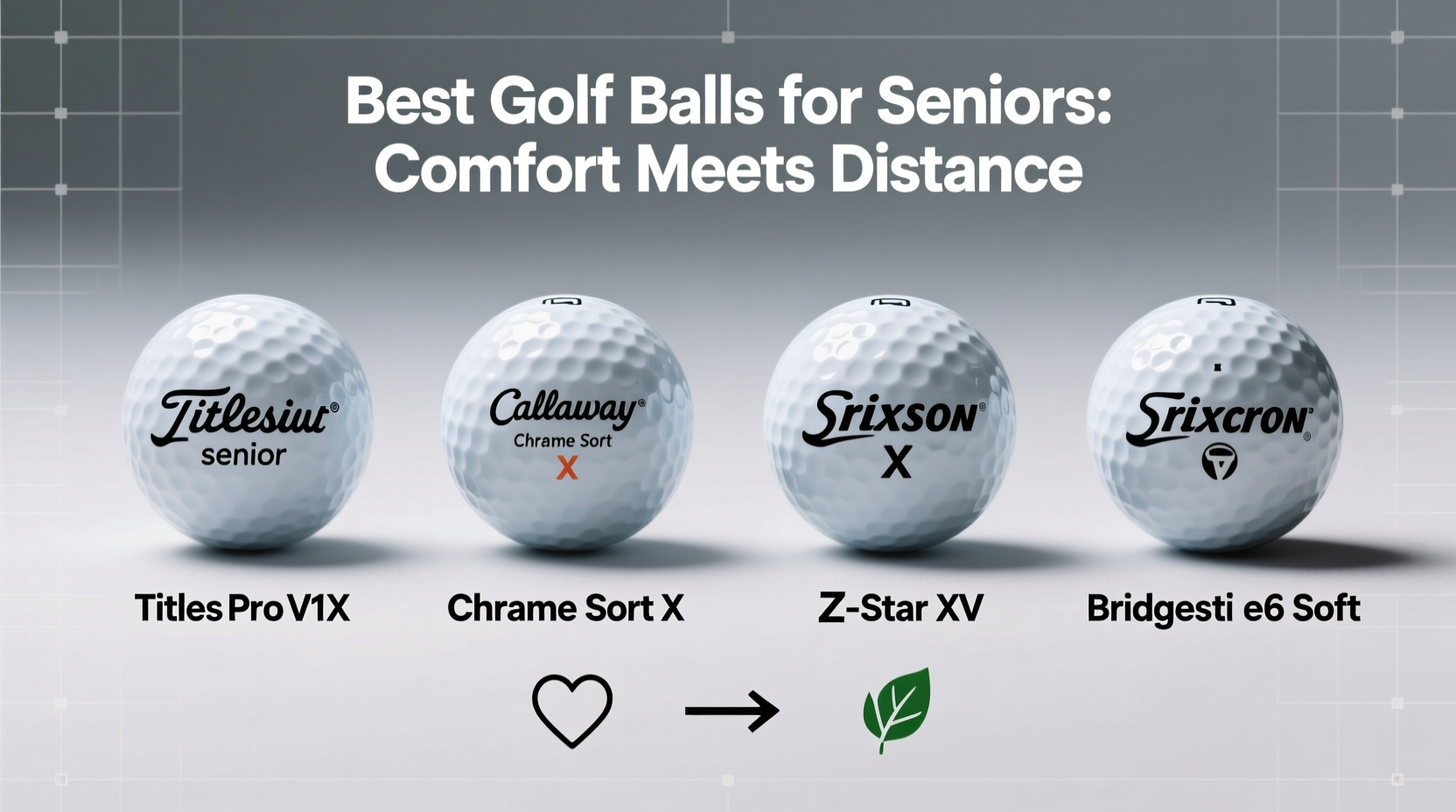
Many seniors assume that all golf balls perform similarly, especially at lower price points. However, the difference between a high-compression tour ball and a low-compression senior-friendly model can be dramatic in terms of distance, spin, and feel. As average swing speeds for players over 60 often fall below 90 mph, using a ball designed for faster swings leads to reduced carry, poor energy transfer, and increased fatigue due to harsh impact feedback.
Low-compression golf balls (typically rated between 38 and 70) compress more easily at impact, allowing slower swingers to get full launch and maximum energy return. These balls also tend to have softer cores and covers, reducing hand and joint discomfort—especially important for players with arthritis or tendonitis.
“Matching your golf ball to your swing speed is as critical as fitting your clubs. A well-matched ball can add up to 15 yards per shot for seniors.” — Dr. Tom Wishon, Golf Club & Ball Technology Expert
Top 5 Golf Balls for Seniors: Performance Breakdown
| Golf Ball | Compression Rating | Key Benefit | Best For | Average Price (Dozen) |
|---|---|---|---|---|
| Srixon Soft Feel | 60 | Ultra-soft core, high MOI driver performance | Players seeking soft feel and straight flight | $28 |
| Callaway Superhot Bold | 65 | Bright color for visibility, low spin off driver | Seniors with visual challenges or slicing issues | $30 |
| Vice Pro Plus | 70 | Premium multi-layer design, excellent greenside control | Better seniors with moderate swing speeds | $34 |
| Wilson Duo Soft+ | 29 | Lowest compression on the market, extremely soft | Players with very slow swings or joint pain | $24 |
| Bridgestone E6 Speed | 65 | Tuned for faster ball speed, reduced sidespin | Seniors wanting distance with a firmer feel | $30 |
What Each Ball Offers
- Srixon Soft Feel: Features a 3-piece construction with a FastLayer Core that transitions from soft inside to firm outside. This helps maintain ball speed while delivering a cushioned impact. Its ionomer cover resists scuffing and enhances durability.
- Callaway Superhot Bold: Bright neon yellow coloring improves visibility in low light and tall grass. Low driver spin reduces hooking and slicing, helping seniors stay on fairway more consistently.
- Vice Pro Plus: Direct-to-consumer brand offering tour-level performance at half the price. Excellent spin separation between long game and wedge play makes it ideal for seniors still working on short-game finesse.
- Wilson Duo Soft+: With a 29-compression core, this is one of the softest balls available. It maximizes energy transfer for swings under 85 mph and is favored by those with physical limitations.
- Bridgestone E6 Speed: Designed specifically for moderate swing speeds, this ball uses a larger core and thinner cover to promote faster ball speeds and a penetrating flight.
How to Choose the Right Ball: Key Factors
Selecting the best golf ball isn’t just about brand names or price. Seniors should evaluate several technical and experiential factors to ensure optimal performance and comfort.
Compression Level
This measures how much the ball deforms at impact. Lower compression (under 70) suits slower swings, ensuring full compression and better energy transfer. High-compression balls (90+) require faster swings to perform properly and often feel too firm for older players.
Spin Rate
Low spin off the driver promotes longer, straighter drives—ideal for seniors battling slice or hook. However, some greenside spin is necessary for approach shots and chipping. Multi-layer balls offer spin separation, minimizing driver spin while allowing wedge control.
Feel
The tactile feedback at impact influences confidence and comfort. Softer-feeling balls reduce vibration, which is beneficial for players with sensitive hands or wrist issues. Ionomer-covered balls are generally firmer than urethane, but newer blends offer improved softness.
Visibility
Bright-colored balls—like neon yellow, orange, or matte finishes—can make tracking easier during flight and locating the ball in rough or shaded areas. This small advantage adds up over 18 holes, especially for players with declining vision.
Durability
While seniors may not generate extreme spin, frequent cart use and occasional mis-hits can wear down cheaper balls. Look for durable covers that resist cuts and scuffs, particularly if playing on courses with tight lies or hard bunkers.
Real-World Example: How One Senior Gained 12 Yards Per Drive
At 68, retired teacher Mark R. noticed his drives were falling short, often landing 180 yards off the tee despite solid contact. He was using a premium tour ball with 90 compression, believing “better players use better balls.” After a club fitter analyzed his swing (83 mph clubhead speed), he switched to the Wilson Duo Soft+.
Within two rounds, Mark saw an immediate improvement. His average drive jumped to 192 yards, and he reported less hand fatigue after 18 holes. “I didn’t think a ball could make that much difference,” he said. “Now I hit more fairways, and my iron distances are more predictable.”
This case illustrates how equipment alignment—not just technique—can dramatically affect performance and enjoyment for seniors.
Step-by-Step Guide to Finding Your Ideal Senior Golf Ball
- Measure your swing speed: Use a launch monitor at a pro shop or driving range. If unavailable, estimate based on driver carry distance: under 200 yards likely means under 90 mph.
- Identify your primary need: Is it more distance? Better feel? Straighter flight? Focus on one priority first.
- Select 2–3 candidate balls: Based on compression, price, and features aligned with your needs.
- Test on the course: Play at least nine holes with each ball, noting yardage, flight shape, and short-game response.
- Evaluate results: Compare consistency, comfort, and scoring impact. Eliminate the weakest performer.
- Commit and stock up: Once satisfied, buy in bulk. Many brands offer discounts on multi-dozen packs.
Frequently Asked Questions
Can seniors benefit from multi-layer golf balls?
Yes. Modern multi-layer balls like the Vice Pro Plus or Bridgestone E6 Speed are engineered for moderate swing speeds. They provide distance off the tee and enough spin around the greens for control, making them suitable for skilled seniors.
Are expensive golf balls worth it for older players?
Not necessarily. While premium balls offer advanced technology, many budget-friendly options—like Wilson Duo Soft+ or Srixon Soft Feel—deliver comparable distance and better comfort. Focus on fit, not price.
Should I use colored golf balls?
If you struggle to track your ball in flight or find it in the rough, yes. High-visibility colors improve focus and reduce eye strain, especially in early morning or late afternoon play.
Final Tips for Maximizing Performance
- Replace old or scuffed balls regularly—damaged covers disrupt aerodynamics.
- Store balls at room temperature; extreme heat or cold affects core resilience.
- Pair your ball choice with properly fitted clubs—shaft flex and loft matter just as much.
- Don’t overlook used premium balls; websites like LostGolfBalls offer high-quality recycled balls at deep discounts.
Conclusion: Play Better, Feel Better
The right golf ball can transform the experience for senior players—adding yards, reducing discomfort, and restoring confidence. You don’t need a 100 mph swing to enjoy powerful, controlled shots. By selecting a ball tailored to your swing speed and physical needs, you keep the game accessible, enjoyable, and competitive at any age.
💬 Ready to upgrade your game? Try one of the recommended balls on your next round and share your experience. What worked—and what didn’t? Join the conversation and help fellow seniors play their best golf yet.








