In the heart of a bustling city, where traffic snarls grow longer each year and parking costs climb steadily, urban commuters are turning to smarter alternatives. Enter the foldable electric bike—a nimble, space-saving solution that combines pedal power with electric assist and fits neatly in a closet, office corner, or even under a desk. With budgets often tight and storage limited, finding a high-performing model under $1,000 is both practical and increasingly possible.
The latest wave of affordable e-bikes has brought premium features like integrated batteries, responsive motors, and durable folding frames into the sub-$1,000 range. These aren’t gimmicks; they’re engineered machines designed for daily commutes, grocery runs, and weekend errands. The key is knowing which models deliver real value without sacrificing safety, reliability, or usability.
This guide cuts through the marketing noise to spotlight the best foldable e-bikes available today under $1,000. We’ve evaluated performance, build quality, ease of use, and long-term durability—backed by user feedback and technical specs—to help you make an informed decision.
Why Foldable E-Bikes Are Ideal for City Living
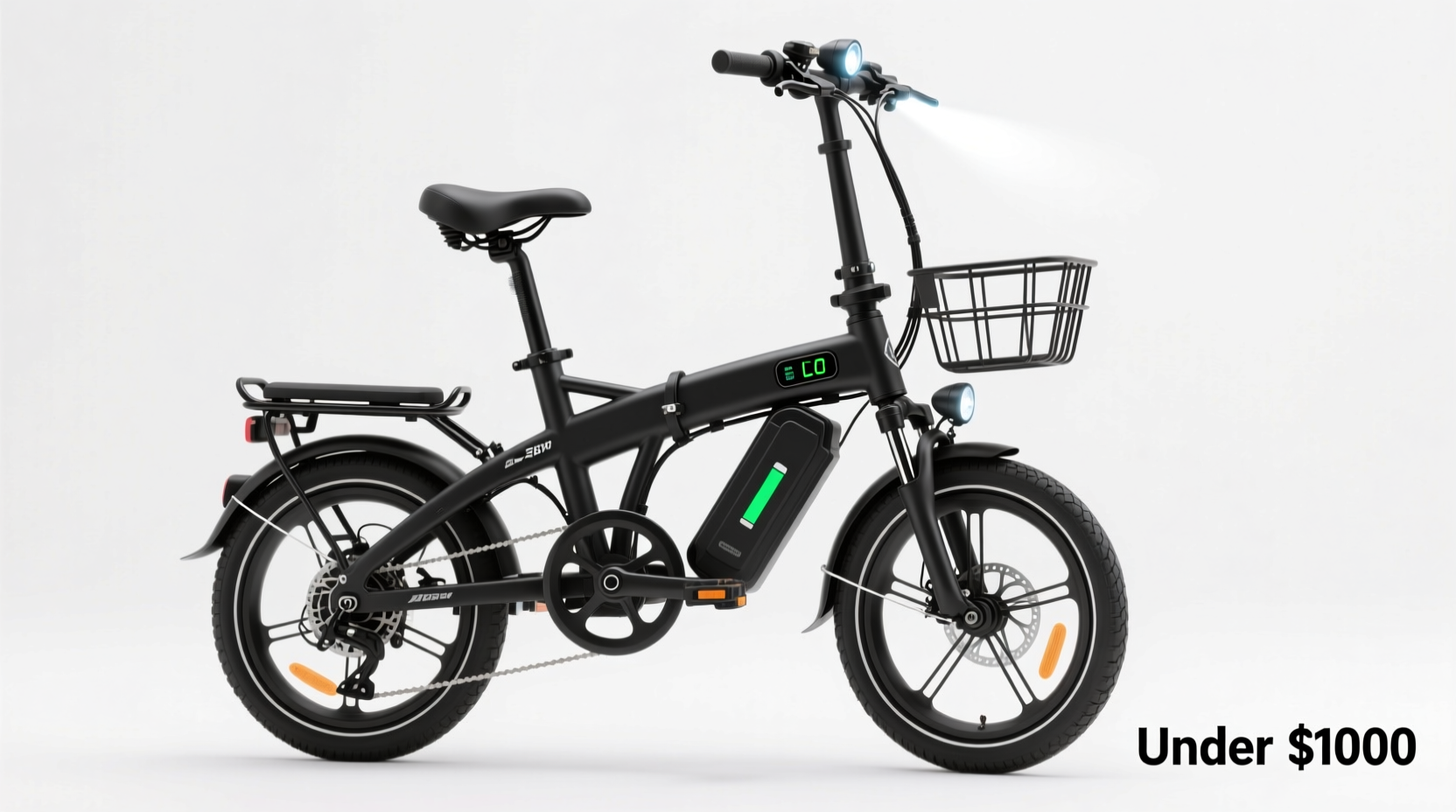
Foldable e-bikes solve two major pain points for urban dwellers: space constraints and transit inefficiency. Unlike full-size bicycles, foldable models can be stored in small apartments, carried onto buses or trains, and stashed in office supply rooms. Their compact form doesn’t compromise utility—many offer speeds up to 20 mph and ranges between 20–40 miles per charge.
Electric assistance makes hills and headwinds manageable, reducing sweat and fatigue during morning commutes. For those living in multi-unit buildings without secure bike storage, the ability to bring your ride indoors is a game-changer. Theft risk drops dramatically when your e-bike folds down to the size of a large suitcase.
Moreover, cities worldwide are investing in cycling infrastructure. Protected bike lanes, e-bike incentives, and reduced car dependency have made micro-mobility not just convenient but often faster than driving. A foldable e-bike becomes more than transportation—it’s a lifestyle upgrade.
Tip: Always lock the frame and wheels—even when folded. Many thieves target quick-release components.Top 5 Foldable E-Bikes Under $1,000
After extensive research and cross-referencing customer reviews, expert testing, and manufacturer warranties, five models stand out for their balance of price, performance, and practicality.
| Model | Motor Power | Battery Range | Weight | Price (Approx.) |
|---|---|---|---|---|
| Ride1Up Core-5 | 750W rear hub | 30–45 miles | 55 lbs | $995 |
| Aventon Cordoba One | 500W rear hub | 25–40 miles | 58 lbs | $999 |
| Swagtron EB-7 Plus | 500W front hub | 15–25 miles | 46 lbs | $799 |
| Engwe C20 Pro | 750W dual-mode | 25–45 miles | 66 lbs | $999 |
| Hiboy S2F | 350W rear hub | 20–30 miles | 44 lbs | $899 |
Ride1Up Core-5 – Best Overall Value
The Ride1Up Core-5 delivers exceptional performance at its price point. Its 750W motor provides strong acceleration and hill-climbing ability, while the 48V/14Ah battery supports extended range. The aluminum frame folds securely with intuitive latches, and the 20” wheels strike a balance between portability and road stability. Integrated lights, fenders, and a rear rack add practicality for daily use.
Aventon Cordoba One – Premium Build, Reliable Brand
Aventon has built a reputation for well-supported e-bikes with over-the-air updates and solid customer service. The Cordoba One offers a smooth ride with a torque sensor for natural-feeling pedal assist. Though heavier, it handles uneven pavement well and includes a USB charging port—useful for powering devices mid-commute.
Swagtron EB-7 Plus – Lightweight and Agile
At just 46 pounds, the Swagtron EB-7 Plus is one of the lightest folding e-bikes in this category. It's ideal for users who need to carry their bike up stairs or onto public transit. While the front hub motor lacks the punch of rear systems, it’s sufficient for flat cities. The digital display shows speed, battery level, and assist mode clearly.
Engwe C20 Pro – Dual-Power Mode for Flexibility
What sets the Engwe C20 Pro apart is its dual-mode operation: pedal-assist and throttle-only. This means you can ride without pedaling if needed—ideal for short bursts or when fatigued. The sturdy frame supports riders up to 330 lbs, and hydraulic brakes enhance stopping power on descents. Assembly takes time, but the included toolkit helps.
Hiboy S2F – Entry-Level Efficiency
The Hiboy S2F is perfect for first-time e-bike buyers. With a clean design and responsive 350W motor, it handles typical urban routes smoothly. The app connectivity allows ride tracking and firmware updates. Battery capacity is modest, so plan recharges after longer trips.
“Affordability doesn’t mean compromise anymore. Today’s sub-$1,000 e-bikes offer real engineering, not just cost-cutting.” — David Lin, Urban Mobility Analyst at GreenTransit Lab
Key Features to Look For
Not all budget e-bikes are created equal. Some cut corners on brakes, frame materials, or battery longevity. To avoid disappointment, focus on these essential features:
- Motor Type and Placement: Rear hub motors generally offer better traction and responsiveness than front hub systems. Mid-drive motors are rare at this price but provide superior weight distribution.
- Battery Quality: Lithium-ion is standard. Check voltage (48V is ideal) and amp-hours (Ah). Higher Ah = longer range. Removable batteries simplify charging.
- Braking System: Disc brakes—especially hydraulic—are safer than mechanical or rim brakes, particularly in wet conditions.
- Folding Mechanism: Look for robust hinges with locking levers. A flimsy fold compromises structural integrity.
- Tire Type: Puncture-resistant tires with tread patterns improve grip and reduce maintenance.
- Weight Capacity: Ensure the bike supports your body weight plus any cargo. Most quality models support 275–330 lbs.
Step-by-Step Guide: Choosing and Setting Up Your E-Bike
Buying a foldable e-bike involves more than clicking “Add to Cart.” Follow this timeline to ensure a smooth transition from research to daily use.
- Week 1: Define Your Needs
Determine your average commute distance, terrain type (flat vs. hilly), storage space, and carrying requirements. This shapes your ideal specs. - Week 2: Compare Models Within Budget
Use comparison tables and filter by motor power, battery life, and user weight limits. Read verified owner reviews on retailer sites. - Week 3: Purchase and Prepare for Delivery
Order from a reputable seller with return options. Clear a space for unpacking and assembly. Charge tools: wrench set, tire pump, gloves. - Day of Arrival: Unbox and Inspect
Check for shipping damage. Confirm all parts are included. Most bikes arrive 85% assembled. - Day 1: Initial Setup and Safety Check
Attach handlebars, pedals, and seat. Tighten all bolts. Test brakes, lights, and throttle. Inflate tires to recommended PSI. - Day 2–3: First Rides and Calibration
Start with short rides in low-traffic areas. Adjust assist levels and get comfortable with handling. Update firmware if applicable. - Day 7: Finalize Storage and Charging Routine
Establish a consistent charging schedule—ideally after each use. Store in a dry, room-temperature location.
Real Commuter Experience: How Maria Cut Her Commute Time in Half
Maria, a graphic designer in Portland, Oregon, used to spend 45 minutes each way on crowded buses. She worked near downtown but lived in a quieter neighborhood due to rent prices. After researching transport options, she invested $995 in a Ride1Up Core-5.
Her new routine starts with unfolding the bike in her building’s lobby—less than a minute. She rides 3.5 miles along protected bike lanes, arriving at work slightly warmed but never drenched in sweat. The 750W motor handles Portland’s rolling hills effortlessly. At the office, she locks the folded bike behind her desk.
“I save nearly 10 hours a week,” she says. “And I’m not stressed from standing on packed buses. Plus, my lunch breaks are now 20-minute park rides instead of scrolling on my phone.”
She charges the battery every other day and reports no issues after six months of daily use. “It paid for itself in saved transit passes within four months.”
Essential Maintenance Checklist
To keep your foldable e-bike running smoothly, follow this monthly maintenance checklist:
- ✅ Inspect Folding Joints
- Ensure hinges are tight and free of debris. Apply light lubricant if needed.
- ✅ Check Tire Pressure
- Under-inflated tires reduce efficiency and increase puncture risk.
- ✅ Test Brakes and Electronics
- Squeeze brake levers firmly. Listen for grinding. Verify display functions and assist modes.
- ✅ Clean Frame and Drivetrain
- Wipe down with damp cloth. Use degreaser on chain sparingly.
- ✅ Recharge Battery Fully
- Even if not fully drained, complete a full charge cycle monthly to maintain cell health.
- ✅ Update Firmware (if supported)
- Some brands release updates via app or USB to improve motor response or battery management.
Frequently Asked Questions
Can I ride a foldable e-bike in the rain?
Most models are rated IPX4 or higher, meaning they resist splashing water and light rain. However, avoid deep puddles and prolonged exposure. Wipe down the bike after wet rides, especially around electrical connectors.
Are foldable e-bikes legal everywhere?
In the U.S., Class 1 and Class 2 e-bikes (with pedal assist up to 20 mph or throttle-assisted up to 20 mph) are federally recognized and allowed on most bike paths. Local laws vary—check city ordinances regarding sidewalk use and helmet requirements.
How long do batteries last on these models?
Lithium-ion batteries typically retain 80% capacity after 500 full charge cycles. With regular use, that’s about 2–4 years. Charging habits matter: avoid draining to zero or leaving at 100% for days.
Final Thoughts: Your Commute Can Be Smarter
The right foldable e-bike under $1,000 isn’t just a purchase—it’s an investment in time, health, and urban freedom. No longer must you choose between affordability and functionality. Models like the Ride1Up Core-5 and Aventon Cordoba One prove that accessible pricing doesn’t mean sacrificing core performance.
As cities evolve toward sustainable mobility, owning a personal electric vehicle that fits in your home and avoids congestion becomes not just smart, but essential. Whether you're replacing car trips, ditching public transit delays, or simply reclaiming your mornings, a foldable e-bike empowers you to move differently.
💬 Ready to transform your commute? Pick one of the models reviewed here, commit to a test ride, and experience the shift. Share your journey with others—your story might inspire the next rider to go electric.








