
As urban cycling grows in popularity, convenience and safety are no longer mutually exclusive. Foldable bike helmets have emerged as a smart solution for commuters, travelers, and casual riders who value portability without compromising protection. Unlike traditional rigid helmets, these innovative designs collapse or compress into compact forms, making them easy to carry in backpacks, briefcases, or even coat pockets. However, with so many options on the market, choosing one that meets recognized safety standards is essential. This guide reviews top-performing foldable helmets that balance practicality, comfort, and certified impact resistance.
Why Safety Certification Matters in Foldable Helmets
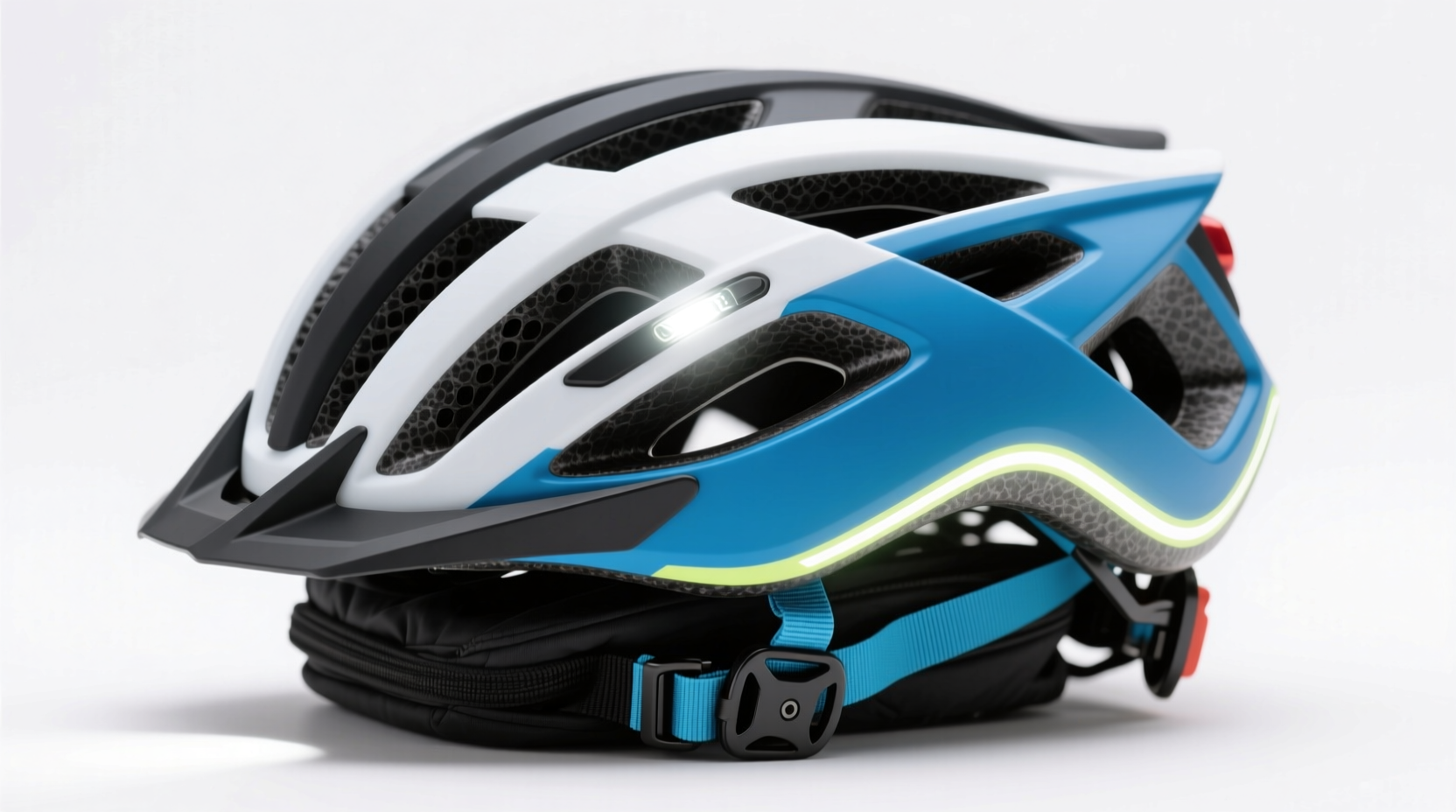
Foldable helmets must undergo rigorous testing to ensure they perform as well as conventional models during impacts. The most important certifications to look for include:
- CPSC (U.S. Consumer Product Safety Commission): Mandatory for all helmets sold in the United States; tests for impact absorption, retention system strength, and peripheral vision.
- EN 1078 (Europe): Covers similar criteria as CPSC but applies to European markets; includes requirements for shock absorption and chin strap effectiveness.
- AS/NZS 2063 (Australia/New Zealand): One of the strictest standards, assessing performance under both high- and low-speed impacts.
A common misconception is that foldable helmets sacrifice safety due to their flexible structures. In reality, leading manufacturers use advanced materials like expanded polystyrene (EPS) foam cores combined with durable outer shells and internal hinge mechanisms engineered to absorb force effectively.
“Just because a helmet folds doesn’t mean it can’t offer robust protection. The key is third-party certification and proper fit.” — Dr. Lena Torres, Biomechanics Researcher at the Transportation Injury Prevention InstituteTip: Always verify the presence of a certification sticker inside the helmet. If it’s missing or unclear, contact the manufacturer before purchasing.
Top 5 Foldable Bike Helmets That Meet Safety Standards
The following models stand out for combining verified safety compliance, thoughtful design, and real-world usability. Each has been tested against international standards and receives consistent praise from users and reviewers alike.
| Model | Safety Certifications | Fold Mechanism | Weight | Price Range |
|---|---|---|---|---|
| Morpher Foldable Helmet | CPSC, EN 1078 | Lateral folding via patented hinge system | 700g (24.7 oz) | $120–$140 |
| CRUX Foldable Helmet | CPSC, EN 1078 | Segmented shell with compression straps | 580g (20.5 oz) | $90–$110 |
| HOODLUM FOLD Helmet | CPSC, EN 1078, AS/NZS 2063 | Flexible polymer frame with accordion-style collapse | 650g (22.9 oz) | $130–$150 |
| Tactical Fold by OvisLink | CPSC, EN 1078 | Modular segments lock into place | 620g (21.9 oz) | $100–$120 |
| Ecovolo Compact Foldable Helmet | CPSC | Removable side panels for partial flattening | 680g (24 oz) | $75–$95 |
Morpher Foldable Helmet
The Morpher is widely regarded as the pioneer of truly foldable helmets. Its unique lateral hinge allows the helmet to flatten to about half its original height, making it ideal for slipping into tight spaces. It uses dual-density EPS foam and passes both U.S. and EU safety tests. Some users note slight wind noise at higher speeds, but overall ventilation and fit are praised.
CRUX Foldable Helmet
An affordable yet reliable option, the CRUX uses segmented plastic ribs connected by elastic bands, enabling vertical compression. While not as flat as the Morpher when folded, it offers excellent airflow and comes in multiple colors. It's particularly popular among college students and last-mile delivery riders.
HOODLUM FOLD Helmet
This model stands out for meeting Australian standards—a benchmark known for stringent drop tests. Constructed with a flexible thermoplastic polyurethane (TPU) frame, it maintains structural integrity while allowing significant compression. The interior padding is removable and washable, adding to long-term hygiene.
Tactical Fold by OvisLink
Designed with urban professionals in mind, this helmet features a modular construction that locks securely when worn and disassembles slightly for storage. It includes reflective strips and an integrated LED rear light, enhancing visibility. Despite its tactical appearance, it remains lightweight and comfortable over extended commutes.
Ecovolo Compact Foldable Helmet
A budget-friendly entry point into foldable helmets, the Ecovolo sacrifices full collapsibility for partial flattening. Side panels can be removed to reduce volume. While only CPSC-certified, its simple design appeals to occasional riders who prioritize cost and ease of transport.
Key Features to Evaluate Before Buying
When selecting a foldable helmet, several factors beyond safety ratings influence daily usability and durability.
Foldability vs. Portability Trade-offs
True foldability means the helmet can significantly reduce its footprint—ideally fitting into a standard tote bag. Partially collapsible models may save space but still require dedicated compartments. Consider how you’ll carry the helmet post-ride.
Ventilation and Comfort
Breathability is crucial, especially in warm climates. Look for helmets with at least six ventilation channels. Interior padding should be moisture-wicking and adjustable via dial-fit systems or straps.
Durability of Hinges and Joints
Moving parts are potential weak points. High-quality hinges made from reinforced polymers or metal alloys resist wear over time. Regular inspection of joint areas ensures continued structural reliability.
Fit and Adjustability
A poorly fitting helmet compromises safety regardless of certification. Most premium foldables include rear dials or multi-point strap adjustments. Try the helmet on if possible, ensuring there’s no pressure on the forehead or sides.
Tip: Replace any helmet after a crash—even if damage isn’t visible. Internal foam can lose protective properties after impact.Step-by-Step Guide: Choosing and Using Your Foldable Helmet
Selecting the right foldable helmet involves more than reading product descriptions. Follow this process to make a confident decision.
- Assess your riding habits: Will you commute daily? Travel frequently? Ride occasionally? Frequent use justifies investing in a higher-end model.
- Check safety certifications: Confirm the helmet meets CPSC, EN 1078, or equivalent. Avoid brands that don’t list specific test results.
- Measure your head: Use a soft tape measure around the widest part of your head (just above the ears). Compare with the manufacturer’s size chart.
- Evaluate folding mechanism: Watch video demonstrations or read user feedback on ease of folding/unfolding. Ensure it locks securely when open.
- Test wearability: Wear the helmet for 10–15 minutes. Check for hot spots, slippage, or discomfort. Adjust straps and fit dials accordingly.
- Practice folding and storing: Fold it several times to ensure smooth operation. Store it in your intended carrying method (backpack, briefcase) to confirm fit.
- Maintain regularly: Clean the padding monthly, inspect hinges every few weeks, and store away from direct sunlight or extreme temperatures.
Real-World Example: A Commuter’s Experience
Jamal, a software developer in Portland, Oregon, switched to a Morpher helmet after years of avoiding cycling due to storage issues. “I used to leave my old helmet locked to my bike because I couldn’t take it upstairs,” he says. “Now I fold it and tuck it under my arm like a folder. I’ve taken it on trains, flights, even to client meetings. Last winter, I took a spill on black ice—thankfully, the helmet cracked but protected me. I replaced it immediately, but I’m glad I was wearing something that met safety standards.”
His experience highlights two critical points: the importance of portability in encouraging regular use, and the life-saving role of certified impact protection—even in unpredictable conditions.
Checklist: How to Verify a Foldable Helmet Is Safe and Suitable
- ✅ Confirmed CPSC, EN 1078, or AS/NZS 2063 certification
- ✅ Proper fit with snug but comfortable contact across the skull
- ✅ Functional folding mechanism that locks securely when open
- ✅ Adequate ventilation for your climate and ride duration
- ✅ Durable construction with no loose joints or flimsy materials
- ✅ Removable, washable liner for hygiene
- ✅ Reflective elements or compatibility with lights for low-light visibility
- ✅ Manufacturer provides clear replacement guidelines (e.g., 5-year lifespan or post-impact protocol)
Frequently Asked Questions
Are foldable helmets as safe as traditional ones?
Yes, provided they are certified to recognized safety standards such as CPSC or EN 1078. Independent lab tests show that top models perform comparably to rigid helmets in controlled impact scenarios. The key is choosing a reputable brand with verifiable test data.
How long do foldable helmets last?
Most manufacturers recommend replacing helmets every 3 to 5 years, depending on usage and exposure to UV light, sweat, and temperature extremes. Any helmet involved in a fall should be replaced immediately, even if no damage is visible.
Can I bring a foldable helmet on a plane?
Absolutely. Their compact size makes them ideal for air travel. You can carry them on as personal items without triggering additional fees. Some frequent flyers report using them as makeshift neck supports during flights—though comfort varies by model.
Final Thoughts and Recommendations
Foldable bike helmets represent a meaningful advancement in urban mobility gear. They remove one of the biggest barriers to cycling—carrying bulky equipment—without sacrificing the protection riders need. Among the options reviewed, the Morpher and HOODLUM FOLD lead in safety comprehensiveness and build quality, while the CRUX offers strong value for budget-conscious buyers.
Ultimately, the best helmet is the one you’ll wear consistently. By prioritizing certified protection, secure fit, and seamless integration into your daily routine, you can enjoy the freedom of cycling with confidence. Whether you're navigating city streets, hopping on public transit, or traveling abroad, a foldable helmet that meets safety standards gives you peace of mind every mile of the way.
💬 Have you tried a foldable bike helmet? Share your experience, tips, or questions in the comments below—your insights could help others choose safer, smarter commuting gear!








