
Hiking with your dog transforms a simple trail walk into a shared adventure. But just like humans, dogs need proper gear to stay safe, comfortable, and energized on rugged terrain. Whether you're exploring forest paths or summiting alpine ridges, equipping your dog with the right hiking essentials makes all the difference. The wrong gear—or none at all—can lead to fatigue, injury, or heat stress. The right setup ensures your dog enjoys the journey as much as you do, without compromising their health or performance.
Why Proper Dog Hiking Gear Matters
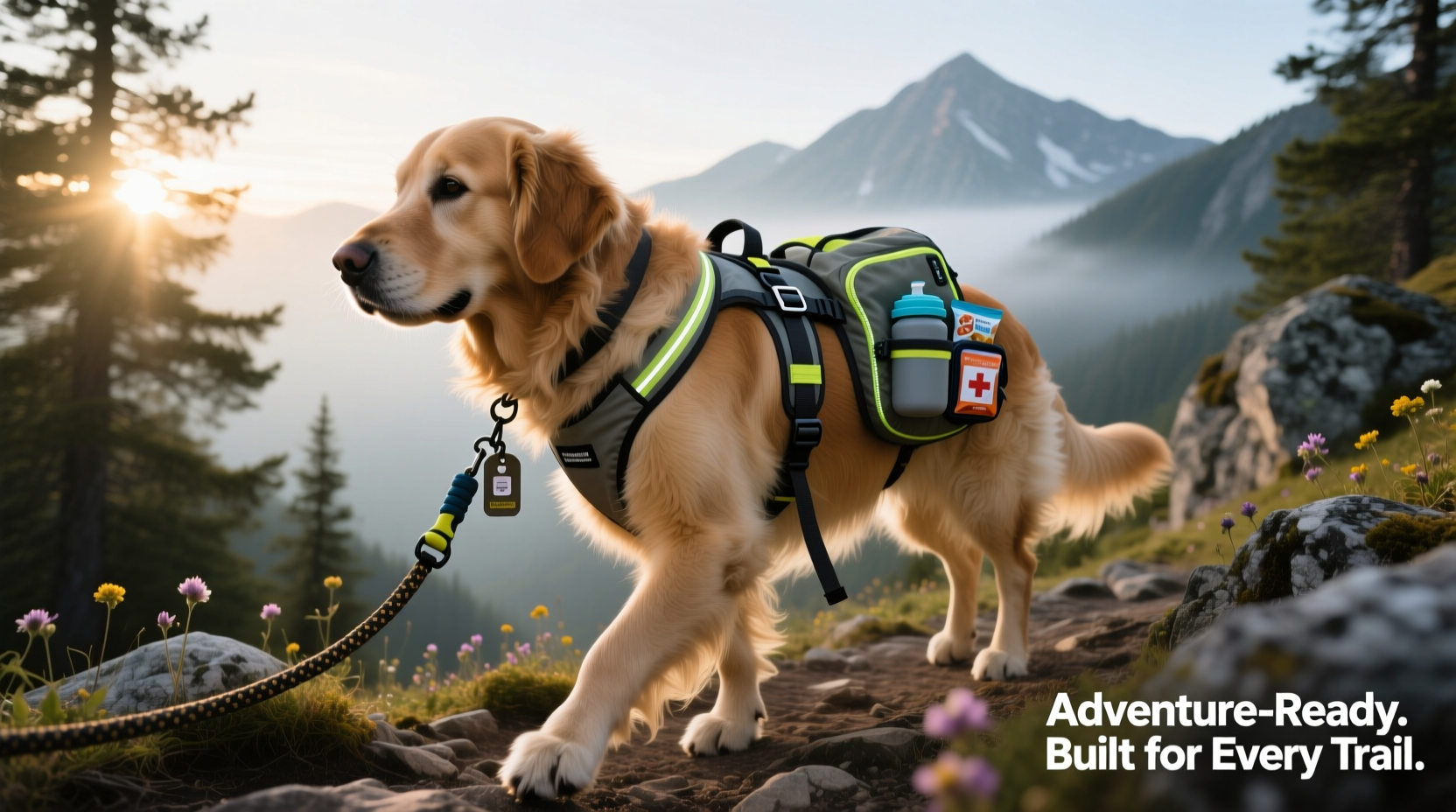
Dogs aren’t naturally equipped for long-distance hikes over rocky, uneven, or hot surfaces. Their paws are sensitive, their bodies can overheat quickly, and they lack the ability to communicate discomfort until it becomes severe. Without proper support, even fit dogs can suffer from paw abrasions, joint strain, dehydration, or overheating.
Investing in quality hiking gear isn't about luxury—it's about preparedness. A well-fitted harness distributes weight evenly, protecting your dog’s neck and spine. Paw protection shields against sharp rocks, thorns, and scorching pavement. Hydration systems ensure consistent water intake, especially when natural sources are unsafe or unavailable.
“Dogs rely entirely on their humans to protect them in unfamiliar environments. The right gear is non-negotiable for responsible outdoor adventures.” — Dr. Lena Torres, DVM, Canine Sports Medicine Specialist
Essential Dog Hiking Gear Checklist
Before hitting the trail, verify that your dog has the following core items:
- Well-fitted hiking harness – Not a collar; designed for load distribution and control
- Durable leash or hands-free waist leash – For better mobility and safety
- Dog booties or paw wax – Protection from rough terrain and extreme temperatures
- Portable dog water bottle or collapsible bowl – To prevent dehydration
- Dog-specific first aid kit – Including tweezers, antiseptic wipes, and gauze
- Backpack (if carrying supplies) – Balanced weight distribution is key
- Reflective gear or LED collar light – For visibility in low-light conditions
Top-Rated Gear by Category
Harnesses: Support and Control
A hiking harness should be adjustable, breathable, and feature multiple attachment points. Look for models with handle grips—useful for helping your dog over obstacles or lifting them if injured.
- Ruffwear Front Range Harness – Ideal for moderate trails; excellent adjustability and reflective trim.
- Ruffwear Web Master Harness – Built for technical terrain with load-bearing handles and gear loops.
- Orvis Reflective Dog Harness – Great for visibility and comfort on longer treks.
Paw Protection: Boots vs. Wax
Hot asphalt, icy trails, and sharp rocks can damage paw pads. You have two primary options:
| Option | Best For | Pros | Cons |
|---|---|---|---|
| Dog Booties (e.g., Ruffwear Grip Trex) | Rugged trails, snow, hot surfaces | Fully protective, durable, slip-resistant | Some dogs resist wearing them; require fitting |
| Paw Wax (e.g., Musher’s Secret) | Mild terrain, short hikes, temperature barriers | Easy application, no adjustment needed | Limited protection; wears off faster |
Hydration Solutions
Dogs lose moisture rapidly during physical activity. Carrying water is essential—even if the trail has streams. Natural water sources may contain giardia or bacteria.
- Collapsible silicone bowls – Lightweight and packable; pair with a standard water bottle.
- All-in-one bottles (e.g., Pupfluegent Water Bottle) – Features a built-in bowl and pump mechanism.
- Hydration packs for dogs – Like the Ruffwear Kibble Carrier, which doubles as a water reservoir.
Dog Backpacks: Carry Their Own Supplies
If your dog is strong and well-trained, a backpack allows them to carry their food, water, or waste bags. Never exceed 10–12% of your dog’s body weight.
- Ruffwear Approach Pack – Padded, balanced design with color-coded pockets.
- RC Pet Supply Dog Backpack – Budget-friendly with good adjustability.
“Backpacks build confidence and engagement in working breeds. Just make sure the load is evenly distributed and doesn’t restrict movement.” — Sarah Kim, Certified Canine Fitness Trainer
Real-World Example: Hiking the Pacific Crest Trail with Max
When Mark took his 5-year-old Australian Shepherd, Max, on a multi-day section of the Pacific Crest Trail, preparation made the difference between success and retreat. Early in the trip, Max began limping after crossing a stretch of volcanic rock. Mark had packed Ruffwear booties but hadn’t tested them beforehand. Max refused to walk in them, forcing Mark to carry him partway back.
The next season, Mark trained Max to wear booties daily, used Musher’s Secret wax on shorter hikes, and introduced a lightweight backpack. On their second attempt, Max completed 18 miles over three days with no issues. “I learned that gear isn’t just about buying the right stuff,” Mark says. “It’s about conditioning, training, and testing everything before the real adventure.”
Step-by-Step: Preparing Your Dog for a Hiking Adventure
- Evaluate fitness level – Consult your vet if your dog has joint issues or is overweight.
- Start small – Begin with 1–2 mile hikes on easy terrain to build endurance.
- Introduce gear gradually – Let your dog wear the harness and booties around the house.
- Practice commands off-leash (in safe areas) – Solid recall is critical on trails.
- Train with the backpack empty, then add weight slowly – Monitor for signs of strain.
- Simulate trail conditions – Walk on gravel, hills, or uneven ground to build paw resilience.
- Run a full pre-hike checklist – Water, food, first aid, ID tags, waste bags, weather check.
Common Mistakes to Avoid
- Using a collar instead of a harness – Can cause tracheal damage, especially if your dog pulls.
- Skipping paw protection – Even tough pads can split on sharp rocks or burn on hot surfaces.
- Overloading a dog backpack – Leads to joint stress and early fatigue.
- Ignoring weather conditions – Dogs can overheat quickly; avoid midday hikes in summer.
- Assuming all dogs are natural hikers – Breeds with short snouts (e.g., Bulldogs) or thick coats (e.g., Huskies) face higher risks.
FAQ
How do I know if my dog is ready for hiking?
Your dog should be able to walk 3–5 miles on varied terrain without excessive panting, limping, or reluctance. They should respond reliably to basic commands and remain calm in unpredictable environments.
Can I use human hiking gear for my dog?
No. Human gear isn’t designed for canine anatomy. Dog-specific harnesses distribute pressure across the chest and shoulders, not the neck. Human backpacks will throw off balance and cause chafing.
What should I do if my dog gets overheated on the trail?
Stop immediately. Move to shade, offer small sips of water, and wet their paws, ears, and belly. Watch for symptoms like excessive drooling, vomiting, or lethargy. If signs persist, seek veterinary care immediately.
Final Thoughts: Gear Up, Train Well, and Explore Safely
The best dog hiking gear combines functionality, durability, and comfort. But equipment alone isn’t enough. Success comes from thoughtful preparation, gradual training, and a deep understanding of your dog’s limits and strengths. With the right harness, paw protection, hydration tools, and mindset, you and your dog can confidently tackle new trails, enjoy breathtaking views, and create lasting memories together.
💬 Ready to hit the trail? Share your favorite dog hiking gear or tag us in your next adventure photo. Let’s inspire more pups to explore safely and joyfully!








