Access to clean drinking water is non-negotiable when you're miles from civilization. On hiking and camping trips, natural water sources like streams, lakes, and rivers may look pristine but often harbor bacteria, protozoa, viruses, and sediment that can cause serious illness. Carrying enough bottled water isn’t practical for extended trips, which makes a reliable compact water purifier essential gear. The right device removes harmful pathogens, improves taste, and reduces pack weight—all without sacrificing performance.
This guide examines top-performing compact water purifiers designed specifically for outdoor adventures. From filter straws to UV pens and pump systems, we evaluate each option based on filtration efficiency, weight, ease of use, durability, and real-world reliability. Whether you're backpacking through the Rockies or trekking in tropical rainforests, this breakdown will help you choose the best tool for staying hydrated and healthy in the backcountry.
Why You Need a Compact Water Purifier Outdoors
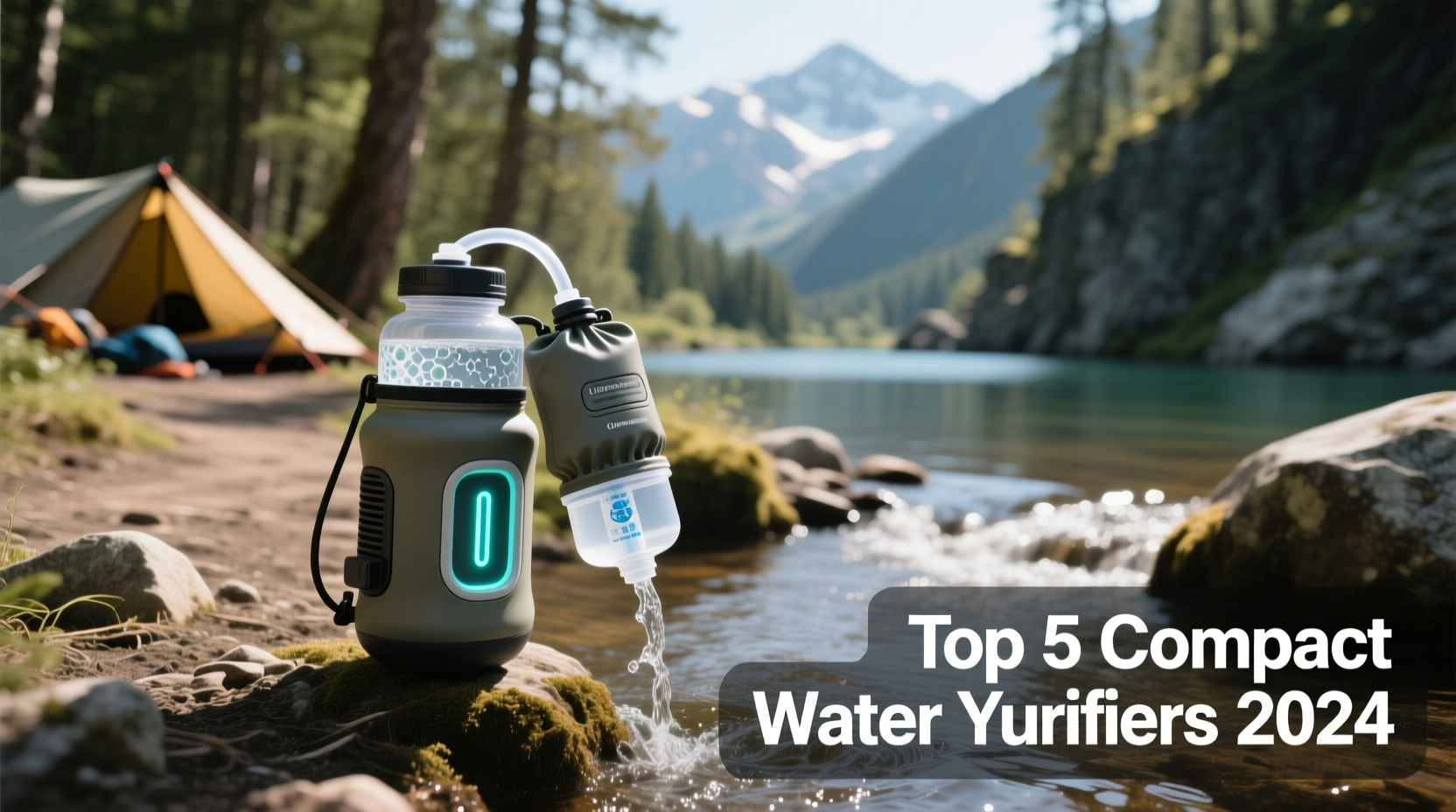
Natural water sources are unpredictable. Even crystal-clear mountain streams can be contaminated by animal waste, agricultural runoff, or human activity upstream. Common waterborne threats include:
- Giardia and Cryptosporidium: Protozoan parasites causing diarrhea, cramps, and dehydration.
- E. coli and Salmonella: Bacteria leading to severe gastrointestinal distress.
- Viruses: Especially prevalent in areas with poor sanitation; not all filters remove them.
- Sediment and microplastics: Affect taste and long-term health.
A compact water purifier allows you to refill from almost any freshwater source safely. It eliminates the need to carry heavy water bottles over long distances and ensures sustainability by reducing reliance on single-use plastics. Most models today weigh less than 10 ounces and fit easily into a backpack side pocket or hydration bladder compartment.
Tip: Always pre-filter visibly murky water using a bandana or coffee filter to extend your purifier’s lifespan.Top 5 Compact Water Purifiers Compared
The market offers various technologies—mechanical filtration, UV sterilization, chemical treatment, and gravity systems. Below is a comparison of five of the most trusted compact purifiers ideal for hikers and campers.
| Product | Type | Weight | Purification Speed | Removes Viruses? | Price Range |
|---|---|---|---|---|---|
| Sawyer Squeeze | Filter (Hollow Fiber) | 3 oz | 1 liter / 10 sec | No | $40–$50 |
| Lifestraw Mission | Pump Filter | 14 oz | 1 liter / 1 min | Yes | $70–$80 |
| Grayl Ultralight | Electroadsorption (Press-to-Purify) | 12 oz | 1 liter / 15 sec | Yes | $90–$100 |
| SteriPEN Ultra | UV Light | 4.5 oz | 1 liter / 90 sec | Yes | $80–$90 |
| Platypus QuickDraw | Inline Gravity Filter | 5 oz | 1.5L / 2 min | No | $50–$60 |
Each model serves different needs. For solo hikers prioritizing minimal weight, the Sawyer Squeeze remains a favorite. Families or groups benefit from gravity systems like the Platypus. Travelers visiting developing regions should opt for virus-capable purifiers such as the Grayl or SteriPEN.
Key Features to Look for in a Compact Purifier
Not all purifiers are created equal. When selecting one for hiking or camping, consider these critical factors:
- Filtration Technology: Hollow fiber filters trap bacteria and protozoa but don’t kill viruses. If traveling internationally or in high-risk zones, choose devices with UV light, chemical disinfection, or electroadsorption that neutralize viruses.
- Flow Rate: Faster purification means less waiting. Aim for at least 1 liter per minute under field conditions.
- Weight and Size: Every ounce counts. Lightweight options (<8 oz) integrate seamlessly into ultralight packs.
- Durability: Look for BPA-free plastic, reinforced connectors, and replaceable parts. Some filters can process up to 100,000 liters before replacement.
- Battery Dependency: UV and electronic purifiers require charging. Consider solar chargers or backup power banks if off-grid for extended periods.
- Backflush Capability: Essential for maintaining flow rate in silty environments. Devices like the Sawyer allow easy cleaning mid-trip.
“Field-tested reliability beats lab specs every time. A purifier that fails after two uses is worse than no purifier.” — Dr. Alan Reyes, Wilderness Medicine Specialist
Step-by-Step Guide: How to Use a Water Purifier Safely
Even the best purifier won’t protect you if used incorrectly. Follow this sequence to ensure consistent safety:
- Assess the Source: Choose fast-moving water over stagnant pools. Avoid water near trails, campsites, or grazing animals.
- Pre-Filter if Needed: Pour water through a cloth or bandana to remove large debris and reduce clogging.
- Assemble the Device: Attach hoses, fill bottles, or insert UV rods according to manufacturer instructions.
- Purify Thoroughly: For filters, ensure full passage through the membrane. For UV pens, stir slowly during exposure to reach all areas.
- Rinse the Output Container: Never pour purified water into a dirty bottle. Use a dedicated clean vessel.
- Maintain After Use: Backflush filters, dry UV bulbs, and store components in a protective case.
Real-World Example: Backpacking the John Muir Trail
In summer 2023, Sarah Lin, an experienced thru-hiker, completed the 211-mile John Muir Trail from Yosemite to Mount Whitney. She relied solely on the Sawyer Squeeze for her 22-day journey, refilling from alpine creeks daily.
“I started with zero confidence in filtering snowmelt,” she said. “But after day three, it became second nature. I’d fill my Smartwater bottle from a stream, screw on the filter, and squeeze directly into my hydration bladder. It took seconds, weighed nothing, and never failed me—even above 10,000 feet.”
She noted one challenge: colder water slowed flow slightly, requiring more pressure. But overall, the system saved her over 30 pounds of water weight compared to carrying reserves. Her only regret? Not bringing a backup pre-filter mesh for silt-heavy sections near Evolution Basin.
Sarah’s experience highlights how a lightweight purifier enables longer, more flexible trips—but also underscores the importance of preparation and redundancy.
Checklist: Choosing & Using Your Purifier
Before hitting the trail, run through this checklist to ensure readiness:
- ✅ Confirm your purifier removes bacteria, protozoa, and (if needed) viruses.
- ✅ Test the device at home with tap water to check flow and leaks.
- ✅ Pack extra batteries or a portable charger for electronic models.
- ✅ Bring a pre-filter cloth or bandana for turbid water.
- ✅ Learn how to backflush or clean your unit in the field.
- ✅ Carry emergency backup purification (e.g., chlorine dioxide drops).
- ✅ Label your clean water container clearly to avoid cross-contamination.
Frequently Asked Questions
Can I drink from any river or stream if I have a purifier?
Most compact purifiers handle typical backcountry water well, but avoid heavily polluted sources such as downstream from farms, sewage outlets, or industrial sites. Extremely turbid or chemically contaminated water may overwhelm filters. When in doubt, find an alternative source.
Do UV purifiers work in cloudy water?
No. UV light cannot penetrate particles in cloudy water, leaving pathogens shielded. Always pre-filter murky water before using a UV device like SteriPEN. This is a common mistake that compromises safety.
How long do purifier cartridges last?
Lifespan varies: Sawyer filters last up to 100,000 liters; Grayl cups about 150 cycles; SteriPEN bulbs around 8,000 treatments. Actual longevity depends on water clarity and maintenance. Replace when flow diminishes significantly or per manufacturer guidelines.
Final Recommendations by Use Case
Your ideal purifier depends on trip length, group size, destination, and personal preferences:
- Ultralight Solo Hiking: Sawyer Squeeze or LifeStraw Steel. Both weigh under 4 oz and integrate with standard bottles.
- Family Camping or Group Trips: Platypus QuickDraw or GravityWorks. These allow passive filtration while cooking or resting.
- International Travel or High-Risk Areas: Grayl Ultralight or SteriPEN Ultra. Both destroy viruses, crucial where hepatitis or typhoid are concerns.
- All-in-One Simplicity: Lifestraw Mission. Combines pump, hose, and filter in one rugged unit with excellent flow.
No single purifier does everything perfectly. Balance performance, weight, and capability against your specific needs. For maximum safety, many seasoned hikers adopt a dual-method approach—using a mechanical filter plus chemical backup for high-risk zones.
Conclusion: Stay Hydrated, Stay Safe
Carrying a compact water purifier transforms how you explore the outdoors. It grants independence, reduces environmental impact, and protects your health when clean water isn’t available. From the simplicity of a straw filter to the high-tech precision of UV sterilization, today’s options make safe hydration lighter and more reliable than ever.
Don’t leave for your next adventure without one. Evaluate your route, understand the risks, and select a purifier that matches your pace and priorities. With the right tool in hand, every babbling brook becomes a lifeline—not a liability.
💬 Have a favorite water purifier or backcountry hydration tip? Share your experience in the comments and help fellow adventurers stay safe and hydrated.








