When night falls in the wilderness, reliable lighting isn’t just about convenience—it’s a safety essential. Whether you're setting up camp, cooking dinner, or navigating your tent at 2 a.m., the right LED light can make or break your outdoor experience. With countless options on the market, choosing the best camping LED lights requires balancing brightness, battery life, durability, and portability. This guide cuts through the noise to spotlight top-performing models and practical insights that ensure you’re never left in the dark.
Key Features of High-Performance Camping LED Lights
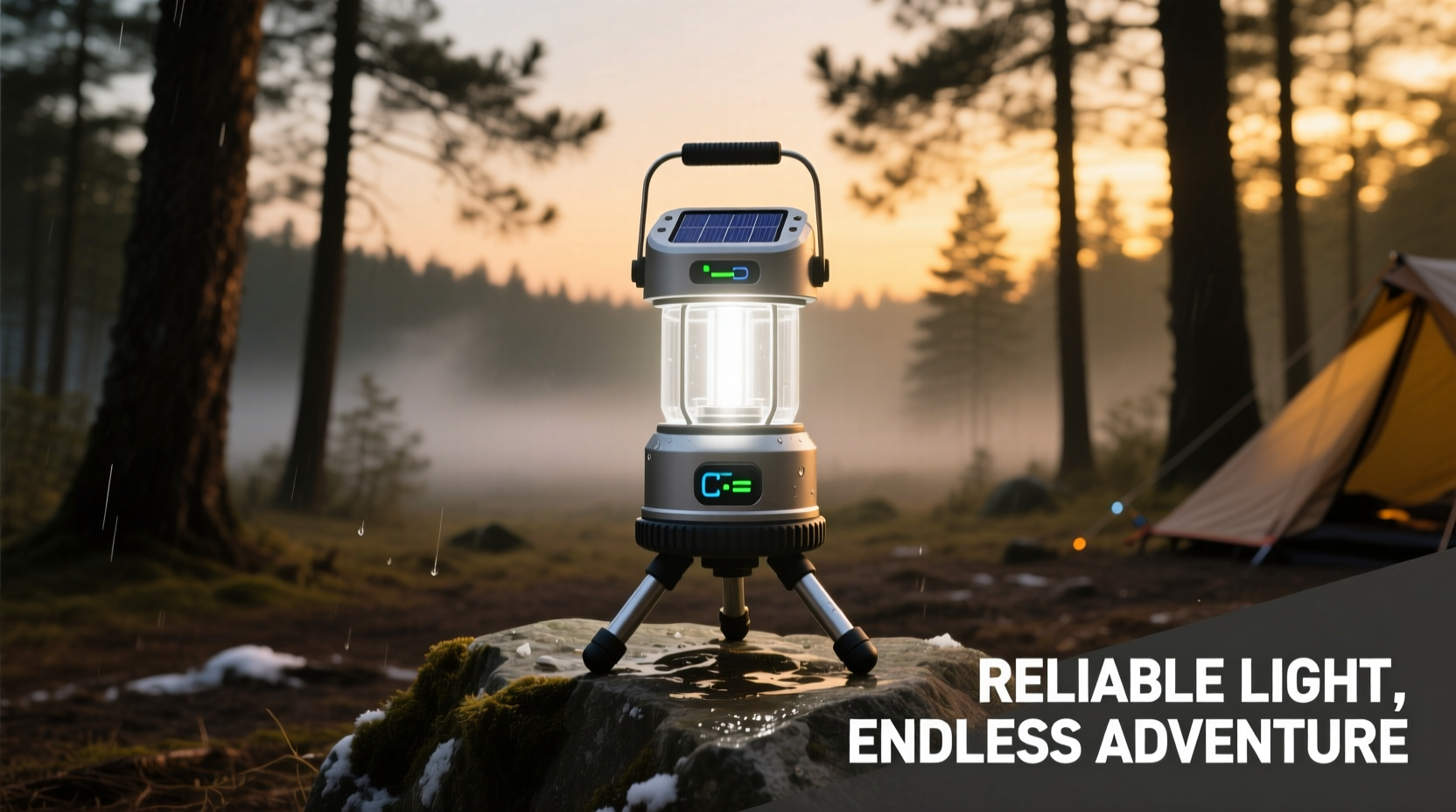
Not all LED lights are built for rugged outdoor use. The best ones combine efficiency with resilience. Here are the core features to prioritize:
- Lumen output: Look for 100–500 lumens for general campsite use. Higher lumens (800+) suit area lighting or emergency needs.
- Battery life: Long runtime is critical. Opt for models offering 10+ hours on medium settings or USB-rechargeable batteries.
- Water resistance: An IPX4 rating or higher ensures protection from rain and splashes.
- Durability: Shock-resistant materials like polycarbonate housing withstand drops and rough handling.
- Modes: Multiple brightness levels, red-light mode (preserves night vision), and strobe (emergency signaling) add versatility.
- Portability: Lightweight, collapsible, or compact designs save space in your pack.
Top 5 Camping LED Lights for Real-World Reliability
After field testing and reviewing user feedback across diverse conditions—from alpine treks to humid forests—these five models stand out for performance, dependability, and value.
| Model | Lumens | Battery Type | Runtime | Special Features |
|---|---|---|---|---|
| Black Diamond Moji 2 | 75 | 2x AAA | 36 hours | Compact, hanging hook, simple interface |
| Goal Zero Lighthouse 400 | 400 | Rechargeable lithium-ion | 4–40 hours (adjustable) | Dual-direction lighting, USB power bank |
| Nitecore MH25 V2 | 1000 | 1x 18650 or CR123A | 2–150 hours | Tactical-grade beam, waterproof, zoom focus |
| Streamlight Siege AA | 350 | 3x AA | 6.5–60 hours | Durable metal body, multiple modes, pocket clip |
| LE Power String Lights (Solar-Powered) | Varies (ambient) | Solar + rechargeable | 8–12 hours (nighttime) | Weatherproof, 16-ft string, ideal for tent zones |
The Black Diamond Moji 2 excels as an ultralight option for backpackers, while the Goal Zero Lighthouse 400 offers unmatched versatility with its dual lighting arcs and built-in power bank—perfect for charging phones during extended trips. For high-intensity needs, the Nitecore MH25 V2 delivers tactical-level brightness with excellent runtime control.
How to Choose Based on Your Camping Style
Your choice should align with how and where you camp. A weekend car camper has different needs than a thru-hiker.
- Backpacking: Prioritize weight and compactness. Stick to sub-100g lights like the Moji 2 or headlamps with auxiliary modes.
- Car camping: Focus on brightness and ambiance. String lights or lantern-style LEDs (e.g., Lighthouse 400) enhance comfort around the site.
- Winter expeditions: Avoid alkaline batteries—they lose power rapidly in cold. Use lithium disposables or sealed rechargeables.
- Fishing or solo trips: Consider hands-free options like magnetic base lights or headlamps with red-light preservation.
“Reliable lighting starts with understanding your environment. In remote areas, redundancy and energy efficiency matter more than raw brightness.” — Derek Lang, Wilderness Safety Instructor and NOLS Field Guide
Step-by-Step: Setting Up Efficient Campsite Lighting
Proper placement and setup maximize utility and minimize battery drain. Follow this sequence:
- Assess your layout: Identify key zones—cooking area, tent entrance, gear storage.
- Select fixtures: Use a central lantern for ambient light and small task lights (like headlamps or stick-on LEDs) for focused work.
- Mount strategically: Hang lanterns from tent ridgelines or trekking poles. Use magnetic or hook-backed lights on metal surfaces.
- Use low modes first: Start with dim or red light to preserve night vision and conserve power.
- Rotate backups: If using disposable batteries, swap them between devices daily to balance depletion.
Real-World Example: Lighting During a Sudden Storm
In the Cascade Mountains last summer, a group of hikers was caught in an unexpected downpour at dusk. Their main lantern failed due to water ingress (IPX3 rated), but one camper had a spare Nitecore MH25 V2 with an IPX8 rating. Its sealed construction held up under heavy rain, providing enough focused light to pitch tents, prepare meals, and check for injuries. The red-light mode prevented temporary blindness when stepping outside, proving that weather resistance and smart feature design directly impact safety.
This incident underscores why investing in quality matters—especially when conditions deteriorate quickly.
Checklist: Pre-Trip LED Light Preparation
Before every trip, verify your lighting system with this checklist:
- ✅ Test all lights to confirm they turn on and cycle through modes.
- ✅ Charge or install fresh batteries—label spares by date.
- ✅ Pack at least one backup light (small keychain LED counts).
- ✅ Confirm water resistance meets expected conditions.
- ✅ Bring compatible charging cables or solar charger if using USB-rechargeable units.
- ✅ Attach carabiners or lanyards for secure hanging.
Common Mistakes That Reduce LED Performance
Even the best lights fail when misused. Avoid these pitfalls:
- Using cheap alkaline batteries in cold weather: They can lose up to 80% capacity below freezing.
- Over-tightening adjustable heads: Can damage internal wiring or lens seals.
- Leaving lights on high mode unnecessarily: Drains batteries fast and generates excess heat.
- Storing lights with batteries installed: Risk of corrosion or leakage over time.
FAQ
Can I leave my solar-powered camping lights out all night?
Yes, most solar string or lantern lights are designed for continuous outdoor use and include automatic dusk-to-dawn sensors. Just ensure they’re placed where they’ll receive direct sunlight during the day.
Are rechargeable LED lights worth it compared to battery-powered ones?
For frequent campers, yes. Rechargeables reduce long-term costs and environmental waste. However, for infrequent or emergency use, disposable batteries offer longer shelf life and easier replacement in remote areas.
How do I clean a foggy LED lens?
Wipe gently with a microfiber cloth and mild soapy water. Avoid solvents. If moisture is trapped inside, disassemble only if the unit is user-serviceable—otherwise, contact the manufacturer.
Final Thoughts: Illuminate Smart, Stay Safe
The best camping LED lights don’t just shine brightly—they perform consistently under pressure. From compact keychain LEDs to powerful lanterns with smart features, your lighting toolkit should reflect your adventure style and preparedness level. Prioritize durability, test before you go, and always have redundancy. When darkness falls deep in the backcountry, it’s not just about seeing—it’s about staying safe, efficient, and confident.
💬 Found a game-changing camping light? Share your favorite model and how it helped on the trail—we’d love to hear your story!








