
Bringing a real Christmas tree into your home adds warmth, tradition, and the unmistakable scent of pine to the holiday season. But while the aroma is festive, it can also introduce allergens, mold spores, and fine particulates into your indoor air. These airborne particles come from tree sap, dust trapped in branches, and even microscopic mold that grows on bark and needles—especially if the tree was stored outdoors before being brought inside.
A high-quality air purifier can help mitigate these issues, but only if used correctly. Simply turning it on isn’t enough. To get the most benefit during the holidays, you need to optimize your air purifier’s settings based on your space, the tree’s size, and your household’s health needs. This guide walks through the science-backed strategies, ideal configurations, and practical steps to keep your indoor air fresh, safe, and comfortable all season long.
Why Real Christmas Trees Affect Indoor Air Quality
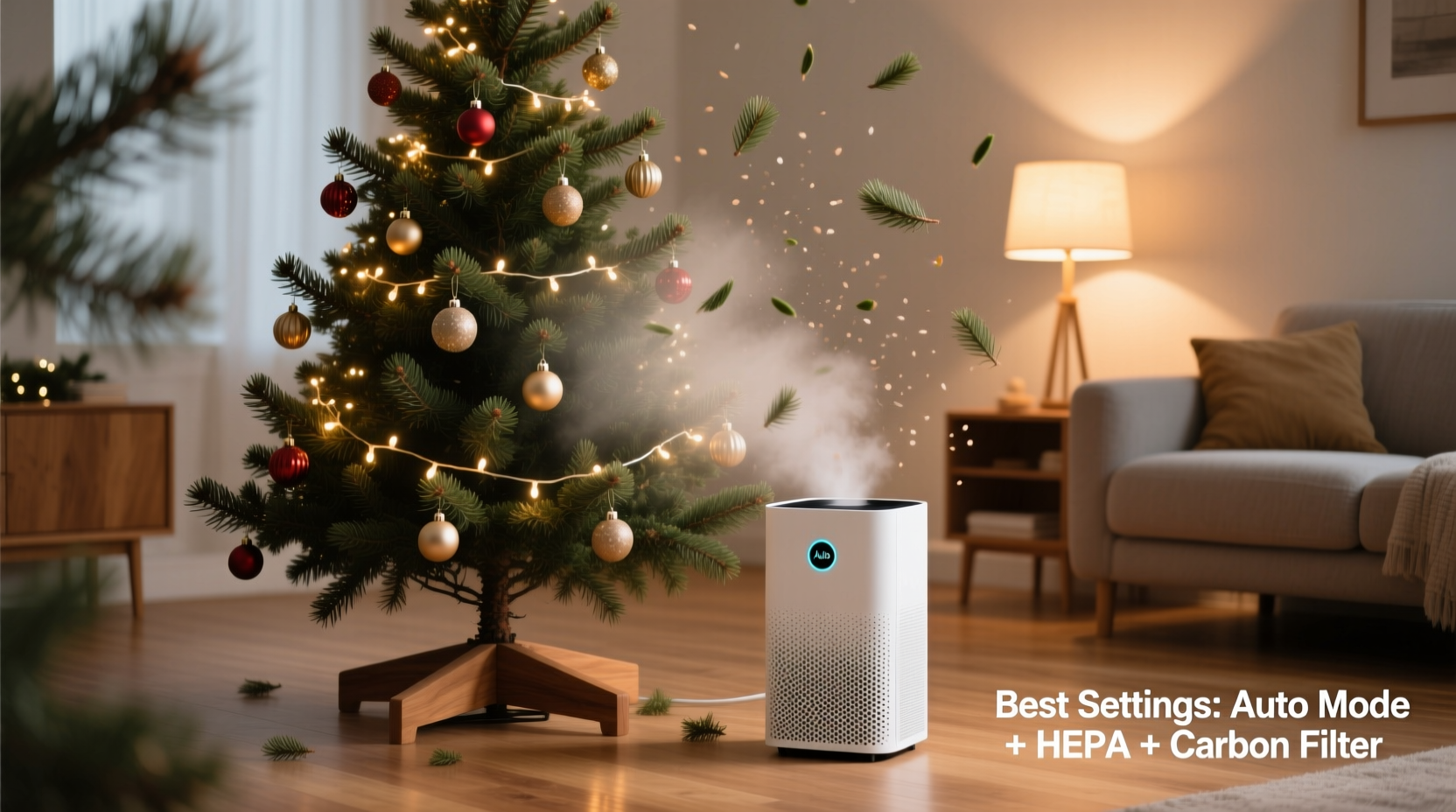
Real trees are natural organisms, and like any organic material, they release compounds and harbor microorganisms. When cut and brought indoors, temperature and humidity changes cause them to emit volatile organic compounds (VOCs), shed pollen, and sometimes release mold spores—particularly from species like fir or spruce that retain moisture in their bark.
A 2022 study published in *Indoor Air* found that homes with real Christmas trees experienced a measurable increase in airborne particulate matter (PM2.5) within 48 hours of setup. The rise was more pronounced in homes with poor ventilation or pre-existing mold conditions. Additionally, individuals with asthma or seasonal allergies reported increased symptoms such as sneezing, congestion, and eye irritation during the first few days after installation.
This doesn’t mean you should avoid real trees—it means you should manage their environmental impact proactively. An air purifier, when properly configured, becomes an essential tool in maintaining healthy indoor air during the holidays.
Tip: Shake your tree vigorously outside before bringing it indoors to dislodge loose dust, pollen, and insects.Choosing the Right Air Purifier for Holiday Use
Not all air purifiers are equally effective against the specific pollutants associated with real Christmas trees. For optimal results, prioritize models with the following features:
- True HEPA filter – Captures at least 99.97% of particles as small as 0.3 microns, including mold spores, pollen, and fine dust.
- Activated carbon layer – Helps absorb VOCs and neutralize the strong pine scent if it becomes overpowering.
- Appropriate CADR (Clean Air Delivery Rate) – Should match or exceed the square footage of the room where the tree is placed.
- Smart sensors – Auto-detect changes in air quality and adjust fan speed accordingly.
For example, a large living room (300–400 sq ft) with a 7-foot tree requires an air purifier with a CADR of at least 240 for smoke, dust, and pollen. Units like the Coway Airmega 400S, Levoit Core 400S, or Blueair Classic 680i meet these criteria and include smart modes ideal for fluctuating conditions.
“During the holiday season, we see a noticeable uptick in patients reporting respiratory irritation linked to indoor allergens from natural decorations. Using a HEPA-based air purifier significantly reduces exposure.” — Dr. Lena Patel, Environmental Health Specialist, Cleveland Clinic
Optimal Settings and Placement Strategies
The effectiveness of an air purifier depends not just on its specs, but on how and where it's used. Follow these guidelines to maximize performance when running a real Christmas tree indoors.
1. Position the Purifier Strategically
Place the unit within 6–10 feet of the tree, ideally at floor level. Since many allergens and heavier particles settle lower in the room, ground-level intake captures more contaminants. Avoid placing furniture or drapes directly in front of the intake or exhaust vents.
2. Use Auto Mode with Particulate Sensors
If your purifier has laser particle sensors, enable Auto mode. These sensors detect spikes in PM2.5 levels—common when the tree first starts shedding or when you vacuum nearby—and automatically ramp up fan speed. This ensures rapid response without constant manual adjustment.
3. Set Fan Speed Based on Time of Day
Adjust manually if Auto mode isn't available:
| Time of Day | Recommended Setting | Rationale |
|---|---|---|
| First 24–72 hours | High or Turbo | Maximum shedding occurs early; continuous high filtration removes initial allergen load. |
| Daytime (occupied) | Medium to High | Balances noise and performance while people are active and breathing in contaminants. |
| Nighttime | Low or Sleep Mode | Reduces noise while maintaining baseline filtration; some models dim lights automatically. |
4. Run Continuously, Not Intermittently
Air purification is cumulative. Turning the unit off for several hours allows particulates to re-circulate. Keep it running 24/7 during the tree’s lifespan (typically 3–4 weeks). Energy use remains low—most modern units consume less than 50 watts on medium settings.
Tip: Plug your air purifier into a smart outlet to monitor runtime and energy usage via smartphone app.Step-by-Step Guide: Optimizing Your Air Purifier Over Time
Follow this timeline to ensure peak performance throughout the holiday season:
- Day 1 – Tree Setup: Before placing the tree in its stand, shake it hard outside. Then, wipe down the trunk and lower branches with a damp cloth to remove surface dust and mold.
- Day 1 – Initial Placement: Position the air purifier near the tree, plug it in, and set to Turbo or High for 4–6 hours to capture initial emissions.
- Day 2–3: Switch to Auto mode or Medium setting. Monitor for any musty odors or allergy symptoms. If present, run High for another 2–3 hours.
- Weekly Maintenance: Vacuum around the tree base to pick up fallen needles and dust. Wipe the purifier’s pre-filter with a dry cloth to maintain airflow efficiency.
- Last Week of Display: As the tree dries out, needle shedding increases. Return to higher fan speeds if air quality deteriorates.
- After Removal: Leave the purifier running on Medium for 24–48 hours post-tree removal to clear residual particles.
Maintaining Filter Efficiency During Holiday Use
Extended high-speed operation can shorten filter lifespan. Most manufacturers recommend replacing HEPA filters every 6–12 months under normal use—but heavy holiday duty may accelerate this.
Check your filter monthly using the device’s indicator light or app notification. If your model has a washable pre-filter (common in Levoit and Honeywell units), clean it every 7–10 days to prevent clogging. A blocked pre-filter forces the motor to work harder, reducing overall efficiency and increasing noise.
Consider purchasing a spare HEPA-carbon combo filter before the season begins, especially if you plan to use the purifier year-round. Some brands offer holiday bundles that include replacement filters at a discount.
Mini Case Study: Managing Allergies in a Family Home
The Thompson family in Portland, Oregon, has displayed a real Douglas fir every Christmas for over a decade. Two years ago, their youngest daughter, age 6, began experiencing nighttime coughing and itchy eyes shortly after the tree went up. After consulting their pediatrician, they learned she had developed a mild sensitivity to mold spores commonly found on outdoor-stored trees.
They invested in a Levoit Core 400S with True HEPA and activated carbon. Following the protocol above—shaking the tree outdoors, placing the purifier 5 feet away on hardwood flooring, and running it on Auto mode—they monitored indoor air quality using the companion app.
Within 48 hours, PM2.5 levels dropped from 68 µg/m³ (unhealthy for sensitive groups) to 12 µg/m³ (good). The child’s symptoms disappeared, and the family continued the tradition without compromise. “It’s reassuring to know we can enjoy a real tree without sacrificing air quality,” said Sarah Thompson, mother of three.
Do’s and Don’ts: Quick Reference Table
| Action | Recommendation |
|---|---|
| Do place the purifier near the tree | Yes – within 10 feet for maximum particle capture |
| Do run the purifier 24/7 | Yes – intermittent use reduces effectiveness |
| Do clean the pre-filter weekly | Yes – maintains airflow and efficiency |
| Don’t block air intakes | No – keep at least 12 inches of clearance |
| Don’t use ozone-generating purifiers | No – ozone irritates lungs and reacts with terpenes in pine |
| Don’t ignore filter replacement alerts | No – degraded filters can release trapped particles |
Frequently Asked Questions
Can a real Christmas tree make me sick?
While a real tree won’t make most healthy people “sick” in the infectious sense, it can trigger allergic reactions or worsen asthma due to mold spores, pollen, and dust. Symptoms like sneezing, congestion, or headaches are common in sensitive individuals. Using a HEPA air purifier significantly reduces these risks.
Should I turn off my air purifier at night?
No. Airborne particles don’t disappear when you sleep. Running the purifier overnight—ideally in Sleep or Low mode—maintains clean air while minimizing noise. Some models automatically dim lights and reduce fan speed during nighttime hours.
How long should I run the air purifier after removing the tree?
Continue operation for at least 24–48 hours after taking the tree down. Residual particles remain suspended in the air and can settle into carpets or upholstery. Extended filtration ensures a thorough cleanup before returning to normal settings.
Final Checklist: Prepare Your Air Purifier for Christmas Tree Season
- ✅ Inspect and reset or replace filters before setup day
- ✅ Choose a location within 6–10 feet of the planned tree spot
- ✅ Confirm power access and Wi-Fi connectivity (for smart models)
- ✅ Test sensor functionality and app integration
- ✅ Shake and wipe down the tree before bringing it inside
- ✅ Run on High for the first 4–6 hours after placement
- ✅ Schedule weekly maintenance (vacuuming, pre-filter cleaning)
- ✅ Monitor air quality readings daily during the first week
Conclusion: Breathe Easy This Holiday Season
A real Christmas tree brings joy, nostalgia, and natural beauty to your home—but it also introduces invisible challenges to your indoor air. With the right air purifier and optimized settings, you can enjoy all the charm without compromising health or comfort. From strategic placement to intelligent fan control and consistent maintenance, small actions make a big difference in air quality.
This holiday season, treat your air purifier not just as an appliance, but as a guardian of wellness. By following the practices outlined here, you protect vulnerable family members, reduce allergens, and create a cleaner, fresher environment for making memories. The perfect Christmas atmosphere isn’t just about lights and carols—it’s about breathing easy, too.
💬 Have questions about your air purifier setup? Share your experience or ask for advice in the comments—let’s help each other enjoy healthier, happier holidays!








