In recent years, there's been a resurgence of interest in ancestral and whole-food-based skincare ingredients—and beef tallow is at the forefront of this movement. Once a staple in traditional medicine and homemade salves, this rendered form of beef fat is now being re-evaluated for its compatibility with human skin. Rich in fatty acids and fat-soluble vitamins, tallow offers a natural alternative to synthetic moisturizers. But like any skincare ingredient, it comes with both advantages and considerations. This article explores the science-backed benefits, practical applications, and potential drawbacks of using beef tallow on your skin.
Why Beef Tallow Works: The Science Behind Skin Compatibility
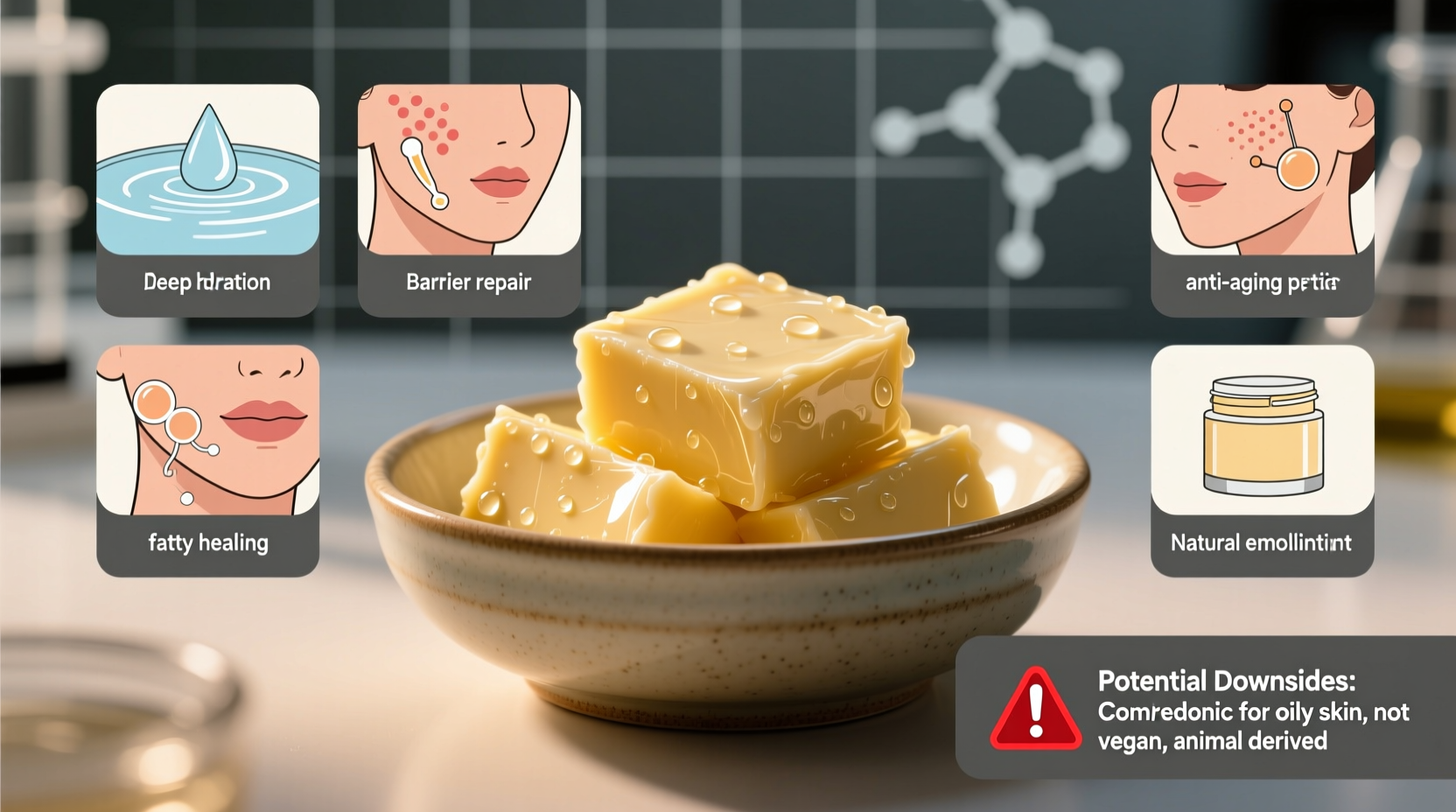
Beef tallow is derived from suet—the hard fat surrounding the kidneys and loins of cattle. When properly rendered, it becomes a stable, shelf-stable fat rich in saturated and monounsaturated fatty acids, including stearic acid, oleic acid, and palmitic acid. These lipids closely resemble the composition of human sebum, the natural oil produced by our skin’s sebaceous glands.
This structural similarity allows tallow to integrate seamlessly into the skin’s lipid barrier, supporting moisture retention and protecting against environmental stressors. Unlike plant oils that may sit on top of the skin or require emulsifiers, tallow is readily absorbed and functions as an occlusive agent without clogging pores—provided it's high quality and properly processed.
“Tallow’s fatty acid profile mirrors that of human skin, making it one of the most biocompatible moisturizers available.” — Dr. Sarah Mitchell, Integrative Dermatologist
Key Benefits of Beef Tallow for Skin Health
- Deep hydration: Acts as a natural occlusive, reducing transepidermal water loss (TEWL) and locking in moisture.
- Barrier repair: Supports the skin’s natural lipid matrix, especially beneficial for those with dry, sensitive, or compromised skin.
- Rich in nutrients: Contains fat-soluble vitamins A, D, E, and K, which support cell turnover, immune function, and UV protection.
- Anti-inflammatory properties: Conjugated linoleic acid (CLA) found in grass-fed tallow has demonstrated anti-inflammatory effects in studies.
- Non-comedogenic when pure: High-quality, filtered tallow is unlikely to clog pores due to its molecular similarity to sebum.
Practical Uses of Beef Tallow in Skincare
Beef tallow can be incorporated into daily routines in several ways, from DIY preparations to commercial products. Here are common applications:
Facial Moisturizer
A small amount of rendered tallow can serve as a nourishing night cream. Its richness makes it ideal for dry or mature skin types. Apply a pea-sized amount after cleansing and toning, massaging gently into damp skin for better absorption.
Body Butter Substitute
Tallow-based balms are excellent for elbows, knees, heels, and other rough areas. Many users report improved texture and reduced flakiness within days of consistent use.
Baby Care
Due to its purity and lack of synthetic additives, tallow balm is increasingly used for diaper rash prevention and cradle cap treatment. Its antimicrobial properties help maintain a healthy skin microbiome.
After-Sun or Post-Procedure Soothing
After sun exposure or minor cosmetic procedures (like microdermabrasion), tallow can help calm irritation and accelerate healing thanks to its regenerative fatty acids and vitamin content.
Lip Balm and Cuticle Care
A dab of tallow provides long-lasting protection for chapped lips and dry cuticles, especially in cold or windy climates.
Step-by-Step Guide: How to Use Beef Tallow Safely on Skin
- Start with a patch test: Apply a small amount behind the ear or on the inner forearm. Wait 24 hours to check for redness or irritation.
- Cleanse skin first: Use a gentle cleanser to remove dirt and excess oil so tallow can absorb effectively.
- Use sparingly: A little goes a long way. Warm a pea-sized amount between fingers before applying.
- Layer correctly: Apply to slightly damp skin to enhance penetration. Follow with a lighter serum if needed, but apply tallow last if using multiple products.
- Store properly: Keep in a cool, dark place. Tallow lasts up to a year when stored correctly.
Potential Downsides and Considerations
Despite its many benefits, beef tallow isn’t suitable for everyone. Understanding the limitations helps prevent adverse reactions.
| Concern | Description | How to Mitigate |
|---|---|---|
| Odor sensitivity | Some tallow has a faint meaty or tallow-like smell, especially if not fully deodorized. | Choose brands that cold-process or deodorize; store in airtight containers. |
| Greasy feel | Can feel heavy on oily or acne-prone skin, particularly in warm climates. | Use only at night or on dry areas; avoid application on acne-prone zones. |
| Sourcing concerns | Low-quality tallow from grain-fed, antibiotic-exposed cattle may lack nutritional value. | Opt for certified grass-fed, organic, and transparently sourced products. |
| Allergic reactions | Rare, but possible in individuals sensitive to animal proteins or contaminants. | Always perform a patch test; discontinue if irritation occurs. |
| Dietary restrictions | Not suitable for vegans or those avoiding animal products for ethical or religious reasons. | Consider plant-based alternatives like shea butter or cocoa butter. |
Real-World Example: A Case Study in Tallow Skincare
Lena, a 34-year-old nurse from Colorado, struggled with chronically dry, cracked hands due to frequent handwashing and sanitizer use. Over-the-counter lotions provided temporary relief but failed to heal deep fissures. After researching natural alternatives, she began using a grass-fed beef tallow balm nightly under cotton gloves. Within two weeks, her skin showed noticeable improvement—reduced cracking, less itching, and restored softness. After six weeks, her dermatologist noted significant improvement in epidermal integrity. Lena continues to use tallow as part of her routine, especially during winter months.
Frequently Asked Questions
Is beef tallow comedogenic?
Pure, properly rendered beef tallow has a low comedogenic rating (around 1–2 on a scale of 0–5). Because its fatty acid profile closely matches human sebum, it’s generally well-tolerated, even by combination skin types. However, individual reactions vary—start slowly and monitor your skin’s response.
Can I make my own tallow balm at home?
Yes. Render clean beef suet over low heat until liquid, strain through cheesecloth, then pour into sterilized jars. For added benefits, infuse with herbs like calendula or chamomile before straining. Add a few drops of vitamin E oil as a natural preservative. Store in a cool, dark place.
Does beef tallow expire?
Yes, though it has a long shelf life. Properly rendered and stored tallow can last 6–12 months at room temperature, longer if refrigerated. Signs of rancidity include a sour or metallic smell, discoloration, or mold. Always discard if in doubt.
Checklist: Choosing and Using Beef Tallow Safely
- ☐ Source tallow from grass-fed, pasture-raised cattle
- ☐ Verify processing method—look for slow-rendered, unrefined options
- ☐ Perform a patch test before full facial or body use
- ☐ Start with small amounts to assess tolerance
- ☐ Store in airtight container away from light and heat
- ☐ Avoid if you have known allergies to animal fats
- ☐ Discontinue use if irritation, breakouts, or odor sensitivity occur
Conclusion: Is Beef Tallow Right for You?
Beef tallow represents a return to minimalist, nutrient-dense skincare rooted in tradition and supported by emerging science. Its ability to nourish, protect, and repair the skin makes it a compelling option for those seeking clean, effective alternatives to conventional moisturizers. While not universally suitable—especially for vegan lifestyles or very oily skin types—it offers unique advantages for dry, sensitive, or aging skin.
The key lies in quality sourcing and mindful application. When chosen wisely and used appropriately, beef tallow can become a powerful ally in maintaining resilient, healthy skin. Whether you're exploring natural skincare for the first time or refining an existing regimen, consider giving this ancient ingredient a thoughtful trial.
💬 Have you tried beef tallow on your skin? Share your experience or questions in the comments—your insights could help others make informed choices!