Bean Point Beach, located on the northern tip of Siesta Key in Sarasota, Florida, has long been a cherished destination for locals and visitors seeking natural beauty and tranquility. Nestled within the exclusive community of Crescent Beach, this secluded stretch of shoreline offers powdery white sand and panoramic views of the Gulf of Mexico. However, despite its pristine appearance, swimming at Bean Point has been permanently banned for decades. The reasons behind this restriction are rooted in environmental protection, public safety concerns, and historical decisions made by local authorities. Understanding the full context reveals why this ban remains in place—and why it’s unlikely to change.
History of Bean Point Beach Access
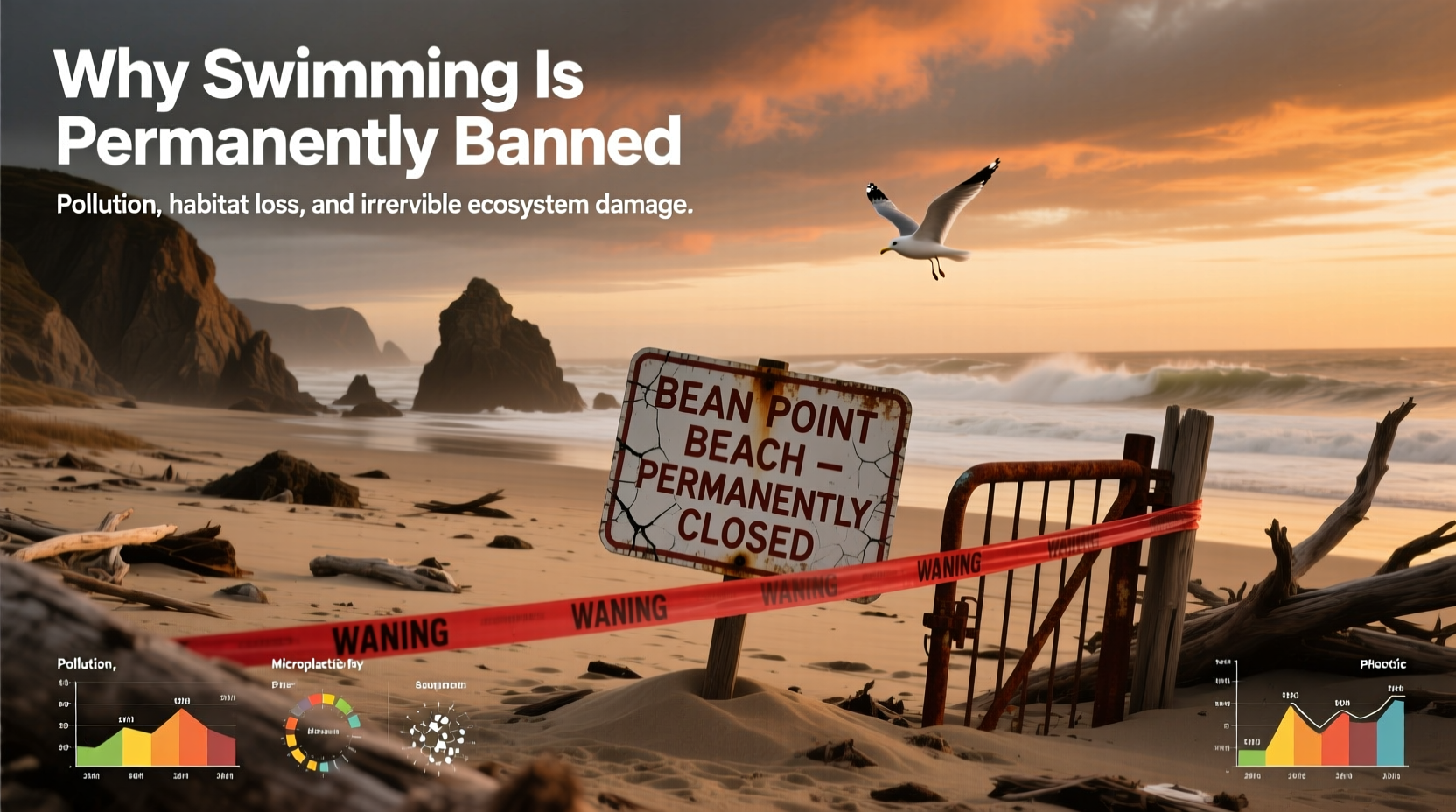
Bean Point has always occupied a unique position in Sarasota County’s coastal landscape. Originally developed in the early 20th century as part of a private residential enclave, access to the beach was limited from the outset. Unlike public beaches such as Siesta Beach or Lido Beach, Bean Point was designed as a quiet retreat for homeowners along Crescent Drive. Over time, informal foot traffic from non-residents increased, prompting discussions about usage rights and safety regulations.
In the 1970s, Sarasota County conducted an assessment of coastal zones, focusing on erosion patterns, marine hazards, and ecological sensitivity. Bean Point emerged as a high-risk area due to its exposure to strong tidal currents and its role as a nesting ground for threatened species like loggerhead and green sea turtles. While the beach remained open for walking and sightseeing, county officials began discouraging water entry. By the late 1980s, formal signage was posted declaring swimming prohibited—a policy that evolved into today’s permanent ban.
Tip: Even if no lifeguard is present and the water looks calm, obey all posted signs at Bean Point—swimming is not only dangerous but also illegal.Environmental Protection: A Primary Concern
One of the most compelling reasons for the swimming ban lies in the fragile ecosystem surrounding Bean Point. The shallow waters adjacent to the beach serve as a critical nursery habitat for juvenile fish, stingrays, and crustaceans. Seagrass beds, which are easily damaged by human activity, thrive just offshore. These underwater meadows stabilize sediment, filter pollutants, and support biodiversity essential to the health of the entire Sarasota Bay estuary system.
Moreover, the beach itself is a designated sea turtle nesting site during the annual season (May–October). Female turtles return to land under cover of darkness to lay eggs, and hatchlings emerging weeks later rely on unobstructed paths to the ocean. Human presence in the water increases light pollution, noise disturbance, and physical interference—all of which can disorient both adults and newborns.
“Bean Point represents one of the last undisturbed coastal habitats in the region. Preserving its integrity means limiting activities that could disrupt marine life.” — Dr. Lena Torres, Marine Biologist, Mote Marine Laboratory
Safety Hazards That Make Swimming Dangerous
Beyond environmental considerations, public safety plays a decisive role in the swimming prohibition. Unlike sheltered beaches protected by barrier islands or jetties, Bean Point extends into the Gulf with minimal natural buffering. This geographical exposure results in several persistent dangers:
- Rip currents: Strong, fast-moving channels of water frequently form near the point, capable of pulling even experienced swimmers far offshore.
- Shifting sandbars: Underwater topography changes rapidly due to wave action, creating sudden drop-offs and unstable footing.
- Limited visibility: Turbidity from stirred-up sediment reduces underwater clarity, increasing the risk of collisions or entanglement.
- No lifeguard supervision: As a semi-private beach without dedicated rescue services, emergency response times would be dangerously slow.
A documented incident in 1993 underscores these risks: two visitors attempted to swim across the cove and were caught in a rip current. One required hospitalization after being rescued by a passing boater. Following this event, the county reinforced warnings and initiated regular patrols during peak seasons.
Current Regulations and Enforcement
Today, the swimming ban at Bean Point Beach is enforced through a combination of signage, community oversight, and occasional sheriff patrols. The property falls under the jurisdiction of Sarasota County Parks and Recreation, in coordination with the Florida Department of Environmental Protection. Violators may face fines up to $500 under local ordinance 42-18, which prohibits unauthorized water entry in environmentally sensitive zones.
Access to the beach is permitted for walking, birdwatching, photography, and fishing—with certain restrictions. Dogs must be leashed, and fishing is allowed only from the shoreline using catch-and-release practices. Drones, fires, and alcohol are strictly prohibited.
| Activity | Allowed? | Conditions |
|---|---|---|
| Walking | Yes | Open sunrise to sunset |
| Swimming | No | Permanently banned |
| Fishing | Yes | Catch-and-release only; no nets |
| Dogs | Yes | Must be leashed at all times |
| Alcohol | No | Prohibited on premises |
Alternatives for Safe Swimming Nearby
While Bean Point prohibits swimming, numerous nearby beaches offer safe, monitored environments for water recreation. Visitors seeking similar scenic beauty with greater accessibility should consider the following options:
- Siesta Beach (1.5 miles south): Lifeguard-patrolled, ADA-accessible, and renowned for its soft quartz sand.
- North Beach Public Park (on Longboat Key): Calmer waters, shaded picnic areas, and kayak rentals available.
- Crescent Beach Public Access (adjacent to Bean Point): Permits swimming and features gentle surf suitable for families.
Real Example: A Tourist’s Close Call
In 2018, a family from Ohio visited Siesta Key and mistakenly believed Bean Point was a public swimming beach. After parking near the end of Crescent Drive, they waded into the water. Within minutes, their teenage son was pulled away by a sudden current. Fortunately, a local resident witnessed the incident, alerted authorities via radio, and threw a flotation device until deputies arrived. The youth was recovered safely but shaken. “We didn’t see any signs until afterward,” the father later told a local news outlet. “We just assumed it was another Gulf beach.” This case highlights how misleading appearances can be—and why adherence to rules matters.
FAQ: Common Questions About Bean Point Beach
Can residents of Siesta Key swim at Bean Point?
No. The swimming ban applies to everyone—residents, guests, and visitors alike—regardless of where they live or who owns property nearby.
Why doesn’t the county install lifeguards to allow supervised swimming?
Due to the high cost of staffing, environmental impact assessments, and ongoing maintenance, establishing a lifeguard program is not feasible. Additionally, the ecological risks outweigh potential recreational benefits.
Is kayaking or paddleboarding allowed off Bean Point?
Paddle sports are permitted but strongly discouraged during peak tide changes and windy conditions. Users must avoid seagrass beds and maintain distance from nesting zones.
Conclusion: Respecting Nature and Staying Safe
The permanent ban on swimming at Bean Point Beach reflects a careful balance between preserving a rare coastal habitat and protecting human lives. While the temptation to enter the water may be strong—especially on hot summer days—the risks are real and the consequences potentially severe. By respecting the rules, visitors contribute to the long-term sustainability of one of Florida’s most ecologically significant shorelines.
There are plenty of safer, equally beautiful alternatives nearby where swimming is encouraged and protected. Choosing those instead ensures both enjoyment and responsibility. Whether you come to watch the sunset, stroll along the shore, or observe wildlife in its natural setting, Bean Point remains a treasure worth protecting—for generations to come.
💬 Have you visited Bean Point? Share your experience or tips for responsible beachgoing in the comments below.








