
Team spirit isn’t just about cheering from the stands or wearing a jersey—it’s embedded in the small choices fans make every day. One such choice is the humble keychain. Whether it bears a basketball or a football emblem, a team logo, or player initials, this tiny accessory speaks volumes. But when comparing a basketball keychain to a football keychain, which genuinely reflects deeper loyalty and passion? The answer isn't as simple as sport preference; it lies in cultural context, emotional connection, and how fans express identity.
The Symbolism Behind Fan Accessories
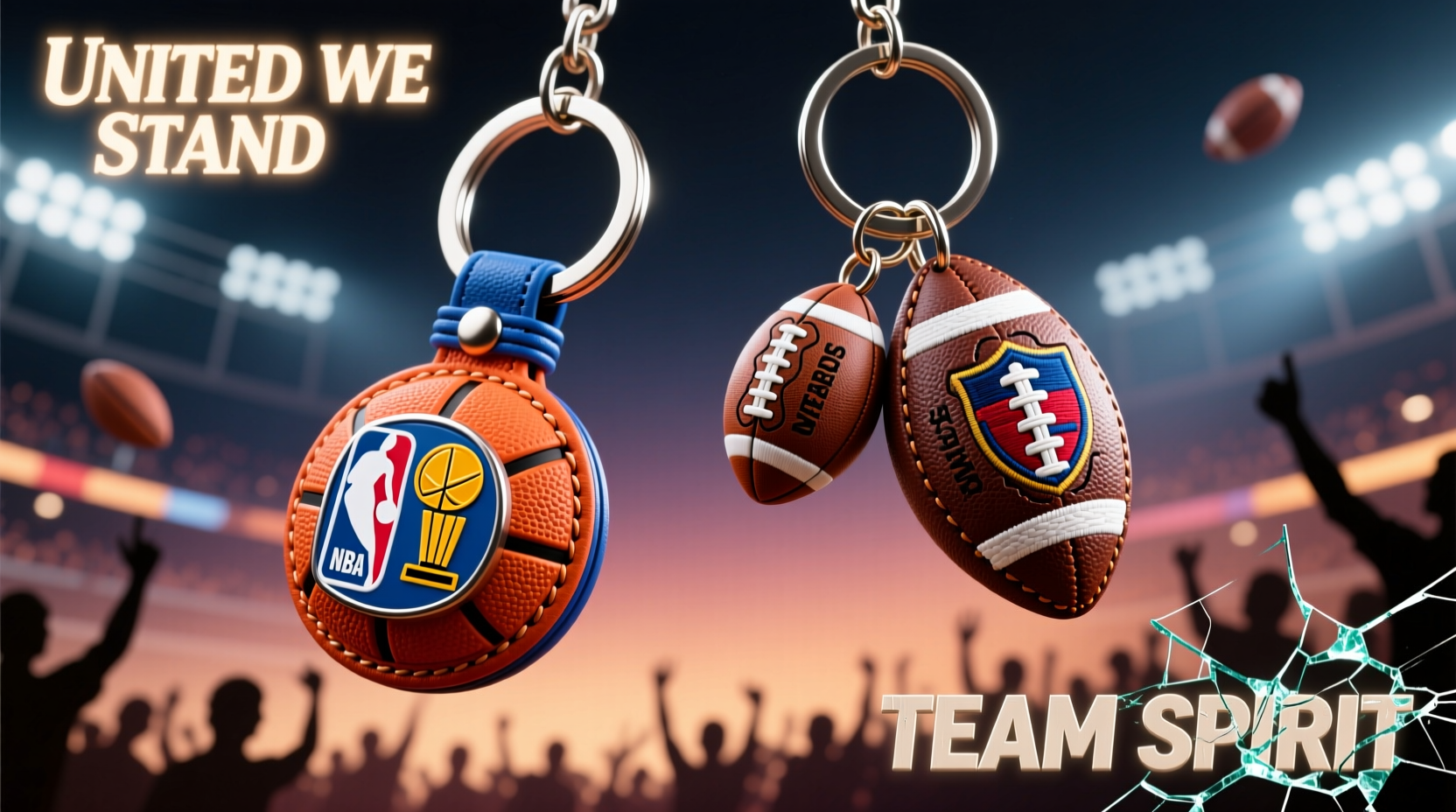
Fan merchandise operates on two levels: visibility and intimacy. Jerseys, hats, and flags are outward displays of allegiance. Keychains, however, occupy a different space—they’re personal, carried daily, often unseen by others. Their value comes not from public spectacle but from consistent, private commitment. Choosing between a basketball or football keychain becomes less about the sport and more about what the object represents to the individual.
In regions where college football dominates—like Texas, Alabama, or Ohio—the football keychain might be a non-negotiable symbol of local pride. Conversely, in urban areas with strong NBA ties—New York, Chicago, Los Angeles—a basketball keychain may carry equal or greater emotional weight. The material, design, and origin of the keychain also influence its significance. A vintage Lakers charm passed down from a parent carries more sentiment than a mass-produced novelty item.
Tip: Authenticity matters—handmade, officially licensed, or personalized keychains often reflect stronger emotional investment than generic ones.Cultural Weight: Football vs Basketball Fandom
American football holds a unique place in U.S. culture, especially at the collegiate level. Game days transform entire towns into sea of team colors. Tailgating, marching bands, and multi-generational alumni networks create deep-rooted traditions. In these environments, a football keychain isn’t just an accessory—it’s a lineage marker.
Basketball fandom, particularly around the NBA, tends to emphasize individual star power and global reach. Fans connect with players like LeBron James, Stephen Curry, or Giannis Antetokounmpo not just as athletes but as cultural icons. A basketball keychain featuring a player’s number or team logo often signifies admiration for excellence, hustle, and personal inspiration beyond the court.
“Fan identity today is less about geography and more about narrative alignment. A keychain can represent values—resilience, teamwork, ambition—that transcend the sport itself.” — Dr. Lena Peterson, Sports Sociologist, University of Michigan
Comparative Analysis: Keychain Impact and Expression
To understand which keychain demonstrates greater team spirit, consider several factors: frequency of use, customization level, emotional attachment, and social signaling. Below is a comparison table outlining key distinctions.
| Factor | Basketball Keychain | Football Keychain |
|---|---|---|
| Symbol Type | Ball shape, netting detail, player numbers | Oval ball, helmet designs, stadium silhouettes |
| Emotional Depth | Often tied to individual player journeys | Frequently linked to family tradition |
| Customization | High (player names, slogans, LED lights) | Moderate (team logos, school mascots) |
| Daily Visibility | Medium (often clipped to bags or lanyards) | High (common on car keys, frequently seen) |
| Cultural Reach | Global (NBA fans worldwide) | Primarily U.S.-centric (especially NCAA) |
Real Example: Two Fans, Two Symbols
Consider Marcus, a lifelong resident of Louisville, Kentucky. His father played defensive back for the University of Louisville in the 1980s. Every fall, Marcus attends games with his son, wearing his dad’s old jacket. Attached to his keys is a worn leather football keychain engraved with “UofL 1983.” For him, it’s a tribute, a memory keeper, and a promise to pass down loyalty.
Now meet Amara, a graphic designer in Brooklyn. She grew up watching WNBA games with her mother, who idolized Sheryl Swoopes. Amara owns a sleek silver basketball keychain shaped like a miniature Spalding, customized with “#23” in rose gold—honoring both Michael Jordan and her birthday. She bought it after attending her first Knicks game solo, marking her independence. To her, it’s empowerment disguised as a trinket.
Both show profound team spirit—one through heritage, the other through personal growth. Neither is inherently superior.
How to Choose the Right Keychain for Your Spirit Level
Selecting a keychain that truly reflects your team devotion involves more than picking a favorite sport. It’s about alignment with your values, memories, and how you want to engage with the fan community. Follow this checklist to ensure your choice carries meaning.
Checklist: Choosing a Meaningful Team Keychain- ✓ Does it represent a personal milestone (first game, championship win)?
- ✓ Is it officially licensed or handmade with care?
- ✓ Does it feature a player, coach, or moment you deeply admire?
- ✓ Will you use it daily, reinforcing your connection?
- ✓ Can it be passed down or gifted as a token of shared passion?
Expert Insight: What Small Objects Reveal About Fandom
Dr. Alan Reeves, a cultural anthropologist specializing in sports memorabilia, notes that “the most powerful symbols aren’t always the loudest. A keychain, precisely because it’s private and routine, can signify a more enduring form of loyalty than a jersey worn once a season.”
“The act of selecting, carrying, and preserving a small item like a keychain turns fandom into ritual. Over time, that repetition builds identity.” — Dr. Alan Reeves, Cultural Anthropologist
This insight reframes the debate: instead of asking which sport’s keychain shows more spirit, we should ask how consistently and intentionally the fan engages with their symbol.
FAQ: Common Questions About Team Keychains
Does having multiple team keychains dilute my loyalty?
Not necessarily. Many fans collect keychains from different eras, teams, or leagues. What matters is the story behind each one. Collecting can reflect broad appreciation rather than divided loyalty.
Are basketball keychains more popular among younger fans?
Data from fan merchandise retailers suggests yes. NBA-branded accessories dominate among consumers under 30, likely due to social media presence, player branding, and fashion crossover. However, college football keychains remain dominant in campus communities regardless of age.
Can a keychain be considered a serious collectible?
Absolutely. Limited-edition keychains from championship years, signed variants, or vintage items from defunct teams have resale value and are cataloged by collectors. Some rare NFL or NCAA keychains sell for hundreds of dollars online.
Conclusion: Spirit Isn’t Measured by Sport, But by Significance
The debate between a basketball keychain and a football keychain isn’t about which sport inspires more passion—it’s about how individuals choose to carry their passion. Team spirit isn’t quantified by volume or frequency of display, but by authenticity and consistency. A worn basketball charm jingling on a commuter’s bag tells a story just as powerful as a weathered football keyring dangling from a truck ignition in Tuscaloosa.
Ultimately, the keychain that shows more team spirit is the one worn with purpose. Whether it honors a legacy, marks a personal triumph, or simply reminds its owner of joy experienced in the stands, its true value lies in what it means to the person holding the keys.
💬 What does your keychain say about your team spirit? Share your story in the comments—whether it’s a basketball, football, or something entirely unexpected. Let’s celebrate the small symbols that carry big loyalty.








