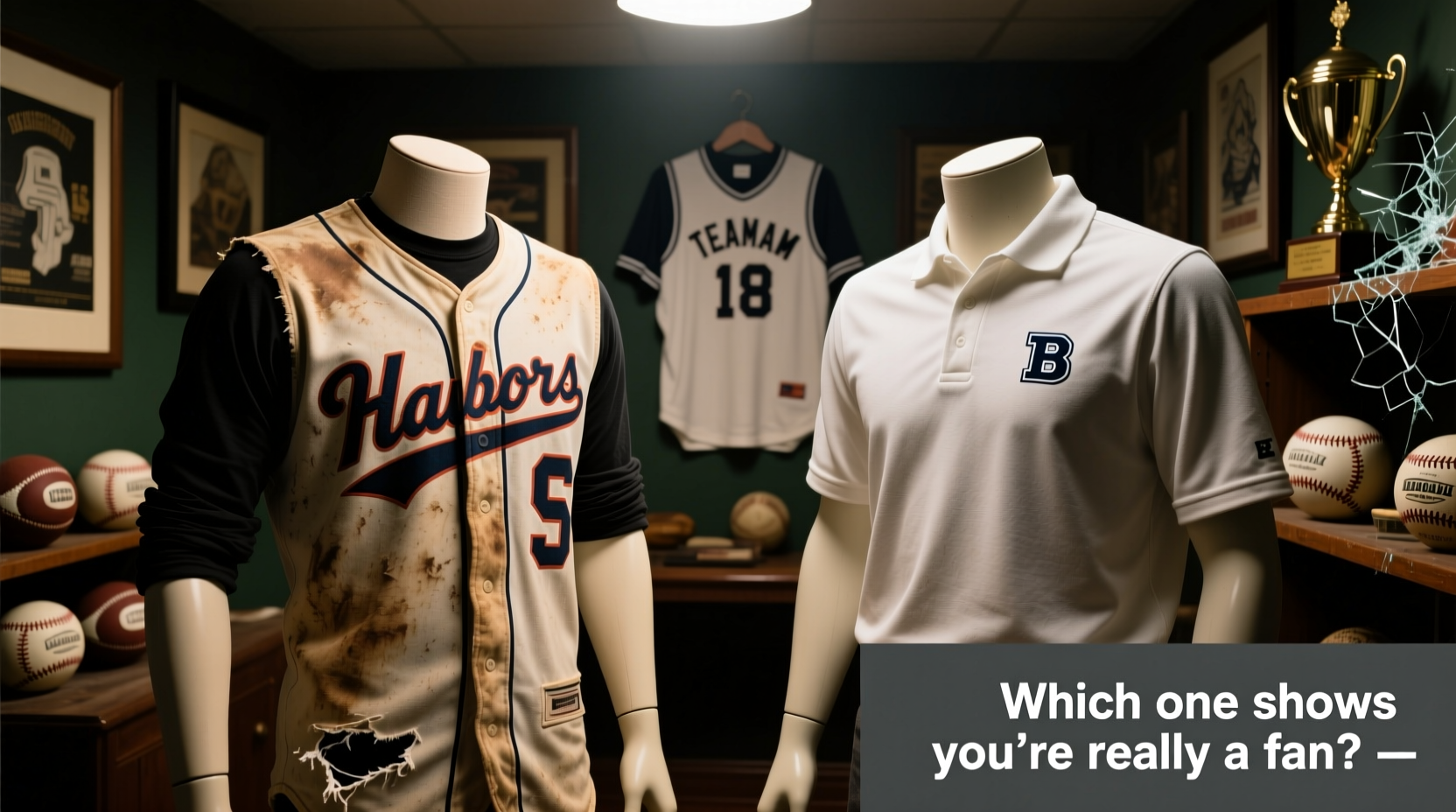
Wearing your team pride isn’t just about showing up—it’s about how you show up. For fans of baseball and other sports, the choice between a classic baseball tee and a sharp team polo speaks volumes about identity, loyalty, and personal style. While both garments display team colors and logos, they carry different connotations, appeal to different audiences, and reflect varying levels of commitment to the fandom culture.
Is the casual, well-worn tee with frayed sleeves the ultimate symbol of devotion? Or does the tailored collar and buttoned placket of a team polo represent a more refined—but still passionate—support? The answer isn’t as simple as fabric or fit. It’s about context, consistency, and what being “really” a fan means to you and those around you.
The Identity of Fan Apparel: More Than Just Clothing
Fan apparel transcends fashion. It's a badge of belonging—a visual language that communicates allegiance without words. Whether worn at a stadium, on a commute, or during game-day gatherings, these clothes create instant camaraderie among supporters. But not all fan gear is viewed equally.
The baseball tee, typically made from soft cotton, features a relaxed fit, short sleeves, and screen-printed team logos. It’s associated with weekend games, ballpark hot dogs, and decades of grassroots support. In contrast, the team polo blends sportswear with semi-formal polish. With its knit fabric, ribbed collar, and embroidered crest, it suggests a balance between professionalism and passion.
Each garment tells a story. The tee says, “I’ve been here since day one.” The polo whispers, “I respect the game—and I look good doing it.” But when it comes to proving genuine fandom, which carries more weight?
Comfort vs. Class: A Breakdown of Key Differences
| Feature | Baseball Tee | Team Polo |
|---|---|---|
| Material | Soft cotton or cotton-blend jersey | Piqué knit (polyester-cotton blend) |
| Fit | Loose, relaxed, often oversized | Tailored, structured, slightly fitted |
| Design Elements | Screen-printed graphics, distressed options | Embroidered logos, clean lines, collared neck |
| Occasions Worn | Casual outings, tailgates, home viewing | Office casual, upscale events, business-casual settings |
| Lifetime Use | High wear, frequent washing, fades over time | Durable, resists wrinkles, maintains shape |
The table highlights functional contrasts, but perception plays an even bigger role. A faded baseball tee with visible bleacher stains might be dismissed by some as “just loungewear,” yet for others, it’s a war medal earned through years of loyal attendance. A crisp team polo may be admired for its neat appearance, but could be seen as performative if rarely worn to actual games.
Tip: True fan status isn’t measured by the garment itself, but by how consistently and authentically you wear it—especially when your team is losing.Authenticity: What Makes a \"Real\" Fan?
Authenticity in fandom isn't dictated by wardrobe choices alone. It’s rooted in emotional investment, knowledge of team history, player stats, and the willingness to stand by the team through wins and losses. However, clothing can amplify or undermine perceived sincerity.
Consider two scenarios:
- Scenario A: Alex wears a vintage baseball tee every game day—even in the rain. They know every reliever’s ERA, argue trades passionately, and have season tickets despite financial strain.
- Scenario B: Jordan owns a pristine team polo worn only once—at a networking event where fellow fans were present. They can name three starters but don’t follow minor league call-ups.
In a fan forum discussion, members would likely regard Alex as more authentic—not because of the tee, but because the tee symbolizes deeper engagement. The clothing becomes a proxy for behavior.
“Fan gear doesn’t make the fan. But consistent presence—rain or shine, win or lose—that’s what turns fabric into legacy.” — Marcus Tran, Sports Culture Analyst, ESPN Features
When the Polo Earns Its Stripes
That said, the team polo isn’t inherently less sincere. Many professionals wear polos precisely because their workplace restricts casual tees. Teachers, corporate employees, and public figures often choose polos to express loyalty within dress code limits.
A sales manager who wears her team’s navy polo every Friday during summer months—and hosts watch parties after work—demonstrates real dedication. Her choice reflects adaptability, not diluted passion.
Building a Fan Wardrobe: A Step-by-Step Guide
Whether you lean toward tees, polos, or both, building a meaningful fan wardrobe requires intention. Follow this timeline to curate a collection that reflects genuine support:
- Month 1: Assess Your Game-Day Habits – Track how often you attend games, watch live, or engage with team content. This determines how much fanwear you realistically need.
- Month 2: Acquire One Signature Piece – Choose either a high-quality baseball tee (with official branding) or a breathable team polo. Prioritize fit and durability.
- Month 3: Wear It Beyond Game Day – Integrate the piece into daily life. Wear it to the grocery store, on walks, or to casual meetups. If you hesitate, ask why.
- Month 4: Add Context-Specific Gear – Expand with a second item: a polo if you started with a tee (for work), or a tee if you began with a polo (for weekends).
- Ongoing: Rotate and Maintain – Wash properly, avoid excessive drying, and retire items respectfully when worn out—don’t let them become ironic thrift-store finds.
Checklist: Signs You’re Wearing More Than Just a Shirt
- You wear your team gear even when they’re on a losing streak
- You can explain the significance of the logo or patch on your chest
- You’ve repaired or preserved a favorite piece instead of discarding it
- Your friends recognize your “game-day shirt” before you say a word
- You feel a sense of pride—not just fashion satisfaction—when putting it on
FAQ: Common Questions About Fan Clothing Authenticity
Does wearing a polo make me seem like a fair-weather fan?
Not inherently. It depends on context and consistency. If you wear the polo regularly and engage deeply with the team, it’s a valid expression of fandom. However, if it’s reserved only for winning seasons or social events, others may perceive it as superficial.
Can a baseball tee be too worn to count as fan pride?
A well-loved, faded tee often signifies greater loyalty than a brand-new one. As long as it’s clean and respectful, wear it proudly. Faded ink or small holes speak to years of use—not neglect.
Should I invest in both a tee and a polo?
Yes, if your lifestyle spans casual and semi-formal environments. Having both allows you to represent your team authentically across different settings without compromising comfort or professionalism.
Final Verdict: It’s Not the Shirt—It’s the Spirit Behind It
The debate between baseball tee and team polo isn’t about which garment is superior. It’s about alignment. The truest fans aren’t defined by cotton versus polyester, print versus embroidery, or collar-up versus collar-down. They’re recognized by their unwavering presence, deep knowledge, and emotional connection to the team.
A baseball tee soaked in stadium rain after a 12-inning loss carries more authenticity than a dozen unworn polos hanging in a closet. Likewise, a polo worn weekly during work hours by someone who analyzes box scores daily deserves equal respect.
In the end, what shows you’re really a fan isn’t the label on your chest—it’s the heartbeat beneath it.
💬 What does being a real fan mean to you? Share your story—whether you bleed team colors in a vintage tee or rep your squad in a crisp polo. Your voice matters in the culture of fandom.








