When stepping onto the field or into the gym, what you wear isn’t just about style—it can influence performance, comfort, and even injury prevention. One common debate among athletes and fitness enthusiasts is whether to choose a baseball tee or a long sleeve athletic shirt. At first glance, the difference might seem minor: one has short sleeves, the other extends to the wrists. But under the stress of movement, sweat, temperature changes, and physical contact, that distinction becomes meaningful.
The answer isn't universal. It depends on your sport, environment, training intensity, and personal preferences. Understanding the functional differences helps you make an informed decision—because yes, it really can matter.
Understanding the Designs: What Sets Them Apart?
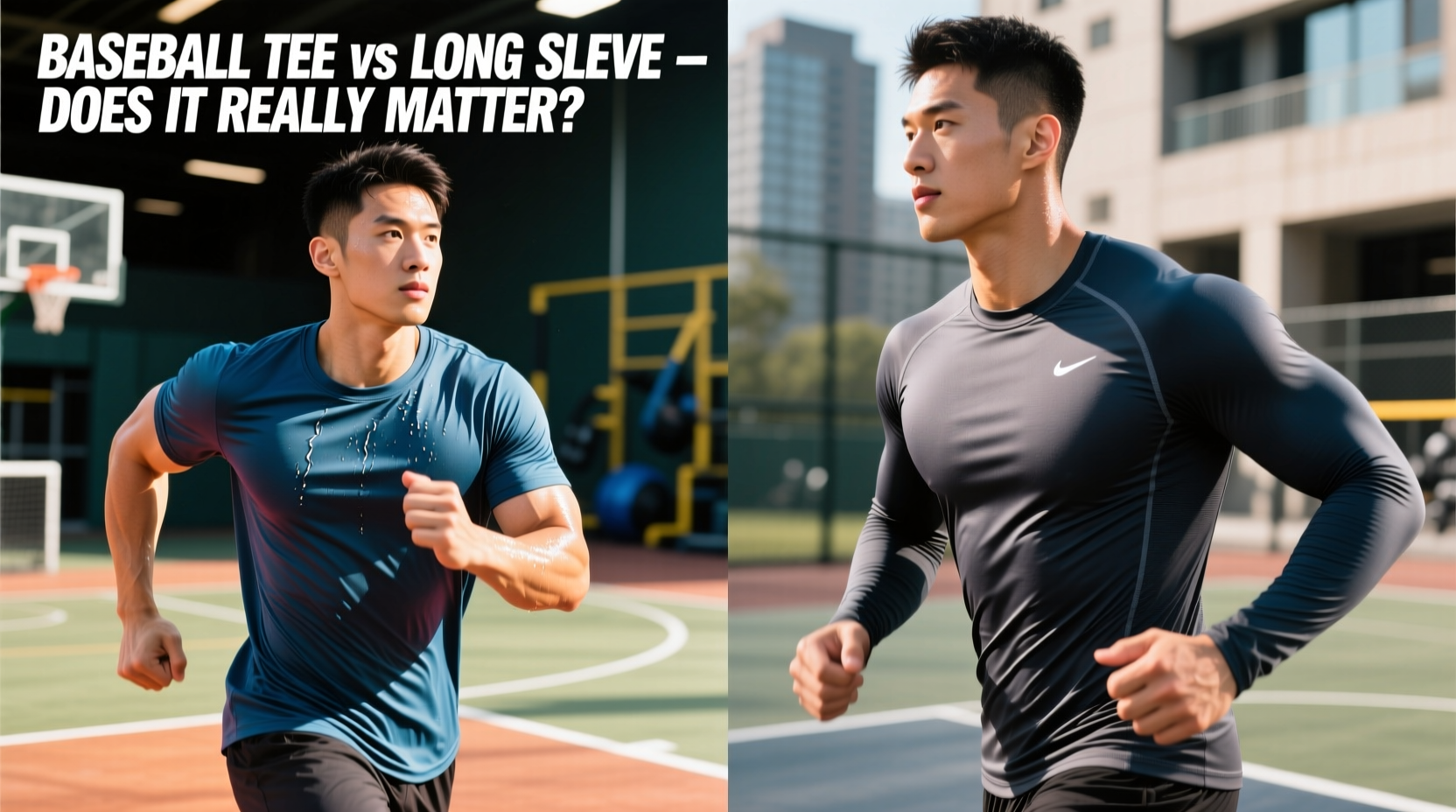
A baseball tee, also known as a raglan tee, typically features contrasting colored sleeves (often gray or black) with a diagonal seam running from the collar to the underarm. Traditionally made from cotton or cotton-polyester blends, modern versions now use performance fabrics. The short sleeves allow maximum shoulder mobility, which is crucial in sports involving throwing, swinging, or lifting.
Long sleeve athletic shirts, on the other hand, are engineered for coverage and protection. Made from moisture-wicking synthetic materials like polyester, nylon, or spandex blends, they’re designed to regulate body temperature, reduce friction, and shield skin from sun exposure or abrasion. Some include UV protection, antimicrobial treatments, or compression elements.
While both garments serve athletic purposes, their design philosophies differ: baseball tees prioritize freedom and breathability; long sleeves emphasize protection and thermal regulation.
Performance Factors: Breathability, Mobility, and Sweat Management
Mobility is critical in dynamic movements. Baseball tees, with their raglan sleeves, eliminate restrictive shoulder seams, allowing a full range of motion. This makes them ideal for overhead motions like pitching, batting, or weightlifting. In contrast, some long sleeve shirts may restrict motion if they’re too tight or lack four-way stretch fabric.
However, breathability isn’t solely determined by sleeve length. Fabric composition plays a bigger role. A 100% cotton baseball tee will trap sweat and cling during intense activity, whereas a performance-driven long sleeve shirt with mesh ventilation zones can outperform it in moisture management.
Tip: Look for athletic shirts labeled “moisture-wicking” regardless of sleeve length—this feature matters more than cut alone.Sweat accumulation leads to chafing, discomfort, and decreased thermoregulation. Long sleeve shirts often incorporate targeted venting along the back or underarms, while traditional baseball tees rely on open armpits and loose fits for cooling. In humid conditions, this can be a disadvantage for cotton-based tees.
Environmental and Seasonal Considerations
Temperature and weather dramatically affect apparel performance. In cooler climates or early morning games, long sleeve shirts provide essential warmth without needing additional layers. They help maintain muscle temperature, reducing the risk of strains during explosive movements.
Conversely, in hot, sunny environments, long sleeves offer UV protection—a benefit increasingly recognized by outdoor athletes. According to the Skin Cancer Foundation, tightly woven performance fabrics with UPF ratings can block over 97% of harmful UV rays, making them smarter than bare arms or cotton tees.
“Sun protection through clothing is more reliable than sunscreen alone, especially during prolonged outdoor activity.” — Dr. Lena Torres, Sports Dermatologist
Meanwhile, baseball tees excel in warm indoor gyms or short-duration outdoor sessions where heat dissipation is key. Their lightweight nature keeps core temperatures lower, but they offer no defense against sunburn or wind chill.
Functional Comparison: When to Choose Which
| Factor | Baseball Tee | Long Sleeve Athletic Shirt |
|---|---|---|
| Mobility | Excellent – ideal for overhead motion | Good to excellent (depends on fit/fabric) |
| Breathability | High (especially cotton-blend in dry air) | Variable – high with mesh panels |
| Sun Protection | Low to none | High (UPF-rated options available) |
| Thermal Regulation | Poor in cold, good in heat | Superior in cold, manageable in heat |
| Durability & Friction Resistance | Moderate – prone to pilling | High – reinforced stitching, abrasion-resistant |
| Style & Versatility | High – casual look, easy layering | Moderate – sport-specific appearance |
Mini Case Study: High School Pitcher’s Game Day Choice
Jamie, a varsity pitcher in central Texas, used to wear cotton baseball tees during weekend games. After two seasons of recurring shoulder fatigue and one case of mild sunburn on her right arm, she switched to a fitted, moisture-wicking long sleeve top with UPF 50+. Her coach initially questioned the added coverage, but within weeks, Jamie reported less post-game soreness and improved focus due to reduced glare and sun discomfort. She kept the same mobility thanks to the shirt’s stretch fabric and articulated seams. Now, she only wears traditional tees during practice in shaded areas.
Actionable Checklist: Choosing the Right Shirt for Your Needs
- ✅ Assess your primary activity: Is it indoor or outdoor?
- ✅ Check the fabric: Prioritize moisture-wicking, breathable materials over 100% cotton for performance.
- ✅ Evaluate climate: Choose long sleeves for cool or sunny conditions, short sleeves for hot, dry environments.
- ✅ Test range of motion: Move dynamically before buying—raise arms, simulate swings or lifts.
- ✅ Look for UV protection if playing outdoors frequently.
- ✅ Consider layering potential: Can you wear it under a jersey or vest if needed?
- ✅ Verify care instructions: Performance fabrics often require specific washing to maintain function.
Frequently Asked Questions
Can I wear a baseball tee for serious training?
Yes, provided it’s made from performance fabric. Traditional cotton baseball tees absorb sweat and lose shape quickly, but modern athletic versions with polyester-spandex blends offer durability and stretch suitable for workouts. Just ensure the fit allows full motion and doesn’t restrict shoulders.
Do long sleeve shirts make you overheat during summer games?
Not necessarily. Many are designed with lightweight, ventilated fabrics that reflect sunlight and promote airflow. In fact, evaporative cooling from wicking fabric can keep you cooler than exposed skin in direct sun. Choose shirts with mesh inserts and a loose-enough fit to avoid trapping heat.
Are baseball tees outdated for competitive sports?
No, but their role has evolved. While once standard in baseball dugouts, today’s players often opt for technical long sleeves beneath jerseys. However, baseball tees remain popular for casual training, cross-training, and off-field wear due to comfort and nostalgic appeal.
Step-by-Step Guide: How to Decide Between the Two
- Evaluate your sport and movement demands. If you perform frequent overhead actions, prioritize unrestricted shoulder design.
- Review typical playing conditions. Track average temperature, humidity, and sun exposure for your games or workouts.
- Check current wardrobe performance. Note any issues: overheating, chafing, restricted motion, sun sensitivity.
- Research fabric technologies. Look for terms like “moisture-wicking,” “four-way stretch,” “UPF protection,” and “antimicrobial finish.”
- Try both styles in practice. Wear each during similar-intensity sessions and compare comfort, sweat levels, and recovery.
- Make a context-based choice. You don’t need to pick one forever—rotate based on season, venue, and purpose.
Final Thoughts: It Does Matter—But Context Is King
The choice between a baseball tee and a long sleeve athletic shirt isn’t trivial. Each serves distinct functional roles. Ignoring these differences means missing opportunities to enhance comfort, protect your body, and optimize performance. There’s no single “best” option—only what’s best for your specific situation.
Elite athletes don’t choose gear based on looks alone. They consider microclimates, biomechanics, and long-term health. You don’t need to be a pro to benefit from that mindset. Whether you're swinging a bat, lifting weights, or coaching youth players, selecting the right top is part of smart preparation.
🚀 Ready to upgrade your athletic wear strategy? Audit your current tops, test one new performance shirt this week, and notice the difference. Share your experience or ask questions in the comments—let’s build smarter wardrobes together.








