In recent years, the humble keychain has evolved from a simple tool for organization to a personal statement. Among the most popular options today are baseball keychains—small, often leather-wrapped replicas of actual baseballs—and traditional metal keychains. While metal versions have long dominated with their sleek, industrial appeal, baseball keychains are gaining traction among collectors, sports fans, and everyday users alike. But is this rise in popularity just a fleeting trend, or do baseball keychains offer tangible benefits over their metallic counterparts?
This article examines both types across multiple dimensions: durability, aesthetics, functionality, cost, and emotional value. By the end, you’ll understand not only which one suits your lifestyle better but also whether the baseball keychain’s charm runs deeper than nostalgia.
Durability: How Long Do They Really Last?
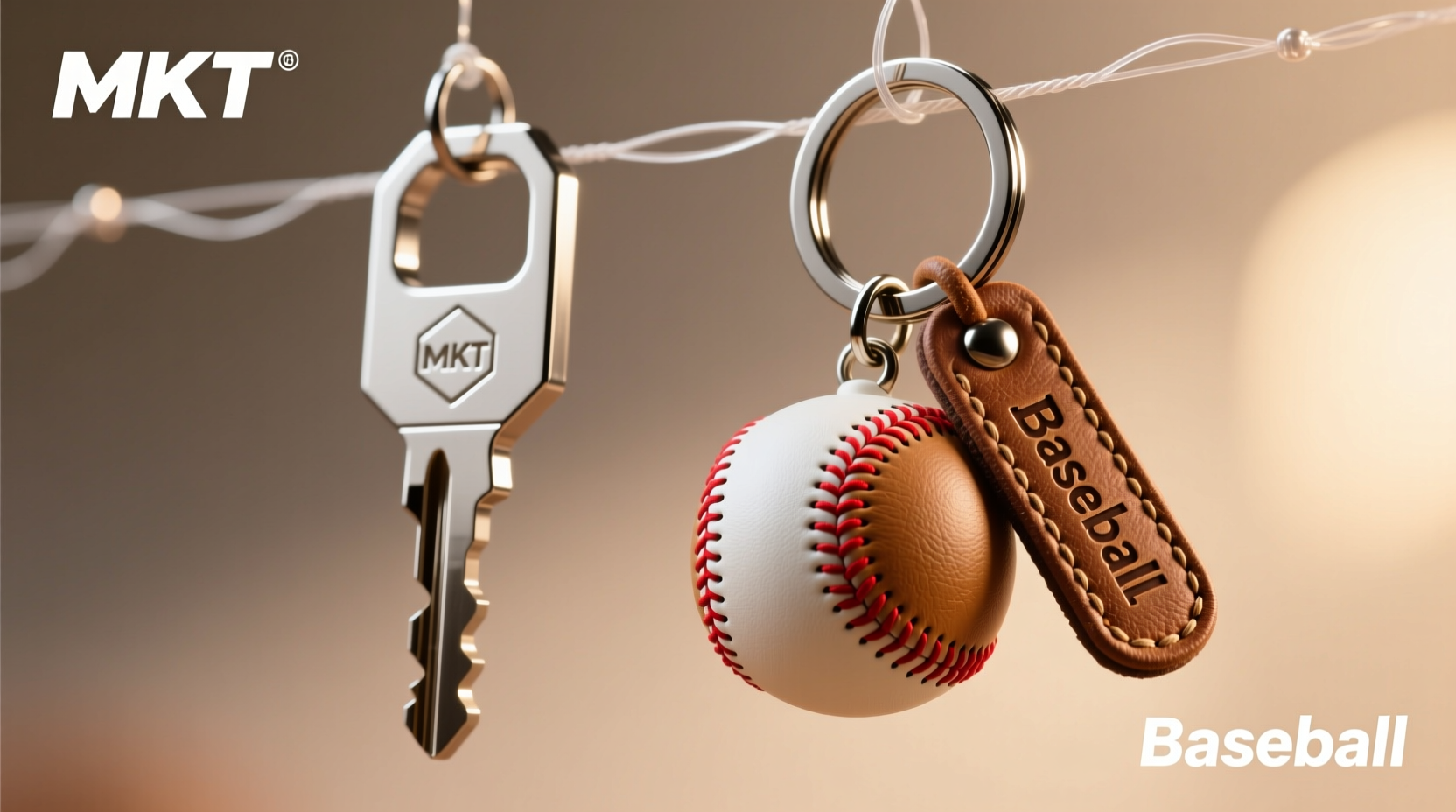
When evaluating keychains, longevity matters. After all, these items endure daily wear, pocket friction, drops, and exposure to moisture. Metal keychains—typically made from stainless steel, aluminum, or brass—are naturally resistant to corrosion and physical deformation. A well-crafted metal keychain can last decades without significant wear.
Baseball keychains, on the other hand, are usually constructed with a solid core (often zinc alloy or resin) wrapped in stitched leather or synthetic hide. The stitching and material quality vary widely between manufacturers. High-end versions use genuine leather and reinforced seams, while budget models may feature glued-on fabric that frays over time.
Tip: Look for baseball keychains with double-stitched seams and UV-resistant thread if you plan to carry them outdoors frequently.In humid or wet environments, leather-wrapped keychains require occasional conditioning to prevent cracking. Metal, by contrast, needs virtually no maintenance beyond wiping off fingerprints or grime.
Real-World Example: A Commuter’s Experience
Consider Mark, a software engineer in Seattle who commutes via bike year-round. He initially chose a baseball keychain because it reminded him of Little League games with his dad. After six months of rain-soaked rides, he noticed the leather began to fade and the stitching loosened. Switching to a brushed titanium keychain eliminated the issue entirely. For weather-exposed use, metal clearly holds an edge.
Aesthetic Appeal and Personal Expression
Functionality aside, many people choose keychains based on how they reflect identity. Here, baseball keychains shine. Their textured surface, iconic red stitching, and nostalgic design evoke Americana, tradition, and sport. They’re especially popular among fans of Major League Baseball, coaches, and alumni of college teams.
Metal keychains tend to lean toward minimalism—clean lines, geometric shapes, engraved initials, or laser-cut logos. These suit professional settings or those who prefer understated elegance. However, they rarely carry the same emotional resonance as a miniature baseball that might commemorate a World Series win or a father-son bonding ritual.
“Objects tied to memory often outlast trends. A baseball keychain isn’t just a gadget—it’s a tactile keepsake.” — Dr. Laura Simmons, Cultural Anthropologist specializing in everyday artifacts
Do’s and Don’ts: Choosing Based on Style
| Action | Baseball Keychain | Metal Keychain |
|---|---|---|
| Best for casual wear | ✔️ Strongly recommended | ✔️ Depends on design |
| Suitable for formal settings | ❌ Generally too playful | ✔️ Often appropriate |
| Matches sporty or vintage outfits | ✔️ Excellent fit | ❌ Can feel out of place |
| Personalization potential | ✔️ Engraved plaques available | ✔️ Widely customizable |
Functionality and Practical Use
Keychains must serve their primary purpose: holding keys securely and fitting comfortably in pockets or bags. Metal keychains often come with rotating clasps, magnetic closures, or modular links that make adding and removing keys effortless. Some even integrate bottle openers, USB drives, or tracking devices.
Baseball keychains typically feature a single split ring attached to a loop on top. This limits modularity. Moreover, the spherical shape can make them awkward to handle when fumbling in a dark pocket. Their size—usually between 1.5 and 2 inches in diameter—also adds bulk compared to flat metal tags.
That said, some high-end baseball models now include swivel lobster clasps and detachable components. Still, innovation lags behind the tech-integrated features found in premium metal designs.
Step-by-Step: Evaluating Daily Usability
- Assess your key load: If you carry more than five keys, opt for a keychain with a rotating clasp to reduce tangling.
- Check pocket fit: Spherical objects like baseball keychains can dig into thighs; consider slimmer alternatives if comfort is key.
- Test accessibility: Try retrieving your house key quickly. Does the shape hinder smooth access?
- Evaluate multitasking features: Need a bottle opener or tracker? Metal keychains are more likely to support add-ons.
- Reflect on emotional value: Will seeing the item bring consistent joy, offsetting minor inconveniences?
Cost Comparison and Value Over Time
Pricing varies significantly. Entry-level metal keychains range from $8 to $25, depending on material and brand. Premium versions—like those from James Brand or Tufcut—can exceed $75, justified by aerospace-grade materials and lifetime warranties.
Baseball keychains generally cost $12 to $35. Licensed MLB merchandise tends to be pricier ($25–$40), while generic versions fall below $20. Unlike metal, few offer repair services or guarantees against leather degradation.
Long-term value depends on usage context. For someone who values sentiment over utility, a $30 baseball keychain that lasts three years may provide greater return on emotional investment than a $70 metal one that lasts ten but evokes no feeling.
Checklist: Is a Baseball Keychain Right for You?
- ✅ You’re a baseball enthusiast or former player
- ✅ You prioritize personal meaning over sleek function
- ✅ You mostly use the keychain indoors or in dry climates
- ✅ You don’t mind replacing it every 2–3 years
- ✅ You appreciate vintage or Americana aesthetics
Frequently Asked Questions
Are baseball keychains only for men?
No. While marketed heavily toward male demographics due to baseball’s cultural associations, anyone can enjoy a baseball keychain. Many women collect them as gifts for partners, fathers, or as symbols of personal milestones.
Can I customize a baseball keychain with my favorite team’s logo?
Yes. Numerous online retailers offer custom embroidery, engraved side plates, or color-matched stitching. Official MLB stores sell licensed versions with authentic team branding.
Do metal keychains set off airport security alarms?
Generally, no. Standard metal keychains won’t trigger detectors unless they contain large ferromagnetic masses. However, TSA recommends placing all loose metal items in bins during screening to avoid delays.
Conclusion: Trend or Timeless Upgrade?
The question isn’t whether baseball keychains are “better” than metal ones across the board—it’s whether they’re better for you. As a trend, they’ve gained momentum thanks to social media, nostalgia marketing, and the growing market for sentimental accessories. But beneath the surface, they offer something metal cannot replicate: emotional connection.
Metal keychains win in durability, versatility, and minimalist design. They’re ideal for travelers, professionals, and anyone seeking a no-fuss solution. Baseball keychains, meanwhile, thrive as conversation starters, heirloom pieces, and symbols of passion. They may not last a lifetime under heavy use, but for many, their significance outweighs their lifespan.
If you're drawn to authenticity, tradition, and personal storytelling, a baseball keychain is more than a trend—it’s a meaningful choice. If you demand maximum resilience and modern functionality, stick with metal. Or consider keeping both: one for sentiment, one for service.
🚀 Ready to choose your next keychain? Reflect on what matters most—longevity or legacy—and let that guide your decision. Share your story in the comments: what does your current keychain say about you?








