
When winter sets in, every degree of body heat counts. While most people layer up with coats, gloves, and scarves, headwear often gets overlooked—or chosen based on style rather than function. Two of the most common options are the baseball cap and the beanie. One is associated with sporty casual wear; the other with cold-weather practicality. But when temperatures drop below freezing, does it really matter which one you wear? The answer isn’t just about fabric—it’s about design, coverage, heat retention, and how much exposure your scalp and ears can tolerate.
The human head accounts for approximately 7–10% of total body surface area, but in cold environments, uncovered heads can contribute disproportionately to heat loss. That’s why choosing the right headwear isn’t just comfort—it’s thermoregulation. Let’s break down the real differences between a baseball cap and a beanie when worn in winter conditions.
Design and Coverage: Where It All Begins
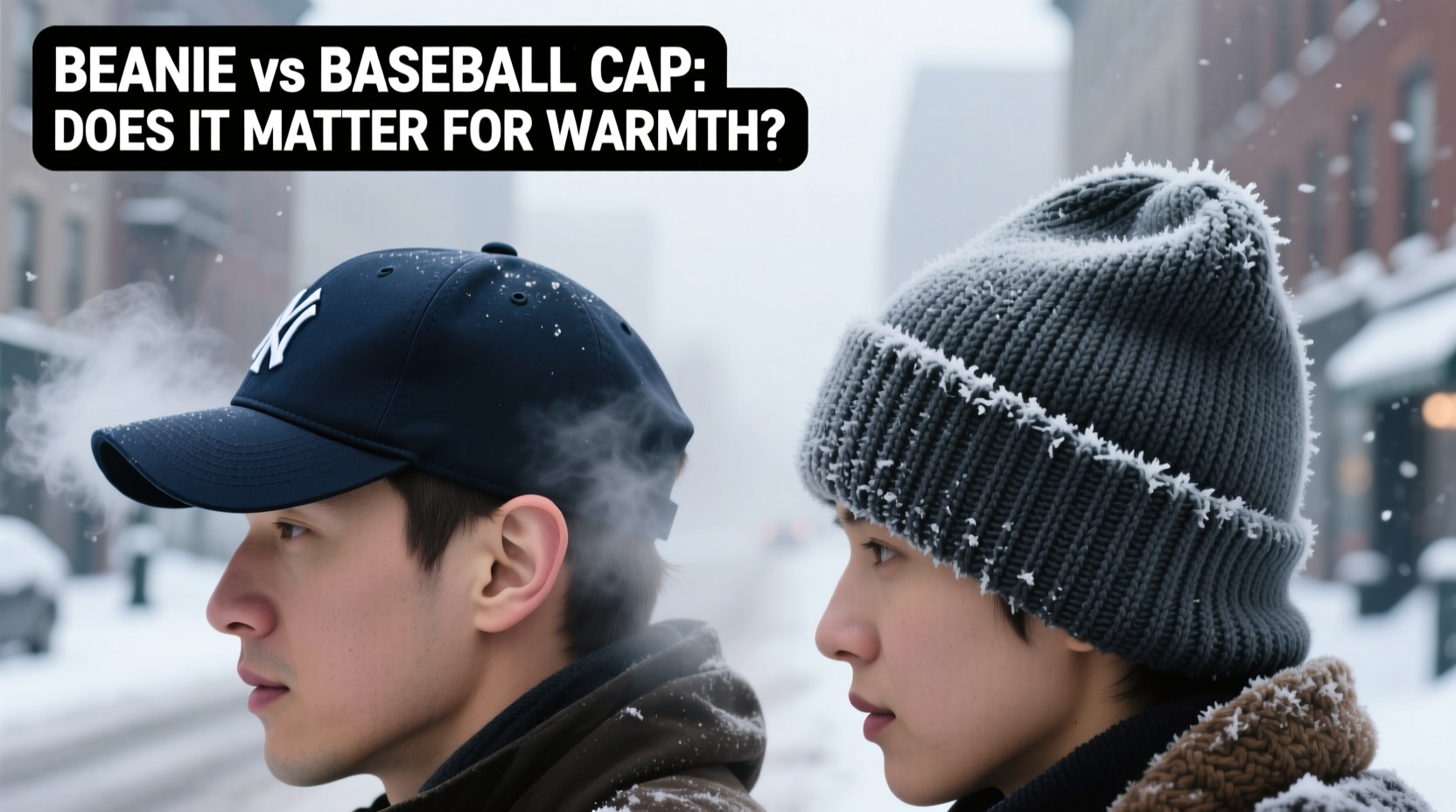
The fundamental difference between a baseball cap and a beanie lies in their structure and intended use. A baseball cap features a stiff front panel, a curved or flat visor, and an open back or adjustable strap. Its primary purpose is sun protection and branding—common in sports and fashion. Most are made from cotton, polyester, or wool blends, but rarely designed for insulation.
In contrast, a beanie is a close-fitting, brimless hat typically made from knitted wool, acrylic, fleece, or thermal fabrics. It wraps fully around the head, often extending over the ears. This full coverage is critical in cold weather because it minimizes exposed skin and creates a microclimate that traps warm air near the scalp.
Consider this: a baseball cap leaves the ears, neck, and much of the sides of the head exposed. Even if made from thick material, its limited coverage makes it inherently less effective at retaining heat. A beanie, by wrapping snugly around the entire cranium, reduces convective heat loss significantly.
“Headwear in winter should prioritize coverage and fit over aesthetics. The ears and temporal regions are especially vulnerable to wind chill.” — Dr. Lena Torres, Environmental Physiologist
Material and Insulation: Not All Fabrics Are Equal
While both caps and beanies can be made from wool or synthetic fibers, their construction affects thermal performance. A wool baseball cap might feel warmer than a cotton one, but without ear coverage, its benefits are minimal. Thermal imaging studies show that heat escapes rapidly from uncovered ears—even more so in windy conditions.
Beanies, especially those made from merino wool or thermal fleece, offer superior moisture-wicking and insulation. Merino wool retains warmth even when damp, resists odor, and regulates temperature efficiently. Acrylic beanies are lighter and cheaper but may not breathe as well, potentially leading to sweat buildup during activity.
In contrast, most baseball caps—even “winter” versions—are still built for breathability and ventilation, not heat retention. Their structured crown doesn’t conform tightly to the head, allowing warm air to escape easily. Some brands now offer “cold-weather caps” with fleece lining or extended ear flaps, blurring the line between cap and beanie. But these are exceptions, not the norm.
Tip: If you must wear a baseball cap in winter, layer it under a balaclava or pair it with earmuffs to compensate for lack of coverage.Heat Retention Compared: A Practical Breakdown
To understand how each hat performs, consider three key factors: surface coverage, fit, and environmental resistance.
| Feature | Baseball Cap | Beanie |
|---|---|---|
| Coverage (scalp) | Limited (top/front only) | Full (entire head) |
| Ears covered? | No | Yes (typically) |
| Wind resistance | Low (visor blocks front only) | Moderate to high (depending on knit density) |
| Insulation value | Low to moderate | High (especially wool/fleece) |
| Sweat management | Moderate (vents heat) | High (with moisture-wicking materials) |
| Best for temps | 35°F+ (with layers) | Below 35°F |
This comparison shows that while a baseball cap might suffice on a mild winter day, it fails when sustained cold or wind enters the equation. Beanies, designed specifically for cold climates, outperform in nearly every category relevant to warmth.
Real-World Scenario: Commuting in Sub-Zero Weather
Take Mark, a bike commuter in Minneapolis. On a -10°F morning, he wears his favorite corduroy baseball cap, assuming his hoodie underneath will provide enough warmth. Within 15 minutes, his ears ache, and he feels a headache developing at the temples—classic signs of vasoconstriction due to cold exposure. He switches the next day to a merino wool beanie, pulling it low over his ears. The difference is immediate: no pain, no numbness, and he completes his ride feeling alert and warm.
This isn’t anecdotal—it aligns with research on peripheral cooling. When ears lose heat rapidly, the body responds by constricting blood vessels, which can trigger discomfort and reduce dexterity and focus. A beanie prevents this cascade simply by covering the vulnerable zones a baseball cap ignores.
When a Baseball Cap Might Still Work
There are niche situations where a baseball cap isn’t entirely impractical in winter. For instance:
- Fashion-first settings: In urban environments where short outdoor exposure is expected (e.g., walking from car to office), style may outweigh function.
- Athletic use: Runners sometimes prefer caps for visibility and sweat control during high-intensity winter workouts, though they often pair them with headbands or ear warmers.
- Layering base: Some people wear a thin beanie underneath a baseball cap to maintain team spirit or branding while gaining warmth.
But in any scenario involving prolonged outdoor time, wind, or sub-40°F temperatures, relying solely on a baseball cap risks unnecessary discomfort and even increased susceptibility to frostnip.
Step-by-Step: Choosing the Right Winter Headwear
- Assess your environment: How cold is it? Is there wind or precipitation?
- Determine exposure time: Will you be outside for minutes or hours?
- Prioritize coverage: Opt for headwear that covers ears and the back of the neck.
- Check material: Wool, fleece, or thermal synthetics retain heat better than cotton or structured fabrics.
- Test fit: The hat should be snug but not tight—no gaps at the hairline or behind the ears.
- Layer if needed: Combine a beanie with a hood or scarf in extreme cold.
Frequently Asked Questions
Can I wear a baseball cap in winter if it’s made of wool?
Wool improves insulation slightly, but the lack of ear and side coverage remains a major limitation. You’ll still lose significant heat from exposed areas. It’s better than cotton, but not comparable to a beanie.
Do beanies cause hair flattening or ‘hat hair’?
Some do, especially tight-knit styles. To minimize this, choose a slightly looser fit or use a silk-lined beanie. Alternatively, let your hair settle after removing the hat—most styles recover quickly.
Is a hood alone enough for winter?
Hoods provide some protection but rarely seal around the face and ears effectively. They work best when combined with a beanie or neck gaiter. Relying only on a hood, especially a thin one, leaves you under-protected.
Final Verdict: Does It Matter?
Yes—it absolutely matters. For genuine warmth in winter, a beanie is objectively superior to a baseball cap. The difference isn’t subtle: it’s measured in degrees of body heat retained, comfort sustained, and risk of cold-related discomfort reduced. While personal style and social context influence choices, health and practicality should guide decisions when temperatures fall.
If you’re attached to the look of a baseball cap, consider adaptive solutions: wear a thermal headband underneath, switch to a hybrid “beanie-cap” design, or reserve the cap for milder days. But when winter bites hard, trust the science—cover your ears, insulate your scalp, and choose the gear designed for the season.
💬 What’s your go-to winter headwear? Share your tips or hacks for staying warm without sacrificing style—we’d love to hear what works for you!








