Headwear has long been more than just protection from the sun—it’s a statement. Whether you’re stepping out for a casual walk, attending a backyard barbecue, or representing your favorite brand or team, the cap you choose speaks volumes. The debate between baseball caps and trucker hats isn’t just nostalgic; it reflects evolving trends, personal identity, and practical needs. But when it comes down to it, does the style truly define the experience, or is everything really about the fit?
The answer isn’t binary. While aesthetics draw attention, comfort and functionality determine longevity in your wardrobe rotation. A flashy design might catch your eye, but if the cap pinches your forehead or slides off in a breeze, it won’t stay on your head for long.
The Evolution of the Baseball Cap and Trucker Hat
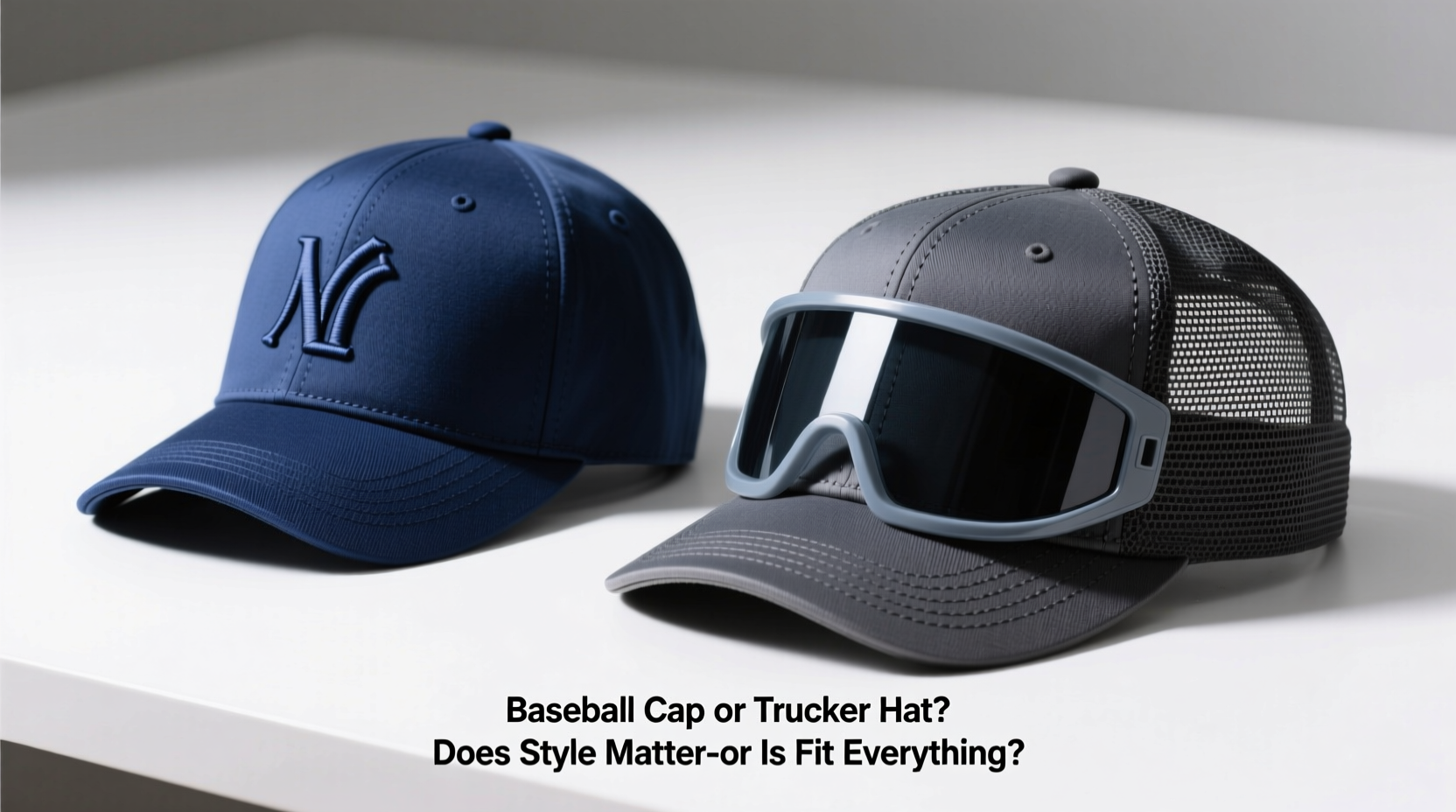
The modern baseball cap originated in the mid-19th century as part of a baseball player’s uniform. Its structured crown and curved brim were designed to shield athletes’ eyes from sunlight. Over time, the cap transcended sports, becoming a staple in streetwear and urban fashion. Today’s baseball caps are typically made from cotton, wool, or performance blends, featuring a six-panel construction with an adjustable strap or fitted sizing.
In contrast, the trucker hat emerged in the 1970s as promotional merchandise distributed by agricultural supply companies to rural workers—especially truck drivers. Known for their foam front panel, mesh back, and plastic snapback closure, trucker hats offered breathability and durability ideal for long hours outdoors. Their bold, often humorous graphics made them cult favorites, later embraced by pop culture in the early 2000s thanks to musicians and influencers.
While both styles share DNA—curved brims, adjustable fits, logo-centric fronts—they serve slightly different purposes and project distinct vibes. Baseball caps lean toward classic, athletic, or minimalist cool. Trucker hats signal retro flair, irony, or blue-collar authenticity.
Style: More Than Just Aesthetic
Style influences perception. Wearing a vintage New York Yankees fitted cap communicates tradition and sporty elegance. A neon-green trucker hat with a cartoon animal logo suggests humor and self-awareness. These signals aren’t superficial; they shape how others interpret your personality and intentions.
Yet style alone doesn’t guarantee wearability. A poorly structured cap may look great in photos but fail in real-world conditions. Similarly, overly trendy designs can date quickly. The most enduring headwear balances visual appeal with timeless elements—clean lines, neutral colors, quality stitching.
Consider this: two people wearing the same brand of cap may have entirely different impressions based on how it sits on their head. One wears it high and loose, projecting laid-back confidence. The other wears it low and tight, suggesting focus or attitude. In both cases, the style provides context—but the fit delivers the message.
Tip: Choose a cap color that complements your skin tone and common wardrobe choices—navy, black, gray, and olive green are versatile and age well.Fit: The Silent Determinant of Comfort and Longevity
No matter how stylish a cap is, discomfort will banish it to the back of the closet. Fit governs airflow, pressure points, sweat management, and stability during movement. A too-tight band causes headaches; a loose one slips with every turn of the head.
Baseball caps come in three primary fits: fitted (specific head circumference), adjustable (snapback or strap), and stretch-fit (elasticized band). Trucker hats are predominantly snapbacks, offering incremental adjustments. This makes them more inclusive across head sizes but less precise than custom-fitted options.
The curvature of the brim also affects fit. A flat brim offers a bolder silhouette but may block peripheral vision. A gently curved brim mimics natural head shape and improves visibility. Similarly, crown height—low, mid, or high—alters facial proportions and overall balance.
“Fit is the foundation of function. You can have the rarest design, but if it doesn’t sit right, it won’t be worn.” — Marcus Lin, Headwear Designer at Urban Thread Co.
Comparing Key Features: Baseball Cap vs. Trucker Hat
| Feature | Baseball Cap | Trucker Hat |
|---|---|---|
| Front Panel | Fabric (cotton, wool, polyester) | Foam-stiffened fabric |
| Back Material | Same as front or solid fabric | Mesh panels |
| Ventilation | Low to moderate | High (due to mesh) |
| Closure Type | Fitted, snapback, strap, stretch | Primarily snapback |
| Best For | Formal-casual settings, sports, daily wear | Outdoor work, hot climates, retro styling |
Real-World Example: Two Days, Two Hats
Take James, a landscape photographer who spends weekends hiking and shooting in humid conditions. On Saturday, he wears a classic navy baseball cap made of cotton twill. By midday, the fabric absorbs sweat, clings to his forehead, and begins to sag. The solid back offers no airflow, and he removes it frequently to cool down.
Sunday, he switches to a charcoal-gray trucker hat with breathable mesh. Despite similar temperatures, the difference is immediate. Air circulates freely, the foam front maintains its shape, and the snapback fits snugly without pressure. Though less “refined” in appearance, it performs better under stress—and ends up being his go-to for future outings.
This scenario illustrates that while style sets expectations, environmental demands and physical comfort ultimately dictate usability. Context matters more than trend.
How to Choose the Right Hat: A Practical Checklist
- Measure your head: Use a soft tape measure around the widest part of your forehead and above the ears.
- Determine preferred closure: Snapbacks offer adjustability; fitted caps provide precision.
- Assess climate needs: Mesh backs excel in heat; solid fabric retains warmth in cooler weather.
- Match to your wardrobe: Neutral tones pair easily; bold logos make statements.
- Test the brim curve: Ensure it doesn’t obstruct vision or feel too stiff.
- Check interior sweatband: Should be moisture-wicking and non-irritating.
- Wear it for 30 minutes: Walk around, bend over, shake your head—see how it holds up.
Frequently Asked Questions
Can I wear a trucker hat in formal settings?
Generally, trucker hats are considered too casual for formal environments. However, in creative industries or relaxed social gatherings, a minimalist design in dark tones can work if styled with intention.
Do baseball caps suit all face shapes?
Most do, but crown height plays a role. Those with rounder faces may prefer higher crowns to elongate proportions, while angular faces balance well with low-profile caps.
How do I clean my cap without ruining it?
Hand wash with mild detergent and cold water. Avoid submerging fitted caps—spot clean instead. Air dry naturally, away from direct heat. Never machine wash unless labeled safe.
Conclusion: Style Meets Function Through Fit
The choice between a baseball cap and a trucker hat isn’t merely about nostalgia or trend-chasing. It’s a decision shaped by lifestyle, environment, and personal comfort. Style draws you in, but fit keeps you wearing it. A well-chosen cap enhances your presence, protects you from the elements, and withstands daily use without compromise.
Instead of asking whether style or fit matters more, consider how they work together. Prioritize structure and sizing first, then select a design that aligns with your identity. Whether you lean toward the timeless elegance of a wool baseball cap or the rugged breathability of a mesh-backed trucker, the right combination elevates both form and function.
💬 What’s your go-to cap and why? Share your favorite style, fit tip, or unexpected use case—we’d love to hear what works for you!








