When it comes to manicures, the shape of your nails can significantly influence the overall appearance of your hands. Two of the most popular styles—ballerina (also known as coffin) and square—are often compared not just for their aesthetic appeal but also for how they affect finger proportions. While both shapes offer elegance and modern flair, one may have a distinct advantage in creating the illusion of longer, slimmer fingers. Understanding the subtle differences between ballerina and square nails—and how they interact with various hand types—can help you make a choice that enhances your natural beauty.
The Anatomy of Nail Shapes: Ballerina vs Square
Nail shape is more than a fashion statement; it’s a tool for optical refinement. The two contenders—ballerina and square—differ primarily in structure and edge design.
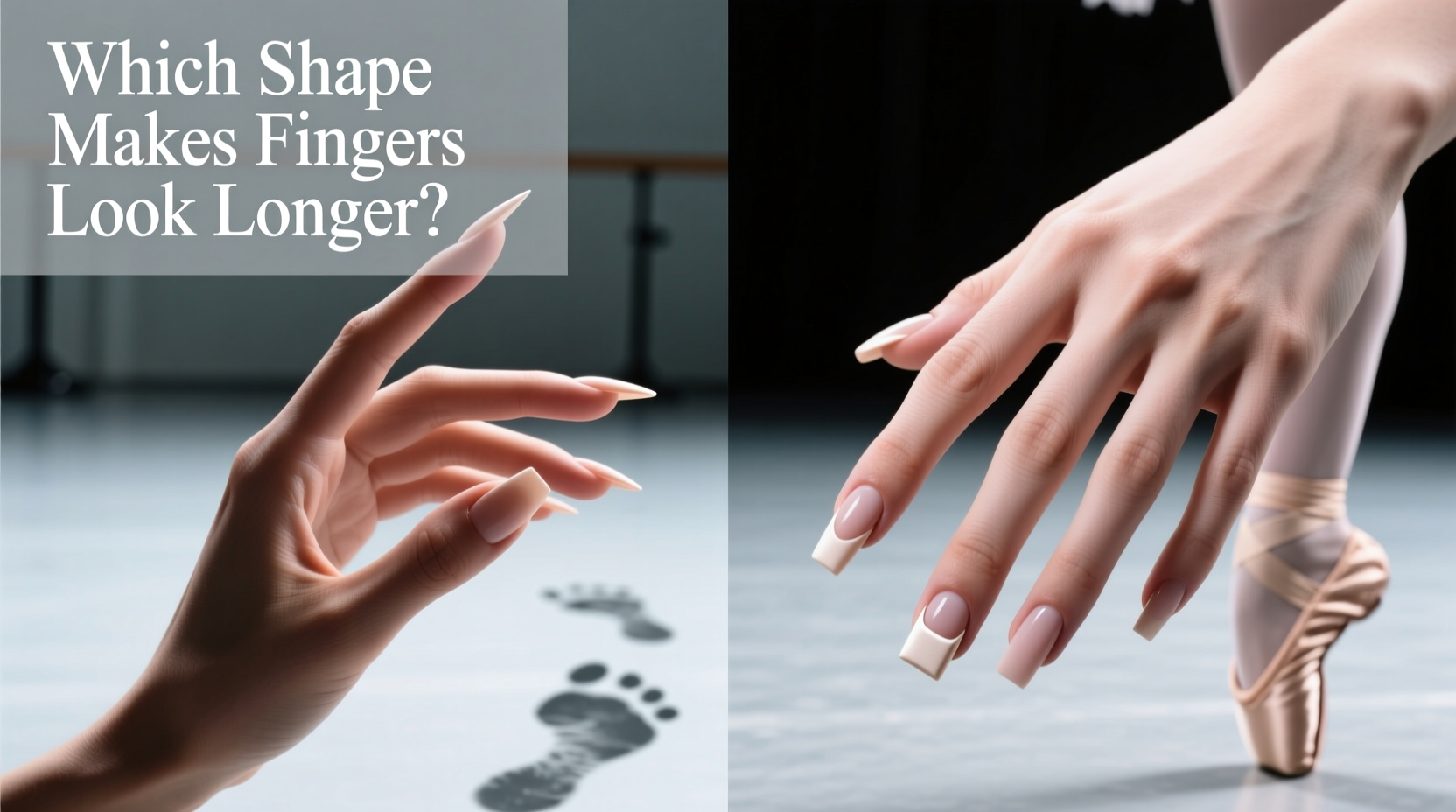
Ballerina nails are characterized by straight sides that taper into a squared-off tip with slightly rounded corners. The name comes from their resemblance to a ballet slipper. This elongated form naturally draws the eye upward, following the length of the nail bed toward the fingertip.
Square nails, on the other hand, feature straight sidewalls and a flat, right-angled tip. This creates a broader, more structured look at the fingertip. While clean and classic, the abrupt horizontal line can sometimes emphasize width rather than length.
The visual effect each produces depends heavily on proportion. Ballerina nails typically extend further beyond the fingertip, contributing to a stretched silhouette. Square nails, especially when kept short, can appear boxy and may visually shorten fingers if not properly balanced with nail length and hand proportions.
Why Nail Shape Affects Finger Perception
The way light reflects off the nail surface, the direction lines flow across the finger, and the perceived ratio of nail length to finger width all contribute to how long or short fingers appear. Vertical lines elongate; horizontal lines widen. This principle applies directly to nail design.
Ballerina nails use diagonal tapering along the sides to create an upward visual trajectory. This mimics the effect of vertical stripes in clothing—drawing attention lengthwise. The extended tip adds measurable length, but more importantly, it shifts focus away from the knuckles and toward the refined point of the nail.
Square nails, with their strong horizontal edge, can interrupt this flow. Unless the nail is grown out sufficiently, the flat tip may appear blunt, anchoring the eye at the fingertip and reducing the sense of extension. However, on wider fingertips or shorter nail beds, square nails can provide balance and symmetry that some find more flattering than elongation.
“Nail shape should complement the hand, not compete with it. For clients seeking slenderizing effects, I almost always recommend a tapered shape like ballerina over square.” — Lila Chen, Master Nail Technician & Educator at Luxe Nail Atelier
Comparative Analysis: Ballerina vs Square Nails
| Feature | Ballerina Nails | Square Nails |
|---|---|---|
| Side Profile | Tapered inward from cuticle to tip | Straight sidewalls |
| Tip Shape | Flat with rounded edges | Sharp 90-degree corner |
| Length Illusion | Strongly elongating | Moderate; depends on nail length |
| Finger Slimming Effect | Yes, due to tapering | Limited; can emphasize width |
| Best For Hand Types | Narrow to medium fingers, average to long fingers | Short fingers with wide tips, petite nail beds |
| Durability | Good, but corners can snag | Excellent; strong edge resists breaking |
Real-World Example: Choosing the Right Shape
Consider Sarah, a 32-year-old office manager with medium-length fingers and slightly broad fingertips. She had always worn short square nails for practicality but felt her hands looked stubby, especially when typing or gesturing during meetings. After consulting with her nail technician, she decided to try ballerina nails at a moderate length.
Over three weeks, her nails were gradually shaped into a soft ballerina form. The technician ensured the sides were filed at a consistent angle and the tips were smoothed into gentle curves. The result was immediate: her fingers appeared more delicate and refined. Colleagues commented on her polished look, and Sarah reported feeling more confident shaking hands or using hand gestures in presentations.
In contrast, when she returned months later requesting a switch back to square nails for durability, the same length now made her fingertips look blocky. She realized that while square nails were sturdier, they didn’t flatter her hand shape in the same way.
How to Choose Based on Your Hand Type
No single nail shape suits every hand, but understanding your anatomy helps guide the decision. Here’s a step-by-step approach to finding your ideal match:
- Assess your finger length: If your fingers are short or average, elongating shapes like ballerina are generally more flattering.
- Evaluate fingertip width: Wide tips benefit from tapered styles that visually narrow the end of the finger.
- Check your nail bed shape: Long, narrow nail beds support ballerina nails well. Short, wide beds may suit square or squoval (square-oval hybrid) better.
- Consider lifestyle: Ballerina nails require more maintenance and can catch on fabrics. If you type frequently or work with your hands, square nails might be more practical.
- Test temporarily: Try a gel set in each shape before committing to a permanent style. Wear them for a few days and observe how they feel and look in different lighting and settings.
- For long fingers: Both shapes work, but ballerina enhances elegance.
- For short fingers: Ballerina is superior for creating length.
- For wide nail beds: Square can balance proportions; ballerina risks looking too wide at the base.
Frequently Asked Questions
Do ballerina nails really make fingers look longer?
Yes. The tapered sides and extended tip create a continuous upward line that guides the eye along the finger, enhancing the perception of length. This optical illusion is especially effective on medium to short fingers.
Can square nails be modified to elongate fingers?
To some extent. Opting for a squoval shape—square with softened corners and a slight curve—can reduce the widening effect of sharp edges. Additionally, growing the nails slightly longer and keeping the sides straight but not overly wide can help. However, they won’t achieve the same elongating effect as ballerina nails.
Are ballerina nails harder to maintain than square?
They require more precision. The tapered edges need regular filing to maintain symmetry, and the corners can chip or snag more easily. However, with proper application and quality products, they can last just as long as square nails with mindful care.
Final Tips for Maximizing Finger Length Appearance
- Paint nails in monochromatic shades—matching your nail color to your skin tone extends the visual line of the finger.
- Avoid dark tips or horizontal designs that cut across the nail; these shorten the appearance.
- Use a high-gloss top coat to reflect light and enhance smoothness.
- Keep cuticles neat—overgrown skin at the base detracts from nail length.
- Opt for vertical nail art, such as thin lines or gradients, to reinforce the elongating effect.
Conclusion: Make Your Choice with Confidence
The debate between ballerina and square nails isn’t about which is universally better—it’s about which serves your goals and hand structure best. If your aim is to create the illusion of longer, more graceful fingers, ballerina nails hold a clear advantage. Their tapered design leverages visual principles of proportion and line to refine and stretch the appearance of your digits. Square nails offer strength and simplicity but often fall short in elongation unless carefully tailored.
Ultimately, the best choice balances aesthetics, comfort, and lifestyle. Whether you’re drawn to the sleek sophistication of ballerina nails or the timeless geometry of square ones, let your decision be guided by what makes your hands feel—and look—their best.
💬 Have you tried both shapes? Share your experience and help others discover the perfect nail shape for their hands!








