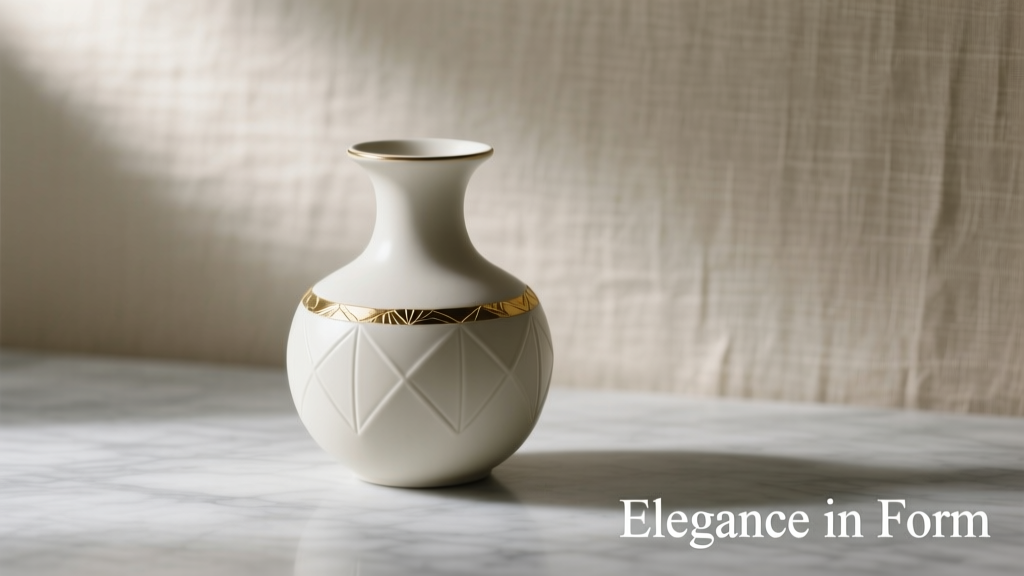
Types of Asalato Shakers
A Asalato shaker is a traditional percussion instrument that produces rhythmic sounds through the movement of beads contained within two hollow shells. Widely used in cultural music and dance, the Asalato combines both musical and visual appeal, with each type offering distinct tonal qualities, weight, and craftsmanship. While the core design remains consistent—two shells joined together and filled with beads—the material used significantly influences the sound, durability, and aesthetic of the instrument.
Ceramic
Handcrafted from fired clay, ceramic Asalatos are celebrated for their artistic beauty and deep cultural roots. These instruments are often adorned with intricate hand-painted patterns, making each piece a unique work of art.
Advantages
- Rich, resonant, and deep tonal quality
- Highly decorative with traditional craftsmanship
- Potential for collectible or ceremonial value
- Excellent sound projection due to density
Limitations
- Heavier weight may cause hand fatigue
- Fragile and susceptible to cracking or chipping
- Less portable for extended performances
- Higher maintenance required
Best for: Cultural performances, traditional ceremonies, display pieces, and acoustic settings where depth of sound is prioritized
Wood
Wooden Asalatos are among the most popular due to their balanced sound, durability, and natural warmth. Crafted from hardwoods like mahogany, maple, or rosewood, these shakers offer a wide sonic range depending on the wood type and shell thickness.
Advantages
- Warm, organic tonal characteristics
- Lightweight and comfortable for prolonged playing
- Highly durable and resistant to impact
- Natural aesthetic with wood grain variations
Limitations
- Sound can be less pronounced than ceramic
- Vulnerable to moisture and warping over time
- May require occasional oiling to maintain finish
Best for: Live performances, educational settings, studio recordings, and musicians seeking a reliable, portable, and expressive instrument
| Type | Sound Quality | Weight | Durability | Best Use Case |
|---|---|---|---|---|
| Ceramic | Deep, resonant, full-bodied | Heavy | Moderate (fragile) | Cultural events, ceremonial music, artistic displays |
| Wood | Warm, bright, balanced | Light to medium | High | Live performances, teaching, general music making |
Expert Tip: When playing a ceramic Asalato, use a soft cloth or padded grip to protect the surface from scratches and reduce hand strain during long sessions. For wooden models, occasional application of natural wood oil (like linseed or tung oil) helps preserve the finish and prevent drying or cracking.
Design and Cultural Significance of the Asalato Shaker
The Asalato shaker is a traditional African percussion instrument known for its distinctive sound and cultural symbolism. It is typically constructed from two interlocking shells filled with beads, seeds, or small percussive elements. When shaken or twisted, the internal materials collide with the inner walls of the shells, producing rhythmic patterns that are central to many African musical traditions. This unique structure not only defines its acoustic properties but also reflects deep-rooted artistic and cultural values.
Traditional African Designs
Traditional Asalato shakers are renowned for their intricate craftsmanship and symbolic artwork, which vary significantly across different African tribes and regions. These designs often feature elaborate geometric patterns, depictions of animals, and scenes illustrating daily life, spiritual beliefs, or ancestral stories. Each motif carries cultural meaning—serving as more than mere decoration—and often conveys historical narratives, social status, or religious significance.
For example, certain ethnic groups use specific color combinations or animal symbols to represent fertility, protection, or community identity. These artistic elements are carefully handcrafted, making each Asalato a unique cultural artifact passed down through generations.
Contemporary Designs
In modern times, the design of the Asalato has evolved to meet broader aesthetic and functional demands. Contemporary versions often feature bold, vibrant colors, abstract patterns, and themes inspired by global pop culture, urban art, or minimalist design. While still used in traditional music ensembles, many modern Asalatos are now integrated into educational settings, therapeutic music programs, and recreational music-making.
Manufacturers and artisans produce both handcrafted and mass-produced models, allowing wider accessibility without sacrificing visual appeal. Some modern iterations even incorporate ergonomic handles or adjustable sound chambers to enhance playability for beginners and children.
Structural Details
The core structure of an Asalato consists of two symmetrical shells—often oval or gourd-shaped—joined at the edges and free to rotate around a central axis or pivot point. This rotational movement allows the player to create rhythmic patterns by twisting the wrists, causing the internal beads or pellets to strike the inner surfaces of the shells.
The shape, size, and curvature of the shells directly influence the instrument’s tonal quality. Larger shells tend to produce deeper, resonant tones, while smaller ones yield brighter, higher-pitched sounds. The precision of the shell’s seal and balance also affects responsiveness and ease of control during performance.
Materials Used
Traditionally, Asalatos were crafted from natural materials such as clay, terracotta, or dried gourds—readily available and acoustically effective. These organic materials contribute to a warm, earthy sound and are often decorated with natural pigments.
In contemporary production, materials have diversified to include wood, bamboo, plastic, and even metal alloys. Wooden Asalatos offer durability and rich resonance, while plastic versions are lightweight and ideal for classroom use. The choice of material significantly impacts the instrument’s weight, volume, timbre, and longevity, allowing customization based on intended use—whether ceremonial, educational, or performance-based.
| Design Feature | Cultural/Functional Role | Examples & Notes |
|---|---|---|
| Shell Shape | Influences sound resonance and playing technique | Oval, spherical, or gourd-like; larger = deeper tone |
| Surface Patterns | Represents tribal identity, myths, or spiritual symbols | Geometric motifs, animal figures, daily life scenes |
| Filling Material | Determines sound texture and volume | Seeds, pebbles, beads, or metal pellets |
| Construction Material | Affects durability, weight, and acoustic properties | Clay (traditional), wood (resonant), plastic (lightweight) |
Important: When selecting or using an Asalato shaker, consider its origin and craftsmanship. Authentic instruments not only offer superior sound quality but also support cultural preservation and ethical artisanship. Whether used in performance, education, or personal enjoyment, the Asalato remains a powerful bridge between music, culture, and tradition.
Specification & Maintenance of Asalato Shaker
The Asalato shaker is a traditional African percussion instrument known for its rich cultural heritage and versatile sound. Used in ceremonial music, dance, and spiritual gatherings, the Asalato produces rhythmic, textured tones that vary based on material, size, and playing technique. Understanding its technical aspects and proper care ensures longevity and optimal performance.
Material Composition
Traditionally crafted from natural materials, the Asalato has evolved to include modern alternatives, each influencing tone, durability, and aesthetics.
- Ceramic/Clay: Most authentic and historically accurate; produces warm, earthy tones but is fragile and sensitive to temperature changes.
- Wood: Offers a balanced, resonant sound with excellent durability; often carved from hardwoods like mahogany or ebony for rich acoustic properties.
- Plastic: Lightweight and highly durable; ideal for educational settings or frequent travel; produces a brighter, sharper sound.
- Metal: Delivers a crisp, metallic rattle with high projection; commonly used in contemporary or amplified performances.
Cultural Insight: In West African traditions, clay Asalatos are often hand-molded and decorated with symbolic patterns, reflecting regional artistry.
Size & Acoustic Properties
The physical dimensions of the Asalato directly influence its sonic characteristics and playability.
- Small (4–6 inches): Easily held in one hand; produces high-pitched, rapid clicks ideal for intricate rhythms.
- Medium (7–10 inches): Balanced tone with mid-range resonance; suitable for general performance and ensemble playing.
- Large (11+ inches): Requires two hands; generates deep, low-frequency sounds with strong projection, often used in ceremonial contexts.
- Shape: Spherical, cylindrical, or gourd-shaped bodies affect airflow and internal resonance, altering timbre.
Sound Tip: Larger shakers with wider internal chambers amplify lower frequencies, making them ideal for grounding rhythmic patterns.
Bead Filling & Sound Customization
The internal filling is crucial to the instrument’s voice. Different materials and quantities allow for personalized sound profiles.
- Plastic Beads: Consistent size and weight produce a clean, uniform rattle; resistant to moisture and decay.
- Rice or Dried Seeds: Organic materials create a softer, more nuanced sound; may degrade over time if exposed to humidity.
- Small Pebbles or Shells: Add texture and complexity to the sound; create a more percussive, layered effect.
- Filling Level: 30–50% capacity is ideal—too full reduces movement and dampens sound; too empty creates erratic, weak noise.
Pro Tip: Experiment with mixed fillings (e.g., rice and beads) to achieve a hybrid tone with both warmth and clarity.
Weight & Ergonomics
The overall weight affects playability, especially during extended performances.
- Lightweight (under 8 oz): Easy to maneuver; ideal for fast, repetitive rhythms and beginner players.
- Medium Weight (8–16 oz): Offers balanced control and sound projection; preferred by professional musicians.
- Heavy (16+ oz): Requires more effort to shake but delivers powerful, resonant tones; best for slow, deliberate rhythms.
- Balance: A well-balanced shaker feels stable in the hand, reducing fatigue during long sessions.
Performance Note: Heavier Asalatos are often used in dance accompaniment where visual and auditory presence is key.
How to Play the Asalato Shaker
The Asalato is played by shaking it rhythmically, using controlled wrist and arm movements to generate percussive patterns. The sound varies based on:
- Shaking Intensity: Gentle shakes produce soft, subtle textures; vigorous shaking creates loud, rapid bursts.
- Angle and Motion: Tilting the shaker changes how beads strike the interior, altering tone and rhythm.
- Hand Position: Holding near the center provides stability; gripping the ends allows for more dynamic motion.
- Rhythmic Patterns: Common techniques include steady pulses, syncopated rolls, and call-and-response phrasing in group settings.
Creative Use: In Afrobeat and traditional ensembles, Asalatos often interlock with other percussion instruments to create complex polyrhythms.
Care & Maintenance by Material
Proper maintenance preserves the Asalato’s sound quality and structural integrity. Care varies significantly by construction material.
Ceramic Asalatos
- Wipe the exterior with a slightly damp cloth—never submerge in water.
- Store in a dry, shaded area to prevent thermal shock and cracking.
- Avoid sudden temperature changes (e.g., direct sunlight or cold floors).
- Inspect regularly for hairline cracks that could worsen over time.
Wooden Asalatos
- Condition every 3–6 months with food-grade beeswax or non-silicone wood polish.
- Store in a humidity-controlled environment (40–60% RH) to prevent warping or splitting.
- Never leave in damp areas like basements or bathrooms.
- Use a soft brush to remove dust from crevices or carvings.
Plastic Asalatos
- Wash with mild soap and lukewarm water; rinse and dry thoroughly.
- Store away from heat sources (e.g., radiators, direct sunlight) to avoid warping.
- Resistant to most environmental factors, making them ideal for outdoor use.
- Check for stress cracks near seams or handles with frequent use.
Metal Asalatos
- Polish regularly with a soft, dry cloth to prevent tarnishing.
- For stubborn oxidation, use a metal-safe cleaner appropriate for the alloy (e.g., brass, aluminum).
- Always store in a dry place; consider using silica gel packs in storage containers.
- Ensure internal beads are dry to prevent internal corrosion.
Expert Recommendation: For collectors and performers alike, investing in a handcrafted ceramic or wooden Asalato enhances both cultural authenticity and acoustic quality. Pair it with a protective display case or padded bag for transport. For educational or children’s programs, durable plastic models are practical and cost-effective. Always educate users on proper handling to preserve the instrument’s integrity across generations.
| Material | Sound Profile | Durability | Maintenance Level | Best Use Case |
|---|---|---|---|---|
| Ceramic/Clay | Warm, earthy, resonant | Low (fragile) | High | Ceremonial, cultural performances |
| Wood | Rich, balanced, natural | High | Medium | Traditional music, solo performances |
| Plastic | Bright, sharp, consistent | Very High | Low | Education, travel, outdoor events |
| Metal | Crisp, loud, metallic | Medium (prone to corrosion) | Medium-High | Amplified music, stage performances |
Additional Tips for Longevity & Performance
- Storage: Keep in a padded bag or display case when not in use to prevent impacts and dust accumulation.
- Humidity Control: Use dehumidifiers or moisture absorbers in storage areas, especially for organic materials.
- Cleaning Frequency: Clean after heavy use or exposure to sweat, dirt, or outdoor elements.
- Repair: Small cracks in wood or clay can sometimes be filled with natural resin; avoid glue unless necessary.
- Sound Tuning: Adjust bead quantity to fine-tune sound—add more for intensity, remove for subtlety.
Scenarios for Asalato Shaker: Cultural, Educational, and Musical Applications
Asalatos are versatile percussion instruments with deep cultural roots and broad modern applications. Traditionally crafted from gourds, wood, or woven materials filled with seeds, beads, or shells, these shakers produce rhythmic textures that enhance musical expression across diverse settings. From sacred rituals in West Africa to interactive music classrooms and global fusion genres, the asalato plays a vital role in connecting people through rhythm, tradition, and creativity.
Cultural Note: The term "asalato" may vary regionally and is sometimes used interchangeably with other African shakers like the shekere or axatse. Its design and usage often reflect the cultural identity of the community, making it more than just a musical tool—it's a symbol of heritage and communal expression.
Traditional African Music
In traditional African music, asalatos serve as essential rhythmic anchors during communal performances. They are frequently played alongside drums, stringed instruments, and vocal ensembles to create polyrhythmic textures that drive dance and storytelling. During village gatherings, harvest festivals, and rites of passage such as initiations or weddings, asalatos help unify participants through synchronized rhythm, enhancing both the emotional and spiritual depth of the event.
- Used in ensembles to maintain tempo and accentuate rhythmic patterns
- Played by dancers and musicians alike, promoting physical engagement with music
- Often handmade with locally sourced materials, reflecting regional craftsmanship
- Integral to oral traditions where rhythm supports narrative songs and proverbs
Religious and Spiritual Ceremonies
Across various African spiritual traditions—including Yoruba, Vodun, and certain Christian-influenced African worship practices—asalatos are employed to invoke spiritual presence and facilitate trance states. The repetitive shaking motion creates a meditative soundscape that aligns with chants, prayers, and ritual dances, serving as a bridge between the physical and spiritual realms.
- Used in ceremonies honoring ancestors or deities (e.g., Orisha worship)
- Helps establish sacred time and space through rhythmic invocation
- Often blessed or consecrated before use in religious contexts
- Played by designated spiritual musicians or elders during rituals
Educational Settings
Asalatos have become valuable tools in music education due to their accessibility and tactile nature. Teachers use them in early childhood programs, elementary schools, and special education classrooms to introduce fundamental musical concepts such as beat, tempo, dynamics, and ensemble coordination. Their ease of use makes them ideal for inclusive learning environments where students of all abilities can participate.
- Teach steady beat and rhythmic patterns through call-and-response exercises
- Support cross-curricular learning in social studies and cultural awareness units
- Encourage motor skill development and auditory processing in young learners
- Facilitate group collaboration and listening skills in ensemble activities
Teacher Tip: Pair asalatos with visual rhythm cards or body percussion to reinforce musical literacy. For example, assign different shake patterns (short, long, syncopated) to symbols students can read and perform collectively.
Casual Music-Making and Community Engagement
Due to their intuitive design and joyful sound, asalatos are popular among amateur musicians and community groups. They are commonly used in family music nights, intergenerational workshops, drum circles, and therapeutic music sessions. Their low barrier to entry allows people with no formal training to engage in creative expression and social bonding through rhythm.
- Perfect for group rhythm jams and improvisational play
- Used in community festivals and cultural celebrations to involve audiences
- Employed in music therapy to reduce stress and improve focus
- Ideal for home use—parents and children can explore rhythm together
Modern and Fusion Music Genres
In contemporary music, the asalato has found a place in world music, Afrobeat, jazz fusion, pop, and film scoring. Professional musicians and producers incorporate its organic, textured sound to add authenticity and global flavor to recordings and live performances. Artists like Angelique Kidjo, Burna Boy, and Peter Gabriel have utilized similar shaker instruments to enrich their sonic palette.
- Adds subtle groove layers in studio recordings and live arrangements
- Blends seamlessly with electronic beats and acoustic instrumentation
- Featured in genres such as Afro-pop, reggae, Latin jazz, and ambient music
- Used by percussionists to create complex cross-rhythms and ostinatos
| Setting | Primary Function | Typical Users | Benefits |
|---|---|---|---|
| Traditional Ceremonies | Rhythmic foundation for dance and ritual | Elders, dancers, traditional musicians | Preserves cultural heritage and community cohesion |
| Religious Practices | Spiritual invocation and meditation aid | Priests, devotees, ritual ensembles | Enhances sacred atmosphere and focus |
| School Classrooms | Music education and rhythm training | Students, teachers, music therapists | Develops coordination, listening, and creativity |
| Community Events | Inclusive participation and entertainment | Families, hobbyists, facilitators | Promotes joy, connection, and cultural appreciation |
| Professional Music | Textural and rhythmic enhancement | Recording artists, session musicians, producers | Adds global authenticity and sonic depth |
Pro Tip: When using asalatos in group settings, assign different rhythmic roles (e.g., steady beat, syncopation, accents) to create layered, professional-sounding arrangements—even with beginners. This approach mirrors traditional African ensemble structures and builds musical intelligence.
Conclusion and Best Practices
The asalato shaker transcends its simple construction to become a powerful instrument of culture, education, and artistic innovation. Whether used in a village ceremony, a school music class, or a global hit song, it connects people through the universal language of rhythm. To honor its origins and maximize its impact:
- Respect the cultural significance of the instrument when teaching or performing
- Encourage active listening and ensemble awareness in group play
- Explore authentic African rhythms (e.g., 12/8 time, bell patterns) to deepen understanding
- Support sustainable craftsmanship by purchasing ethically made instruments
- Combine with other hand percussion (djembe, claves, cowbell) for rich sonic variety
By embracing the asalato’s diverse applications, musicians and educators can foster greater cultural appreciation, creativity, and rhythmic vitality in their communities.
Frequently Asked Questions About the Asalato Shaker
Q1: What is the origin of the Asalato?The Asalato is a traditional West African percussion instrument with deep cultural roots, primarily originating from regions such as Mali, Senegal, and Guinea. Historically crafted from clay, this handheld shaker has been used for generations in ceremonial, spiritual, and communal music settings. Its design reflects the rich artistic heritage of African craftsmanship, where rhythm plays a vital role in storytelling, dance, and social cohesion. The name "Asalato" is believed to derive from indigenous languages, symbolizing both the sound it produces and its function as a tool of musical expression.
Q2: What materials are used to make modern Asalatos?While traditional Asalatos are handcrafted from natural clay and decorated with intricate patterns, contemporary versions have evolved to incorporate a variety of materials to suit different needs and environments. Modern Asalatos may be made from:
- Wood: Offers a warm, resonant tone and is often carved from sustainable hardwoods.
- Plastic: Lightweight and durable, ideal for educational settings and outdoor performances.
- Metal: Provides a brighter, sharper sound and increased durability for professional use.
These variations allow musicians and educators to choose instruments based on acoustic preference, portability, and intended use, while still honoring the instrument’s traditional form and function.
Q3: How does the filling inside the Asalato affect its sound?The sonic character of an Asalato is heavily influenced by the type, size, density, and quantity of the internal filling. Common fillings include:
- Seeds: Produce a soft, earthy rattle—ideal for subtle rhythmic textures.
- Small beads or pellets: Create a crisp, consistent sound with high articulation.
- Pebbles or small stones: Deliver a deeper, more resonant tone with greater volume.
The interaction between the filler and the inner walls of the shaker determines the texture, sustain, and dynamic range of the sound. Some artisans layer different materials to achieve a complex, multi-tonal effect, making each Asalato acoustically unique.
Q4: Can the Asalato be used for educational purposes?Absolutely. The Asalato is widely embraced in music education for its simplicity, accessibility, and cultural significance. It serves as an excellent tool for teaching students of all ages about:
- Rhythm and timing: Helps develop a sense of beat, syncopation, and polyrhythm.
- Motor coordination: Enhances hand-eye coordination and fine motor skills through rhythmic patterns.
- Cultural awareness: Introduces learners to West African musical traditions, fostering appreciation for global diversity.
- Inclusive learning: Suitable for students with varying abilities due to its ease of use and non-intimidating design.
Many schools and community programs integrate the Asalato into world music curricula, group ensembles, and interactive workshops, making music learning both fun and culturally enriching.
Q5: Is it possible to use the Asalato in contemporary music?Yes, the Asalato has found a vibrant place in modern and contemporary music across multiple genres. Its organic, textured sound adds depth and authenticity to recordings and live performances. It is commonly used in:
- World Music: A staple in Afrobeat, highlife, and traditional fusion genres.
- Jazz and Fusion: Employed by percussionists to add rhythmic color and improvisational flair.
- Pop and Electronic Music: Sampled or played live to introduce acoustic warmth and global rhythms.
- Film and Theater Scores: Used to evoke cultural settings or enhance dramatic atmosphere.
Renowned artists and producers increasingly value the Asalato for its unique timbre and cultural resonance, proving that traditional instruments can thrive in today’s evolving musical landscape.









