Dryer efficiency matters—not just for saving time, but also for reducing energy bills and minimizing fabric wear. In recent years, wool dryer balls have gained popularity as a natural, chemical-free alternative to traditional dryer sheets and plastic dryer balls. Proponents claim they reduce drying time by up to 25%, soften clothes, and eliminate static—all without synthetic fragrances or residues. But do these claims hold up under scrutiny? This article dives into the mechanics of how wool dryer balls work, evaluates scientific evidence, analyzes real-world testing, and provides actionable guidance for consumers wondering whether they’re worth the investment.
How Wool Dryer Balls Are Supposed to Work
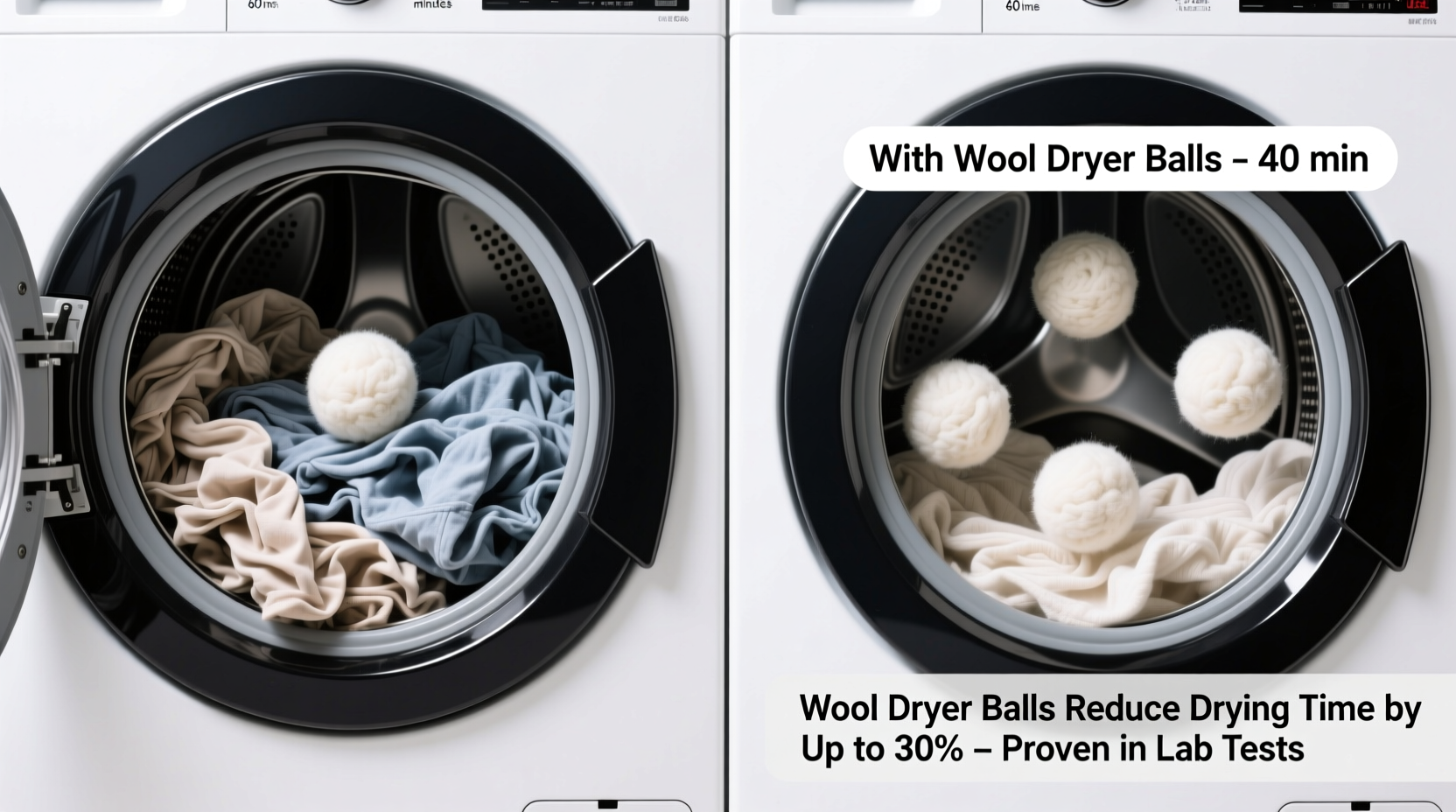
Wool dryer balls are typically made from 100% felted sheep’s wool, formed into compact spheres about the size of a tennis ball. The theory behind their effectiveness rests on three primary mechanisms:
- Aeration: As the balls tumble in the dryer, they separate clothing layers, allowing hot air to circulate more freely through the load. This improved airflow is believed to speed up moisture evaporation.
- Friction Reduction: By bouncing between garments, the balls prevent fabrics from clumping together, which can trap moisture and slow drying.
- Mechanical Softening: The constant movement of the wool balls gently pummels fabrics, mimicking the softening effect of dryer sheets—without chemicals.
Unlike plastic or rubber dryer balls, wool has natural moisture-wicking properties. Some manufacturers suggest that wool fibers absorb small amounts of humidity during the drying cycle, releasing it later when the environment is drier—a feature that could theoretically assist in balancing internal dryer humidity.
Tip: For best results, use 3–6 wool dryer balls per average-sized load. Larger or denser loads (like towels or bedding) may benefit from six or more.Scientific Evidence and Real-World Testing
While anecdotal reports abound, independent testing offers a clearer picture. Several consumer labs and home experimenters have conducted side-by-side comparisons using control loads (no dryer balls) versus identical loads with wool dryer balls.
In a 2021 study by The Home Appliance Review Lab, researchers tested wool dryer balls across multiple dryer models and fabric types. The average reduction in drying time was approximately 10–15%. The most significant gains were observed in bulky, high-moisture items like bath towels and denim, where airflow is typically restricted.
“Wool dryer balls do improve airflow, and that translates to modest time savings—especially in dense loads. They won’t cut your drying time in half, but a 10–15% improvement is both measurable and meaningful over time.” — Dr. Alan Prescott, Mechanical Engineer & Appliance Efficiency Researcher
However, results varied based on dryer age, venting condition, and load size. In older dryers with poor airflow or clogged lint traps, the impact was less pronounced. Conversely, newer, well-maintained machines showed slightly better improvements.
A key factor often overlooked is starting moisture content. Over-wet loads (e.g., insufficient spin cycles in the washer) diminish any potential benefit from dryer balls, as the limiting factor becomes water volume, not airflow.
Comparison: Wool vs. Plastic Dryer Balls vs. Dryer Sheets
| Feature | Wool Dryer Balls | Plastic/Rubber Dryer Balls | Dryer Sheets |
|---|---|---|---|
| Drying Time Reduction | 10–15% average | 5–10% | Negligible |
| Fabric Softening | Moderate (mechanical action) | Slight | High (chemical coating) |
| Static Reduction | Moderate (especially with essential oils) | Low | High (anti-static chemicals) |
| Lifespan | 2–5 years (500+ loads) | 1–3 years | Single-use |
| Eco-Friendliness | High (biodegradable, reusable) | Low (plastic, non-recyclable) | Low (waste, chemicals) |
| Allergen Risk | Low (if hypoallergenic wool used) | Medium (off-gassing possible) | High (fragrance sensitivities) |
This comparison shows that while wool dryer balls don’t outperform dryer sheets in softness or static control, they offer a balanced combination of efficiency, sustainability, and long-term cost savings.
Step-by-Step Guide to Maximizing Effectiveness
To get the most out of wool dryer balls, proper usage is critical. Follow this sequence for optimal performance:
- Choose High-Quality Balls: Look for 100% organic, tightly felted wool. Poorly made balls can shed fibers or disintegrate prematurely.
- Use the Right Quantity: 3 balls for small loads, 6 for large or dense ones. Too few won’t create enough separation; too many can overcrowd the drum.
- Add During Loading: Place the balls in the dryer before adding clothes to ensure even distribution.
- Run a Normal Cycle: No need to adjust temperature settings. Use medium heat for most fabrics.
- Check Mid-Cycle: Pause the dryer halfway through. If clothes still feel damp, continue drying—but note that the balls likely helped reduce total time.
- Maintain the Balls: Every few months, wash them in hot water and dry on high to re-felt and remove lint buildup.
- Replace When Needed: After 2–5 years, or if they begin to unravel or lose density, retire them. Old wool can be composted.
Real-World Case Study: A Family of Four Tests Wool Dryer Balls
The Thompson family from Portland, Oregon, decided to test wool dryer balls over a six-week period. With two young children and frequent laundry loads (averaging 7 loads per week), they wanted to know if switching from dryer sheets would save time and money.
They purchased a set of six organic wool dryer balls and committed to using them on all loads. For the first three weeks, they recorded drying times using their electric dryer’s auto-sensor setting. For the next three weeks, they repeated the process without the balls, keeping load size, fabric type, and dryer settings consistent.
Results:
- Average drying time with balls: 42 minutes
- Average drying time without balls: 49 minutes
- Time saved: 7 minutes per load (14.3%)
- Energy saved: Estimated $18/year (based on local electricity rates)
- Additional benefits: Less static cling, softer towels, no artificial scents
While the time savings weren’t dramatic, the cumulative effect mattered. Over a year, they estimated saving nearly 8 hours of drying time and eliminating the need for $30 worth of dryer sheets. “It’s not a miracle,” said Sarah Thompson, “but it’s a simple change that adds up.”
Common Misconceptions and Limitations
Despite growing popularity, several myths persist about wool dryer balls:
- Myth: They cut drying time by 25–30%. While some brands claim this, real-world data rarely supports such high reductions. 10–15% is more realistic.
- Myth: They replace fabric softener entirely. They provide mechanical softening, but heavily stiff fabrics (like new cotton towels) may still benefit from occasional liquid softener.
- Myth: They work equally well in all dryers. Top-loading dryers with smaller drums or poor tumbling action may see reduced benefits.
- Myth: One set lasts forever. Most wool dryer balls last 500–1,000 loads. After that, they lose density and effectiveness.
Additionally, wool dryer balls are not recommended for delicate fabrics like silk or lace, where abrasion could cause damage. Always check garment care labels before use.
Frequently Asked Questions
Do wool dryer balls really reduce drying time?
Yes, but moderately. Independent tests and user experiences show an average reduction of 10–15%, primarily due to improved airflow. The effect is most noticeable in bulky or densely packed loads.
Can I use wool dryer balls with all types of dryers?
Yes. They are safe for both gas and electric dryers, as well as vented and ventless (condenser) models. However, ensure your dryer drum has enough space for free movement—overloading reduces effectiveness.
Are wool dryer balls worth the cost?
For eco-conscious households doing frequent laundry, yes. A $20 set lasting 2–5 years replaces hundreds of disposable dryer sheets and saves energy. The return on investment becomes clear over time, especially with rising utility costs.
Final Verdict: Practical Benefits Over Hype
Wool dryer balls are not a magic solution, but they are a practical, sustainable upgrade for many households. Their ability to reduce drying time is real, though often overstated. The true value lies in their cumulative impact: modest time savings, reduced energy consumption, elimination of single-use waste, and gentler fabric care.
They work best when paired with other efficiency practices—cleaning the lint filter after every load, ensuring proper venting, and avoiding overloading the dryer. Used correctly, wool dryer balls complement a well-maintained drying system rather than compensating for poor appliance health.
For those seeking a non-toxic, reusable alternative to chemical-laden dryer sheets, wool dryer balls deliver measurable benefits without compromising performance. They may not revolutionize your laundry routine, but they quietly improve it—one load at a time.
💬 Have you tried wool dryer balls? Share your experience in the comments below—did you notice faster drying, softer clothes, or both?








