In the last decade, electric standing scooters have surged in popularity across major cities. What began as a novelty for tourists snapping selfies on rented devices has evolved into a legitimate contender in the urban mobility space. Cities from Paris to Portland now host fleets of dockless scooters, and personal ownership is on the rise. But beneath the sleek design and quiet hum lies a pressing question: are these compact two-wheelers truly practical for daily city commutes, or are they better suited as short-term rental toys for sightseers?
The answer isn’t binary. Practicality depends on a mix of infrastructure, rider behavior, local regulations, and individual commute patterns. To understand whether standing scooters belong in your weekday routine—or if they’re best left to weekend wanderers—we need to examine their performance beyond the hype.
Urban Mobility Challenges and the Scooter’s Role
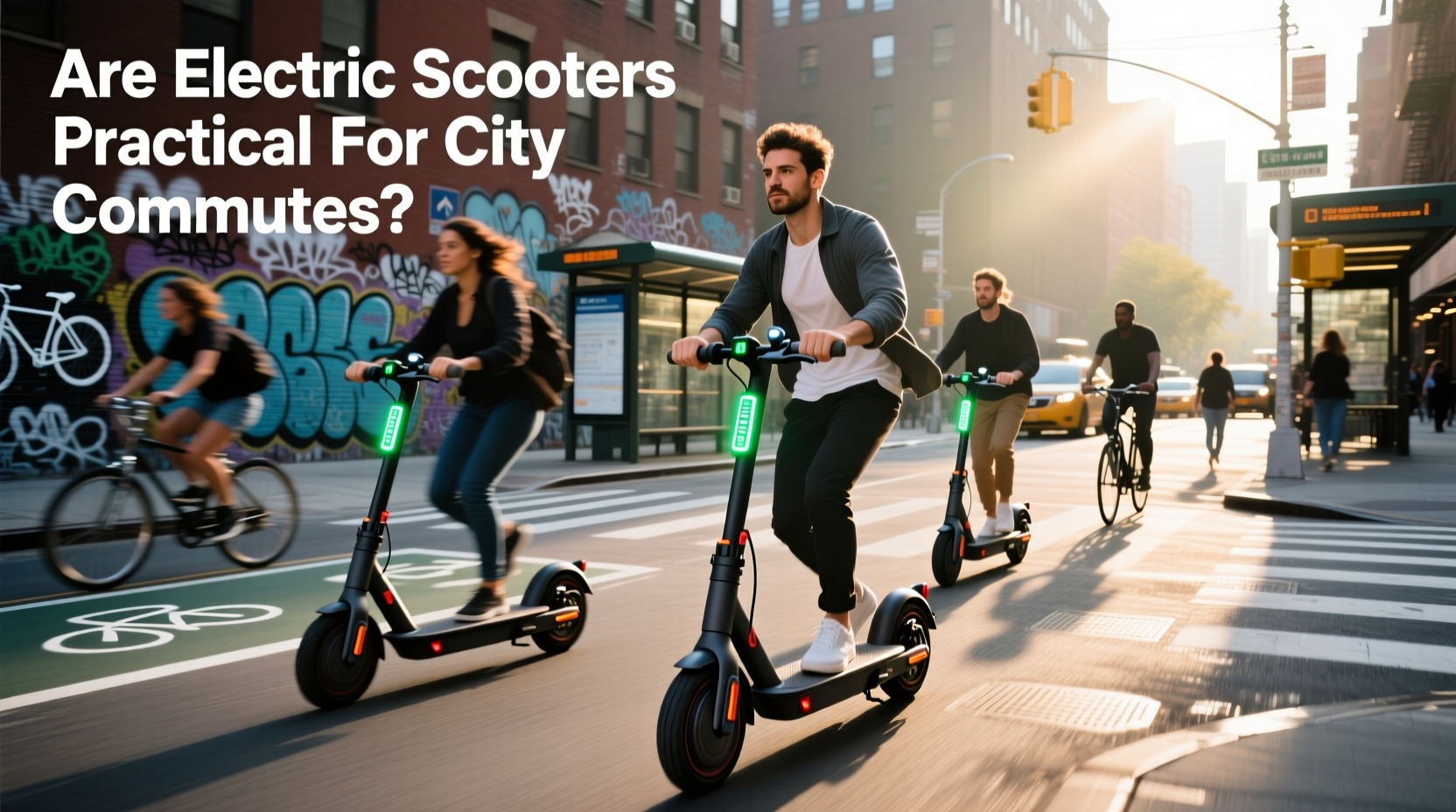
Cities are grappling with congestion, pollution, and inefficient public transit gaps—particularly the \"last mile\" problem. This refers to the distance between a transit stop (like a subway station) and a person’s final destination. Traditional solutions like walking, buses, or ride-shares often fall short in speed, cost, or convenience.
Enter the standing scooter. Lightweight, foldable, and capable of speeds up to 15–20 mph, e-scooters bridge this gap efficiently. A 2022 study by the International Transport Forum found that 37% of e-scooter trips replaced car journeys, suggesting real potential for reducing traffic and emissions.
Yet adoption varies widely. In Copenhagen, where cycling infrastructure is robust, scooters integrate seamlessly. In contrast, cities like Los Angeles face sidewalk clutter and safety concerns due to inadequate dedicated lanes. The scooter’s utility hinges not on the device itself, but on how well it fits within a city’s broader transportation ecosystem.
Tip: Use scooters for trips under 3 miles—they're most efficient when replacing short car rides or supplementing public transit.Practicality Factors: Commuter vs. Tourist Use
To assess practicality, consider five key factors: range, portability, cost, safety, and reliability.
Range and Battery Life
Most consumer-grade e-scooters offer 15–30 miles per charge, sufficient for many urban commutes. However, real-world conditions—hill gradients, rider weight, tire pressure, and temperature—can reduce effective range by up to 40%. Tourists typically take shorter, intermittent rides; commuters rely on consistent daily performance.
Portability and Storage
Foldable designs make scooters easy to carry onto trains or store under desks. High-end models weigh as little as 25 lbs, while budget versions can exceed 40 lbs. For commuters using mixed transit, lightweight folding matters. Tourists may leave scooters at hotels, reducing the need for frequent lifting.
Cost Comparison: Ownership vs. Rental
| Cost Factor | Owned Scooter (Avg.) | Rental Scooter (Per Ride) |
|---|---|---|
| Purchase Price | $400–$800 | N/A |
| Per-Trip Cost (Over 2 Years) | $0.55 (amortized) | $3.50–$6.00 |
| Maintenance | $100/year | Built into rental fee |
| Charging | $5–$10/year | Handled by provider |
| Total 2-Year Cost (10 rides/week) | $610 | $3,640+ |
Ownership quickly becomes economical for regular users. A commuter taking ten round-trips weekly would spend over $3,600 on rentals in two years—nearly five times the cost of buying a mid-range scooter.
Safety and Urban Infrastructure
Safety remains the biggest hurdle. According to the CDC, e-scooter injuries increased tenfold between 2014 and 2018, with head trauma being the most common serious injury. Only 4% of riders wore helmets in observed studies.
Tourists often ride in unfamiliar environments, increasing risk. Commuters, meanwhile, develop route familiarity but face repeated exposure to hazards like potholes, curbs, and distracted drivers.
“E-scooters can be part of safe urban mobility, but only if cities invest in protected lanes and enforce usage rules.” — Dr. Lena Torres, Urban Transportation Researcher at MIT
Real-World Case: Sofia in Berlin
Sofia, a graphic designer in Berlin, lives 2.7 miles from her office. She used to bike in winter but struggled with rain and cold. After testing a shared scooter for two weeks, she bought a Segway Ninebot MAX G2.
Her routine: ride 12 minutes to the U-Bahn, fold the scooter, carry it on board, then ride the last half-mile to work. Total time: 28 minutes—five minutes faster than biking in bad weather. She charges the scooter every three days and stores it under her desk.
After six months, she estimates saving €720 in transport costs and avoiding 1.2 tons of CO₂ compared to occasional car use. “It’s not perfect,” she admits. “I had one close call with a delivery van, and I always wear a helmet now. But overall, it’s transformed my commute.”
Sofia’s experience highlights the ideal scenario: moderate distance, multimodal transit access, supportive infrastructure, and safety awareness. Not every city offers these conditions.
When Scooters Fall Short: Limitations and Misuse
Despite advantages, standing scooters aren’t universally practical. Key limitations include:
- Hills and terrain: Steep inclines drain batteries and strain motors. Riders in hilly cities like San Francisco report inconsistent performance.
- Weather vulnerability: Most scooters aren’t fully waterproof. Riding in rain risks electrical damage and reduced traction.
- Lack of regulation: Inconsistent laws around where scooters can be ridden (sidewalks vs. bike lanes), speed limits, and parking create confusion and enforcement issues.
- Theft and vandalism: Foldable scooters left unattended—even briefly—are targets. Secure locking and GPS tracking help, but don’t eliminate risk.
Tourists often treat scooters as disposable experiences, leading to improper parking, reckless riding, and higher accident rates. In response, cities like Barcelona and Austin have imposed strict caps on scooter operators or banned them outright in certain zones.
Tip: Always lock your scooter to a fixed object and use apps with GPS tracking to deter theft.Step-by-Step Guide: Turning a Scooter into a Commute Tool
Switching from casual rider to practical commuter requires planning. Follow this timeline to integrate a scooter safely and efficiently:
- Week 1: Research and Test
Try rental scooters during off-peak hours. Note road conditions, traffic flow, and route challenges. - Week 2: Choose Your Model
Compare specs: battery life, weight, tire type (solid vs. pneumatic), braking system, and warranty. Prioritize durability over flashy features. - Week 3: Plan Your Route
Use mapping tools like Komoot or Google Maps (bike layer) to find low-traffic streets and protected bike lanes. Avoid busy intersections and gravel paths. - Week 4: Gear Up
Purchase a certified helmet, front/rear lights, reflective clothing, and a sturdy U-lock. Consider fenders if rain is common. - Month 2: Establish Routine
Begin commuting 2–3 days a week. Monitor battery usage, charging needs, and maintenance signs (e.g., wobbly wheels). - Ongoing: Maintain and Adapt
Check tire pressure monthly, clean brakes, and update firmware if applicable. Adjust routes seasonally.
Expert Tips for Maximizing Practicality
To move beyond gadget status, riders must adopt habits that align with long-term urban integration:
- Ride predictably: Signal turns, avoid sudden swerves, and obey traffic signals.
- Respect pedestrians: Yield on shared paths and dismount when entering crowded sidewalks.
- Charge responsibly: Use surge protectors and avoid overnight charging on flammable surfaces.
- Report issues: Notify manufacturers of software bugs or mechanical flaws.
Checklist: Is a Standing Scooter Right for Your Commute?
- ☑ My commute is under 5 miles one way
- ☑ My city has bike lanes or low-traffic streets
- ☑ I can safely store and charge the scooter at home/work
- ☑ I’m willing to wear a helmet and follow traffic rules
- ☑ Public transit options allow folded scooters onboard
- ☑ I can afford the upfront cost or justify rental expenses
Frequently Asked Questions
Can I use a standing scooter year-round in a rainy climate?
Yes, but with caveats. Look for scooters rated IP54 or higher for water resistance. Avoid deep puddles and wipe down the scooter after wet rides. Pneumatic tires offer better grip than solid ones in rain. Store indoors to prevent moisture buildup in electronics.
Are e-scooters legal on sidewalks?
Legality varies by city. In many places, riding on sidewalks is prohibited for safety reasons. Some cities allow it at low speeds (<8 mph) in designated zones. Always check local ordinances—fines can reach $250 in cities like New York and Seattle.
How long do e-scooter batteries last?
Most lithium-ion batteries retain 80% capacity after 300–500 charge cycles. With daily use, that’s roughly 1–2 years. Proper charging habits—avoiding full discharges and extreme temperatures—can extend lifespan. Replacement batteries cost $100–$200.
Conclusion: Beyond the Gimmick
Standing scooters are neither universal solutions nor mere tourist novelties. Their practicality emerges in specific contexts: moderate distances, supportive infrastructure, responsible ridership, and favorable policies. For the right user in the right city, they offer a fast, affordable, and eco-friendly alternative to cars and short-haul transit.
Their current reputation as disposable gadgets stems partly from early misuse and inadequate urban planning—not inherent flaws in the technology. As cities redesign streets for micromobility and riders adopt safer habits, e-scooters can evolve from temporary trends to permanent fixtures in sustainable urban life.
🚀 Ready to rethink your commute? Test a rental scooter this week, map a safe route, and see if this compact ride fits your lifestyle. Share your experience online to help shape smarter, greener cities.








