The world of personal audio has evolved rapidly over the past decade. As wireless earbuds have become smaller, smarter, and more ergonomic, so too have the accessories designed to support them. Once-standard features like sport earbud hooks are vanishing from new models, while niche brands like Tweed are gaining traction with minimalist, fabric-based storage solutions. But what does this shift mean for users? Are sport earbud hooks truly obsolete? And why are people suddenly talking about Tweed accessory holders?
This article examines the technological, functional, and cultural forces reshaping how we store, carry, and secure our earbuds—especially during physical activity. It also explores whether modern alternatives offer real improvements or if we’ve simply traded practicality for aesthetics.
The Rise and Fall of Sport Earbud Hooks
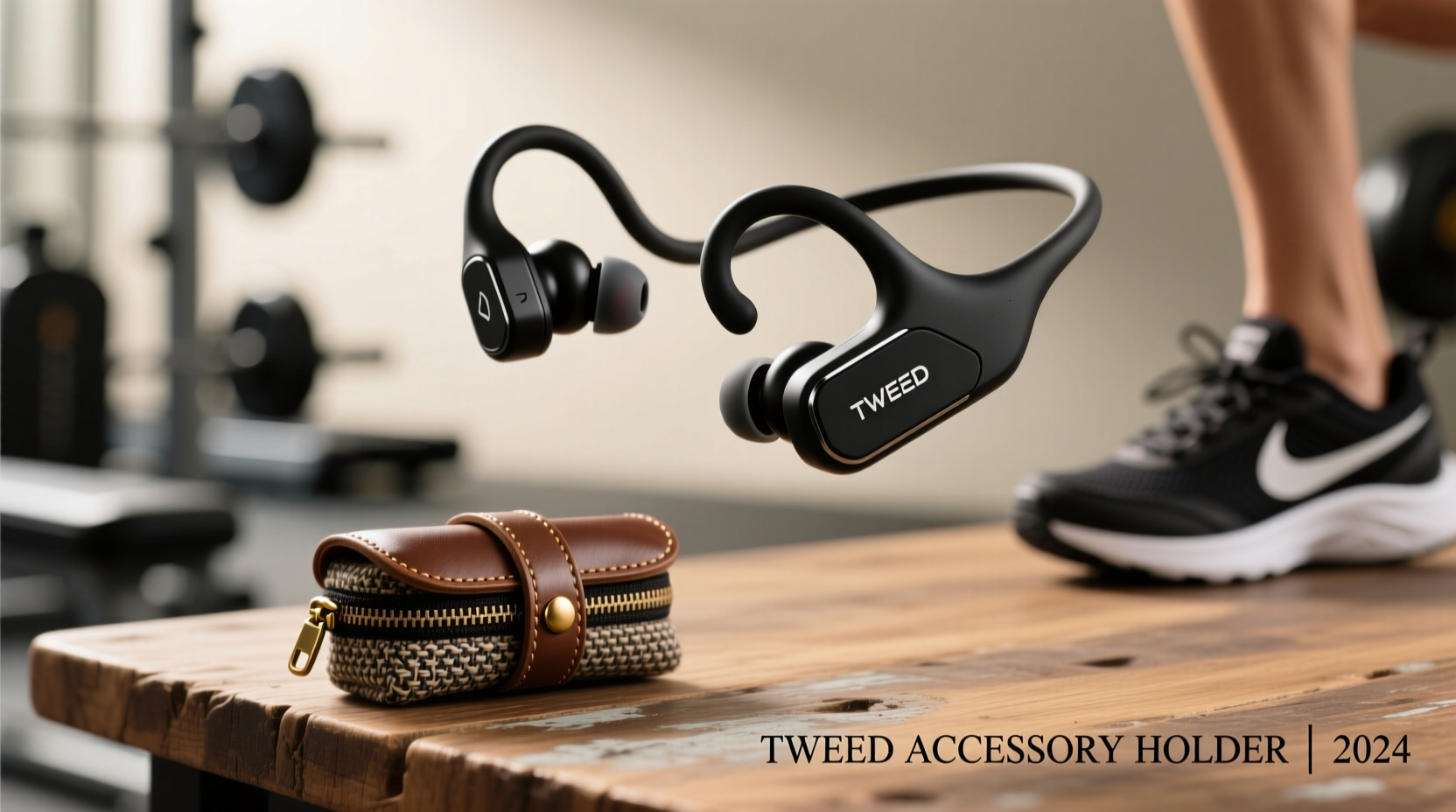
Sport earbud hooks—those flexible rubber or plastic loops that wrap around the back of the ear—were once a staple of fitness-focused audio gear. Brands like Bose, Jaybird, and JLab built entire product lines around the idea of “secure fit.” These hooks provided stability during high-motion activities such as running, weightlifting, or HIIT workouts. They worked by anchoring the earbud behind the ear, reducing movement and preventing dislodging.
However, in recent years, major manufacturers have begun phasing out these hooks. Apple’s AirPods Pro (2nd gen) and Samsung’s Galaxy Buds series rely on silicone tips and ear fin designs rather than external hooks. Even dedicated sports models now prioritize sleekness and compactness over bulky stabilizers.
Why the change? Three key factors explain the decline:
- Improved ergonomics: Modern earbuds are designed using 3D ear scans and biomechanical modeling, allowing for better natural fit without additional hardware.
- Aesthetic minimalism: Consumers increasingly prefer low-profile devices that blend into daily life, not just the gym.
- Material innovation: Advanced silicone composites and memory foam tips provide grip and comfort without requiring external structures.
Tweed Accessory Holders: Function Meets Fashion
Amid the trend toward minimalism, a quiet revolution has emerged in earbud storage: fabric-covered cases made by brands like Tweed. Unlike standard plastic pods, these holders use durable, textured materials—often waxed canvas or recycled wool blends—that evoke vintage craftsmanship. The aesthetic is intentional: retro, tactile, and environmentally conscious.
But beyond looks, Tweed-style holders serve a practical purpose. Their padded interiors protect earbuds from scratches and impact, while magnetic closures keep them secure in pockets or bags. Some models even include belt loops or carabiner attachments, making them ideal for runners, cyclists, or travelers.
What sets them apart isn’t just material—it’s philosophy. Where most tech accessories aim to disappear, Tweed cases draw attention. They signal care, intentionality, and a rejection of disposable culture.
“People don’t just want their gadgets protected—they want to feel good about how they carry them.” — Lena Tran, Product Designer at Urban Gadget Co.
Comparison: Traditional vs. Modern Earbud Support Systems
| Feature | Sport Earbud Hooks | Tweed-Style Holders | Modern Alternatives (Fins/Tips) |
|---|---|---|---|
| Primary Use | Fitness stability | Storage & portability | Daily wear + light exercise |
| Comfort Level | Moderate (can cause fatigue) | N/A (case only) | High (anatomically shaped) |
| Durability | Good (but prone to cracking) | Excellent (water-resistant fabrics) | Variable (silicone degrades over time) |
| Aesthetic Appeal | Functional, utilitarian | Stylish, artisanal | Sleek, modern |
| Ease of Use | Requires adjustment | Simple clip-on access | Plug-and-play |
Real-World Example: A Runner’s Transition
Take Mark, a long-distance runner based in Portland, who used Jaybird X4s with rigid ear hooks for five years. He loved their reliability but found them uncomfortable on longer runs and disliked how they stuck out under hats or headphones during cold weather.
Last year, he switched to Shokz OpenRun Pro, which uses bone conduction and sits entirely outside the ear canal. Paired with a Tweed-branded neoprene sleeve, his setup became lighter, less intrusive, and easier to stash mid-run. “I don’t miss the hooks,” he says. “The new gear stays put just as well, and I actually enjoy pulling out my case now—it feels like part of my routine.”
His experience reflects a broader shift: performance no longer requires visible support structures. Stability can come from design intelligence, not mechanical additions.
Are Hooks Obsolete? A Nuanced Answer
Calling sport earbud hooks “obsolete” may be premature—but it’s accurate to say they’re becoming specialized tools rather than universal solutions. For most casual users and even moderate exercisers, modern earbuds with optimized shapes and premium eartips offer sufficient retention.
However, certain scenarios still benefit from hooks:
- High-impact sports (e.g., boxing, trail running)
- Users with uniquely shaped ears that reject standard fits
- Environments with frequent head movement (construction, dance)
In these cases, hooks remain relevant. But instead of being built-in, they’re increasingly available as modular add-ons—detachable wings, adjustable loops, or third-party grips—giving users choice without sacrificing aesthetics when not needed.
Actionable Checklist: Choosing Your Earbud Setup
Whether you're upgrading your gear or rethinking your carry system, here’s a practical checklist to guide your decision:
- Assess your primary use case: gym, commute, work, or mixed?
- Test different ear tip sizes and fin types for secure fit.
- Consider a fabric-covered case if you value durability and style.
- Look for magnetic closures and scratch-resistant interiors in storage options.
- If you do intense workouts, try one pair with hooks and one without for comparison.
- Avoid over-reliance on adhesive mods; they can damage device coatings.
- Check warranty terms—some modifications void coverage.
Frequently Asked Questions
Do I need ear hooks if I jog regularly?
Not necessarily. Many modern earbuds with oval-shaped tips or winged stabilizers stay secure during jogging. Try a few models first before assuming you need hooks.
Are Tweed cases worth the extra cost?
If you frequently drop your case, travel often, or appreciate sustainable materials, yes. They typically cost $25–$40 but last longer than flimsy plastic alternatives and reduce environmental impact.
Can I use a Tweed holder with non-Apple earbuds?
Absolutely. Most are designed with universal sizing. Measure your earbud case diameter and confirm compatibility before purchase, but many brands offer multiple sizes.
Conclusion: Rethinking Audio Accessories in a Post-Hook Era
The disappearance of sport earbud hooks isn’t a loss—it’s an evolution. As technology advances, form and function converge in ways that make clunky attachments unnecessary for most users. At the same time, accessories like Tweed holders remind us that utility doesn’t have to be sterile. Thoughtful design, sustainable materials, and personal expression matter just as much as performance.
The future of earbud support lies not in one-size-fits-all solutions, but in modularity, customization, and intelligent design. Whether you rely on anatomical fins, fabric cases, or hybrid systems, the goal remains the same: seamless integration between your lifestyle and your gear.
🚀 Ready to upgrade your audio experience? Re-evaluate your current setup, test alternative fits, and consider investing in a durable, stylish case that matches your rhythm. Share your favorite combo in the comments below.








