The humble baseball cap has long been more than just sun protection—it's a cultural symbol, a fashion statement, and for decades, a staple of urban identity. Within that world, two distinct styles have vied for dominance: the classic structured hip hop baseball cap and the adjustable snapback. Once considered outdated, snapbacks have reemerged with quiet momentum across runways, music videos, and city sidewalks. But is this resurgence a fleeting trend, or are we witnessing a full-scale revival? And where does the traditional hip hop cap stand in all of this?
To understand the current landscape, it’s essential to trace the evolution of both styles, examine their cultural roots, and assess how modern fashion cycles are reshaping what we wear on our heads.
The Rise and Fall (and Rise?) of the Snapback
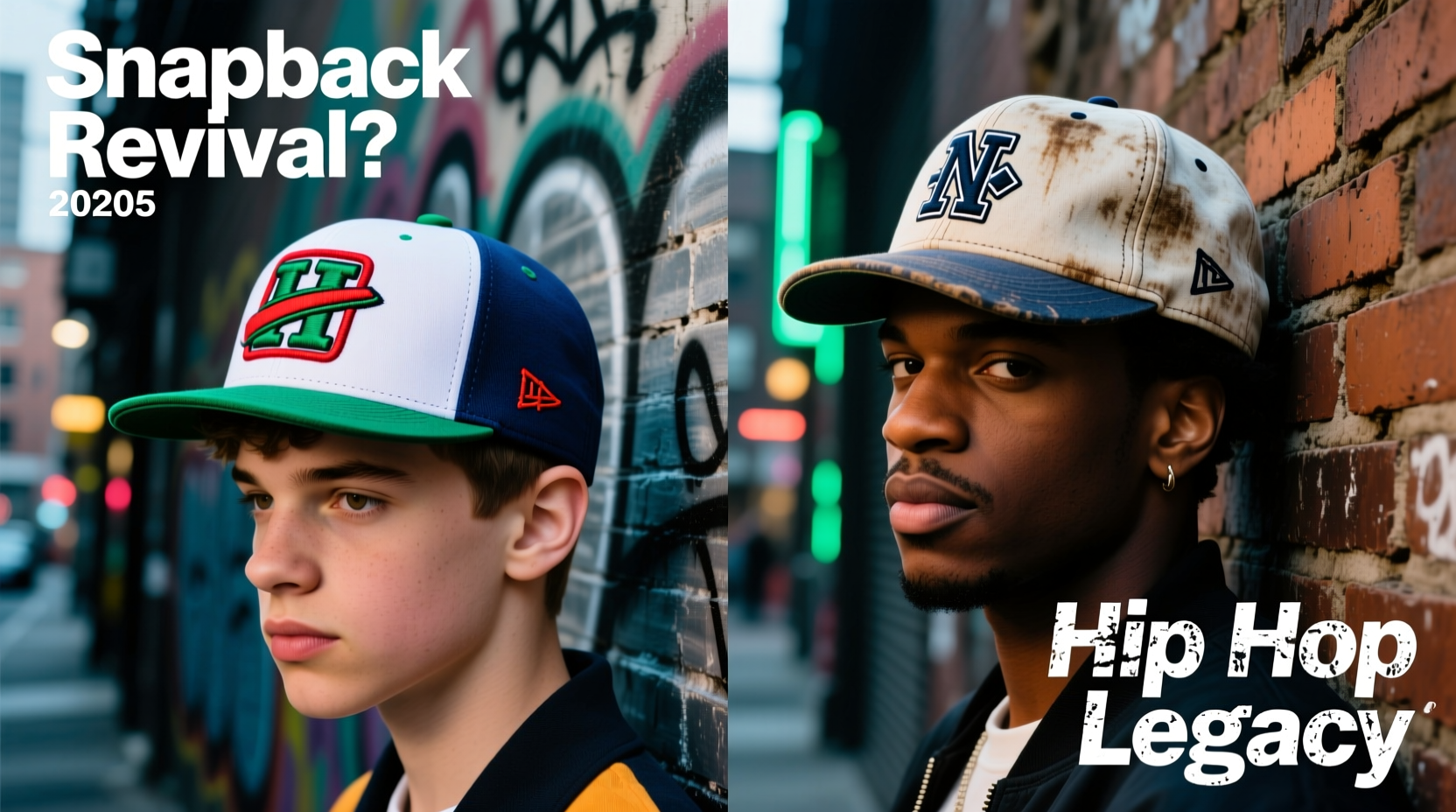
Snapbacks first gained mainstream attention in the 1990s, thanks largely to Major League Baseball licensing deals and their adoption by hip hop artists. Unlike fitted caps, snapbacks featured an adjustable plastic closure in the back, making them one-size-fits-most—a practical advantage that also lowered production costs. Their flat brims and bold team logos made them instantly recognizable.
Artists like Tupac, Notorious B.I.G., and Wu-Tang Clan wore them tilted at sharp angles, turning the snapback into a signature look of East Coast rap. By the early 2000s, they were everywhere—from schoolyards to skate parks. But as fashion evolved, so did preferences. The mid-2000s saw a shift toward low-profile, curved-brim fitted caps, especially within Southern hip hop and streetwear circles. Snapbacks began to feel dated, associated with a bygone era.
Fast forward to the late 2010s and early 2020s: designers like Virgil Abloh at Off-White and labels such as Supreme and Palace started reintroducing flat-brimmed, oversized caps—many with snap closures. Suddenly, the “uncool” was cool again. TikTok influencers, K-pop stars, and even high-fashion models began sporting them with streetwear ensembles, signaling a broader aesthetic reset.
Tip: If you're trying to pull off a vintage snapback look, pair it with minimalist streetwear to avoid looking costumey.Hip Hop Baseball Caps: The Enduring Standard
While snapbacks flirted with irrelevance, the traditional hip hop baseball cap—typically fitted, with a slightly curved brim and understated branding—remained a constant. These caps became synonymous with authenticity in urban fashion. Brands like New Era dominated the space, producing high-quality, tailored hats favored by rappers from Jay-Z to Kendrick Lamar.
The appeal lies in precision: a well-fitted cap sits snugly, offering a clean silhouette that complements both casual and elevated looks. In contrast to the uniformity of snapbacks, fitted caps require measurement and intentionality, which many wearers interpret as a sign of dedication to the craft of personal style.
Fitted caps also maintain strong ties to regional pride. Cities like Chicago, Atlanta, and Detroit have deep-rooted hat cultures, where wearing your hometown’s team or label is a point of honor. This emotional resonance keeps the fitted cap relevant, even amid shifting trends.
“Fitteds aren’t just hats—they’re heirlooms. I’ve had mine since my first mixtape dropped.” — Malik Reed, Hip Hop Producer & Style Advocate
Style Showdown: Snapback vs. Hip Hop Baseball Cap
To better understand the differences and appropriate use cases, consider the following comparison:
| Feature | Snapback | Hip Hop Baseball Cap (Fitted) |
|---|---|---|
| Adjustability | High – plastic snap closure fits most head sizes | None – must be sized precisely |
| Brim Shape | Flat or slightly curved | Slightly to moderately curved |
| Profile | High crown, boxy fit | Lower crown, sleeker profile |
| Cultural Association | 90s nostalgia, internet fashion, global youth culture | Authentic hip hop roots, regional pride, longevity |
| Best For | Statement looks, oversized outfits, casual wear | Daily wear, authenticity, curated street style |
What’s Driving the Snapback Resurgence?
The return of the snapback isn’t random. It reflects larger shifts in fashion psychology and consumer behavior:
- Nostalgia Economy: Millennials and Gen Z are drawn to 90s and early 2000s aesthetics. Vintage clothing apps and thrift stores report increased demand for retro sportswear.
- Influencer Culture: Social media amplifies micro-trends. A single post by a celebrity stylist or K-pop idol can ignite global interest in a previously dormant style.
- Gender-Neutral Appeal: Snapbacks are often marketed as unisex or gender-fluid accessories, aligning with modern fashion inclusivity.
- Streetwear Democratization: Adjustable sizing makes snapbacks more accessible than fitted caps, appealing to a broader audience.
Yet, despite these advantages, purists argue that the snapback lacks the craftsmanship and cultural weight of its fitted counterpart. For them, true headwear respect comes from knowing your size, supporting local brands, and honoring the legacy of the game—not chasing viral trends.
Mini Case Study: The Brooklyn Streetwear Collective
In 2022, a small collective of Black-owned streetwear brands in Brooklyn launched a campaign titled *“Fit Check Only.”* The initiative promoted custom-fitted caps with hand-stitched logos representing each NYC borough. While major retailers pushed snapbacks with cartoonish graphics, the collective emphasized precision, heritage, and community ownership.
Within six months, they sold out three limited drops and gained features in Complex and Hypebeast. Their message was clear: authenticity still sells. One customer, 28-year-old Marcus Tran, said, “I grew up seeing my dad wear his fitted Yankees cap every Sunday. When I got mine, it felt like joining a tradition—not just buying a hat.”
How to Choose the Right Cap for Your Style
Whether you lean toward snapbacks or fitteds, the key is alignment with your personal aesthetic and lifestyle. Follow this simple checklist to make an informed decision:
Checklist: Choosing Your Headwear- Measure your head if considering a fitted cap (use a soft tape measure above the ears).
- Evaluate your wardrobe: Do you wear oversized silhouettes? A snapback may complement that better.
- Consider occasion: Fitted caps tend to work better for everyday wear; snapbacks shine in fashion-forward settings.
- Support independent brands when possible—many offer custom embroidery and ethical production.
- Avoid over-accessorizing; let the cap be the focal point.
FAQ
Can I wear a snapback if I’m not into streetwear?
Absolutely. Modern styling allows snapbacks to be paired with denim jackets, trench coats, or even tailored trousers for an ironic or avant-garde effect. The key is confidence and balance in your overall look.
Do fitted caps only work for certain hair types or lengths?
Not necessarily. Many people with locs, afros, or braids opt for “big head” or relaxed-fit fitteds designed to accommodate volume. Some even layer durags or thin caps underneath for comfort and protection.
Is the snapback trend likely to last?
Trends come and go, but the current revival shows signs of deeper staying power due to its integration into high fashion and global youth culture. However, it may evolve—future iterations could blend snapback adjustability with fitted-inspired shapes.
Conclusion
The question isn’t whether snapbacks are making a comeback or if hip hop baseball caps remain king—it’s recognizing that both have earned their place in the modern wardrobe. The snapback’s resurgence reflects fashion’s cyclical nature and the democratization of style through digital culture. Meanwhile, the fitted cap endures as a symbol of craftsmanship, identity, and continuity within hip hop’s living legacy.
Rather than choosing sides, the most stylish move is understanding context: when to embrace nostalgia, when to honor tradition, and when to simply wear what feels right. Fashion isn’t about absolutes—it’s about expression.
💬 What’s your go-to cap style? Share your thoughts, tag your favorite brands, or tell us about your most meaningful hat memory in the comments.








