In the age of curated feeds and aesthetic-driven fashion, silk scrunchies have become a staple on Instagram. From soft pastel tones to bold jewel hues, they're frequently styled in influencer hairdos and celebrity looks. But beyond their photogenic appeal, a growing number of people are asking: do silk scrunchies actually benefit hair, or are they just another pretty accessory riding the wave of social media trends?
The answer isn’t as simple as yes or no. While silk scrunchies undeniably have strong visual appeal, there’s also real science and dermatological reasoning behind their rising popularity. To separate marketing hype from genuine hair care value, it's essential to examine how silk interacts with hair, compare it to other materials, and understand who benefits most — and who might be better off with alternatives.
The Science Behind Hair Friction and Breakage
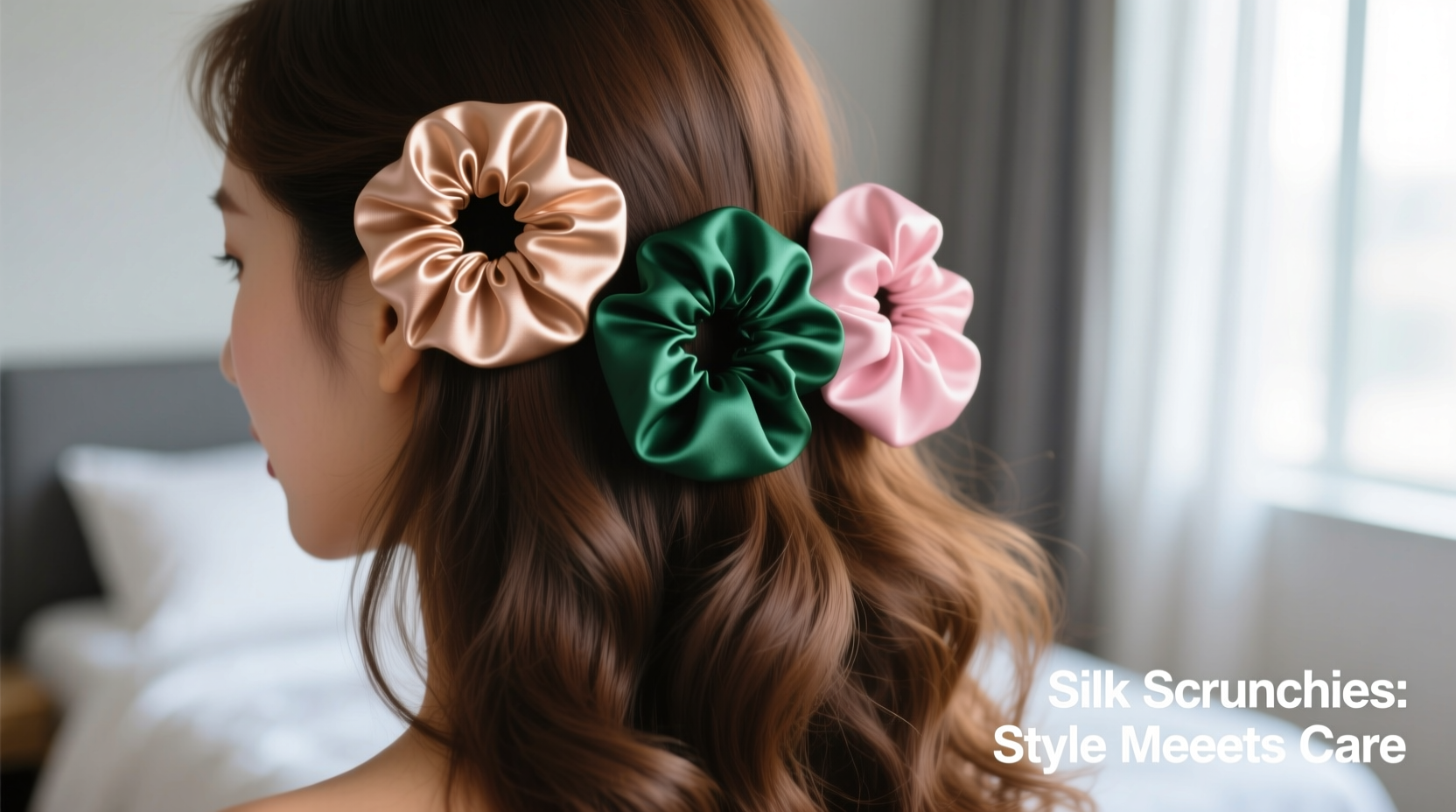
Hair breakage often begins not at the root or shaft, but at the point where tension and friction meet: the hair tie. Traditional elastic bands, especially those made from synthetic fabrics or rubber-coated materials, create high levels of friction when wrapped around strands. This can lead to surface damage of the hair cuticle—the outer protective layer—causing split ends, tangles, and weakened strands over time.
Silk, by contrast, is one of the smoothest natural fibers known. Its tightly woven protein structure creates a low-friction surface that allows hair to glide rather than snag. According to Dr. Angela J. Lamb, associate professor of dermatology at Mount Sinai Hospital, “The smoother the material in contact with hair, the less likely it is to cause mechanical stress. Silk reduces drag, which means fewer broken hairs and less frizz.”
“Silk doesn’t pull or abrade the hair shaft like cotton or polyester. That makes it a smarter choice for anyone trying to minimize daily damage.” — Dr. Angela J. Lamb, Dermatologist & Hair Specialist
This principle applies particularly to curly, coily, or textured hair types, which are more prone to dryness and structural fragility. These hair types rely heavily on moisture retention and cuticle protection, making friction reduction even more critical.
Comparing Materials: Silk vs. Cotton vs. Synthetic Scrunchies
Not all scrunchies are created equal. The fabric used dramatically affects how gently—or harshly—it treats your hair. Below is a comparison of common scrunchie materials based on key hair health factors.
| Material | Friction Level | Moisture Absorption | Breakage Risk | Best For |
|---|---|---|---|---|
| Silk (Real Mulberry) | Low | Very Low | Low | All hair types, especially fine, curly, or damaged hair |
| Cotton | High | High | Moderate to High | Thick, coarse hair; not ideal for overnight use |
| Polyester / Nylon | Moderate to High | Low | Moderate | Budget option; avoid if prone to breakage |
| Satin (Polyester-based) | Low | Low | Low to Moderate | Good alternative to silk; less breathable |
While satin scrunchies are often marketed as silk alternatives, they’re typically made from synthetic fibers like polyester. Though they mimic silk’s smooth texture, they lack its breathability and natural protein composition. Real mulberry silk remains the gold standard for minimizing hair stress.
Tip: Look for \"100% mulberry silk\" when purchasing. Many products labeled \"silk\" are actually polyester satin.When Silk Scrunchies Deliver Real Benefits
Silk scrunchies aren’t a miracle cure, but they offer tangible advantages in specific scenarios:
- Overnight wear: Using a silk scrunchie to secure a loose braid or pineapple-style updo while sleeping significantly reduces friction against the pillowcase, especially when paired with a silk pillow.
- Fine or fragile hair: People with thinning hair, post-chemotherapy regrowth, or heat-damaged strands benefit from gentler hold options.
- Curly and textured hair routines: Twists, puffs, and buns held with silk scrunchies maintain definition without disturbing curl patterns or causing puffiness from tugging.
- Dry or chemically treated hair: Bleached, permed, or relaxed hair has compromised cuticles and needs extra protection from mechanical stress.
A 2022 consumer study conducted by the International Journal of Trichology found that participants who switched from cotton to silk hair ties reported a 37% reduction in morning tangles and a noticeable decrease in flyaways after four weeks of consistent use.
Mini Case Study: Reducing Breakage in Type 4 Hair
Tasha R., a 32-year-old educator with tightly coiled Type 4c hair, struggled with frequent breakage along her hairline. She attributed it to years of using elastic bands and tight ponytails. After switching to silk scrunchies and adopting a looser styling technique, she noticed a dramatic improvement within two months.
\"I used to wake up with little broken pieces all over my shoulders,\" Tasha said. \"Now I use a silk scrunchie for my nighttime 'pineapple' and only pull my hair back loosely during the day. My edges feel stronger, and I'm retaining length.\"
Her experience aligns with broader recommendations from natural hair stylists, who emphasize that reducing tension and friction is more effective than expensive serums when it comes to preventing edge loss.
Limitations and Misconceptions About Silk Scrunchies
Despite their benefits, silk scrunchies are not a universal solution. Several misconceptions cloud public understanding:
- Misconception: Silk scrunchies prevent hair loss.
Reality: They reduce breakage caused by friction but don’t address genetic, hormonal, or medical hair loss. - Misconception: All shiny scrunchies are silk.
Reality: Many are polyester satin, which may look similar but lacks silk’s breathability and hypoallergenic properties. - Misconception: Silk scrunchies last forever.
Reality: Silk degrades over time, especially with frequent washing or exposure to oils and hairsprays. Most last 6–12 months with regular use.
Additionally, silk scrunchies may not provide enough grip for very thick or slippery hair. Some users report slippage throughout the day, requiring additional pins or a second tie. In such cases, combining a silk-covered elastic with bobby pins may offer a better balance of security and gentleness.
Step-by-Step Guide to Maximizing Silk Scrunchie Benefits
To get the most out of your silk scrunchies, follow this routine:
- Choose the right size: Opt for medium to large diameter scrunchies to distribute pressure evenly across the ponytail base.
- Style loosely: Avoid pulling hair tightly. A gentle hold reduces strain on follicles.
- Use at night: Replace regular elastics with silk scrunchies for bedtime styles to minimize overnight friction.
- Clean monthly: Hand-wash in cool water with mild shampoo or silk detergent. Air dry flat away from direct sunlight.
- Rotate usage: Have at least two scrunchies so they can rest between uses, preserving elasticity and fabric integrity.
FAQ: Common Questions About Silk Scrunchies
Do silk scrunchies really reduce frizz?
Yes. Because silk creates less friction than cotton or synthetic elastics, it minimizes disruption to the hair cuticle. This helps preserve smoothness and reduces static and flyaways, especially in dry or humid conditions.
Can I wash silk scrunchies?
Yes, but carefully. Hand-wash in lukewarm water with a gentle detergent formulated for delicates. Avoid wringing or twisting. Lay flat to dry. Machine washing or drying can damage the fibers and elastic core.
Are silk scrunchies worth the price?
For people with delicate, curly, or damaged hair, yes. While they cost more upfront—typically $12–$25 compared to $2–$5 for basic elastics—their durability and hair-protective benefits often justify the investment. Think of them as preventive care, not just fashion.
Checklist: Choosing and Using Silk Scrunchies Wisely
- ✅ Verify the material is 100% mulberry silk (not satin or polyester)
- ✅ Select a wide, soft band to distribute tension
- ✅ Use for low-tension styles: loose buns, braids, or half-up looks
- ✅ Wash gently every 3–4 weeks or as needed
- ✅ Pair with a silk pillowcase for maximum nighttime protection
- ❌ Avoid using on soaking wet hair (elastic weakens when wet)
- ❌ Don’t tug or yank when removing—unloop gently
Conclusion: Function Meets Fashion — When It Matters Most
Silk scrunchies sit at the intersection of aesthetics and functionality. While they’ve gained fame through Instagram aesthetics, their value extends beyond photo ops. For individuals dealing with fragile hair, chronic breakage, or textured hair types that require careful handling, silk scrunchies offer a small but meaningful upgrade in daily hair care.
They won’t transform thinning hair into a full mane or repair deep structural damage—but they can help prevent the kind of incremental harm that accumulates over years of using abrasive elastics. In that sense, they’re not just trendy accessories. They’re thoughtful tools in a broader strategy of hair preservation.
If you're looking to protect your hair without sacrificing style, a silk scrunchie is a simple switch with measurable benefits. And if you love how they look? Even better. Good hair days should feel effortless—and now, they can look effortless too.
🚀 Ready to upgrade your hair routine? Try a genuine mulberry silk scrunchie tonight and notice the difference by morning. Share your experience or tag your favorite low-hold style on social media to inspire others!








